When it comes to axle and drivetrain longevity, preventive maintenance is the difference between a routine fluid swap and a catastrophic, wallet-draining failure. For automotive technicians and dedicated DIYers in 2026, understanding the internal health of your axle starts with a simple visual inspection. Before you ever need to research the rear differential leak repair cost, you must learn to read the warning signs hidden in your gear oil. Differential fluid color, viscosity, and odor are direct indicators of ring and pinion wear, bearing health, and seal integrity.
Decoding Differential Fluid Color and Condition
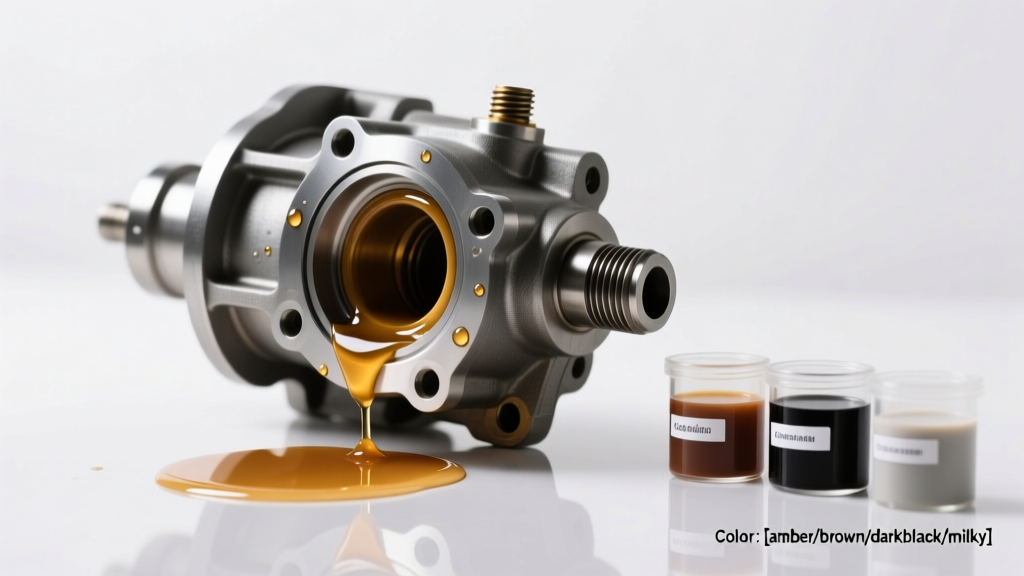
The condition of your differential fluid tells a detailed story about the operating temperatures and mechanical friction occurring inside the axle housing. Gear oil is formulated with extreme pressure (EP) additives, typically sulfur-phosphorus compounds, designed to protect hypoid gear sets under immense sliding friction. When these additives deplete, or when internal components begin to wear, the fluid changes character.
| Fluid Appearance | Odor / Texture | Technical Diagnosis | Preventive Action Required |
|---|---|---|---|
| Clear / Amber | Slight sulfur scent, smooth | New or excellent condition. Additives are fully active. | None. Continue standard service intervals. |
| Dark Brown / Opaque | Normal or slightly acrid | Normal oxidation and thermal cycling over 30,000+ miles. | Schedule a drain and fill; inspect magnetic plug. |
| Black / Sludgy | Sharp, burnt smell | Severe thermal breakdown. Oil has exceeded 300°F, losing film strength. | Immediate fluid change. Check for dragging brakes or overloading. |
| Silver / Glittery | Feels gritty between fingers | Active spalling on ring and pinion gears or bearing cages. | Remove cover for full inspection. Rebuild likely imminent. |
| Milky / Chocolate | Sour, emulsified | Water intrusion via submerged breather or failed axle shaft seal. | Flush immediately. Replace compromised seals and check breathers. |
According to AMSOIL's technical bulletin on gear lubricant degradation, the sulfur-phosphorus additives in API GL-5 gear oils are sacrificial. Once the fluid turns black and emits a sharp, burnt odor, the chemical buffer protecting your hypoid gears is gone, leading to accelerated micro-pitting on the gear teeth.
How Thermal Degradation Triggers Seal Failures
Many enthusiasts assume that a leaking pinion seal or axle shaft seal is simply a victim of age and rubber dry-rot. However, fluid condition plays a massive role in seal failure. When gear oil undergoes severe thermal breakdown, its viscosity index drops. A 75W-90 synthetic that has been subjected to repeated high-load towing cycles may thin out to the equivalent of a 50-weight oil at operating temperature. This thinned oil easily bypasses the microscopic tolerances of aging nitrile or fluoroelastomer seals.
Furthermore, degraded oil produces increased crankcase pressure inside the axle tube. As the gear set whips the degraded, aerated oil into a foam, internal pressure rises. If the axle's breather valve (often located on the upper driver-side axle tube) is clogged with road grime, that pressure has nowhere to go but out—pushing fluid past the pinion seal or forcing it out of the differential cover gasket. Addressing a clogged breather costs less than $10 in parts and takes five minutes, potentially saving you hundreds in leak repairs.
Breaking Down the Rear Differential Leak Repair Cost
If your preventive inspection reveals active leaks, you must address them before the fluid level drops below the ring gear, which will result in catastrophic overheating and gear seizure. The rear differential leak repair cost varies wildly depending on the exact location of the leak, the axle architecture (semi-floating vs. full-floating), and whether crush sleeves must be replaced. Below is a realistic 2026 pricing matrix for common light-truck and SUV axles.
| Leak Location | Common Application | Part Cost (Est.) | Labor Time | Total Repair Cost |
|---|---|---|---|---|
| Differential Cover Gasket | GM 8.5" 10-Bolt / Ford 8.8" | $15 - $35 (Lube Locker or RTV) | 1.5 Hours | $180 - $280 |
| Axle Shaft Seal (Semi-Floating) | Dana 35 / Chrysler 8.25" | $12 - $25 (Timken / National) | 2.0 Hours | $250 - $400 (per side) |
| Axle Shaft Seal (Full-Floating) | Dana 60 / GM 14-Bolt | $20 - $45 | 1.0 Hour | $150 - $250 (per side) |
| Pinion Seal | Ford 8.8" / GM 9.5" | $15 (Seal) + $25 (Crush Sleeve) | 2.5 Hours | $350 - $550 |
The Hidden Complexity of Pinion Seal Replacements
Why does a $15 pinion seal (such as the National 710935 for a Ford 8.8-inch axle) cost up to $550 to repair? The answer lies in the crush sleeve. On most modern solid axles, the pinion bearing preload is set by a collapsible crush sleeve. To remove the pinion flange and access the seal, you must remove the staked pinion nut. Once that nut is removed, the crush sleeve is compromised and must be replaced.
Setting the preload on a new crush sleeve requires a specialized holding tool and a heavy-duty torque wrench to tighten the nut to roughly 125–150 lb-ft while simultaneously measuring the rotating torque with a beam-type inch-pound torque wrench (typically targeting 15–25 in-lbs for used bearings). As noted in MotorTrend's drivetrain service procedures, overtightening the pinion nut will over-crush the sleeve, requiring you to disassemble the entire pinion depth setup and start over with a new sleeve. This precision labor is the primary driver of the rear differential leak repair cost for pinion seals.
Step-by-Step Preventive Inspection Protocol
To avoid the high end of the repair cost spectrum, implement this 15-point axle inspection protocol every 15,000 miles or before any heavy towing season:
- Verify the Breather Valve: Locate the axle breather hose. Ensure the check-valve cap moves freely and the hose is not kinked or plugged with mud. A functioning breather prevents pressure-driven leaks.
- Check Fill and Drain Plug Torque: Vibrations can loosen square-drive plugs. For a GM 10-bolt, the fill plug torque spec is typically 24 lb-ft. For a Dana 44, it is 25 lb-ft. Do not overtighten, as the aluminum or thin-steel housings can strip easily.
- Analyze the Magnetic Plug: Most OEM drain plugs feature a magnet. A fine, gray paste is normal wear from the clutch packs in a limited-slip differential (LSD). However, distinct metal shards or chunks larger than a grain of rice indicate catastrophic bearing or gear failure.
- Inspect the Axle Tube Vents and Seams: Look for wetness where the axle tube presses into the center section (on banjo-style housings like the Ford 9-inch or Dana 44). Leaks here require pressing the tubes out and applying specialized anaerobic sealants—a massive repair job.
Selecting the Correct Gear Oil to Prevent Future Leaks
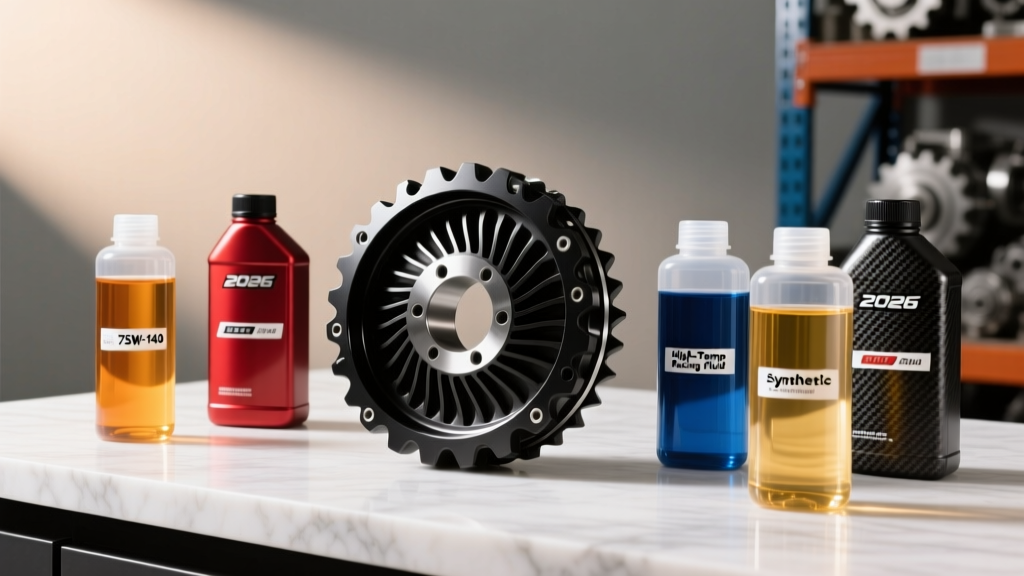
Choosing the right fluid is your best defense against both internal wear and external leaks. While many owner's manuals from the early 2010s recommend conventional 80W-90 GL-5, modern best practices for 2026 heavily favor full synthetic 75W-90 or 75W-140 formulations. Synthetics possess a higher viscosity index, meaning they resist thinning out under extreme heat, maintaining the oil film strength required to keep seals lubricated and prevent bypass leaks.
Expert Note on Limited-Slip Differentials (LSD): If your axle houses a clutch-type LSD (like Ford's Traction-Lok or GM's G80), you must add a specific friction modifier (e.g., GM Part # 88900333 or Ford XL-3). Failure to do so will cause clutch chatter, generating excessive heat that rapidly degrades the gear oil and accelerates seal failure. Torsen and helical gear LSDs do not require these modifiers.
For severe-duty applications, such as 3/4-ton trucks towing over 10,000 lbs, stepping up to a 75W-140 synthetic gear oil provides a thicker fluid film at high temperatures. As highlighted by Car and Driver's differential maintenance guide, upgrading to a high-quality synthetic fluid not only extends the life of the ring and pinion but also maintains the precise viscosity needed to keep aging seals pliable and leak-free.
Final Thoughts on Drivetrain Longevity
Ignoring the color and condition of your differential fluid is a gamble with your drivetrain's survival. By routinely extracting a small sample to check for milky emulsions, metallic glitter, or burnt odors, you can catch internal failures before they destroy the axle. Furthermore, by understanding the mechanical realities behind the rear differential leak repair cost—such as the necessity of crush sleeves and precise bearing preload settings—you can make informed decisions about whether to tackle the repair in your home garage or hand it off to a drivetrain specialist. Stay proactive, keep your breathers clear, and use top-tier synthetic gear oils to keep your axles turning silently for hundreds of thousands of miles.