The Physics of the Ford 8.8: Why Swap from 3.31 to 3.73?
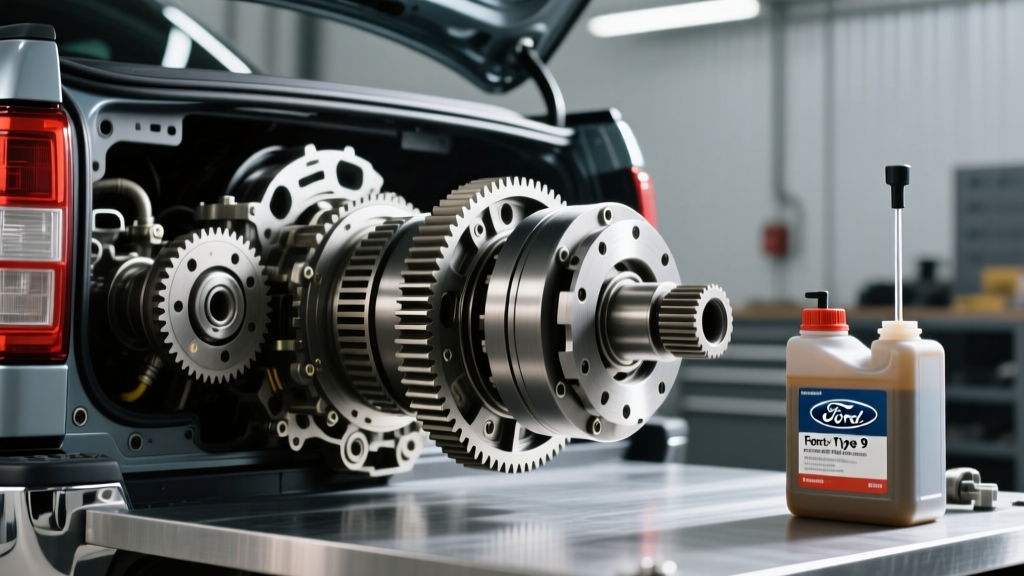
The Ford 8.8-inch rear axle is a staple of the Blue Oval’s lineup, found under the rear of countless F-150s, Rangers, and Mustangs. From the factory, many modern F-150s equipped with the 5.0L Coyote V8 or the 3.5L EcoBoost are fitted with 3.31 or 3.55 gear ratios. While these numerically lower ratios maximize EPA fuel economy estimates on the highway, they severely handicap the truck’s off-the-line torque multiplication, especially when owners add larger all-terrain tires, steel bumpers, or heavy towing loads.
Upgrading to a 3.73 or 4.10 ring and pinion set transforms the drivetrain's behavior. By increasing the numerical gear ratio, you multiply the engine's torque output at the wheels, effectively shrinking the rotating mass and allowing the transmission to reach its optimal power band faster. However, installing a new Motive Gear or Richmond ring and pinion is only half the battle. The longevity of your new setup relies entirely on precision shimming, strict torque tolerances, and a meticulous post-break-in fluid exchange.
Calculating Effective Gear Ratios and Performance Gains
Before tearing into the differential cover, you must calculate your 'effective' gear ratio. If you have upgraded from the factory 265/70R17 tires (roughly 31.6 inches in diameter) to a 35x12.50R17 setup, your effective final drive ratio has dropped drastically, even if the physical gears inside the housing remain unchanged.
The formula for effective gear ratio is: (Old Tire Diameter / New Tire Diameter) x Stock Gear Ratio = Effective Ratio.
| Tire Size Upgrade | Stock Gear | Effective Ratio | Performance Impact |
|---|---|---|---|
| 31.6' to 35' | 3.31 | 2.98 | Severe power loss, transmission hunting, high EGTs while towing. |
| 31.6' to 35' | 3.73 | 3.36 | Restores near-stock acceleration, acceptable light towing. |
| 31.6' to 35' | 4.10 | 3.69 | Ideal for heavy towing, off-road crawling, and aggressive acceleration. |
As documented in extensive drivetrain testing threads on Ford-Trucks.com, moving to a 4.10 ratio with 35-inch tires brings the truck's RPM at 70 MPH back to the factory baseline, eliminating the sluggishness and excessive transmission heat associated with overdrive hunting.
Teardown, Pinion Depth, and Backlash Tolerances
The Ford 8.8 utilizes a standard semi-floating design with C-clips retaining the axle shafts. To access the carrier, the axles must be pushed inward to disengage the C-clips from the cross-pin. Once the carrier and pinion are removed, the real engineering begins.
Setting Pinion Depth
Pinion depth is the most critical measurement in a differential rebuild. It dictates how deeply the pinion gear meshes into the ring gear. The factory pinion head is stamped with a variance number (e.g., +2 or -4), representing thousandths of an inch deviation from the nominal depth. Using a pinion depth setting tool and a dial indicator, the target depth for a standard Ford 8.8 is typically 2.625 inches from the centerline of the carrier bearing caps to the pinion head face. Adjusting the inner pinion bearing shim is mandatory to achieve this.
Dialing in Backlash and Preload
Backlash is the amount of rotational play between the ring and pinion teeth. For most aftermarket performance gears, the target backlash is between 0.006' and 0.010'. This is adjusted by moving the carrier side shims (or adjusting the threaded side bearings on Super 8.8 variants). Simultaneously, you must set the pinion bearing preload. If reusing the factory crush sleeve, the rotational torque required to turn the pinion (without the carrier installed) should be between 16 and 24 in-lbs. Many experts recommend upgrading to a solid pinion spacer kit to eliminate the risk of over-crushing the sleeve and destroying the new pinion bearing.
The Break-In Phase and BG Rear Differential Service
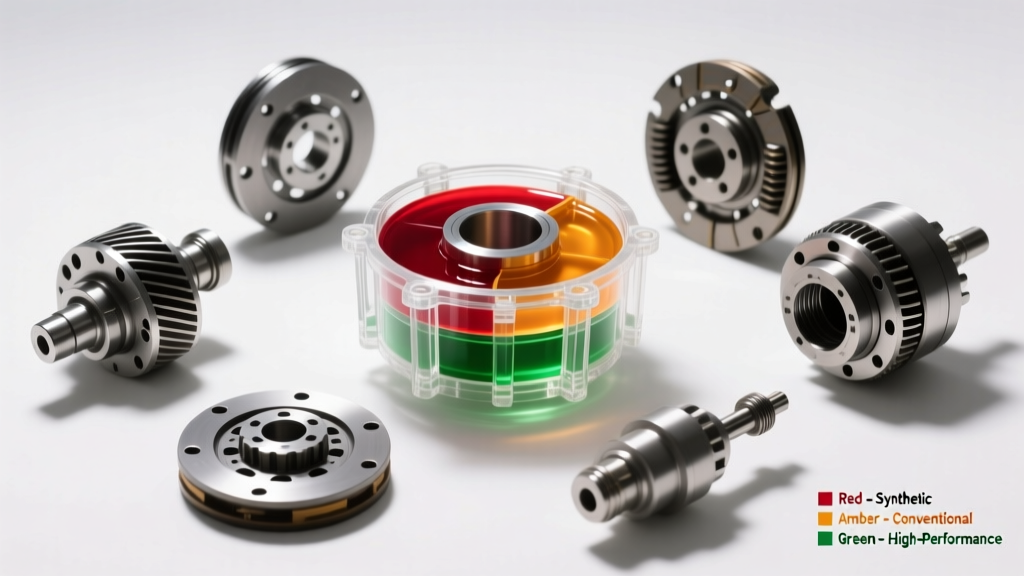
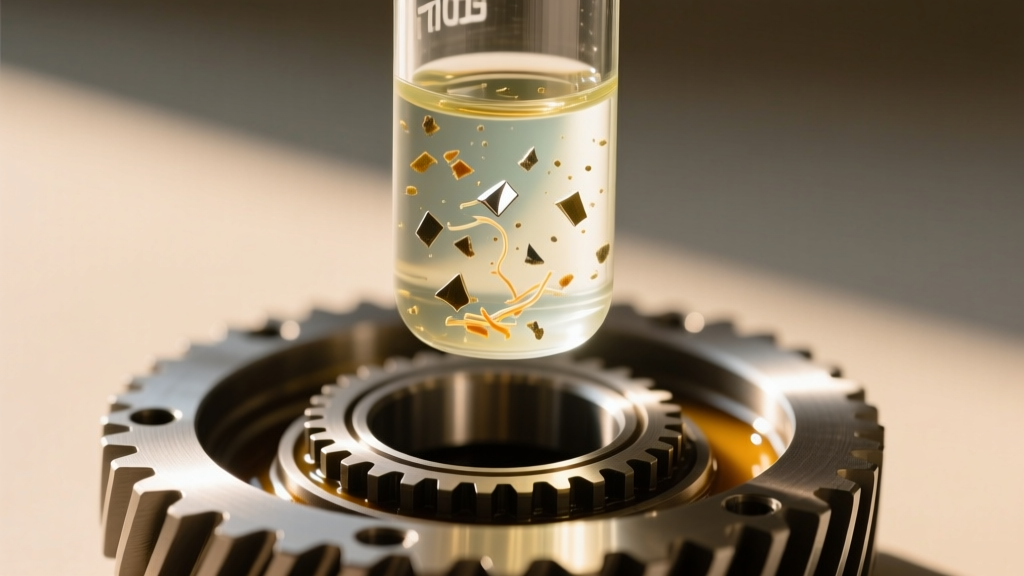
New ring and pinion gears generate immense friction and heat during the first 500 miles as the metallurgical surfaces wear into their final mating pattern. This break-in period produces microscopic metallic particulates that will suspend in the gear oil. Running synthetic fluid during this initial phase is a common mistake; synthetics are too slippery and can prevent the gears from properly lapping, leading to premature whine and failure.
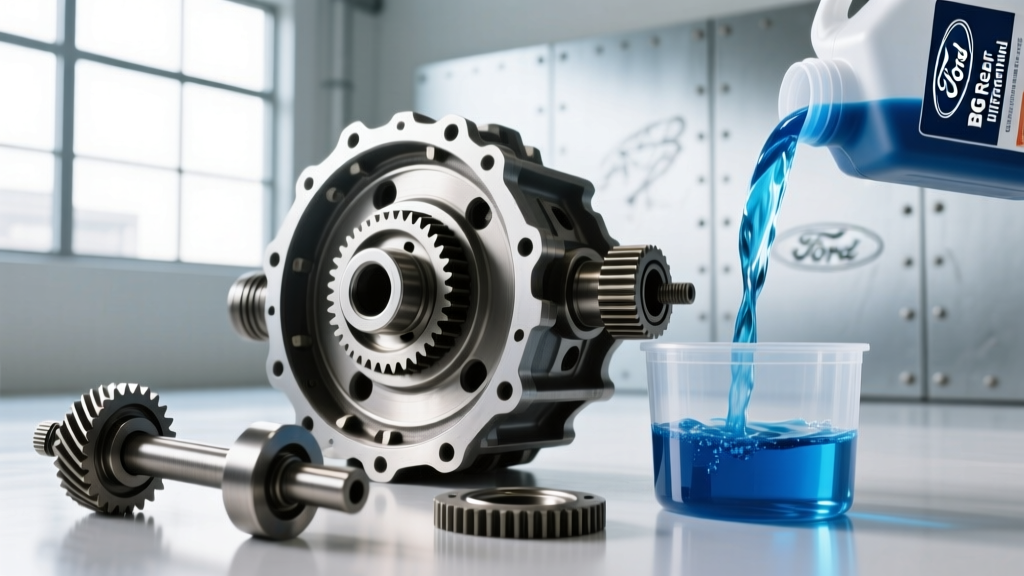
The correct protocol is to fill the axle with a high-quality conventional 80W-90 GL-5 mineral oil for the first 500 miles, keeping speeds under 60 MPH and avoiding heavy loads. After the break-in, the housing must be drained, cleaned, and refilled. This is where executing a comprehensive BG rear differential service becomes the gold standard for drivetrain longevity.
Expert Insight: Never skip the post-break-in flush. The metallic paste generated during the first 500 miles acts like lapping compound. If left in the housing, it will accelerate bearing wear and score the carrier journals.
Why Choose BG Synthetic All Gear Universal?
BG Products formulates their lubricants specifically to handle extreme shear loads and high-temperature differentials. For the post-break-in BG rear differential service, you will need:
- BG Synthetic All Gear Universal (75W-90): Exceeds API GL-5 and MT-1 specifications, offering exceptional thermal stability for the Ford 8.8, which is notorious for running hot under heavy towing loads.
- BG Synthetic All Gear Universal Plus (75W-140): Recommended if the truck is subjected to continuous heavy towing (over 8,000 lbs) or extreme off-road abuse.
- BG Limited Slip Additive (Friction Modifier): If your 8.8 is equipped with a Ford Trac-Lok or an aftermarket clutch-type limited-slip differential (LSD), you must add exactly 4 ounces of friction modifier to prevent clutch chatter during tight cornering.
To perform the service, remove the differential cover, scrape the mating surface clean of old RTV silicone, and wipe the interior with a lint-free shop towel. Do not use brake cleaner on the ring gear, as it can strip the protective phosphate coating from the new gears. Apply a continuous bead of high-temp black RTV, reinstall the cover, and fill with 2.2 to 2.5 quarts of the BG synthetic fluid until it reaches the bottom of the fill plug threads.
Torque Specifications and Clearances
Precision torque application is non-negotiable. Always use a calibrated torque wrench and apply the appropriate threadlocker where specified.
- Ring Gear Bolts (1/2'-20): 85 lb-ft (Apply medium-strength Loctite 243 to threads).
- Carrier Bearing Cap Bolts: 95 lb-ft (Ensure caps are installed in their original orientation; they are line-bored from the factory).
- Pinion Nut: 160-260 lb-ft (Torque to achieve 16-24 in-lbs of rotational preload on a new crush sleeve).
- Differential Cover Bolts (5/16'-18): 28 lb-ft (Use a star-pattern tightening sequence to prevent cover warping).
- Axle Shaft Flange Nuts (if equipped with 9.75/Super 8.8): 250 lb-ft.
Cost Breakdown: Is the Upgrade Worth It?
Swapping gears in a Ford 8.8 requires specialized tools, including a hydraulic press, dial indicator, and inch-pound torque beam. Here is a realistic cost breakdown for a professional installation in 2026:
| Component / Service | Estimated Cost (USD) |
|---|---|
| Motive Gear 3.73 Ring & Pinion Kit | $280 - $340 |
| Master Rebuild Kit (Timken Bearings, Seals, Shims) | $160 - $210 |
| Solid Pinion Spacer Eliminator Kit | $45 - $65 |
| BG Synthetic Fluid & Friction Modifier | $75 - $95 |
| Professional Machine Shop / Labor (4-6 Hours) | $600 - $900 |
| Total Estimated Investment | $1,160 - $1,610 |
While the upfront cost of a gear swap and subsequent BG rear differential service is significant, the return on investment regarding drivetrain preservation, transmission longevity, and daily drivability is undeniable. By restoring the truck's mechanical advantage, you reduce strain on the 10R80 transmission clutches and the engine's rotating assembly, proving that true performance starts at the contact patch and works its way back to the crankshaft.