Does Ford F150 Have Locking Differential Hardware? (Trim & Axle Breakdown)
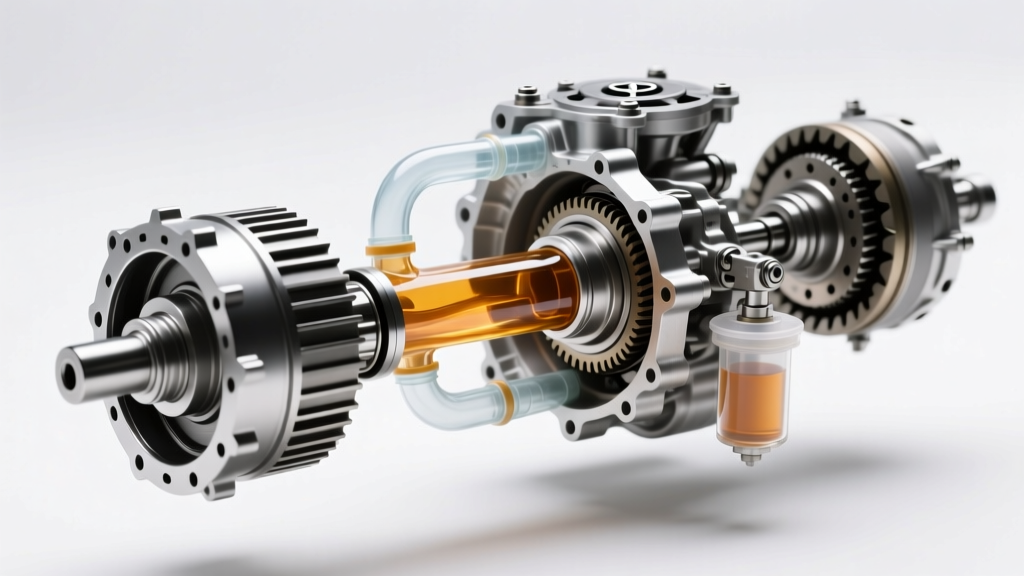
When truck owners and off-road enthusiasts ask, "does ford f150 have locking differential" capabilities from the factory, the answer depends entirely on the trim package, axle code, and model year. For the 14th-generation F-150 (2021–2026), Ford offers an Electronic Locking Rear Differential (E-Locker) as standard equipment on the FX4 Off-Road Package, Tremor, and Raptor trims. This system uses an electromagnetic actuator to engage a dog-clutch mechanism, physically locking the left and right axleshafts together for maximum traction in low-grip environments.
Conversely, standard XLT and Lariat trims typically feature an open differential or a traditional clutch-pack Limited Slip Differential (LSD), depending on the tow package and axle ratio selected. Furthermore, high-performance trims like the Tremor and Raptor feature a Torsen front differential, which utilizes a gear-driven torque-biasing mechanism rather than a traditional clutch pack. Understanding exactly which hardware sits between your rear wheels is the critical first step before draining a single drop of gear oil, as the internal mechanics dictate your fluid viscosity and additive requirements.
Viscosity Shifts: The 75W-85 vs. 75W-140 Debate
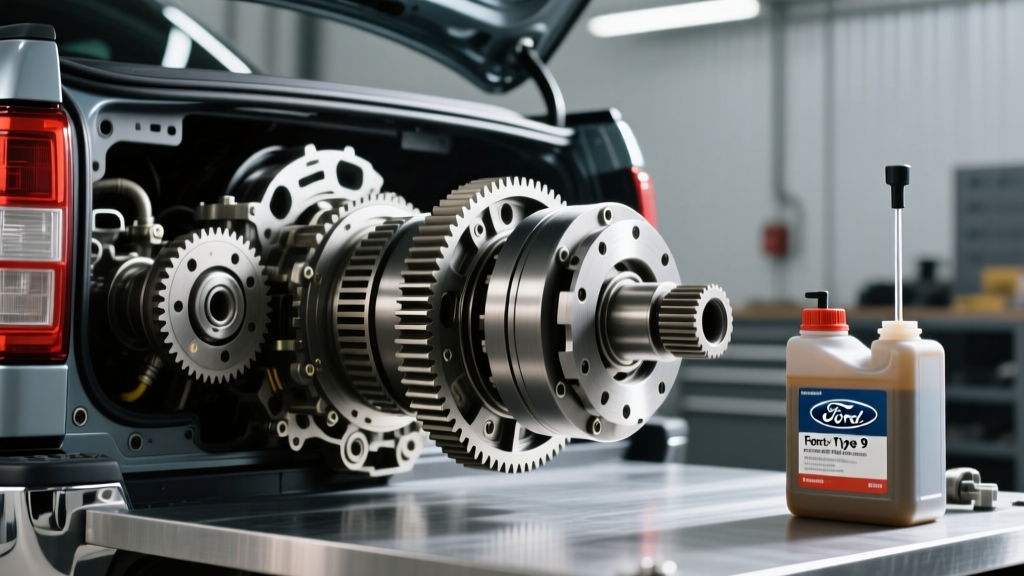
Over the last decade, Ford has aggressively pursued CAFE (Corporate Average Fuel Economy) compliance, resulting in a major shift in factory differential fluid specifications. Older F-150s with the 9.75-inch Sterling rear axle were universally filled with heavy SAE 75W-140 synthetic gear oil. However, for many 2015–2026 F-150s equipped with the standard 3.5L EcoBoost or 5.0L Coyote V8 and standard tow packages, Ford transitioned to SAE 75W-85 Synthetic Gear Lubricant (meeting Ford WSS-M2C942-A specifications).
Why the change? Thinner 75W-85 fluid reduces parasitic drag and churning losses inside the hypoid gear set, yielding marginal but measurable improvements in highway fuel economy. However, if your F-150 is equipped with the Max Trailer Tow Package, the Heavy-Duty Payload Package, or if you frequently tow loads exceeding 8,000 lbs, Ford engineering still mandates SAE 75W-140 Synthetic (WSS-M2C939-A). The thicker 140-weight oil maintains a robust hydrodynamic lubrication film under the extreme shear forces and thermal loads generated by heavy towing, preventing metal-on-metal contact on the ring and pinion gears.
The Friction Modifier Myth: E-Locker vs. Clutch-Pack LSD
One of the most common points of confusion in the F-150 drivetrain community revolves around friction modifiers. If your truck is equipped with a traditional Ford Traction-Lok (a clutch-pack style LSD found in older models or specific aftermarket setups), you must add a friction modifier like Motorcraft XL-3. Without it, the clutch packs will bind and chatter during low-speed cornering, leading to premature wear and an unsettling vibrating sensation.
However, the modern Ford Electronic Locking Differential (E-Locker) does not use clutch packs to manage wheel speed differentiation; it uses a mechanical dog-clutch collar that is either fully engaged or fully disengaged. Therefore, the E-Locker does not require a friction modifier. Similarly, the Torsen front differential found in the Tremor and Raptor relies on helical gear torque biasing, which also operates perfectly without friction modifiers. Adding unnecessary esters to an E-Locker or Torsen axle won't necessarily destroy the hardware, but it is a waste of money and can slightly alter the fluid's base viscosity. Always check your axle tag or build sheet (via the Ford window sticker or OASIS system) to confirm your exact differential type before mixing additives.
Ford F-150 Axle Fluid Capacities & Specifications Table
To execute a proper differential service, you must match the correct fluid volume and specification to your specific axle housing. Below is the definitive 2026 reference chart for the most common F-150 axle configurations:
| Axle Type & Application | Ring Gear Size | Fluid Capacity | Recommended Viscosity | Ford WSS Spec |
|---|---|---|---|---|
| Front IFS (4x4 Models) | Super 8.8" / Dana 44 | 1.5 Quarts (1.4L) | 75W-85 Synthetic | WSS-M2C942-A |
| Rear (Standard / EcoBoost) | 8.8" or 9.75" | 1.8 - 2.25 Quarts | 75W-85 Synthetic | WSS-M2C942-A |
| Rear (Max Tow / HD Payload) | 9.75" Sterling | 2.25 Quarts (2.1L) | 75W-140 Synthetic | WSS-M2C939-A |
| Rear (Raptor / Tremor) | Dana 60 / 9.75" | 2.5 - 3.0 Quarts | 75W-140 Synthetic | WSS-M2C939-A |
Note: Always fill until the fluid level is exactly even with the bottom of the fill plug hole. Overfilling can cause fluid aeration, leading to foaming, increased internal pressure, and blown axle seals.
2026 Buyer’s Guide: Top Synthetic Gear Oils for F-150 Axles
When selecting a replacement gear oil, you need a lubricant with high shear stability, excellent thermal resistance, and extreme pressure (EP) additives like Zinc Dialkyldithiophosphate (ZDDP) or Phosphorus to protect the sliding friction surfaces of hypoid gears. Here are the top three contenders for the modern F-150:
1. Motorcraft SAE 75W-140 Synthetic Rear Axle Lubricant (Part# XL-140-500)
The OEM standard for heavy-duty applications. Motorcraft’s formulation is specifically engineered to meet Ford’s stringent WSS-M2C939-A requirements. It provides exceptional protection for the 9.75-inch ring gear under heavy towing loads. Cost: ~$18 per quart. Best for: Purists, warranty compliance, and Max Trailer Tow package owners.
2. AMSOIL Severe Gear 75W-90 Synthetic (Part# SVG)
While Ford specifies 75W-85 or 75W-140, many enthusiast owners opt for AMSOIL Severe Gear 75W-90. This fluid bridges the gap, offering a thicker protective film than the factory 75W-85 for off-road use, while avoiding the parasitic drag of the 140-weight. Its synthetic base stocks resist thermal breakdown far beyond conventional oils, making it a favorite for FX4 owners who split their time between highway commuting and trail riding. Cost: ~$24 per quart. Best for: FX4 off-roaders and mixed-use trucks.
3. Royal Purple Max Gear 75W-140 (Part# 01514)
Royal Purple utilizes their proprietary Synerlec additive technology, which creates a micro-thin, high-strength film on gear surfaces. This is particularly beneficial for the Dana 60 and upgraded 9.75" axles found in the Raptor and Tremor trims, where shock loads from high-speed desert running or rock crawling can momentarily break the hydrodynamic fluid wedge. Cost: ~$26 per quart. Best for: High-horsepower builds, Raptor owners, and extreme shock-load environments.
Service Procedures: Torque Specs, RTV, and Drain Plugs
Servicing the differentials on a 2015–2026 F-150 requires attention to detail, particularly regarding fastener torque and sealing surfaces. The front independent front suspension (IFS) differential features traditional 3/8-inch square drive drain and fill plugs. Always remove the fill plug first before draining the fluid; if the fill plug is seized or stripped, you do not want to be left with an empty differential and no way to refill it. Torque the front plugs to 33 lb-ft (45 Nm).
The rear 9.75-inch axle typically utilizes a removable differential cover secured by ten 10mm bolts. Unlike older axles that used pre-cut cork or rubber gaskets, modern Ford Sterling axles require a continuous bead of Silicone RTV Sealant (Motorcraft TA-1-B or equivalent black/grey RTV). When reinstalling the cover:
- Scrape all old RTV from the housing and cover using a plastic gasket scraper to avoid scoring the mating surfaces.
- Clean both surfaces with brake parts cleaner and allow them to dry completely.
- Apply a 3mm continuous bead of RTV to the cover, circling each bolt hole.
- Install the cover and hand-thread the M10x1.5 bolts.
- Torque the cover bolts in a crisscross pattern to 33 lb-ft (45 Nm).
- Allow the RTV to cure for at least 60 minutes before filling with gear oil to prevent the fluid from washing out the uncured silicone.
Finally, inspect the magnetic drain plug (if equipped) or the internal differential magnet. Fine metallic paste is normal wear for hypoid gears, but large chunks or metallic shards indicate catastrophic bearing or gear failure requiring a full rebuild. By matching the correct fluid specification to your exact F-150 axle configuration, you ensure maximum longevity, whether you are crawling over boulders in an E-Locker equipped FX4 or towing a 10,000 lb camper across the country.