The Crucial Link Between Fluid Condition and Axle Seals
In the realm of drivetrain preventive maintenance, differential fluid is often the most neglected component. While modern synthetic gear oils are engineered to withstand extreme shearing forces and high thermal loads, they are not immortal. By 2026, with the average curb weight of trucks and SUVs climbing well past 5,000 pounds due to hybrid batteries and advanced towing packages, the thermal stress placed on hypoid ring and pinion gears has never been higher. Understanding the color and condition of your gear oil is not just about ensuring smooth operation; it is the primary diagnostic tool for predicting seal failures and avoiding a catastrophic, expensive rear differential leak fix down the road.
How Degraded Fluid Triggers the Need for a Rear Differential Leak Fix
Most enthusiasts do not realize that fluid condition directly impacts the physical integrity of your axle seals. The differential housing is not a sealed vacuum; it features a breather tube (usually located on the upper axle tube or differential cover) to equalize internal pressure as the gear oil heats up and expands during operation.
When gear oil is neglected, the extreme pressure (EP) additives deplete, and the fluid oxidizes into a thick, tar-like sludge. This sludge migrates into the breather tube and clogs it. Once the breather is blocked, the differential becomes a pressure vessel. As the housing reaches operating temperatures of 180°F to 220°F, the expanding air and fluid have nowhere to go. This immense internal hydraulic pressure forces gear oil past the path of least resistance: the pinion seal or the axle shaft seals. What started as a simple fluid degradation issue quickly escalates, forcing you to perform a complete rear differential leak fix, replace ruined brake shoes contaminated by oil, and source new seals.
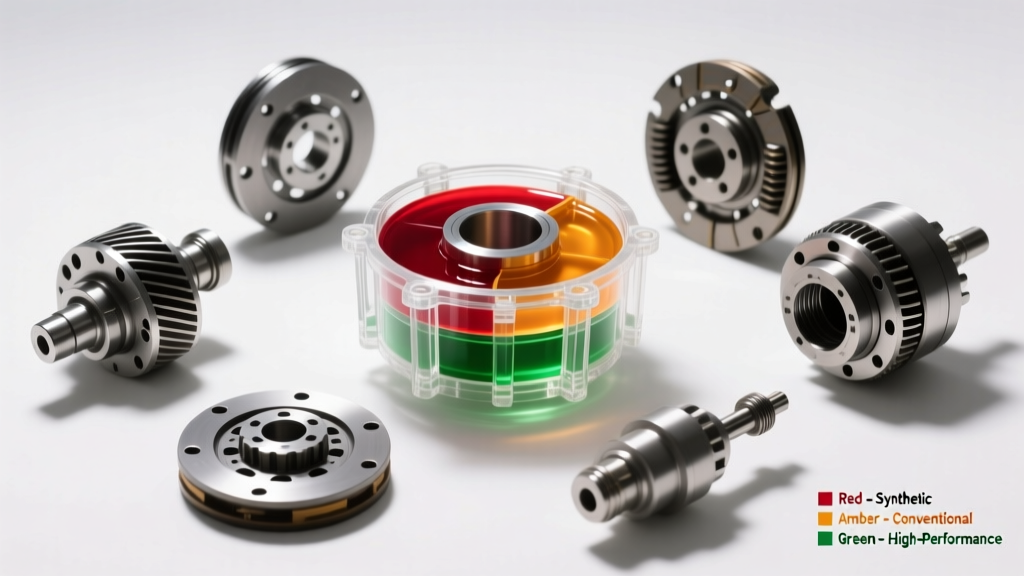
Decoding Differential Fluid Color: A Visual Diagnostic Chart
Before you drain the housing, pull the fill plug and extract a sample using a clean syringe or a bent zip-tie. Compare your sample against this diagnostic matrix to determine your axle's health.
| Fluid Color / Appearance | Odor | Diagnostic Meaning | Required Action |
|---|---|---|---|
| Clear Amber to Honey | Mild, chemical/sulfur | Healthy, additives intact | Routine monitoring; check breather |
| Opaque Dark Brown | Burnt toast / acrid | Thermal breakdown, oxidation | Immediate drain, flush, and refill |
| Jet Black with Sludge | Rotting eggs / heavy sulfur | Severe EP additive depletion, sludge | Flush, clean breather, inspect seals |
| Milky / Chocolate Milk | Damp, musty | Water intrusion (emulsification) | Locate leak source, flush, replace fluid |
| Grey with Glitter/Flakes | Metallic / burnt | Bearing or gear tooth degradation | Drop cover, magnetic sweep, rebuild |
Amber to Honey: The Baseline for Healthy Gear Oil
Fresh 75W-90 or 75W-140 synthetic gear oil typically presents as a clear, translucent amber or golden honey color. The distinct sulfur-like odor is normal and indicates the presence of sulfur-phosphorus EP additives required to protect the sliding friction surfaces of hypoid gears. If your fluid looks like this, your primary preventive task is simply to ensure the axle breather cap is free of mud and debris.
Dark Brown or Black: Thermal Breakdown and Sludge
When fluid turns opaque brown or black and loses its translucency, the base oils have oxidized. This is common in vehicles used for heavy towing or frequent stop-and-go city driving where the differential never reaches optimal temperature to burn off condensation, or conversely, gets too hot during highway hauling. Black sludge will inevitably clog the differential breather valve. Clearing the breather hose with compressed air and performing a fluid swap is mandatory to prevent the pressure buildup that necessitates a rear differential leak fix.
Milky or Chocolate Milk: Water Intrusion
A milky appearance means water has mixed with the gear oil, creating an emulsion. Water destroys the load-bearing film of the oil, leading to rapid pitting on the ring and pinion gears. This usually occurs from submerging the axle in water (common in off-roading) while the housing is hot, which creates a vacuum that sucks water past the axle seals or a cracked breather hose. If you see this, inspect your axle shaft seals immediately, as they are likely compromised.
Glitter and Metal Flakes: Impending Catastrophic Failure
Fine metallic glitter is somewhat normal on a magnetic drain plug after the first 15,000-mile break-in period. However, if you pull the cover and find large, jagged metal flakes or chunks of cast iron/steel pooled at the bottom, your carrier bearings or pinion bearings are disintegrating. No fluid change will save this axle; a full teardown and rebuild are required.
Preventive Maintenance: Fluid Specs, Capacities, and Torque Specs
To maintain optimal seal health and gear protection, you must use the correct API GL-5 rated fluid and adhere strictly to manufacturer torque specifications. Over-torquing differential cover bolts will warp the mounting flange, guaranteeing a leak that mimics a failed seal.
- Ford 8.8-Inch Solid Axle: Requires approximately 2.5 to 3.0 pints of 75W-90 Synthetic. If equipped with a Trac-Lok limited-slip differential, you must add 4 oz of XL-3 Friction Modifier (or equivalent) to prevent clutch chatter. Cover bolt torque: 20-25 lb-ft.
- Dana 44 / Spicer 44: Capacity is roughly 2.0 to 2.5 quarts depending on the specific housing and cover depth. Use 75W-90 or 80W-90 GL-5. Cover bolt torque: 15-20 lb-ft (do not exceed 20 lb-ft on older cast-iron covers to avoid snapping the bolts).
- GM 9.5-Inch (14-Bolt Semi-Floating): Capacity is approximately 2.75 quarts. Requires 75W-90 Synthetic. If equipped with the G80 Eaton locker, do not use friction modifiers, as they can interfere with the locker's engagement mechanism. Cover bolt torque: 25 lb-ft.
For premium fluid choices that resist thermal breakdown and sludge formation, consult Red Line Oil's 75W90 specifications or opt for Mobil 1 Delvac Synthetic Gear Lube, both of which offer superior shear stability compared to conventional mineral oils.
Step-by-Step Fluid Inspection Protocol
- Warm the Axle: Drive the vehicle for 15-20 minutes to bring the gear oil to operating temperature. This suspends contaminants and allows for a complete drain.
- Check the Breather First: Before opening the housing, locate the breather tube on the axle tube. Pull the cap and ensure it is not packed with dirt or sludge. Clean it with brake cleaner and compressed air.
- Extract a Sample: Remove the fill plug (usually a 3/8-inch or 1/2-inch square drive, or a 15mm hex). Insert a clean tube to extract a sample for visual and olfactory inspection.
- Drain and Inspect: Remove the drain plug (if equipped) or loosen the bottom cover bolts to drain the fluid into a pan. Inspect the magnetic plug for excessive metallic debris.
- Clean and Seal: Scrape the old RTV or gasket material from the cover and housing using a plastic scraper (avoid metal scrapers that can gouge the mating surface). Apply a 1/4-inch bead of high-temp RTV silicone (like Permatex Ultra Black) or install a new cork/rubber gasket.
- Refill to the Brim: Fill the differential until the fluid level is exactly at the bottom edge of the fill plug hole. Reinstall the plug and torque to 15-30 lb-ft depending on thread pitch.
Sourcing the Right Seals and Gaskets
If your fluid inspection reveals that a seal has already failed due to previous pressure buildup or age, you must address it immediately. When sourcing parts for a rear differential leak fix, avoid unbranded, cheap seals that use inferior nitrile rubber which hardens and cracks within a year. Instead, rely on OEM-equivalent manufacturers. You can cross-reference part numbers via RockAuto's differential seal catalog to find the best pricing.
- Pinion Seals: For the Ford 8.8, the National 8660S or Timken 710983 are industry standards. Expect to pay $15 to $25 for the part. Replacing it requires a pinion seal puller and a specialized installer tool to avoid cocking the seal in the bore.
- Axle Shaft Seals: For semi-floating axles, you must remove the wheels, brake calipers/rotors, and differential cover to access the C-clips or retaining plates that hold the axle shafts in place. The National 8835S is a common replacement for many GM and Chrysler axles, costing around $10 to $18 each.
- Gaskets and RTV: Fel-Pro and Lube Locker manufacture excellent reusable, oil-resistant rubber-coated steel gaskets for the Dana 44 and Ford 8.8, eliminating the messy RTV cleanup process and costing roughly $25 to $35.
For comprehensive teardown procedures and torque sequences for specific axle models, always refer to the Dana Spicer axle service manuals or your vehicle manufacturer's official service documentation. By treating your differential fluid as a vital diagnostic fluid rather than just a lubricant, you can easily add 100,000+ miles to your axle's lifespan and keep your garage floor clean.