Introduction to the Focus ST FWD Architecture
The 2013-2018 Ford Focus ST remains a benchmark in the hot hatch segment, but as these vehicles age well into 2026, the high-torque 2.0L EcoBoost engine puts immense, compounding stress on the front-wheel-drive layout. Diagnosing issues in the Ford Focus ST drivetrain requires precise component identification. Unlike the Focus RS, which utilizes a complex GKN Twinster all-wheel-drive system, the ST relies on a robust but traditional FWD setup centered around the Getrag MMT6 (IB6) 6-speed manual transmission. Misdiagnosing a drivetrain clunk or vibration can lead to unnecessary transmission rebuilds when the true culprit is often a degraded mount, a worn shift cable bushing, or a failing intermediate shaft bearing. This guide provides a master-level breakdown of component identification, symptom isolation, and exact factory specifications.
Anatomy of the Focus ST Drivetrain Components
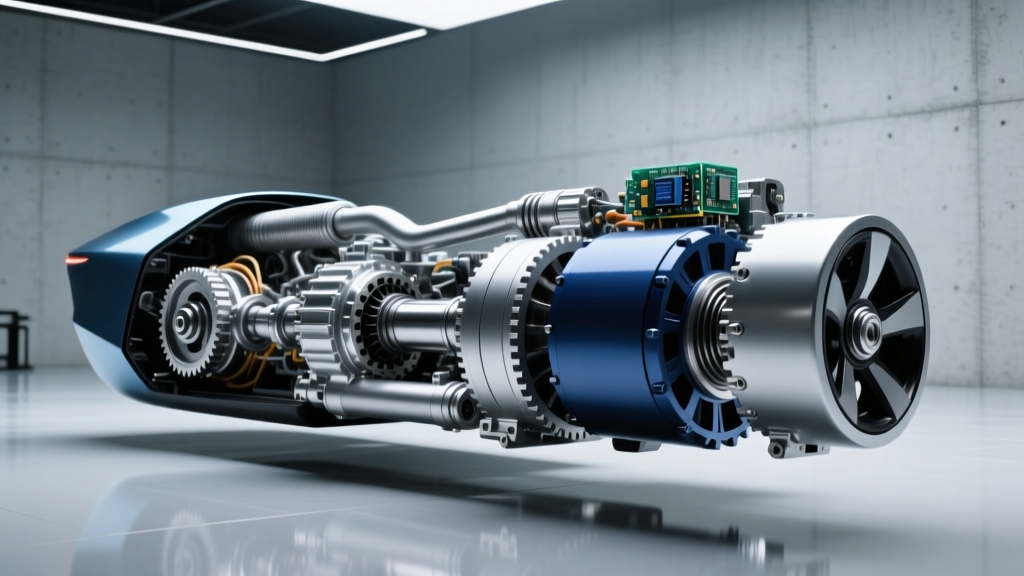
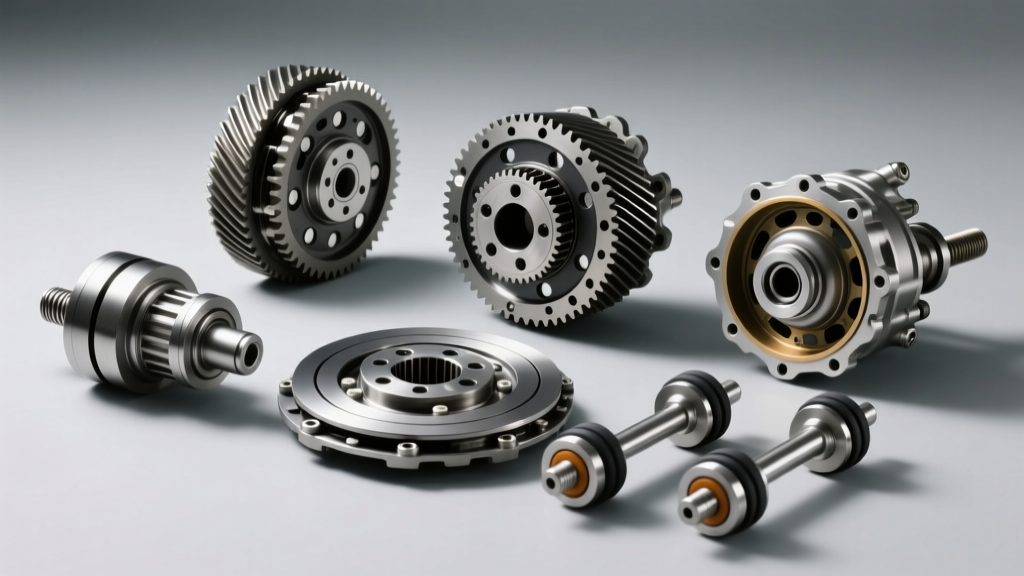
Before wrenching, you must accurately identify the specific hardware bolted to your EcoBoost block. The Focus ST drivetrain consists of several critical sub-assemblies that translate 252 hp and 270 lb-ft of torque to the front wheels.
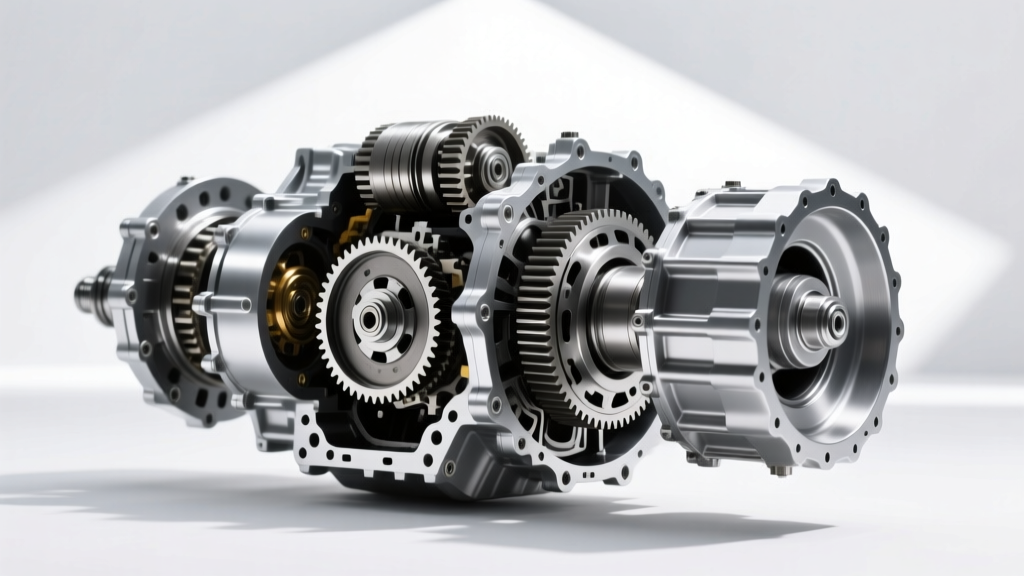
Getrag MMT6 (IB6) Transmission & Differential
The IB6 is a front-wheel-drive transaxle featuring an integrated open differential. Ford relies on Torque Vectoring Control (brake-based) rather than a mechanical limited-slip differential (LSD) to manage inside-wheel spin. The housing is aluminum, and the internal shift forks are notorious for wearing if the transmission fluid is neglected. The reverse gear is a non-synchronized straight-cut design, which requires a complete stop to engage without grinding.
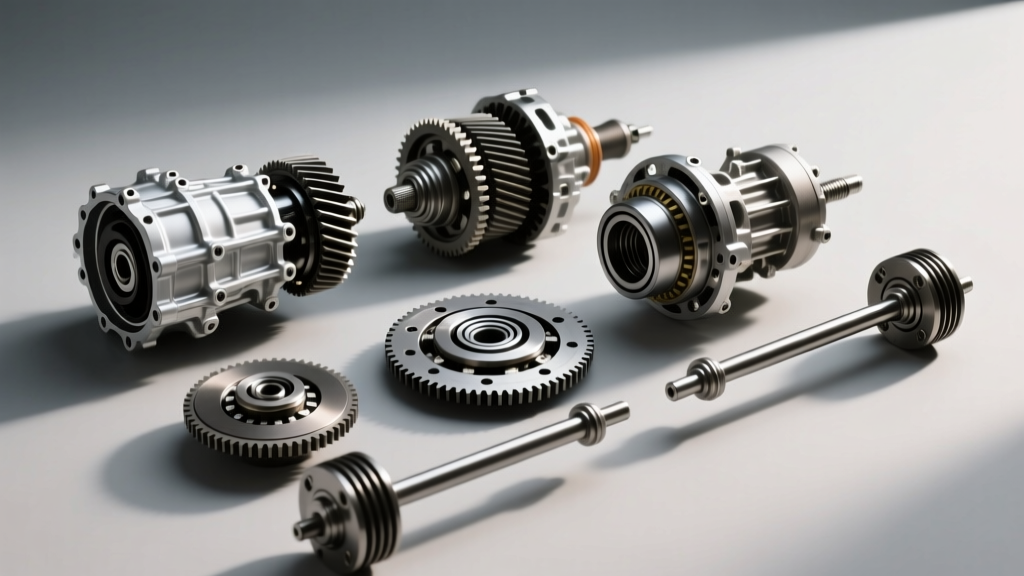
CV Axles & Intermediate Shaft (Half-Shaft)
To combat torque steer, Ford engineered the passenger-side axle to match the driver-side axle's length. This is achieved using a shorter passenger-side CV axle that connects to an intermediate shaft. This shaft is supported by a bracket and a sealed ball bearing bolted to the rear of the engine block. The outer CV joints are Rzeppa (ball-type) for steering articulation, while the inner joints are tripod-style to allow for suspension plunge and thermal expansion.
Dual Mass Flywheel (DMF) & Concentric Slave Cylinder (CSC)
The Focus ST uses a DMF to dampen the harsh torsional vibrations of the 2.0L EcoBoost. The clutch actuation is handled by a hydraulic Concentric Slave Cylinder (CSC) that wraps around the transmission input shaft, eliminating the need for a traditional throwout bearing and clutch fork.
Symptom-to-Component Diagnostic Matrix
Use the following matrix to cross-reference your vehicle's behavior with the likely failed component. This prevents the common 'parts cannon' approach that plagues FWD turbo builds.
| Symptom | Trigger Condition | Primary Suspect Component | Secondary Suspect |
|---|---|---|---|
| Sharp metallic clunk | Lifting off throttle in 1st/2nd gear | Rear Motor Mount (RMM) | Shift cable bracket bushings |
| High-speed vibration (80+ MPH) | Under heavy load / acceleration only | Inner CV Joint (Tripod) | Intermediate shaft support bearing |
| Chatter or shudder on takeoff | Releasing clutch pedal in 1st gear | Dual Mass Flywheel (DMF) | Contaminated clutch friction disc |
| Sloppy shift feel / missed 3rd gear | Fast shifts under high boost | Shift cable end bushings | Worn IB6 shift tower detents |
| Clicking on tight turns | Full steering lock at low speeds | Outer CV Joint (Rzeppa) | Debris inside CV boot |
Deep-Dive Troubleshooting: Isolating the Failure
1. Diagnosing Drivetrain Clunks and Shift Bushing Degradation
The most common complaint on aging Focus STs is a harsh clunk during 1-2 shifts or when abruptly lifting off the throttle. While many owners immediately suspect internal transmission damage or a failing DMF, the root cause is frequently the shift cable bushings and the Rear Motor Mount (RMM). The OEM shift cable uses a soft rubber bushing at the transmission shift tower. By 2026, virtually all OEM rubber bushings have disintegrated, causing excessive slop that translates into a metallic clunk as the cable slaps against the bracket. Fix: Install a polyurethane or Delrin shift cable bushing insert (e.g., Bushing Fix or Steeda). If the clunk persists under throttle lift, inspect the RMM. Upgrading to a polyurethane RMM (like those from Boomba Racing) eliminates the deflection but will increase NVH (Noise, Vibration, and Harshness) in the cabin.
2. Isolating High-Speed Load Vibrations
If your Focus ST vibrates violently through the floorboard at highway speeds, but only when applying throttle, you are dealing with a driveline angularity or wear issue. First, rule out wheel balance (which vibrates regardless of throttle position). Next, inspect the intermediate shaft support bearing. Lift the vehicle on a hoist, run the car in 4th gear, and use a stethoscope on the intermediate shaft bracket. A roaring or grinding noise confirms bearing failure. If the bearing is quiet, check the inner tripod CV joints for pitting on the roller bearings and the housing race. Inner joints fail from heat and lack of lubrication, causing a binding effect that manifests as a shudder under load.
3. DMF Failure vs. CSC Leaks
A failing Dual Mass Flywheel will exhibit a distinct 'clack-clack' rattle at idle that disappears when the clutch pedal is depressed (loading the release bearing). If you experience clutch chatter, you must pull the IB6 transmission. According to parts data from RockAuto, the LuK RepSet (Part #600 0036 00) is the OEM standard. Critical Warning: When replacing the DMF and clutch, you must also replace the CSC. Furthermore, the Ford Focus ST hydraulic clutch system is notoriously difficult to bleed. You must use a pressure bleeder or perform a manual gravity bleed while physically depressing the CSC piston with a specialty tool to ensure all air is purged from the master cylinder line.
Essential Torque Specs & Fluid Capacities
Proper reassembly is critical to the longevity of the Ford Focus ST drivetrain. Always use new torque-to-yield fasteners where specified. Reference the Ford Motor Company Support portal or factory service manuals for the most up-to-date revisions.
- Transmission Fluid: Castrol Transmax Dual (formerly Syntrans V FE 75W-80). Capacity: 1.9 Liters (2.0 US Quarts). Drain/Fill Plug Torque: 35 lb-ft (47 Nm).
- Front Axle Spindle Nut (M14x1.5): Torque-to-Yield. Initial torque: 221 lb-ft (300 Nm), followed by an additional 90-degree turn. Never reuse the old nut.
- Intermediate Shaft Support Bracket Bolts: 35 lb-ft (47 Nm).
- Flywheel to Crankshaft Bolts: 85 lb-ft (115 Nm). Use new OEM Ford bolts and apply a medium-strength threadlocker.
- Clutch Pressure Plate to Flywheel: 22 lb-ft (29 Nm) in a star pattern.
- Transmission to Engine Block Bellhousing Bolts: 35 lb-ft (47 Nm) for M10 bolts; 18 lb-ft (25 Nm) for M8 bolts.
Conclusion
Maintaining the Ford Focus ST drivetrain as these vehicles surpass the 10-year mark requires moving beyond generic OBD2 scans and relying on mechanical sympathy and precise component identification. By understanding the relationship between the Getrag IB6, the intermediate shaft, and the hydraulic clutch system, you can accurately diagnose vibrations, clunks, and shift issues. For further community-driven troubleshooting and long-term reliability data, enthusiast archives like FocusST.org remain an invaluable resource for EcoBoost owners keeping the FWD hot hatch legacy alive on the streets and tracks.