Understanding the Clutch Actuator: Cars vs. Powersports
When beginners enter the world of transmission diagnostics, the term "clutch actuator" can cause massive confusion. Are we talking about the electronic modules found in commuter cars, or the mechanical linkages on a dirt bike? To build a rock-solid foundation in clutch system diagnostics, we are going to compare a notorious automotive failure point—the 2012 Ford Focus clutch actuator—against the mechanical, oil-bathed clutch systems found in motorcycles and ATVs. By understanding how these vastly different systems fail, you will learn exactly how to diagnose slipping, dragging, and notchy engagement on your powersports machines.
The Automotive Baseline: The 2012 Ford Focus Clutch Actuator
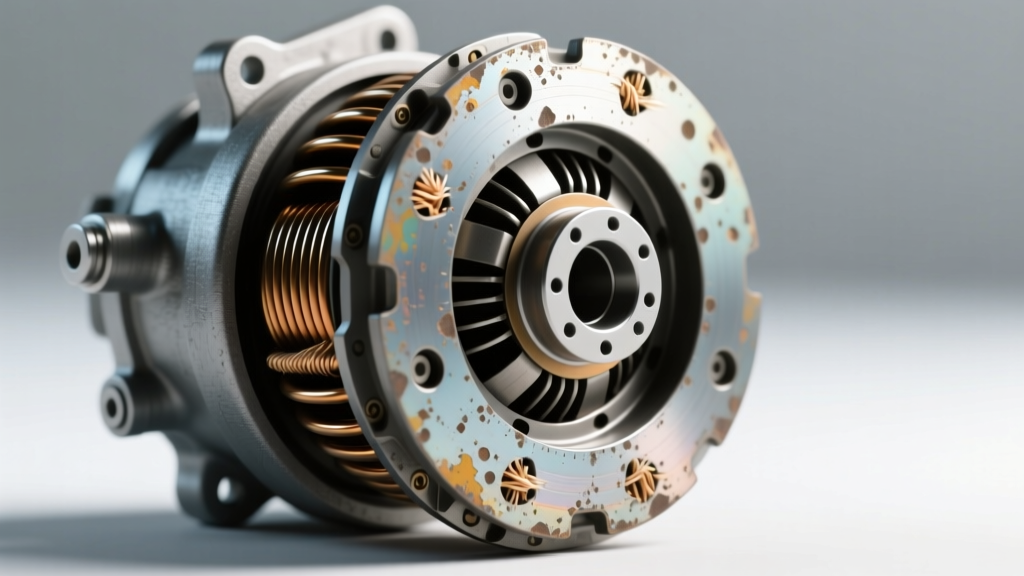
The 2012 Ford Focus utilizes the infamous DPS6 6-speed dry dual-clutch transmission. In this setup, the "clutch actuator" is actually an externally mounted Transmission Control Module (TCM) that houses electric shift motors and actuator arms. These arms physically push the throwout bearings to engage the two dry clutch packs.
- Common Failure: The dry clutches generate immense friction dust during stop-and-go traffic. Over time, this conductive dust breaches the TCM seals, shorting out the internal PCB and burning out the actuator motors. Additionally, the TCM is mounted directly to the hot transmission casing, leading to thermal degradation of the internal sensors.
- Part Number: AU8Z-7C600-AE (or the latest OEM revision).
- 2026 Replacement Cost: $950 - $1,300 for the TCM/actuator assembly, plus mandatory dealer programming and clutch relearn procedures.
This system is a sealed, computerized nightmare for DIYers. However, when we transition to motorcycles and ATVs, the clutch actuator becomes a beautifully simple, purely mechanical or hydraulic device that you can diagnose and rebuild in your own garage with basic hand tools.
Motorcycle and ATV Clutch Systems: A Mechanical Reality
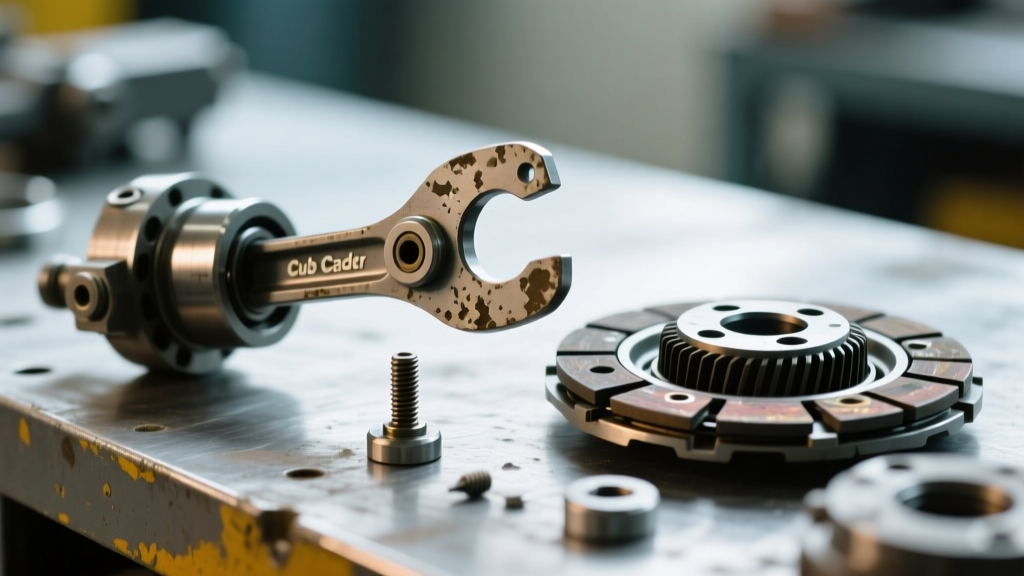
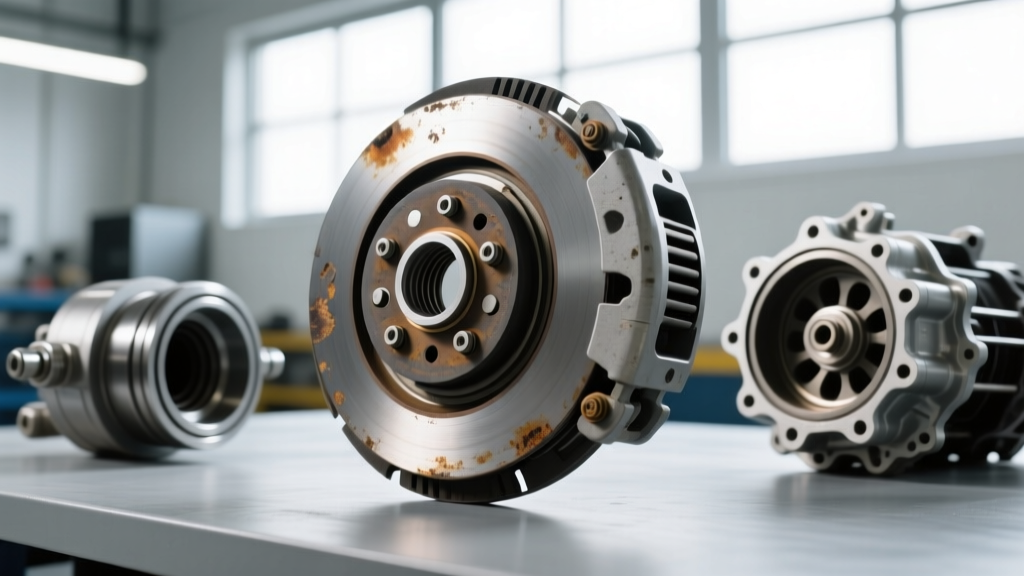
Unlike the dry, electronically actuated Ford DPS6, almost all manual motorcycles and sport ATVs (like the Yamaha YFZ450 or Honda TRX450R) use a wet, multi-plate clutch. This means the friction plates and steel plates are submerged in engine oil. The "actuator" in this context refers to the mechanism that translates your finger pull at the lever into physical pressure on the clutch pressure plate.
Types of Powersports Clutch Actuators
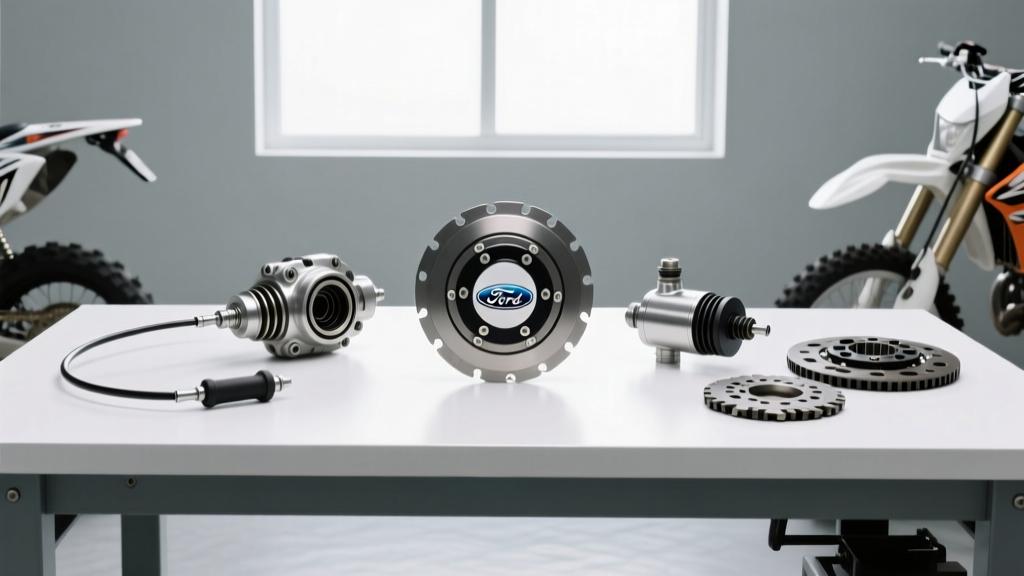
- Cable-Actuated Worm Gear: Common on Honda, Kawasaki, and Yamaha dirt bikes. Pulling the cable rotates a worm gear inside the right crankcase cover, pushing a hardened steel rod (pushrod) through the transmission main shaft to separate the plates.
- Hydraulic Master/Slave Cylinders: Found on KTM, Husqvarna, and high-end sport ATVs. Fluid pressure pushes a piston acting directly on the pressure plate, offering a self-adjusting, buttery-smooth lever feel.
Top 3 Motorcycle & ATV Clutch Symptoms (And How to Fix Them)
Let us dive into the specific clutch problems unique to motorcycles and ATVs, and how to diagnose them like a seasoned transmission specialist.
Symptom 1: Slipping Under Heavy Throttle
The Scenario: You are climbing a steep ATV trail or accelerating out of a corner on your dirt bike. The engine RPMs spike, but the vehicle speed does not increase proportionally.
The Diagnosis: In a wet clutch, slipping is almost always caused by a loss of friction coefficient. While worn friction plates are a culprit, the number one beginner mistake is using the wrong engine oil. Standard automotive oils (API SN/SP) contain friction modifiers like molybdenum designed to improve fuel economy in cars. These modifiers coat motorcycle clutch plates, causing catastrophic slipping.
Pro-Tip: Always verify your oil meets the JASO MA or MA2 standard. JASO MA2 specifically guarantees a high dynamic friction coefficient suitable for wet clutches. A quart of JASO MA2 10W-40 costs roughly $12-$18 in 2026 and can save you a $200 clutch rebuild.
The Fix: Drain the oil and replace it with JASO MA2 oil. If slipping persists, measure your clutch springs with calipers. If the free length is below the manufacturer's service limit (often under 40mm for many 450cc dirt bikes), replace them. Heavy-duty springs (15% stiffer) from brands like ProCom or EBC cost around $25 and cure slippage instantly.
Symptom 2: Notchy Lever Feel and Hard Pulls
The Scenario: Your clutch lever feels stiff, and engagement is abrupt or "notchy" rather than smooth and progressive.
The Diagnosis: This is a hallmark of clutch basket notching. Over thousands of miles, the tangs of the friction plates hammer into the soft aluminum fingers of the outer clutch basket. When you pull the lever, the plates get physically stuck in these gouges, preventing smooth separation.
The Fix: Remove the right crankcase cover and inspect the outer basket. Run a pick tool or your fingernail along the basket fingers. If it catches in a groove, you have notching. For mild notching, you can carefully file the aluminum smooth with a flat mill bastard file. For deep notching, the basket must be replaced or sent out for a billet steel sleeve insert (costing $150-$250). Aftermarket baskets from Hinson or Rekluse feature stainless steel inserts that completely eliminate this issue.
Symptom 3: Clutch Drag and Creeping
The Scenario: The ATV or motorcycle creeps forward while in gear with the clutch lever fully pulled in, or it stalls when coming to a stop.
The Diagnosis: The actuator is not pushing the pushrod far enough to fully separate the plates. This can be caused by a stretched cable, air in a hydraulic line, or a warped steel plate due to excessive heat.
The Fix: Check your lever free play. There should be exactly 10mm to 15mm of free play at the tip of the lever before you feel resistance. If it is too tight, the actuator arm is constantly applying slight pressure, leading to premature pushrod bearing wear and dragging. Adjust the inline barrel adjuster or the actuator arm nut at the crankcase cover to restore the 10-15mm gap.
Spec & Cost Comparison: Automotive vs. Powersports
| Feature | 2012 Ford Focus (DPS6 DCT) | Typical 450cc ATV / Dirt Bike |
|---|---|---|
| Clutch Type | Dry Dual-Clutch | Wet Multi-Plate |
| Actuator Mechanism | Electronic TCM with Shift Motors | Mechanical Worm-Gear or Hydraulic Piston |
| Common Failure Point | TCM Dust Ingress / Motor Burnout | Basket Notching / Glazed Friction Plates |
| Lubrication | None (Dry) / Gear Oil Separate | Shared Engine Oil (JASO MA2 Required) |
| Actuator Replacement Cost | $950 - $1,300+ (Requires Programming) | $25 (Cable) or $180 (Hydraulic Rebuild Kit) |
| Spring Bolt Torque Spec | N/A (Internal to TCM) | 8 - 10 Nm (M6 Bolts with Blue Loctite) |
Beginner Diagnostic Workflow for ATVs and Motorcycles
Follow this exact sequence when diagnosing a powersports clutch complaint to avoid throwing unnecessary parts at the machine.
- Verify Fluid/Cable: Check hydraulic master cylinder fluid level. Use DOT 4 or mineral oil, depending strictly on the manufacturer—KTM uses Magura mineral oil, while Honda and Yamaha use DOT 4. Mixing these will destroy the internal rubber seals. For cables, lubricate with a PTFE dry spray.
- Set Free Play: Adjust lever free play to 10-15mm. This guarantees the pushrod actuator is fully disengaging when parked, preventing warped steel plates.
- Inspect the Actuator Arm: On mechanical systems, remove the right-side cover. Pull the clutch lever and watch the internal actuator arm. It should rotate smoothly. If the internal worm gear rack is stripped (common on older Honda CRF450Rs), the arm will slip under heavy load and require a $40 actuator arm replacement.
- Bleed the System (Hydraulic Only): If the lever feels spongy, crack the banjo bolt at the master cylinder first to release trapped air bubbles before pushing fluid down to the slave cylinder. This prevents air from migrating back into the reservoir.
- Measure the Stack: If the above checks pass, pull the clutch pack. Use calipers to measure the combined thickness of the friction and steel plates. Compare this to the "Clutch Pack Thickness" specification in your factory service manual. If it is 2mm under spec, replace the entire pack.
Final Thoughts on Clutch Actuators
While the 2012 Ford Focus clutch actuator represents the fragile, highly computerized end of automotive transmission design, motorcycle and ATV clutch systems remain a bastion of mechanical purity. By understanding the vital role of JASO MA2 lubrication, maintaining proper lever free play, and keeping an eye out for clutch basket notching, you can diagnose and repair 95% of powersports clutch issues in your own garage. Keep your torque wrench calibrated, use blue Loctite on those M6 spring bolts (torqued precisely to 8-10 Nm), and enjoy the ride.
Sources:
RevZilla: Motorcycle Clutch Cable Adjustment & Maintenance
Rocky Mountain ATV/MC: Diagnosing Clutch Basket Notching
Car and Driver: Ford Focus DPS6 Transmission Actuator & TCM Issues