The Anatomy of Magura Clutch Drag in Custom and OEM Applications
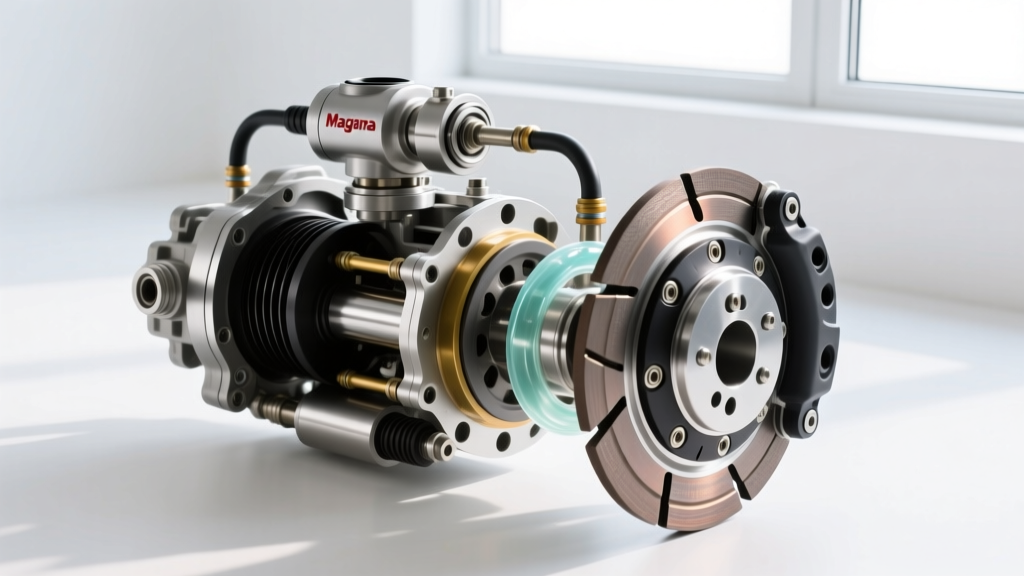
As of 2026, Magura hydraulic clutch master cylinders remain a top-tier choice for restomod builders, EV-swap manual conversions, and classic car hydraulic clutch upgrades. Known for their compact footprint, smooth pedal feel, and adjustable pushrods, Magura units (specifically the 13mm and 15mm automotive series) are frequently paired with high-performance transmissions like the Tremec T56 Magnum or Porsche G50 transaxles. However, a poorly configured Magura system is notorious for clutch drag—a condition where the clutch fails to fully disengage, resulting in grinding gears, difficulty finding neutral, and premature synchro wear.
Clutch drag in a hydraulic system is rarely a single-point failure. It is usually a cascading geometry or fluid dynamics issue. This step-by-step diagnostic guide will walk you through isolating and resolving release problems specific to Magura hydraulic clutch setups.
Diagnostic Symptom Matrix
Before tearing into the firewall or transmission bellhousing, verify that your symptoms align with hydraulic drag rather than mechanical failure or clutch slip.
| Symptom | Likely Cause in Magura Systems | Secondary Check |
|---|---|---|
| Grinding into 1st or Reverse at a stop | Insufficient slave cylinder stroke or internal master bypass | Measure slave travel with a dial indicator |
| Car creeps forward with clutch depressed | Air in the hydraulic line or degraded EPDM seals | Check for fluid weeping at the master pushrod boot |
| Pedal feels firm but clutch won't release | Master cylinder compensating port blocked (pre-loaded pushrod) | Verify 1-2mm free play at the pedal clevis |
| Clutch engages too close to the floor | Worn clutch disc or incorrect slave cylinder preload | Inspect clutch friction material and flywheel step |
Phase 1: Fluid Verification and Seal Compatibility
The most catastrophic mistake builders make with Magura components is fluid mismatch. Magura manufactures both DOT-rated automotive clutch masters and mineral-oil-based motorcycle/bicycle systems. Mixing these fluids will destroy the internal seals, leading to internal bypassing, pressure loss, and severe clutch drag.
Critical 2026 Technical Warning: Never use Magura Royal Blood (Mineral Oil) or any mineral-based fluid in a Magura automotive master cylinder (Part Numbers 280060 or 280061). These automotive units utilize EPDM (Ethylene Propylene Diene Monomer) rubber seals, which are designed exclusively for DOT 4 or DOT 5.1 glycol-based brake fluids. Mineral oil will cause EPDM seals to swell, bind, and ultimately fail to retract, trapping hydraulic pressure and causing the clutch to drag continuously.
Step 1: Locate the master cylinder reservoir cap. Magura automotive masters will explicitly state "DOT 4" or "DOT 5.1".
Step 2: If you suspect contamination (fluid looks milky, cloudy, or the seals are swollen at the pushrod boot), the master cylinder must be rebuilt or replaced. A Magura 13mm rebuild kit (PN 280060-RK) costs approximately $35-$45, while a brand-new 15mm master cylinder (PN 280061) retails around $140-$160 in today's market.
Phase 2: The Math of Slave Cylinder Stroke
Clutch drag often occurs because the master cylinder cannot displace enough fluid volume to achieve the required slave cylinder travel. This is common when pairing a small-bore Magura 13mm master with a large-bore external slave or an internal Hydraulic Release Bearing (HRB) like those from McLeod or Tilton.
Calculating Hydraulic Displacement
To fully release a heavy-duty pressure plate (e.g., a twin-disc setup on a Tremec T56 Magnum), you typically need 0.450" to 0.550" of slave cylinder travel, as outlined in the Tremec official installation guidelines. Let's look at the fluid volume math:
- Magura 13mm Master (0.511" bore): Area = 0.205 sq in. With a typical 1.5" pedal stroke at the master pushrod, it displaces roughly 0.307 cubic inches (5.0 cc) of fluid.
- McLeod 3/4" Slave Cylinder (0.750" bore): Area = 0.441 sq in. To achieve 0.500" of travel, it requires 0.220 cubic inches (3.6 cc) of fluid.
While the 13mm master technically provides enough volume on paper, it leaves virtually zero margin for hydraulic line expansion, air compression, or clutch disc wear. If your system is suffering from drag, Step 3 is to upgrade to the Magura 15mm master cylinder. The 15mm bore displaces roughly 4.2 cc per inch of travel, providing the authoritative volume needed to fully stroke the slave cylinder and eliminate drag.
Phase 3: Pushrod Geometry and the Compensating Port
Inside the Magura master cylinder is a tiny compensating port that connects the reservoir to the pressure chamber. When the pedal is released, the piston retracts past this port, allowing fluid to return to the reservoir. If the clutch pedal is dragging the master piston forward, this port remains blocked. As the engine bay heats up, the trapped DOT 4 fluid expands, applying pressure to the slave cylinder and causing the clutch to drag and slip simultaneously.
Adjusting the Magura Clevis
Step 1: Disconnect the pushrod from the clutch pedal.
Step 2: Screw the adjustable Magura clevis in or out until there is exactly 1.0mm to 2.0mm of free play between the pushrod tip and the master cylinder piston before resistance is felt.
Step 3: Secure the locknut. Torque the M8 locknut to 15 Nm (11 lb-ft).
Step 4: Verify that the master cylinder piston fully bottoms out against the internal snap ring when the pedal is released. If it doesn't, your pedal stop needs adjustment.
Phase 4: The Reverse-Bleed Protocol for Stubborn Air
Air rises. Traditional top-down bleeding often leaves microscopic air bubbles trapped in the high points of the firewall routing or inside the slave cylinder bore. This compressible air acts like a sponge, absorbing pedal travel and resulting in incomplete clutch release (drag).
Tools Required
- Motive Products Power Bleeder or generic reverse syringe
- Fresh Castrol SRF or Motul RBF 600 DOT 4 fluid
- 10mm line wrench (to avoid rounding soft bleeder nipples)
- Dial indicator with magnetic base
Step-by-Step Reverse Bleeding
1. Prep the Slave: Attach your reverse bleeder hose to the slave cylinder bleeder screw. Ensure the bleeder screw is pointing upwards. If using an internal HRB, ensure the line is routed without high-point loops.
2. Inject Fluid: Slowly push fresh DOT 4 fluid from the slave up to the Magura master cylinder reservoir. Watch the reservoir carefully to prevent overflow.
3. Cycle the Piston: Have an assistant slowly press the clutch pedal to the floor and release it. This forces trapped air out of the master cylinder's compensating port and into the reservoir.
4. Torque the Bleeder: Close the slave bleeder screw. Torque to 6-8 Nm (53-70 in-lbs). Do not overtighten, as brass bleeder screws snap easily.
5. Verify Travel: Mount a dial indicator to the bellhousing or slave pushrod. Depress the pedal and measure the stroke. You should see consistent, repeatable travel matching your mathematical displacement target.
When to Suspect Mechanical Bellhousing Issues
If your Magura master is properly sized, the fluid is uncontaminated, the pushrod has free play, and the system is reverse-bled, but the clutch still drags, you have moved past hydraulic diagnostics into mechanical failure. According to Magura's technical documentation and drivetrain engineering principles, hydraulic systems only amplify mechanical input; they cannot fix physical binding.
Inspect the following mechanical culprits:
- Warped Clutch Disc: A dropped or overheated friction disc will wobble, dragging against the flywheel or pressure plate even when fully released.
- Input Shaft Spline Binding: Rust or lack of high-temp grease (like Honda Moly Paste) on the transmission input shaft splines will prevent the disc from sliding rearward.
- Flywheel Step Height: If the flywheel was resurfaced without maintaining the correct step height (e.g., 0.020" to 0.040" for many GM applications), the pressure plate fingers will over-center, reducing hydraulic release effectiveness.
Summary of Costs and Part References
Properly diagnosing a Magura hydraulic clutch system requires methodical elimination of variables. Below is a quick reference for 2026 aftermarket pricing and part numbers to aid your build:
| Component | Part Number / Spec | Estimated Cost |
|---|---|---|
| Magura 13mm Master Cylinder | 280060 | $125 - $145 |
| Magura 15mm Master Cylinder | 280061 | $140 - $165 |
| Magura Rebuild Kit (13mm/15mm) | 280060-RK / 280061-RK | $35 - $50 |
| DOT 4 High-Performance Fluid | Motul RBF 600 / Castrol SRF | $20 - $35 |
| Reverse Bleeder Kit | Motive Products 0102 | $45 - $60 |
By respecting the fluid chemistry, validating your hydraulic displacement ratios, and ensuring precise pushrod geometry, your Magura clutch setup will deliver the crisp, drag-free engagement required for modern high-performance driving. For further reading on transmission-specific release requirements, always consult the Tremec resource library or your specific transaxle manufacturer's service manual.