The 'Burning Clutch' Conundrum: Engine Bay vs. Drivetrain
When a driver pulls into the shop complaining of a 'burning clutch' smell, the immediate assumption is often a slipping manual transmission or a failing torque converter. However, as of 2026, modern vehicles feature complex thermal management systems that can easily mimic the exact olfactory signature of a failing drivetrain. To accurately diagnose the root cause, a technician must understand the intersection of engine cooling and transmission mechanics. Specifically, we must address a frequently misunderstood component by asking: how do fan clutches work, and how can their failure create a deceptive burning odor?
This diagnostic guide bridges the gap between engine cooling diagnostics and drivetrain troubleshooting. We will dissect the mechanics of thermal fan clutches, contrast them with manual and automatic transmission clutch packs, and provide a definitive framework for isolating the source of that acrid, burning smell.
How Do Fan Clutches Work? The Mechanics of Thermal Coupling
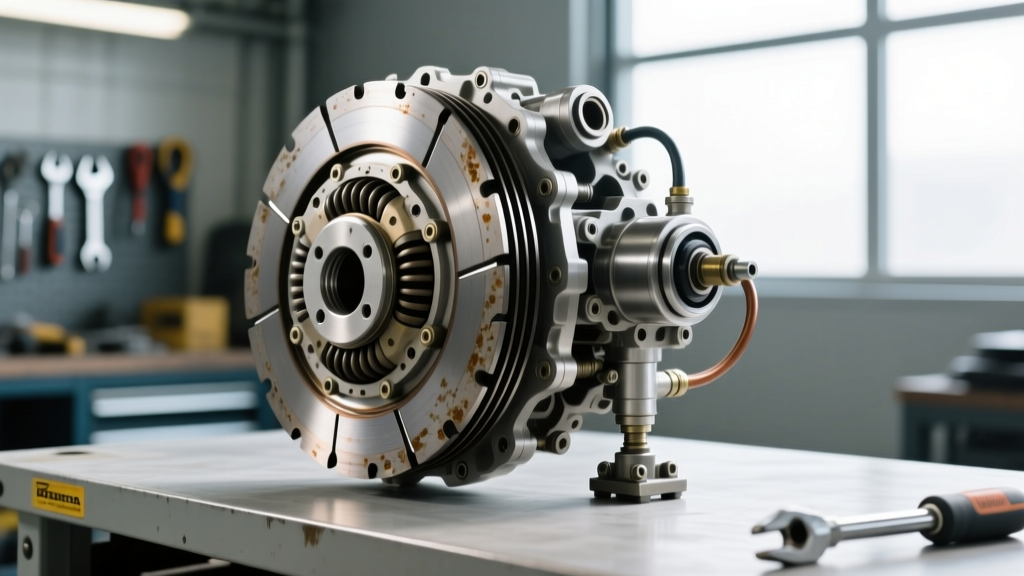
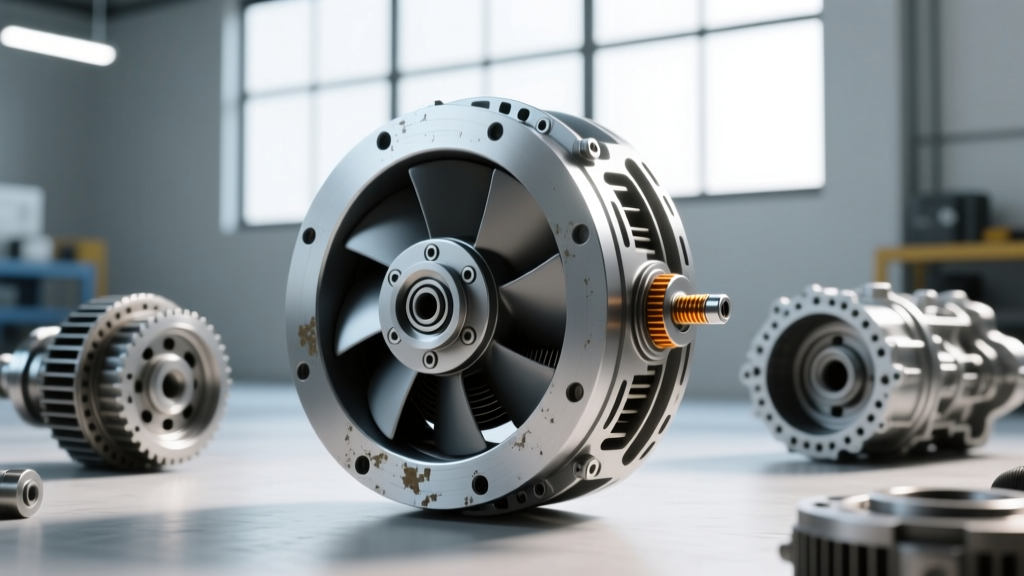
To understand why a failing engine fan can smell like a burnt transmission, we first need to answer the core question: how do fan clutches work? Unlike electric cooling fans that rely on PWM (Pulse Width Modulation) signals from the ECU, a mechanical fan clutch is a fluid-driven viscous coupling. It is mounted to the water pump pulley and drives the engine's mechanical cooling fan.
Internal Anatomy and Operation
Inside the fan clutch housing is a reservoir of specialized silicone shear fluid, typically ranging from 10,000 to 30,000 centistokes (cSt) in viscosity. A bimetallic thermal strip on the front of the clutch reacts to ambient air temperature passing through the radiator. As the air heats up, the strip expands, opening a micro-valve that allows the silicone fluid to enter the working chamber between the drive plate and the driven housing. The shear friction of this thick fluid locks the fan to the engine speed, pulling maximum CFM (Cubic Feet per Minute) across the radiator and transmission cooler.
Failure Modes That Mimic Drivetrain Smells
According to Hayden Automotive's technical bulletins, fan clutches typically fail in two distinct ways that produce burning odors:
- Silicone Fluid Leaks: If the internal O-rings or shaft seals degrade, the high-viscosity silicone fluid slings out onto the hot engine block, exhaust manifolds, or catalytic converters. Burning silicone produces a sweet, highly acrid chemical smoke that inexperienced technicians frequently misidentify as burning automatic transmission fluid (ATF) or clutch friction material.
- Bearing Seizure and Shroud Melting: If the internal pilot bearing seizes, the fan clutch remains locked at a 1:1 ratio with the engine at all times. At highway speeds (e.g., 2,500 RPM), the immense centrifugal force and harmonic vibration can cause the glass-filled nylon fan blades to strike and melt the plastic fan shroud. Melting high-temp nylon emits a harsh, sulfurous burning smell that perfectly mimics a slipping organic manual clutch.
True Drivetrain Clutch Burning: Manual vs. Automatic
If the engine bay and fan clutch check out clean, the smell is originating from the drivetrain. The chemical profile of the smoke will tell you exactly which friction materials are degrading.
Manual Transmission: Organic vs. Ceramic Friction
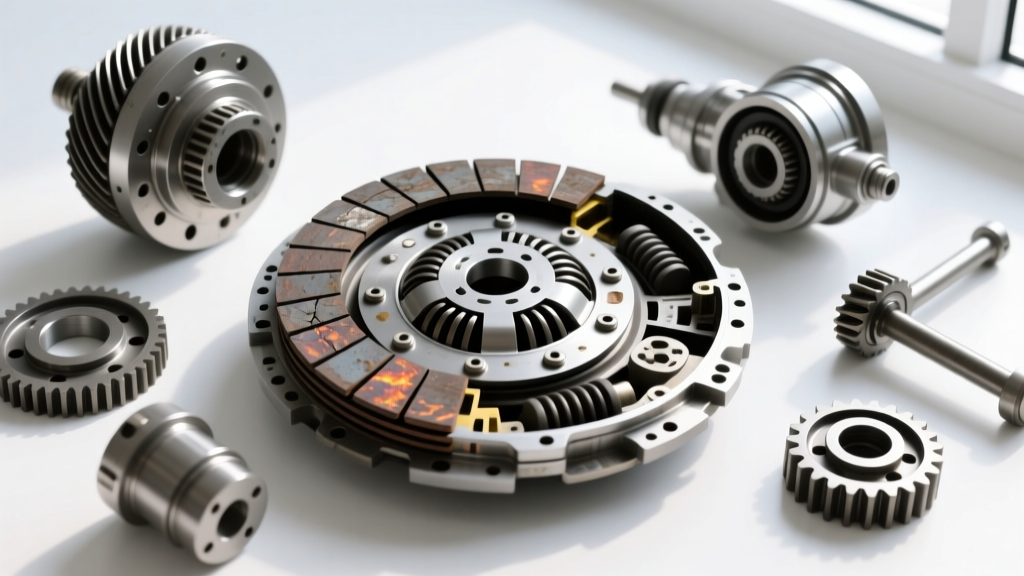
Manual clutch discs rely on friction facings riveted to a sprung hub. Standard organic facings are composed of fiberglass, Kevlar, and phenolic resins. These materials begin to degrade and emit a distinct 'burnt hair' or asbestos-like odor when surface temperatures exceed 400°F (204°C). If the clutch is slipping due to a worn pressure plate diaphragm, oil contamination from a leaking rear main seal, or a restricted hydraulic master cylinder bypass port, the flywheel will absorb immense heat. Once the flywheel exceeds 600°F, it risks thermal cracking and hard-spotting (martensite formation), requiring mandatory replacement rather than resurfacing.
Conversely, aftermarket ceramic or sintered iron clutches can withstand temperatures up to 800°F (426°C). While they resist burning, excessive slip will glaze the ceramic pucks and aggressively machine the flywheel surface, creating a metallic grinding odor rather than a traditional burning smell.
Automatic Transmissions: The Cellulose Clutch Pack
In modern automatics like the GM 6L80/6L90, Ford 10R80, or the ubiquitous ZF 8HP series, gear changes are executed by hydraulically applied multi-disc clutch packs. These packs utilize steel separator plates interleaved with friction discs lined with cellulose-based paper or advanced synthetic aramid fibers.
As detailed in Sonnax transmission engineering resources, if line pressure drops—often due to a leaking mechatronic adapter sleeve in the ZF 8HP or a worn TEHCM (Transmission Electro-Hydraulic Control Module) in the GM 6L80—the clutch packs will slip. Cellulose friction linings begin to carbonize and burn when ATF temperatures exceed 280°F (137°C). This produces a 'burnt toast' or sweet syrupy odor. The degraded friction material suspends in the ATF, turning the fluid dark brown or black and clogging the valve body solenoid screens.
Diagnostic Matrix: Isolating the Source of the Smell
Use the following diagnostic matrix to quickly triage the vehicle based on the olfactory and visual evidence present in the bay.
| Component Source | Odor Profile | Visual Evidence | Accompanying Symptoms |
|---|---|---|---|
| Engine Fan Clutch (Fluid Leak) | Sweet, acrid chemical smoke | Wet, oily residue on lower engine block/exhaust | Engine overheating at idle, fan noise fluctuates erratically |
| Engine Fan Clutch (Seized/Melting) | Sulfurous, melting plastic | Gouged plastic shroud, missing fan blade weights | Highway RPM roar, severe coolant temp spikes |
| Manual Clutch (Organic) | Burnt hair, harsh brake-dust smell | Blueing on flywheel, dust in bellhousing weep hole | RPM flare under load, high pedal engagement point |
| Automatic Clutch Packs | Burnt toast, sweet syrupy burn | Dark brown/black ATF on dipstick, metallic flakes | Delayed shifts, transmission limp mode, slipping in 3rd/4th |
Step-by-Step Troubleshooting Protocol
When a vehicle arrives with a reported burning smell, follow this strict isolation protocol before authorizing any teardowns.
1. The Cold-Start Sniff and Visual Test
With the engine cold, inspect the fan clutch hub. Look for a crescent-shaped streak of clear or amber silicone fluid radiating outward from the clutch shaft. Spin the fan by hand; a healthy viscous clutch should offer slight, even resistance. If it spins completely freely like a bad bearing, the internal fluid has leaked out. Check the lower radiator hose and transmission cooler lines for ATF leaks that might be dripping onto the exhaust.
2. OBD2 PID Thermal Monitoring
Connect a bi-directional scan tool and monitor live data. You need to watch three critical PIDs: Engine Coolant Temperature (ECT), Transmission Fluid Temperature (TFT), and Fan Speed (if supported). Take the vehicle on a road test under load (e.g., climbing a grade). If the TFT climbs past 240°F while the ECT remains stable, you are likely experiencing automatic clutch pack slip or a blocked external transmission cooler. If the ECT spikes while the fan clutch fails to audibly engage (the 'roar' of high-CFM air pull), the thermal strip on the fan clutch has failed, leading to secondary heat-soak of the drivetrain.
3. The Stall Test (Automatic Only)
If ATF burning is suspected, perform a brief stall test. Hold the brake firmly and apply the throttle to 1,800–2,000 RPM in Drive and Reverse for no more than 5 seconds per gear. If the engine RPM flares significantly higher than the manufacturer's specified stall speed (e.g., 2,400 RPM for a GM 6L80), internal clutch packs or bands are slipping, confirming the burning odor is internal transmission friction material.
Repair Realities: Torque Specs, Fluids, and Costs
Accurate diagnosis must be paired with precision repair. Below are the critical specifications for the most common culprits identified in 2026 diagnostic workflows.
Fan Clutch Replacement
- Part Selection: Always use OEM or premium aftermarket (e.g., Hayden #2733 for common GM 5.3L/6.2L applications). Avoid cheap 'white box' replacements that use low-grade 5,000 cSt fluid, leading to premature overheating.
- Torque Spec: The fan clutch nut is typically reverse-threaded (left-hand thread) on most water pumps. Torque to 41 lb-ft (55 Nm) using a specialized fan clutch wrench.
- Estimated Cost: $150–$350 (Parts and Labor).
Manual Clutch Overhaul
- Flywheel Resurfacing: If replacing an organic clutch, the flywheel must be machined to an Ra (roughness average) finish of 20–40 microinches. Anything smoother will cause the organic disc to glaze; anything rougher will tear the friction material.
- Torque Specs (GM LS/LT V8): Flywheel to crankshaft bolts require 74 lb-ft plus an additional 90 degrees of rotation. Pressure plate bolts must be torqued in a star pattern to 37 lb-ft (50 Nm).
- Estimated Cost: $1,200–$2,500 depending on RWD vs. 4WD labor times.
Automatic Transmission Clutch Pack Repair
- ZF 8HP Mechatronic Sleeve: If low line pressure is burning the 'A' or 'B' clutch packs, replace the ZF adapter sleeve (Part 0501 216 243). Torque the sleeve retaining bolts to exactly 8 Nm (71 lb-in). Over-torquing will crack the plastic housing.
- Fluid Specifications: Flushing is mandatory if cellulose material is burnt. Use exact OEM fluids: ZF LifeguardFluid 8 (for ZF 8HP) or Dexron VI / Mobil 1 Synthetic ATF (for GM applications). For deep technical specifications on ZF fluid tolerances, refer to the ZF 8-Speed Automatic Transmission engineering portal.
- Estimated Cost: Valve body/sleeve repair ($800–$1,500); Full clutch pack rebuild ($3,500–$5,500).
Expert Takeaway: Never assume a burning smell is strictly a drivetrain issue until the engine cooling system—specifically the viscous fan clutch and thermal shrouds—has been physically inspected. Misdiagnosing a $200 leaking fan clutch as a $2,000 slipping transmission is the fastest way to lose customer trust in the modern repair landscape.