The Reality of K-Series Twin Disc Hydraulics
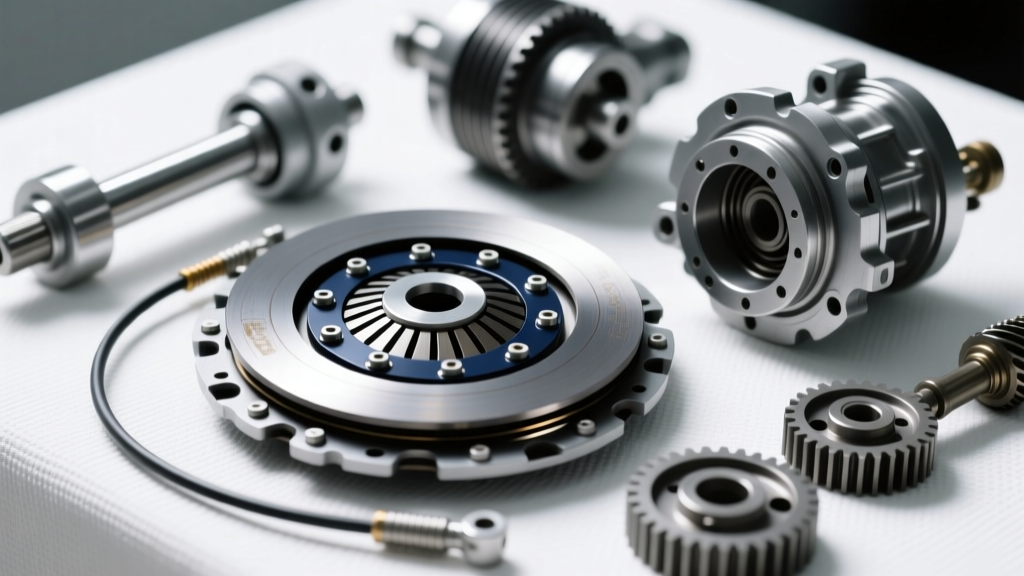
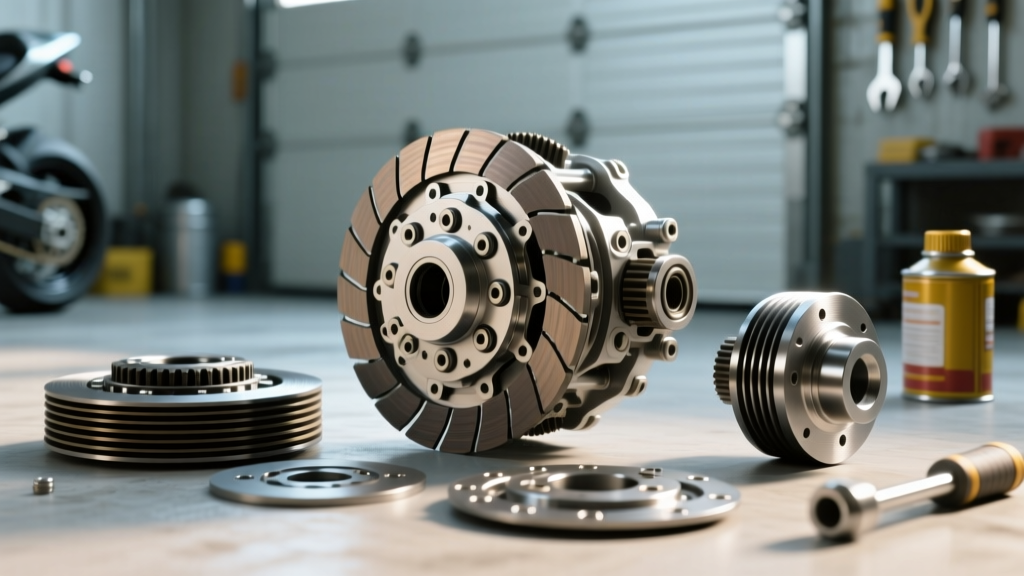
The Honda K-series engine family—encompassing the legendary K20 and high-torque K24 platforms—remains a dominant force in motorsport and high-performance street builds. However, when you upgrade from a factory single-mass setup to a high-capacity k series twin disc clutch, the factory hydraulic circuit is immediately exposed as the weakest link. Twin disc assemblies, such as the Exedy Hyper Twin (HND022SB) or ACT Twin Disc kits, utilize dual friction plates and a massive diaphragm spring to handle 600+ wheel horsepower. This mechanical advantage comes at a cost: severe clutch pedal problems ranging from a 'brick wall' hard pedal to spongy engagement and high-RPM vibration.
As of 2026, the aftermarket has standardized many hydraulic solutions, but diagnosing the root cause of pedal anomalies requires a deep understanding of K-series fluid dynamics, release bearing clearances, and mechanical tolerances. This model-specific repair guide breaks down the exact failure modes of K20/K24 twin disc pedal systems and provides actionable, torque-spec-driven solutions.
Symptom 1: The 'Brick Wall' Hard Pedal
A hard clutch pedal in a K-series twin disc application is rarely a mechanical binding issue; it is almost always a hydraulic overpressure and clamp load mismatch. Twin disc pressure plates generate clamp loads exceeding 3,500 lbs to prevent friction plate slip under heavy boost or high-RPM launches. The OEM Honda 19mm master cylinder and the plastic OEM slave cylinder were engineered for a diaphragm spring rated at roughly 1,800 lbs of clamp load.
Expert Insight: When the pedal feels like a brick wall, many tuners mistakenly install a larger bore master cylinder (e.g., 7/8-inch). This actually increases pedal effort while decreasing fluid volume. To soften a hard K-series twin disc pedal, you must optimize fluid volume and eliminate hydraulic restriction, not simply increase bore size.
Mechanical Binding vs. Hydraulic Overpressure
Before condemning the hydraulics, verify mechanical clearance. The K-series transmission utilizes a straddle sleeve that slides over the input shaft. If the aftermarket twin disc release bearing is too tall, or if the pressure plate fingers are improperly indexed, the slave cylinder will over-extend, causing the pedal to bind at the top of its stroke. Measure the distance from the transmission bell housing mating surface to the pressure plate fingers. Compare this to the factory service manual specification (typically 15.5mm to 16.5mm for K20A/K20Z platforms). If the variance exceeds 1.5mm, you will need an adjustable K-Tuned or ETS billet slave cylinder to dial in the exact resting clearance.
Symptom 2: Spongy, Soft, or Inconsistent Engagement
A spongy pedal in a twin disc setup is the most dangerous symptom, as it leads to incomplete disengagement, gear grinding, and catastrophic synchro wear in the K-series 6-speed manual transmissions. Sponginess is caused by three primary factors: aerated fluid, expanding rubber hydraulic lines, or inadequate master cylinder fluid displacement.
The Fluid Displacement Deficit
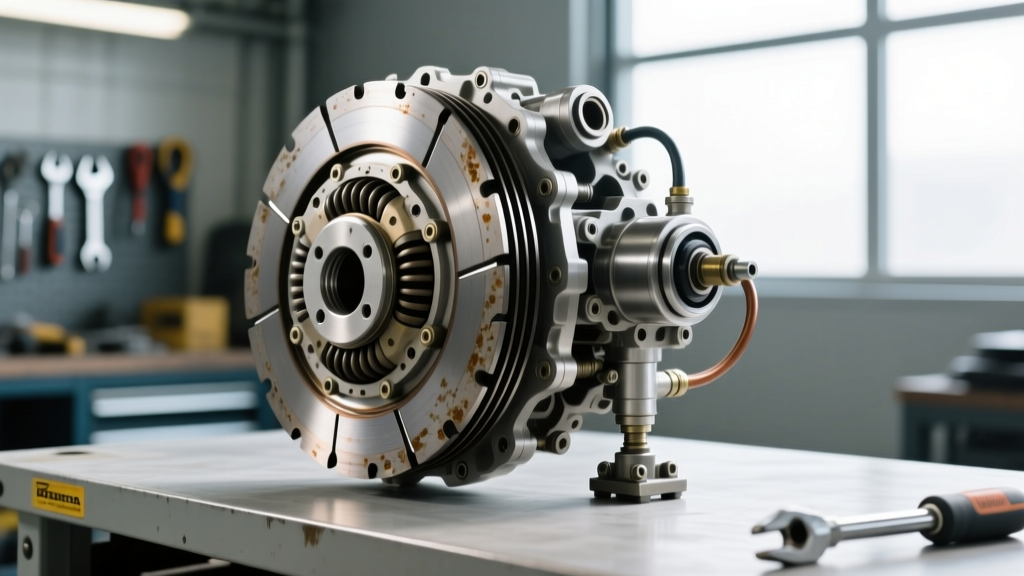
Twin disc clutches require a specific amount of hydraulic fluid volume to fully compress the dual friction discs and separate the intermediate floater plate. The OEM Honda rubber clutch line expands under the immense pressure generated by a twin disc spring, absorbing fluid volume that should be moving the slave cylinder. Furthermore, the OEM master cylinder's internal bypass port can restrict return flow, trapping air in the line.
| Component | Bore Size / Spec | Pedal Feel | Fluid Volume | Best Application |
|---|---|---|---|---|
| OEM Honda Master/Slave | 19mm / Plastic Slave | Extremely Hard / Spongy | Low | Stock Single Disc Only |
| K-Tuned Billet Slave | Matched to OEM Master | Firm, Consistent | Medium | Stage 2-3 Twin Disc |
| Wilwood 3/4" High-Volume Master | 19.05mm (0.75") | Progressive, Linear | High | Heavy-Duty Drag/Time Attack Twin Disc |
| ETS Billet Slave + -3 AN Line | Custom Throw Adjustment | Direct, Mechanical | Maximum | Full Race K-Swap Applications |
The Bleeding Protocol for High-Volume Systems
Standard pedal-pumping bleeding is insufficient for K-series twin disc setups due to the complex routing of the hard line and the height of the slave cylinder bleeder valve. To achieve a rock-solid pedal:
- Replace the OEM rubber flex hose with a stainless steel -3 AN braided line.
- Use a Motive Power Bleeder pressurized to 15-20 PSI. Do not exceed 25 PSI, or you risk blowing the seals on the OEM master cylinder.
- Use high-silicone DOT 4 fluid (e.g., Motul RBF 660) to resist boiling under track conditions.
- Crack the bleeder valve while an assistant slowly depresses the pedal, ensuring no micro-bubbles are trapped in the slave cylinder bore.
Symptom 3: Pedal Vibration and High-RPM Chatter
If your clutch pedal vibrates or pulses rhythmically when the clutch is engaged, or if the chassis experiences severe chatter during takeoff, you are dealing with mechanical resonance. In K-series twin disc applications, this is almost always traced back to flywheel runout, intermediate plate float, or release bearing harmonic feedback.
Flywheel Runout and Intermediate Plate Diagnostics
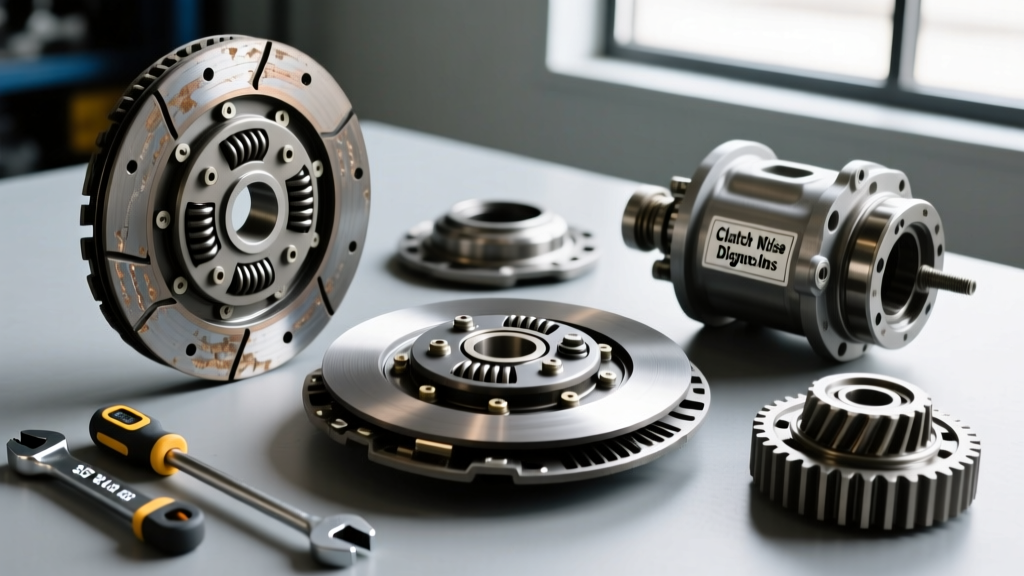
Twin disc clutches are incredibly sensitive to parallelism. The factory K20/K24 crankshaft flange must be machined perfectly flat. According to Exedy's technical documentation, maximum allowable flywheel runout for a twin disc setup is 0.004 inches (0.10mm). If the chromoly flywheel is warped, or if the crankshaft dowel pins are worn, the intermediate floater plate will wobble at high RPM. This wobble translates directly through the diaphragm spring, into the release bearing, down the straddle sleeve, and into the hydraulic slave cylinder, manifesting as a vibrating clutch pedal.
Diagnostic Step: Mount a dial indicator on the transmission bell housing and measure the runout on the friction surface of the flywheel before installing the clutch assembly. If runout exceeds 0.004", the flywheel must be resurfaced on a dedicated clutch grinder, or the crankshaft flange must be inspected for rear main seal housing misalignment.
Step-by-Step K-Series Twin Disc Pedal Resolution
Follow this exact sequence to diagnose and resolve pedal issues when installing or maintaining a k series twin disc clutch. Precision is non-negotiable.
- Step 1: Verify Crankshaft and Flywheel Torque. The K-series flywheel bolts are torque-to-yield (TTY). Clean the crankshaft threads with a tap. Apply a drop of blue Loctite. Torque the 8mm flywheel bolts in a star pattern to 76 lb-ft, followed by a 90-degree turn. Never reuse OEM TTY bolts.
- Step 2: Measure Pressure Plate Finger Height. Using a straight edge and feeler gauges, ensure the pressure plate fingers are within 0.020" of the manufacturer's specified height. Incorrect finger height will cause the slave cylinder to over-travel, resulting in a hard, binding pedal.
- Step 3: Torque the Pressure Plate. Install the twin disc assembly using the provided alignment tools. Torque the pressure plate to flywheel bolts (typically 8mm or 10mm depending on the brand) to 19-22 lb-ft in a crisscross pattern. Over-torquing can warp the clutch cover, causing intermediate plate drag and a spongy pedal feel.
- Step 4: Upgrade the Hydraulics. Discard the OEM plastic slave cylinder. Install a billet aluminum slave cylinder with an adjustable pushrod. Set the pushrod length so there is exactly 1/16" to 1/8" of free play at the release bearing fork. Zero free play will cause the bearing to ride constantly, leading to premature failure and pedal vibration.
- Step 5: Perform a Pressure Bleed. Fill the reservoir with DOT 4 fluid. Pressure bleed the system, then cycle the pedal 50 times by hand to seat the internal master cylinder cups and collapse any microscopic air bubbles trapped in the slave cylinder.
By addressing the hydraulic volume deficit and adhering to strict mechanical tolerances, you can transform a harsh, unpredictable twin disc pedal into a precise, linear instrument. For further technical specifications on high-performance friction materials and hydraulic sizing, refer to the engineering guides available at Wilwood Engineering and your specific clutch manufacturer's technical bulletins.