Identifying the Source of Your F-150 Front Diff Leak
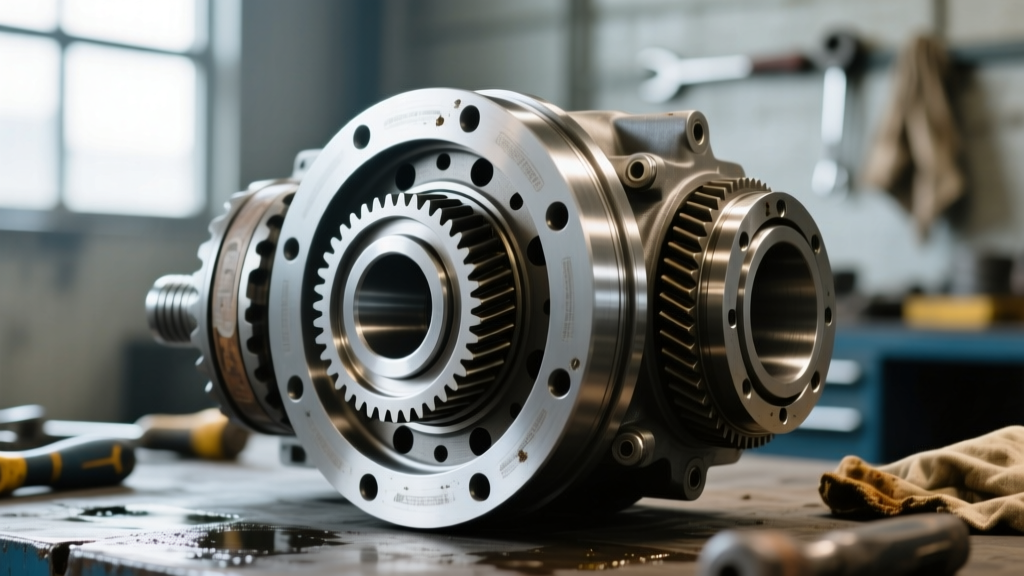
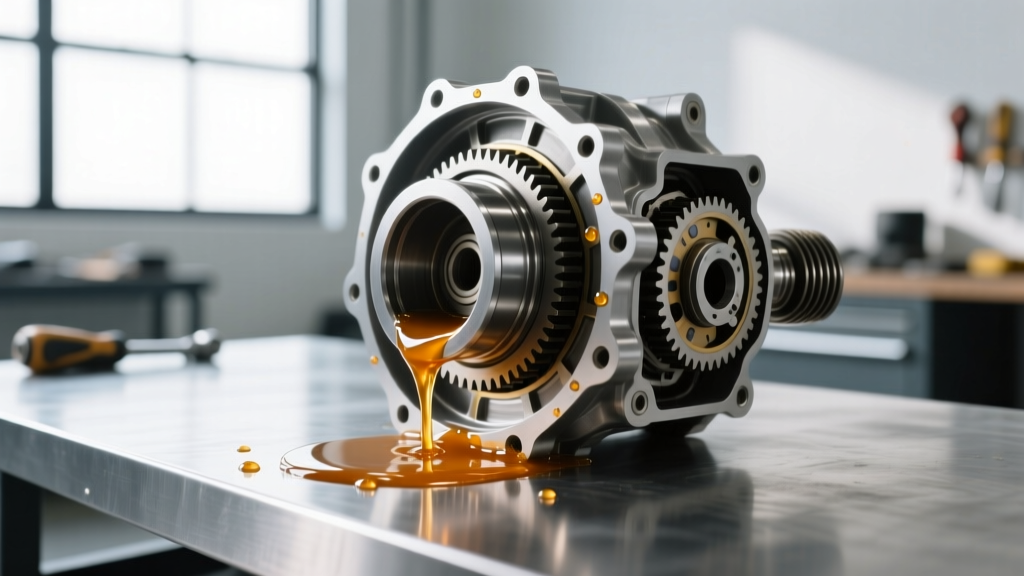
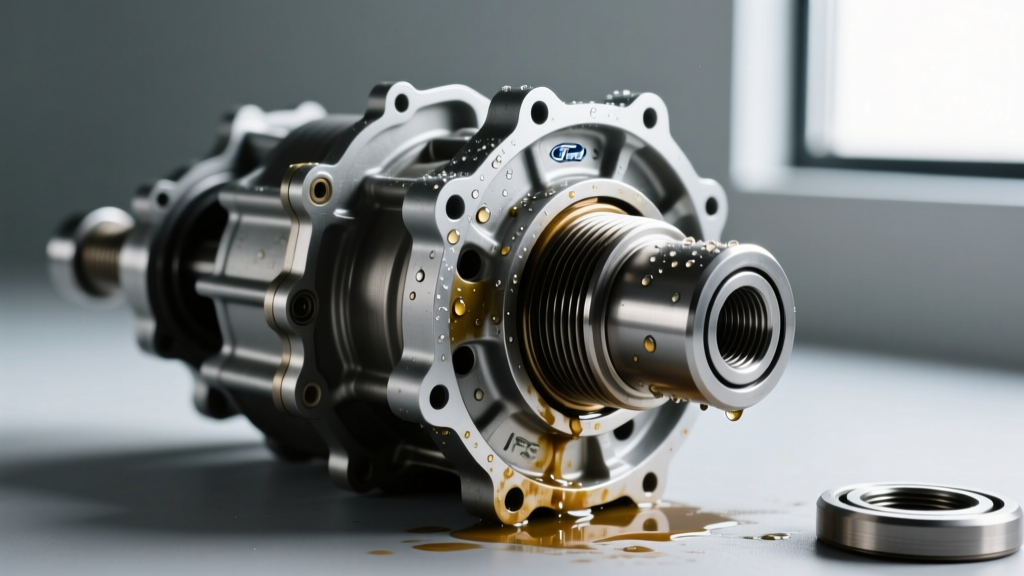
The Ford F-150 has dominated the truck market for decades, and its 4WD models rely heavily on the robust Ford 8.8 Independent Front Suspension (IFS) differential. However, age, heat cycling, and off-road exposure frequently compromise the seals on these units. If you notice a pungent, sulfur-like odor (often compared to rotten eggs) or dark, viscous spots on your driveway, you are likely losing your ford f150 front differential fluid. Ignoring this leak can lead to catastrophic gear failure, turning a simple $20 seal repair into a $3,000 differential replacement.
As of 2026, dealership labor rates for drivetrain work average between $160 and $220 per hour. Fortunately, with the right tools, OEM specifications, and a methodical approach, DIYers can tackle the most common front differential leaks at home. This guide covers the exact diagnostic protocols, part numbers, and repair procedures for the Ford 8.8 IFS front axle found in 2004 through current-generation 4WD F-150s.
The 'Clean and Inspect' Diagnostic Protocol
Before ordering parts, you must isolate the exact leak origin. The front differential sits in a high-splash zone, and transfer case fluid or engine oil can easily be mistaken for a differential leak. Follow this three-step protocol:
- Degrease the Assembly: Use a dedicated brake cleaner or water-based degreaser to thoroughly clean the front differential housing, the pinion yoke, the axle shaft entry points, and the rear cover. Avoid direct high-pressure water, which can force moisture past compromised seals.
- The Test Drive: Drive the truck for 15 to 20 miles, ensuring you engage 4WD High on a soft surface (like dirt or gravel) to load the front drivetrain and build internal pressure.
- Visual Inspection: Safely raise the front end on jack stands. Use a bright LED inspection light to trace the highest point of fluid migration. Gravity dictates that fluid travels downward, so the true leak source will be the highest wet point.
Common F-150 IFS Leak Points and Part Data
| Leak Location | OEM / Aftermarket Part Number | DIY Difficulty | Est. Parts Cost (2026) |
|---|---|---|---|
| Pinion Seal | Motorcraft BR-18 / Timken 710928 | Moderate | $15 - $25 |
| Axle Shaft Seal (Left/Right) | Motorcraft BR-23 / Timken 710985 | Advanced | $12 - $20 each |
| Fill / Drain Plug Washer | Generic 1/2-inch Copper Crush Washer | Beginner | $2 - $5 |
| Differential Cover Gasket | LubeLocker LLK-F88 (Reusable Rubber) | Moderate | $25 - $35 |
Step-by-Step Pinion Seal Replacement
The pinion seal is the most frequent failure point on the F-150 front differential. It is exposed to road debris, water, and the constant rotational friction of the driveshaft. When the rubber lip hardens or the internal garter spring fails, gear oil slings directly onto the skid plate and crossmember.
Tools Required
- 1/2-inch drive torque wrench (foot-pound)
- Inch-pound dial torque wrench (optional but recommended for preload checking)
- Large flathead screwdriver and seal puller
- Seal driver or appropriately sized PVC pipe coupling
- Marker or paint pen
- Socket set (typically 27mm or 1-1/8-inch for the pinion nut)
The Mark-and-Return Procedure
CRITICAL WARNING: The pinion nut on the Ford 8.8 IFS secures a crush sleeve that sets the bearing preload. Over-torquing the nut during reassembly will over-compress the sleeve, destroying the pinion bearings. Under-torquing will cause gear whine and premature wear. If you are not replacing the crush sleeve, you must use the 'Mark-and-Return' method.
- Mark the Alignment: Before removing anything, use a paint pen to draw a continuous line across the pinion nut, the exposed threads, and the pinion yoke. Count the exact number of exposed threads.
- Remove the Yoke: Remove the driveshaft bolts (12mm 12-point). Use a breaker bar and your large socket to remove the pinion nut. Slide the yoke off the splines using a puller if it is seized. Do not hammer the yoke off, as this can damage the internal bearings.
- Extract the Old Seal: Carefully pry out the old seal using a seal puller. Wrap the tip of your pry bar in electrical tape to avoid gouging the aluminum or cast-iron housing bore.
- Install the New Seal: Apply a thin film of fresh gear oil to the lip of the new Timken 710928 seal. Tap it into the bore using a seal driver until it sits perfectly flush. Do not cock the seal at an angle.
- Reassemble and Torque: Slide the yoke back onto the splines. Thread the pinion nut back on. Tighten the nut until your paint marks align perfectly and the exposed thread count matches your original measurement. Snug it down to approximately 150-180 lb-ft, verifying that the rotational preload feels identical to when you disassembled it.
Axle Shaft Seal Replacement Overview
If the leak is originating from where the CV axle shafts enter the differential housing, the internal axle shaft seals have failed. This repair is significantly more labor-intensive because it requires the removal of the front CV axles.
To access the seal, you must remove the front wheel, disconnect the sway bar end link, and unbolt the lower ball joint or lower strut bolts to allow the steering knuckle to swing outward. Once the knuckle is free, slide the CV axle out of the differential. Pro Tip: Use a specialized CV axle puller tool rather than a pry bar to avoid damaging the delicate internal spider gears or the differential housing bore. Once the axle is out, pry the old seal out, lubricate the new seal lip, and drive it in flush. Always inspect the CV axle mating surface where the seal rides; if it has a deep groove worn into the metal, the seal will leak again immediately, and the axle shaft must be replaced.
Refilling: Ford F150 Front Differential Fluid Specs and Capacity
Once your leaks are repaired, refilling the differential with the correct lubricant is paramount. The Ford 8.8 IFS front differential has a relatively small fluid capacity compared to the rear axle, making the correct fluid level and specification vital for heat dissipation.
Official Fluid Specifications
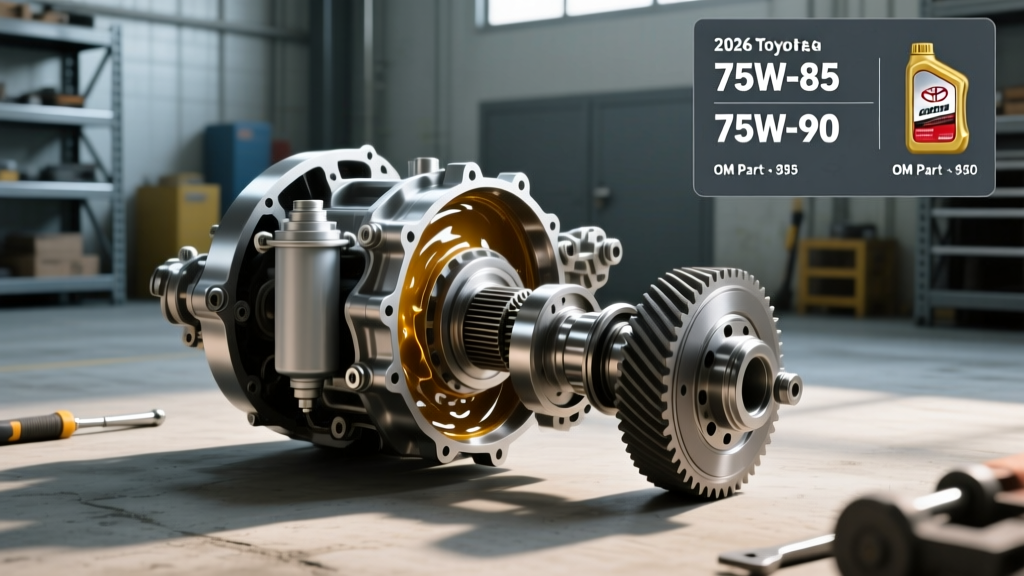
- OEM Fluid: Motorcraft SAE 75W-85 Premium Synthetic Hypoid Gear Lubricant (Part # XL-3) or SAE 75W-90 (Part # XY-75W90-QL).
- Capacity: Approximately 1.4 to 1.5 Liters (1.5 Quarts). Always purchase two quarts to ensure you have enough.
- Additives: The front differential on most modern F-150s does not require a friction modifier, as it is an open differential (unless equipped with an aftermarket or specific factory locking front locker, which is rare on standard trims).
The Refill Procedure and Torque Specs
Locate the fill plug on the upper portion of the differential housing and the drain plug on the bottom. Always remove the fill plug first. If you drain the fluid and then discover the fill plug is seized or stripped, you will strand your vehicle. Many newer Ford IFS units use a 3/8-inch square drive (like a breaker bar head) or an 8mm Hex bit for these plugs.
- Drain the old fluid into a catch pan and inspect it for excessive metal glitter. (A slight metallic paste on the magnetic plug is normal; chunky metal indicates bearing failure).
- Reinstall the drain plug with a new copper crush washer. Torque to 15-20 lb-ft.
- Using a fluid transfer pump, fill the differential with your 75W-85 or 75W-90 synthetic gear oil until it begins to weep out of the fill hole. This is the universal 'fill-to-weep' standard for solid axles and IFS units.
- Reinstall the fill plug and torque to 15-20 lb-ft.
When to Seek Professional Drivetrain Help
While seal replacements and fluid services are well within the capabilities of a home mechanic, certain scenarios require a professional drivetrain shop. If your differential fluid contained large metal shards, if you hear a distinct 'howl' that changes with deceleration versus acceleration, or if the pinion yoke exhibits noticeable up-and-down play, your ring and pinion gear set or pinion bearings have suffered catastrophic wear. In these cases, a complete differential teardown, shim recalibration, and gear pattern setup are required. For verified part sourcing and cross-referencing, consult resources like RockAuto Catalog or review your specific model year documentation via Ford Owner Resources. For premium bearing and seal tolerances, reference Timken Automotive engineering specs to ensure your F-150 remains trail-ready and street-legal for years to come.