The Anatomy of the AC Compressor Clutch System
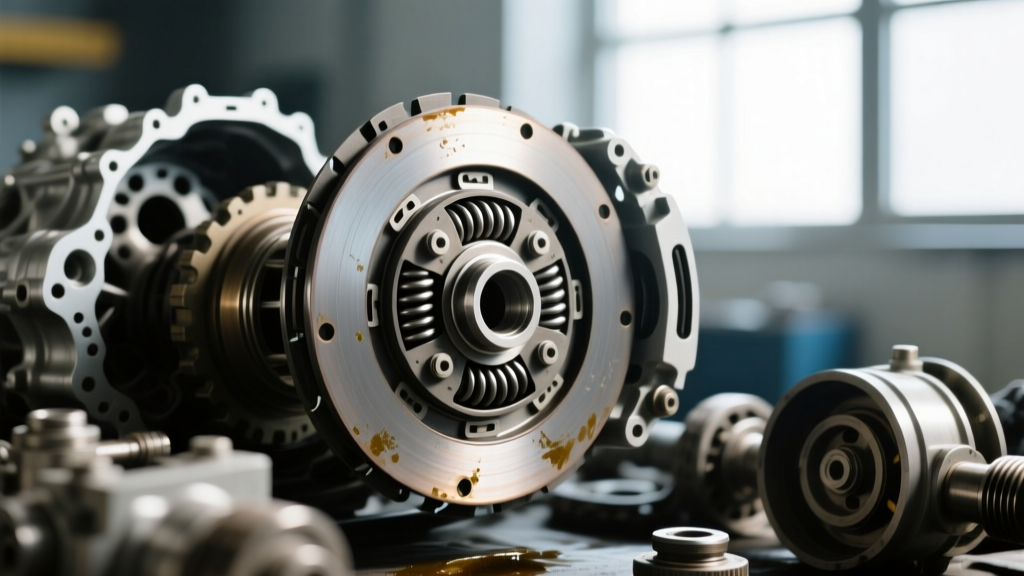
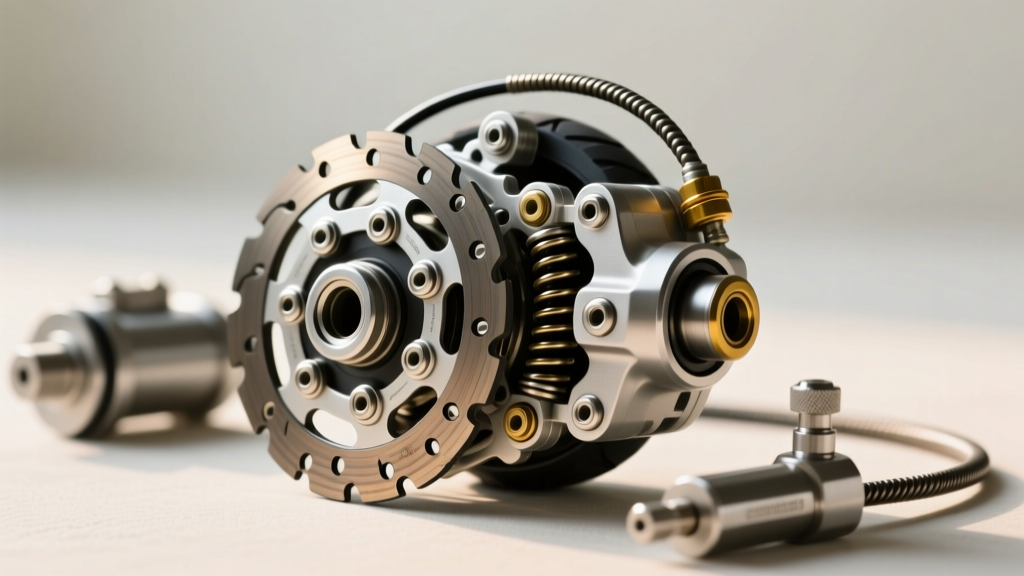
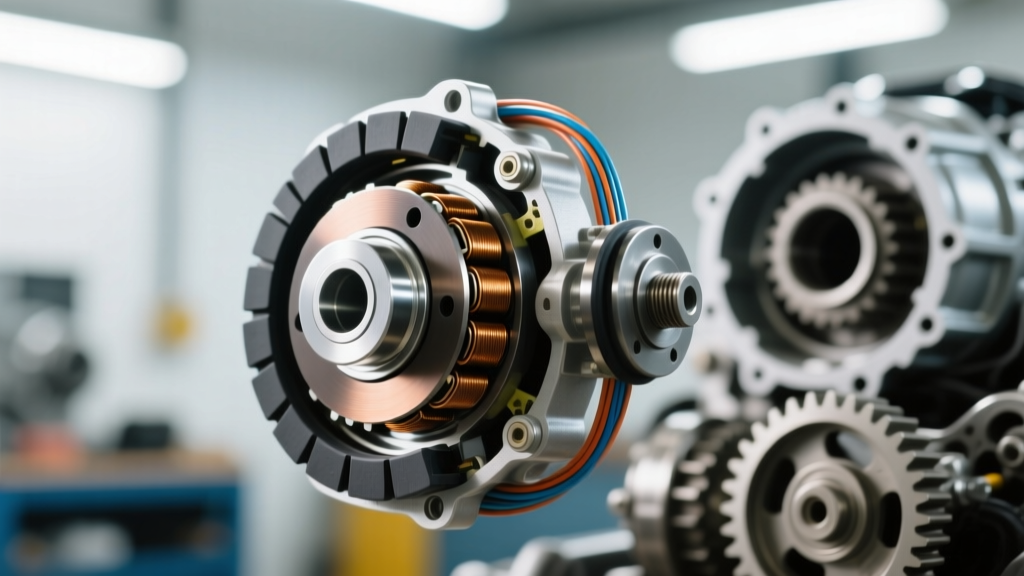
Before diving into diagnostics, it is critical to understand that the automotive air conditioning clutch is an electromagnetic coupling device. Unlike a manual transmission friction clutch that manages rotational torque from an engine to a gearbox, the AC compressor clutch bridges the gap between the engine-driven serpentine belt and the compressor's internal swashplate or scroll mechanism. The system comprises three primary components: the electromagnetic coil, the pulley and bearing assembly, and the friction plate (hub).
While modern 2026 vehicles increasingly utilize variable displacement compressors with electronic control valves (ECVs) that run continuously without a traditional cycling clutch, millions of legacy and aftermarket systems—such as the ubiquitous Denso 10S17C and Sanden SD7V16—still rely on traditional electromagnetic clutches. When cabin temperatures rise and the compressor fails to engage, properly checking AC compressor clutch components requires a systematic approach to differentiate between electrical faults, mechanical wear, and underlying refrigerant system failures.
Root Cause Analysis: Why AC Clutches Fail
Replacing a burnt clutch without identifying the root cause is a hallmark of amateur diagnostics. According to industry data from the Mobile Air Conditioning Society (MACS), over 60% of premature clutch failures are secondary symptoms of a primary refrigerant system restriction. Here is a deep dive into the specific failure modes.
1. Electromagnetic Coil Burnout via High Head Pressure
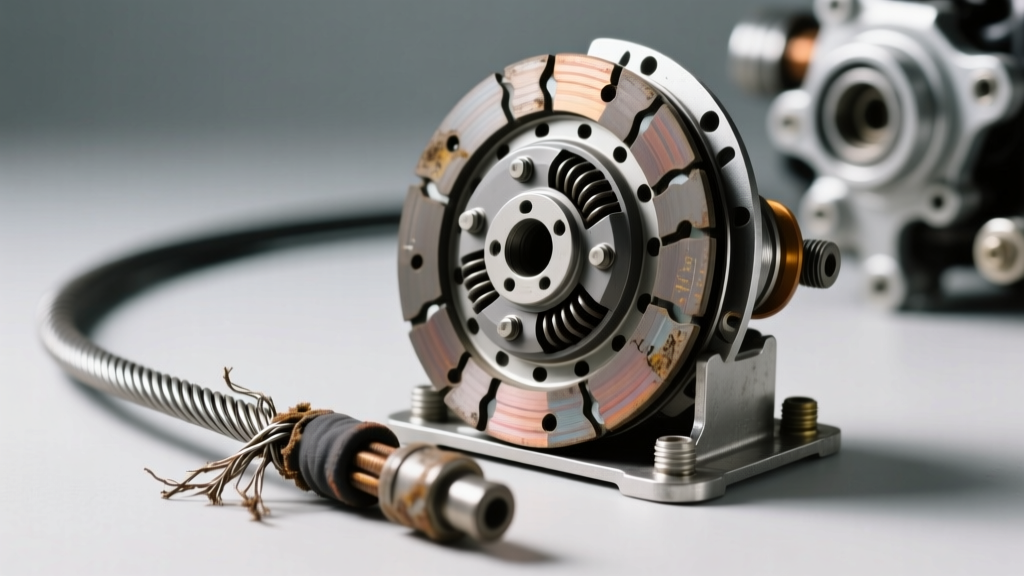
The most common electrical failure is coil burnout. However, the coil rarely fails in isolation. When a system suffers from a restricted condenser, a clogged orifice tube, or overcharging, the high-side head pressure spikes dramatically. This forces the compressor to work exponentially harder to turn. The increased rotational resistance causes the friction plate to slip against the pulley face. This slipping generates immense localized heat, which transfers directly into the electromagnetic coil. Most modern coils feature an internal thermal fuse that will permanently open (break the circuit) at around 250°F (121°C) to prevent a vehicle fire. If your coil reads as an open circuit (OL) on a multimeter, you must investigate the high-side pressure before installing a replacement.
2. Friction Plate Wear and Air Gap Drift
The air gap between the friction plate and the pulley face is a critical tolerance, typically specified between 0.020 and 0.030 inches (0.5mm to 0.75mm). Over years of engagement cycles, the friction surfaces wear down, widening this gap. Once the gap exceeds 0.040 inches, the electromagnetic field weakens significantly across the distance. The coil can no longer pull the plate firmly against the pulley, resulting in micro-slipping. This slipping glazes the friction surfaces, accelerates wear, and eventually leads to total engagement failure, especially in high-ambient-temperature environments where coil resistance naturally increases.
3. Pulley Bearing Seizure and Thermal Runaway
The pulley rides on a sealed, double-row angular contact bearing. If the bearing seal fails and moisture contaminates the grease, the bearing will begin to bind. A binding bearing creates rotational drag, forcing the clutch to slip continuously while the AC is commanded on. This leads to thermal runaway, melting the plastic bobbin of the coil and sometimes welding the friction plate to the pulley, which can snap the serpentine belt and leave the vehicle stranded.
Step-by-Step: Checking AC Compressor Clutch Health
When diagnosing a no-cool complaint, follow this exact sequence to isolate the fault.
- Visual and Auditory Inspection: With the engine running and AC commanded to MAX, observe the center hub. If the pulley is spinning but the center hub is stationary, the clutch is not engaging. Listen for a rapid clicking sound, which indicates the low-pressure switch is cycling due to a refrigerant leak or blockage.
- Electrical Verification: Disconnect the clutch connector. Using a digital multimeter, measure the resistance across the coil terminals. A healthy coil should read between 3.0 and 5.0 ohms at room temperature. A reading of 0 ohms indicates an internal short; an infinite (OL) reading indicates a blown thermal fuse or broken winding.
- Voltage Drop Test: Backprobe the harness side of the connector with the engine running. You should see full battery voltage (13.5V to 14.2V). If voltage is below 12.0V, you have a voltage drop issue in the relay, wiring, or PCM driver circuit, which will prevent the clutch from generating enough magnetic force to close the air gap.
- Air Gap Measurement: Use a feeler gauge or a dedicated clutch gap tool to measure the clearance between the friction plate and the pulley face at three equidistant points. If the gap exceeds 0.035 inches, the clutch must be shimmed or replaced.
2026 Buyer’s Guide: Clutch Kit vs. Full Compressor Replacement
When checking AC compressor clutch components reveals a definitive mechanical or electrical failure, technicians and DIYers face a critical purchasing decision. Do you replace just the clutch assembly, or the entire compressor? The table below compares the options based on 2026 aftermarket pricing and labor realities.
| Replacement Strategy | Estimated Part Cost | Labor Time & Complexity | Best Application Scenario |
|---|---|---|---|
| Clutch Assembly Kit Only (e.g., Four Seasons, GPD) |
$55 - $130 | 1.0 - 1.5 Hours (Often performed on-vehicle without refrigerant recovery) |
Ideal when the compressor body is quiet, seals are dry, and system pressures are verified normal. Best for Denso and Sanden units with accessible snap rings. |
| Complete Compressor w/ Clutch (e.g., Denso 471-Series, Nissens) |
$220 - $450 | 2.5 - 4.0 Hours (Requires EPA 608 certified recovery, vacuum, and recharge) |
Mandatory if the compressor has internal bearing noise, black death (metal contamination), or if the shaft seal is leaking refrigerant and oil. |
| Coil Only Replacement | $20 - $45 | 1.5 - 2.0 Hours (Requires removing the pulley and snap rings) |
Rarely recommended. Only viable if the friction plate and pulley bearing are in flawless condition and the specific coil is available separately. |
Expert Note: If your vehicle has suffered a catastrophic compressor failure (often referred to as 'Black Death'), replacing the clutch is futile. The internal swashplate has disintegrated, sending metal shards throughout the condenser and lines. In these cases, a full system flush and compressor replacement is the only viable path.
Top Diagnostic Tools for AC Clutch Evaluation
Proper diagnostics require specialized tooling. Here is a comparison of the most effective tools for checking AC compressor clutch systems in a modern bay.
1. Lisle 45750 AC Clutch Gap Tool
Standard feeler gauges are difficult to maneuver around the tight tolerances of modern serpentine belt routing. The Lisle 45750 is a dedicated, stepped gauge specifically designed to measure the 0.020 to 0.030-inch air gap on most domestic and import compressors without removing the belt. Price: $25 - $35.
2. Power Probe IV or Equivalent Circuit Tester
Instead of backprobing delicate weather-pack connectors and risking terminal spread, a Power Probe allows you to supply direct 12V power and ground to the clutch coil instantly. If the clutch engages with direct power but not via the vehicle harness, you have instantly isolated the fault to the vehicle's wiring or PCM control logic. Price: $250 - $350.
3. Lisle 45600 Clutch Holder and Puller Set
If you opt for the clutch kit replacement route, prying off the friction plate with screwdrivers will destroy the hub and damage the compressor's front housing. This threaded puller set safely extracts the hub and holds it stationary while you torque the center bolt to the manufacturer specification (typically 11 to 15 lb-ft). Price: $40 - $60.
Expert Verdict: The EPA 608 and System Flushing Mandate
As we navigate the 2026 automotive landscape, the transition to low-GWP refrigerants like R-1234yf has made AC system repairs significantly more expensive. Because refrigerant costs can exceed $150 per pound, avoiding unnecessary system evacuation is a priority. This is why mastering the art of checking AC compressor clutch components on-vehicle is so valuable.
If your diagnostics confirm that the compressor body is mechanically sound, the system pressures are within specification, and the failure is isolated strictly to a burnt coil or widened air gap, replacing the clutch assembly on-vehicle is the most cost-effective and logical repair. However, always adhere to EPA Section 608 regulations regarding refrigerant handling. If your root cause analysis reveals high head pressures or internal compressor noise, do not waste money on a clutch kit; invest in a high-quality OEM-equivalent complete compressor assembly, replace the orifice tube and receiver-drier, and perform a thorough system flush to ensure long-term reliability.
For further technical bulletins on variable displacement compressor diagnostics and clutchless ECV systems, technicians should regularly consult the DENSO Aftermarket HVAC Catalog and MACS technical reports to stay ahead of evolving drivetrain and accessory architectures.