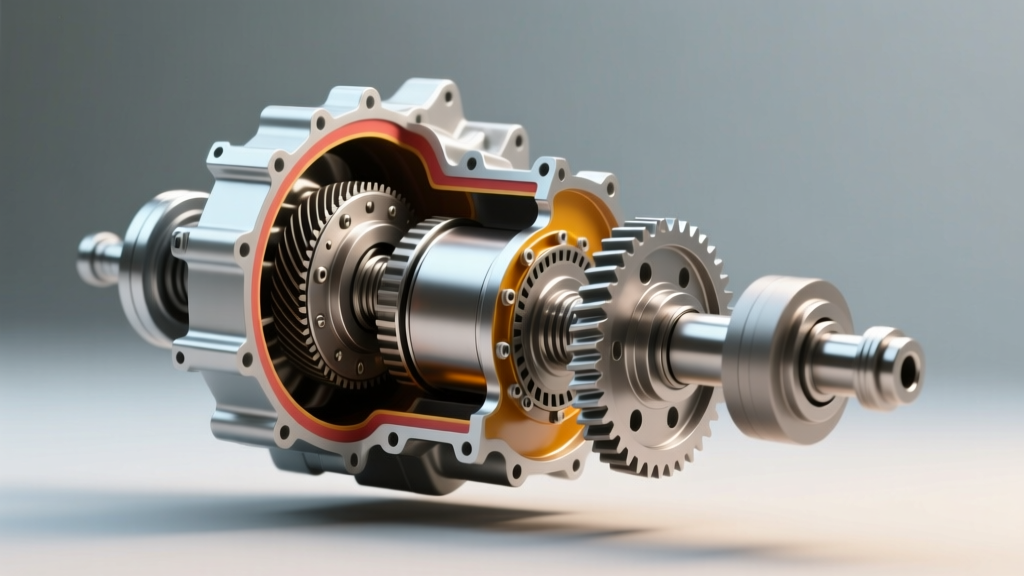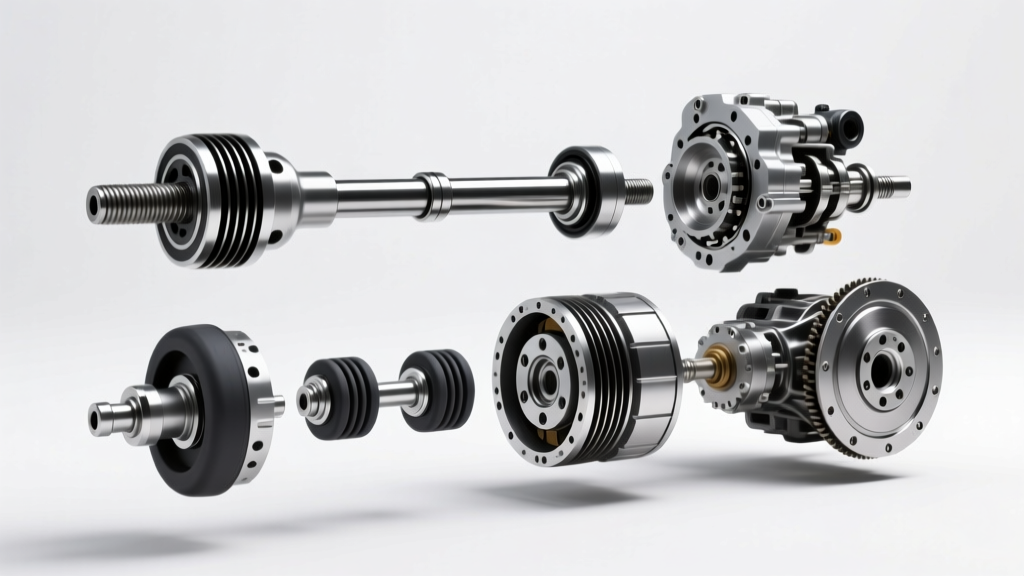
The sixth-generation Ford Explorer, built on the highly modular CD6 platform, represents a significant shift back to rear-wheel-drive-biased architecture. When analyzing the 2025 Ford Explorer drivetrain, standard RWD configurations (available on base and XLT models, while AWD is optional or standard across all trims depending on the package) utilize a robust, direct-coupled rear propeller shaft. However, the universal joints (U-joints) connecting this shaft to the 10R60 10-speed automatic transmission and the rear differential remain mechanical wear items subject to intense torsional stress.
As we move through 2026, independent shops and DIY enthusiasts are seeing an uptick in driveline NVH (Noise, Vibration, and Harshness) complaints on higher-mileage 2020–2025 Explorer models. This technical deep-dive explores the precise failure modes of the Explorer’s RWD U-joints, how to differentiate them from transmission-related shudders, and the exact torque specifications required for a factory-grade replacement.
Architectural Overview: The CD6 Platform and 10R60 Integration
The standard RWD 2025 Ford Explorer utilizes a two-piece aluminum and steel rear driveshaft assembly, supported by a center carrier bearing. The front of the driveshaft interfaces with the 10R60 transmission’s extension housing via a slip-yoke mechanism. This slip-yoke allows for rear suspension articulation without binding the driveline. The U-joints themselves are typically 1310-series Spicer-style crosses, secured with outside snap rings on the yoke ears.
Because the 10R60 transmission features aggressive torque converter lockup schedules to maximize EPA fuel economy ratings, torsional vibrations from the 2.3L EcoBoost I4 or the 3.0L V6 are transmitted directly into the driveline. If the U-joint needle bearings experience grease starvation, this constant micro-vibration accelerates brinelling (indentation wear) on the bearing caps, leading to catastrophic driveline shudder.
Diagnostic Matrix: U-Joint Brinelling vs. 10R60 Torque Converter Shudder
One of the most common misdiagnoses in modern Ford SUVs is confusing a failing U-joint with the infamous 10R60 torque converter shudder. Before ordering replacement parts, run your Explorer through this diagnostic matrix to isolate the fault:
- U-Joint High-Speed Shudder: Typically manifests as a 30-45 Hz frequency vibration felt primarily through the seat pan and floorboards. It peaks between 55 mph and 65 mph and is present regardless of whether the transmission is under load, coasting, or in neutral. This indicates 2nd-order driveshaft imbalance caused by a seized U-joint cross.
- 10R60 Torque Converter Shudder: Felt as a rhythmic 'rumble-strip' sensation through the steering wheel and chassis. It occurs strictly under light throttle application between 40 mph and 55 mph when the TCC (Torque Converter Clutch) is applying. Test: Tap the brake pedal lightly while maintaining throttle. If the shudder instantly vanishes as the TCC unlocks, your U-joints are likely fine; you need a transmission fluid flush or TCC solenoid service.
- U-Joint Clunk on Engagement: A sharp metallic 'clack' when shifting from Park to Reverse or Drive. This is caused by excessive radial play in the needle bearings, allowing the cross to strike the inside of the bearing cap.
- Low-Speed Squeaking: A rhythmic chirp or squeak that matches wheel speed at 5–15 mph. This is the auditory signature of completely dry, metal-on-metal needle bearings.
Slip-Yoke Spline Wear: The Hidden Clunk
If your Explorer exhibits a clunk on engagement but the U-joints show zero radial play, inspect the transmission slip-yoke splines. On the CD6 platform, the slip-yoke can suffer from inadequate factory grease application, leading to spline binding. When the rear suspension compresses, the driveshaft must slide into the transmission. If the splines bind and suddenly release, it mimics a U-joint clunk. The fix involves removing the front driveshaft section, cleaning the splines with brake cleaner, and applying a dedicated molybdenum disulfide (moly) spline grease, such as Ford Motorcraft XL-3.
OEM and Aftermarket Component Sourcing
Selecting the correct U-joint is critical for maintaining the NVH characteristics engineered into the CD6 platform. Avoid unbranded, budget-tier U-joints, as their cap tolerances often lead to premature driveshaft imbalance. Below is a comparison of approved replacements for the 2025 Explorer RWD rear shaft:
| Brand / Manufacturer | Part Number | Series / Spec | Est. Price (2026) | Application Notes |
|---|---|---|---|---|
| Motorcraft (OEM) | GU-756 | 1310-Series | $38 - $45 | Factory exact fit; includes premium snap rings. |
| Spicer (Dana) | 5-153X | 1310-Series | $22 - $28 | OEM supplier; non-greaseable, pre-filled with high-temp synthetic. |
| Neapco | 1-0153 | 1310-Series | $16 - $20 | Excellent aftermarket alternative; forged cross for high torque. |
Note: Always verify your specific build sheet via the Ford VIN decoder, as heavy-duty towing packages may utilize a 1330-series upgrade at the rear pinion flange.
Precision Replacement Protocol (RWD Models)
Replacing the U-joints on the Explorer requires careful attention to driveshaft indexing and fastener torque. Improper reinstallation will induce severe harmonic vibrations.
1. Preparation and Driveshaft Extraction
Before unbolting anything, use a silver paint pen or yellow layout dye to draw indexing marks across the rear pinion flange and the driveshaft yoke. The driveshaft is balanced at the factory as a complete assembly; reinstalling it even one spline or bolt-hole out of phase will cause a massive vibration at highway speeds. Using a 12mm 12-point socket (Ford utilizes 12-point flange bolts to prevent stripping under high torque), remove the four bolts securing the rear U-joint to the differential. Support the shaft and carefully slide the front slip-yoke out of the 10R60 extension housing. Have a drain pan ready, as some ATF will leak from the output shaft seal.
2. Pressing the Cross and Caps
Secure the driveshaft in a heavy-duty bench vise. Use external snap ring pliers to remove the four C-clips securing the bearing caps. Using a U-joint press tool (or a large C-clamp with appropriately sized deep sockets), press the cross through the yoke. Critical Warning: When installing the new Spicer or Motorcraft cross, ensure the needle bearings inside the caps do not fall over. If even one needle bearing is displaced during cap insertion, the joint will bind and destroy itself within 500 miles. Apply a light coat of chassis grease to the outside of the caps to help them slide into the yoke ears, and seat the snap rings fully. If the snap rings will not seat, the cross is not fully centered; tap the yoke ears lightly with a brass drift to relieve internal binding pressure.
3. Reinstallation and Torque Specifications
Slide the front slip-yoke back into the 10R60 transmission until it bottoms out, then pull it back exactly 1 inch to allow for suspension travel. Align your paint marks at the rear differential. Install the four 12mm flange bolts. Ford specifies a torque rating of 76 lb-ft (103 Nm) for the rear pinion flange bolts. Apply a single drop of blue Loctite 243 to the threads to prevent backing out due to torsional cycling. If your model features a center support bearing, torque the carrier bearing mounting nuts to 35 lb-ft (47 Nm).
Preventative Drivetrain Maintenance
The U-joints installed on the 2025 Explorer at the factory are 'sealed-for-life' (non-greaseable) units. While they are designed to last 100,000 miles, exposure to road salt, heavy towing, and extreme thermal cycling from the adjacent exhaust system can degrade the internal synthetic grease. If you operate your Explorer in severe conditions, consider upgrading to greaseable Spicer aftermarket joints during your next replacement cycle, and apply two pumps of NLGI Grade 2 lithium-complex grease every 15,000 miles. Always wipe away excess grease to prevent road debris from adhering to the joint and grinding down the seal lips.
For further technical specifications on Dana Spicer driveline components, refer to the Spicer Parts U-Joint Catalog. For OEM fluid and spline grease recommendations, consult the Motorcraft Official Portal, and for real-time pricing on drivetrain hard parts, check RockAuto's Ford Explorer Driveline Section.