Introduction to Four Wheel Drive Drivetrain Complexity
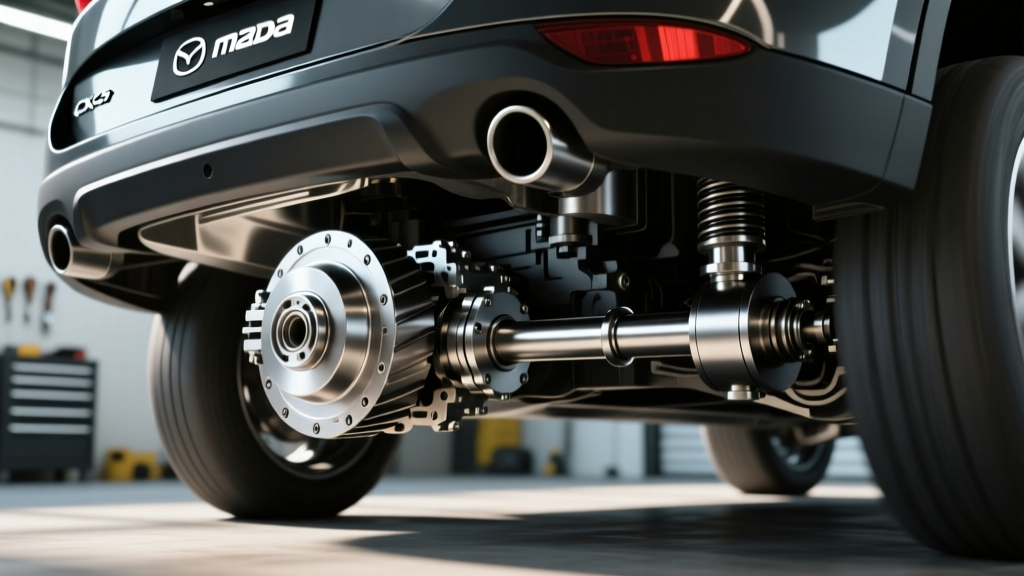
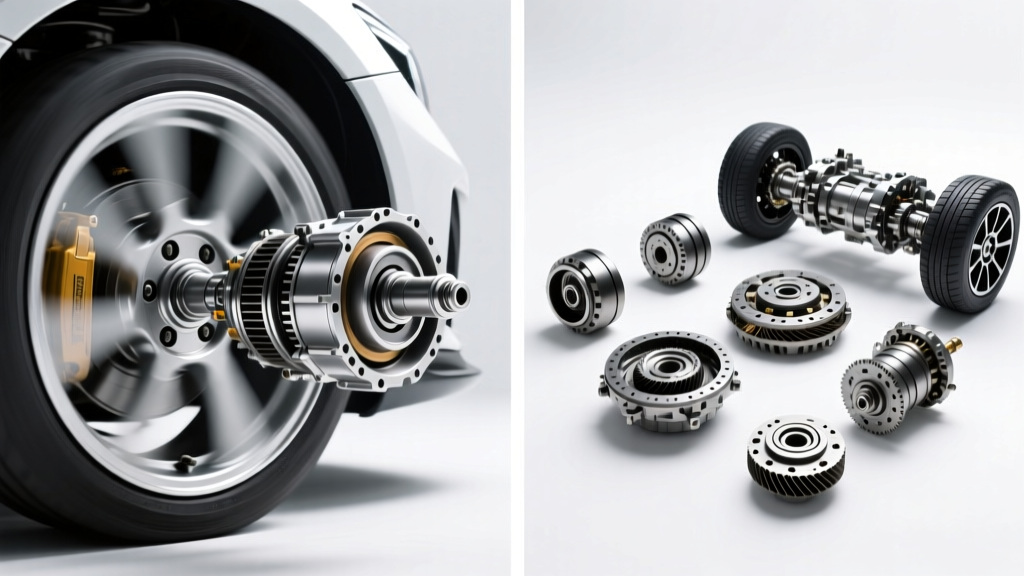
The four wheel drive drivetrain represents one of the most mechanically demanding configurations in modern automotive engineering. Unlike a simple front-wheel-drive transaxle setup, a 4WD system must seamlessly distribute torque across multiple axes, manage varying rotational speeds, and endure extreme shear forces. Whether you are operating a solid-axle Jeep Wrangler Rubicon equipped with a Dana 44 and NV241OR transfer case, or an independent front suspension (IFS) Ford F-150 running a BorgWarner 4406, proactive maintenance is the dividing line between a reliable rig and a catastrophic $3,500 drivetrain failure.
As we navigate the 2026 service landscape, factory-recommended "lifetime" fluid claims have been thoroughly debunked by independent tribologists and fleet mechanics. Heat cycling, moisture intrusion, and extreme-pressure (EP) additive depletion inevitably degrade lubricants. This expert guide details the precise service protocols, torque specifications, and diagnostic best practices required to maintain peak efficiency and longevity in your four wheel drive drivetrain.
Transfer Case Service: Fluids, Capacities, and Torque Specs
The transfer case is the nerve center of any 4WD system. It houses the planetary gearsets, drive chains, and shift forks that dictate power distribution. Servicing this component requires strict adherence to manufacturer fluid specifications, as the wrong lubricant can lead to immediate clutch pack failure or chain slippage.
Fluid Selection and Chemistry
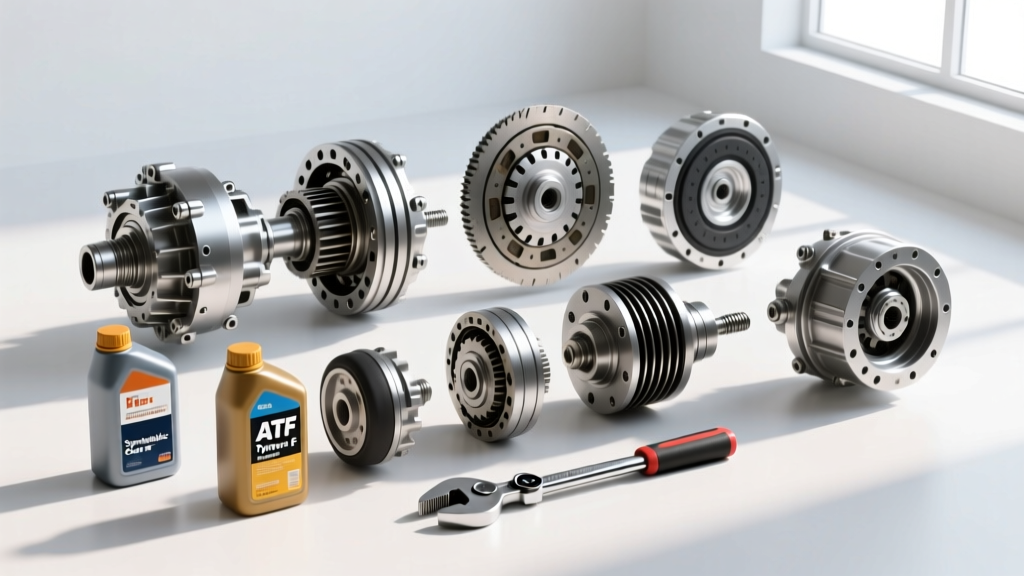
Chain-driven transfer cases, such as the ubiquitous New Venture NV241 and NV271 series, typically require low-viscosity automatic transmission fluids (ATF) to ensure rapid hydraulic actuation and proper cooling of the drive chain. For instance, Chrysler/Jeep applications demand Mopar ATF+4, while older GM applications utilized Auto-Trak II. Conversely, gear-driven transfer cases (like the legendary NP205 or Atlas II) require heavy-duty gear oils, typically 80W-90 or 85W-140 GL-5, to protect the sliding gears and heavy-duty bearings.
Expert Tip: Never substitute GL-5 gear oil in a chain-driven transfer case equipped with viscous couplings or electronic clutch packs. The sulfur-phosphorus EP additives in GL-5 fluids can corrode the yellow metals (bronze bushings) and degrade the friction materials inside the clutch packs, leading to a complete loss of 4WD engagement.
Drain, Fill, and Torque Procedures
When servicing the transfer case, always remove the fill plug first. If the drain plug is removed first and the fill plug is seized or stripped, you will be left with an empty transfer case and a stranded vehicle. Most transfer case drain and fill plugs utilize a 3/8-inch or 1/2-inch square drive, or a large hex head (typically 18mm to 22mm).
- Drain Plug Torque: 20-25 lb-ft (Apply blue Loctite 242 if the plug lacks a nylon insert).
- Fill Plug Torque: 20-25 lb-ft.
- Fluid Level Check: The fluid should be exactly level with the bottom of the fill hole. Overfilling by even 1/4 inch can cause aeration, leading to foaming, overheating, and eventual seal blowout at the output shaft.
Differential Maintenance: Ring, Pinion, and Clutch Packs
Front and rear differentials in a four wheel drive drivetrain endure immense rotational stress, particularly during low-range crawling or high-speed cornering. The hypoid gear design used in most automotive differentials creates a sliding, wiping action between the ring and pinion gears, necessitating lubricants with robust anti-wear and extreme-pressure (EP) additives.
Gear Oil Viscosity and Friction Modifiers
For standard open differentials and heavy-duty applications (e.g., towing, off-roading), a full synthetic 75W-90 or 75W-140 GL-5 gear oil is mandatory. According to AMSOIL's differential fluid maintenance guidelines, synthetic formulations resist thermal breakdown far better than conventional petroleum-based oils, maintaining film strength even when differential temperatures exceed 250°F under load.
If your 4WD system features a Limited Slip Differential (LSD) utilizing clutch packs (such as the Ford Trac-Lok or Chrysler Sure-Grip), you must add a specialized friction modifier (typically 4 oz per axle). Without this polyalkylene glycol ester additive, the clutch plates will bind and chatter during low-speed turns, rapidly destroying the friction material. Note that modern synthetic "LS" (Limited Slip) gear oils often have the modifier pre-blended, but severe-duty applications may still require a supplemental dose.
4WD Drivetrain Fluid & Torque Specification Chart
| Component | Typical Application | Fluid Specification | Capacity | Fill/Drain Plug Torque |
|---|---|---|---|---|
| Transfer Case (Chain) | Jeep NV241OR / GM NV246 | ATF+4 / Auto-Trak II | 2.0 - 2.5 Qts | 20-25 lb-ft |
| Transfer Case (Gear) | Dana 300 / NP205 | 80W-90 GL-5 | 3.0 - 4.0 Qts | 25-30 lb-ft |
| Front Differential | Dana 30 / Dana 44 | 75W-90 Syn GL-5 | 2.5 - 3.5 Pts | 25-35 lb-ft (Cover) |
| Rear Differential | GM 9.5" / Chrysler 8.8" | 75W-140 Syn GL-5 | 3.5 - 4.5 Pts | 25-35 lb-ft (Cover) |
Driveshaft, U-Joint, and CV Joint Servicing
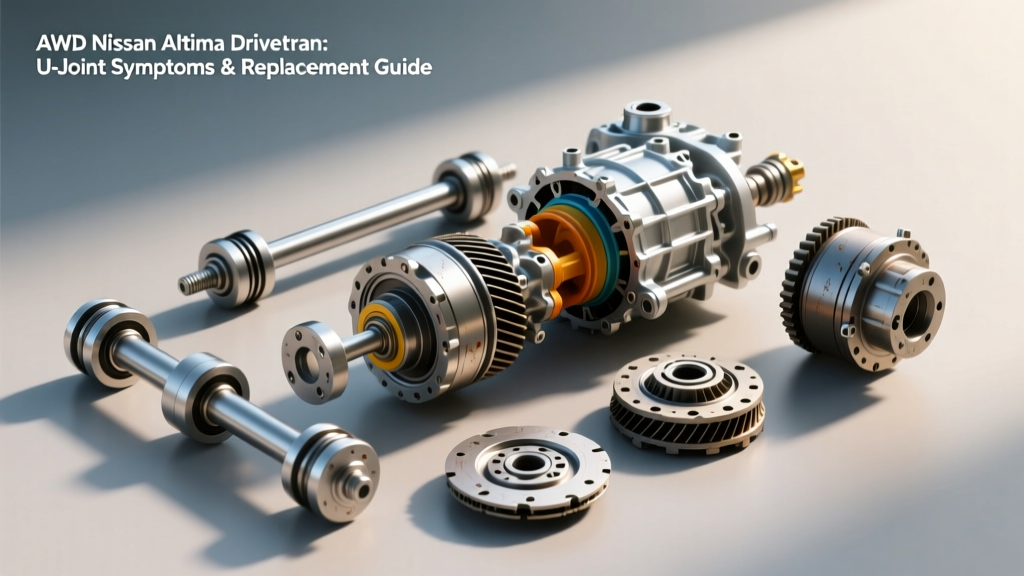
The driveshafts connecting the transfer case to the axles are critical rotating assemblies. A failure at highway speeds can result in the driveshaft dropping and pole-vaulting the vehicle, or tearing out the transfer case output shaft seal and housing.
U-Joint Greasing Protocols
For serviceable Spicer 1310, 1350, or 1410 series universal joints, regular greasing is non-negotiable. According to Dana Spicer Technical Resources, U-joints should be purged with fresh grease every 5,000 to 10,000 miles in severe off-road or wet conditions. Use an NLGI Grade 2 GC-LB lithium-complex grease (such as Valvoline #VV985 or Mobil 1 Synthetic).
The Purge Technique: Attach the grease gun to the Zerk fitting and pump until you see clean, fresh grease purging from all four bearing cap seals. If grease only exits one or two seals, the internal cross trunnion is blocked by hardened, contaminated grease. You must remove the U-joint caps, clean the trunnion channels with solvent, and reassemble. Forcing grease past a blockage will simply blow out the good seals, leaving the starved trunnion to seize and fail.
Driveshaft Phasing and Runout
Whenever a driveshaft is removed for U-joint service or exhaust work, it must be reinstalled in its original "phase." The slip yoke and the pinion yoke ears must be aligned in the exact same plane. Improper phasing introduces a 2nd-order vibration that will rapidly destroy transfer case and pinion bearings. Furthermore, total indicated runout (TIR) on a 4WD driveshaft should never exceed 0.030 inches. Anything beyond this threshold requires professional high-speed balancing.
Critical Failure Modes: Pump Rub and Chain Stretch
Even with meticulous fluid maintenance, certain four wheel drive drivetrain configurations are prone to inherent mechanical flaws that require proactive aftermarket intervention.
The GM NV246/NV261 Pump Rub Epidemic
General Motors 4WD trucks (Silverado/Sierra 2500HD) equipped with the NV246 and NV261 transfer cases suffer from a notorious design flaw. The internal oil pump is driven by tabs that rest against the rear magnesium housing. Over time, the aluminum pump tabs wear a hole completely through the soft magnesium case. Once breached, the transfer case loses all fluid, resulting in catastrophic internal destruction. The expert fix is to install an aftermarket Pump Rub Kit (available from Merchant Automotive or PPE for $80-$120) during your first fluid service. This steel/aluminum brace prevents the wear and saves you from a $1,500+ replacement bill.
Transfer Case Chain Stretch
In chain-driven cases like the BorgWarner 4406 (Ford) or NV241 (Dodge/Ram), the Morse-style inverted tooth drive chain will naturally elongate over time due to tensile loading. Symptoms of chain stretch include a loud "clunk" when engaging 4WD, or the chain skipping teeth on the drive sprocket under heavy throttle, which shaves metal off the sprocket and contaminates the fluid. If your transfer case fluid contains a heavy, glittering metallic paste (not just fine shimmer), the chain and sprockets are likely compromised and require a teardown.
Expert Service Intervals for 2026 Fleet and Daily Drivers
To maximize the lifespan of your four wheel drive drivetrain, discard the "lifetime" fluid myth and adopt these severe-duty service intervals:
- Transfer Case Fluid: Every 30,000 miles (Normal) or 15,000 miles (Severe/Towing/Off-Road).
- Differential Fluid: Every 40,000 miles (Normal) or immediately after deep water submersion to prevent emulsification.
- U-Joint Greasing: Every oil change (5,000 - 10,000 miles) or immediately after mud/water exposure.
- Front Axle Actuator/CAD: Inspect the front axle disconnect collar and shift motor seals annually; apply dielectric grease to electrical connectors to prevent 4WD engagement failure.
By adhering to these precise torque specs, fluid chemistries, and diagnostic protocols, you ensure that your four wheel drive drivetrain remains a reliable, torque-multiplying asset rather than a liability. Regular, informed maintenance is the ultimate defense against the harsh realities of mechanical wear.