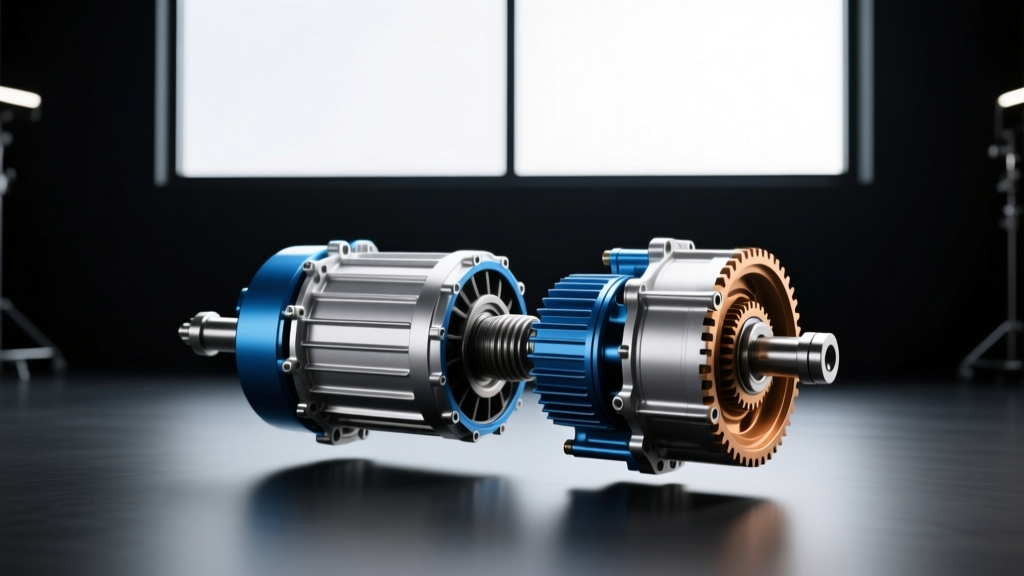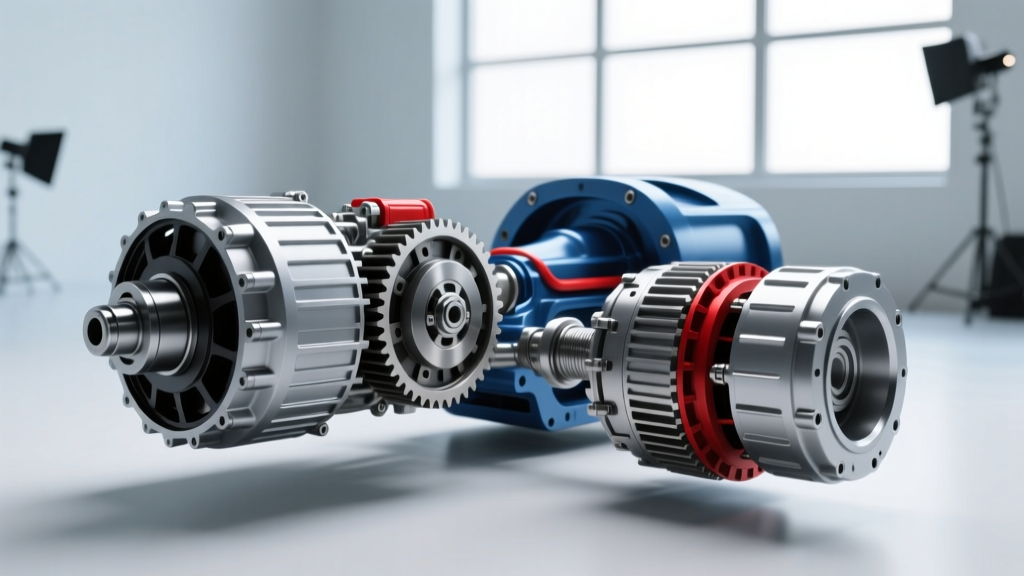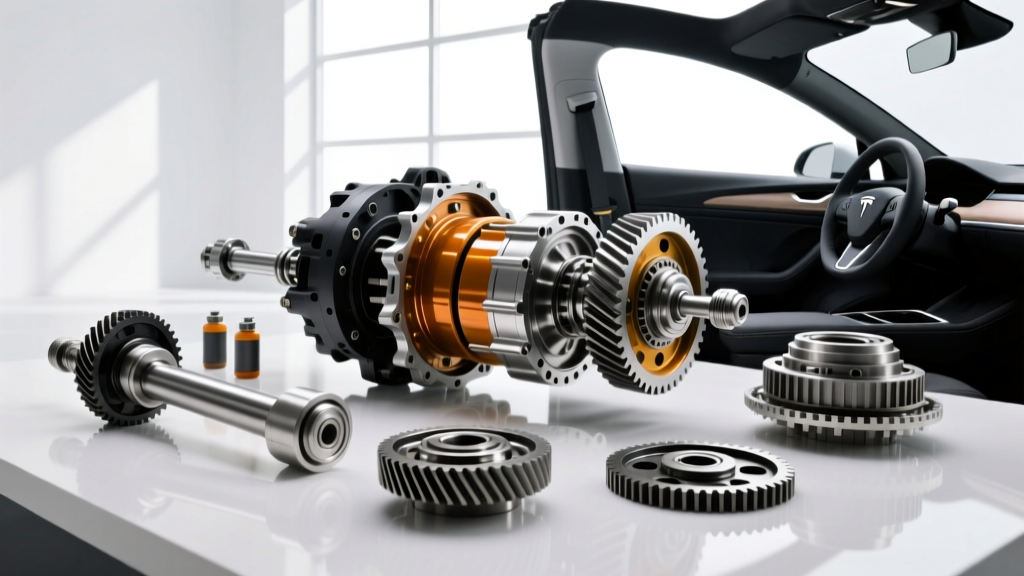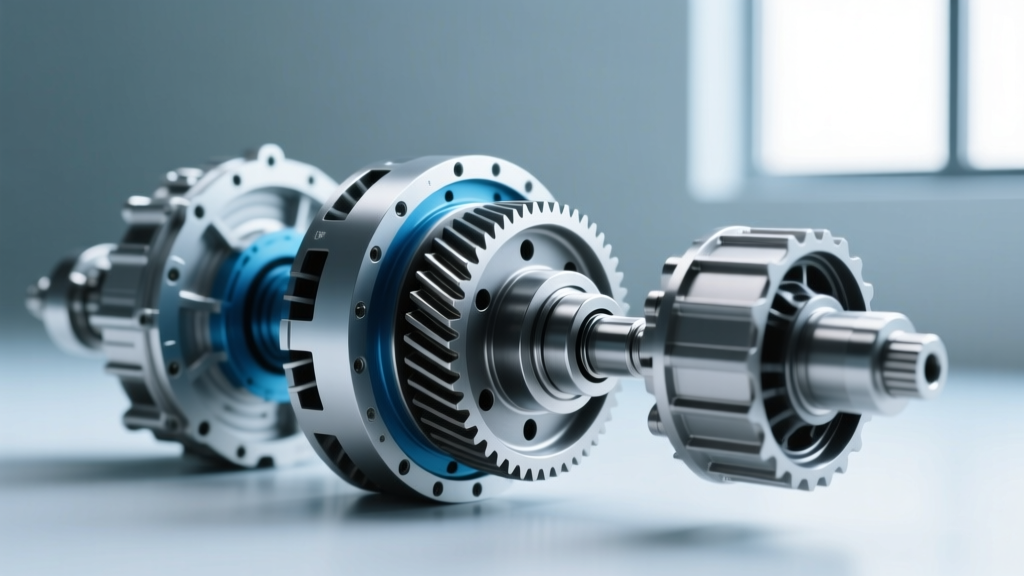
The Core Question: Do EV Cars Have Transmissions?
When enthusiasts, mechanics, and prospective buyers ask, do EV cars have transmissions, the technical answer is yes—but the architecture, complexity, and associated costs are fundamentally different from the multi-speed automatics found in internal combustion engine (ICE) vehicles. While an ICE vehicle requires a complex gearbox to keep the engine within a narrow, efficient powerband (usually between 1,500 and 6,000 RPM), electric motors produce peak torque at 0 RPM and can safely rev to 15,000 or even 20,000 RPM. Consequently, the vast majority of EVs utilize a single-speed reduction gearbox, completely eliminating the need for clutch packs, torque converters, and intricate valve bodies.
However, as we navigate the 2026 automotive landscape, the financial implications of these differing drivetrain layouts are becoming starkly apparent. From routine fluid maintenance to catastrophic failure replacements, the cost analysis between an ICE multi-speed transmission and an EV single-speed drive unit reveals surprising insights about Total Cost of Ownership (TCO). Let us break down the exact pricing, torque specifications, and failure modes that define the EV versus ICE drivetrain debate.
ICE Multi-Speed Transmissions: The Cost of Complexity
To understand the EV cost advantage, we must first baseline the ICE drivetrain. Modern passenger vehicles predominantly rely on 8-speed to 10-speed automatic transmissions. Take the ubiquitous ZF 8HP70 8-speed automatic or the GM 10L90 10-speed automatic. These engineering marvels contain hundreds of precision-machined parts, including multiple planetary gearsets, friction clutches, and a mechatronic valve body that relies on high-pressure hydraulic fluid to execute shifts in milliseconds.
Upfront Replacement and Rebuild Costs
When an ICE transmission fails out of warranty, the financial hit is severe. A remanufactured ZF 8HP transmission, including the torque converter and mechatronic unit, typically costs between $4,500 and $6,500 installed. For heavy-duty applications like the GM 10L90, known for occasional harsh 2-3 shifts and torque converter shudder, a complete dealership replacement can easily exceed $7,000. Rebuilding these units requires specialized knowledge of clutch pack clearances (often measured in thousandths of an inch) and precise valve body bore resizing.
Maintenance and Fluid Intervals
ICE transmissions require regular fluid exchanges to prevent varnish buildup and clutch degradation. The ZF 8HP requires ZF LifeguardFluid 8, and while ZF originally marketed it as a 'lifetime' fluid, industry consensus and independent data from ZF Group's aftermarket service guidelines strongly recommend a fluid and pan-filter change every 60,000 miles. A proper flush and fill utilizing 8 to 10 liters of fluid costs between $300 and $450 at an independent shop, adding up to roughly $1,050 in drivetrain maintenance over 150,000 miles.
EV Single-Speed Reducers: Simplicity and Savings
So, how do EV cars have transmissions that differ in cost? In a standard EV like the Tesla Model 3 or Hyundai Ioniq 5, the 'transmission' is actually a single-speed reduction gear integrated directly into the drive unit housing alongside the electric motor and inverter. For example, the Tesla Model 3 Rear Drive Unit utilizes a 9.73:1 reduction ratio. This single gear multiplication provides the necessary torque for blistering 0-60 mph acceleration while allowing the motor to spin efficiently at highway speeds.
The Porsche Taycan Exception: The 2-Speed EV
It is vital to note that not all EVs use single-speed setups. The Porsche Taycan features a highly complex 2-speed transmission on its rear axle. First gear utilizes a massive 15:1 ratio for explosive launches, while second gear drops to 8:1 for high-speed efficiency and top-speed runs. Because this unit incorporates a dog-clutch shifting mechanism and an electronic actuator, it bridges the gap between ICE complexity and EV performance. Consequently, a Taycan rear drive unit replacement can cost upwards of $9,000 to $12,000, proving that adding mechanical gears to an EV rapidly inflates repair bills.
Standard EV Drive Unit Maintenance Costs
For the 95% of EVs using single-speed reducers, maintenance costs are remarkably low. The reduction gear typically holds only 1.5 to 2.5 liters of fluid (such as Castrol Transmax EV or specific OEM synthetic blends). Because there is no torque converter generating excessive heat and no friction clutches shedding material, the fluid degrades much slower. Most manufacturers recommend an inspection or change at 100,000 miles. A dealership fluid exchange costs roughly $150 to $225, representing a fraction of ICE maintenance costs.
150,000-Mile Drivetrain Cost Comparison
The following table illustrates the projected drivetrain-specific maintenance and replacement risks over a 150,000-mile ownership cycle, based on 2026 market repair averages and Consumer Reports EV reliability data.
| Cost Category | ICE V8 (10-Speed Auto) | Standard EV (Single-Speed) | Performance EV (2-Speed) |
|---|---|---|---|
| Fluid Capacity | 10.5 Quarts (ATF) | 2.4 Liters (EV Gear Oil) | 3.8 Liters (Synthetic) |
| Routine Fluid Changes (150k mi) | $900 - $1,200 | $150 - $300 | $450 - $600 |
| Common Wear Item Replacements | Torque Converter ($1,800) Valve Body ($1,400) | Drive Unit Bearings ($600) Axle Seals ($250) | Dog-Clutch Actuator ($2,200) Bearings ($800) |
| Catastrophic Failure Replacement | $5,500 - $7,500 | $4,000 - $6,000 | $9,000 - $12,000 |
| Estimated 150k TCO (Drivetrain) | $2,100 - $8,700 | $150 - $6,300 | $1,250 - $12,600 |
Failure Modes and Edge Case Repair Bills
Understanding where these drivetrains fail is crucial for used car buyers and fleet managers. The failure modes of ICE transmissions are largely hydraulic and friction-based, whereas EV drive unit failures are typically mechanical (bearings) or electrical (inverters).
ICE Failure Modes: Heat and Hydraulics
- Torque Converter Shudder: Common in GM 8L90 and 10L90 transmissions. The lock-up clutch struggles to engage smoothly due to fluid degradation or software calibration issues. Fix: Fluid flush and TCM reflash ($400) or converter replacement ($1,800).
- Mechatronic Solenoid Failure: The ZF 8HP relies on intricate solenoids to route hydraulic pressure. A failed solenoid causes limp mode. While the part costs $80, accessing it requires dropping the transmission pan and replacing the entire plastic valve body mechatronic sleeve ($850 installed).
- Planetary Gear Wear: High-torque applications (like tuned V8s) can sheer the pins on planetary gearsets, resulting in a total loss of specific gears (e.g., losing 3rd and 4th gear). This mandates a full $5,000+ rebuild.
EV Failure Modes: Bearings and Silicon Carbide
- Drive Unit Bearing Whine: Early Tesla Model 3 and Model Y rear drive units suffered from a clogged internal fluid filter, leading to oil starvation and premature failure of the SKF deep groove ball bearings supporting the rotor shaft. Symptoms include a loud whining noise above 45 mph. Repair involves dropping the unit, splitting the casing, and pressing in new bearings (approx. $800-$1,200 at an independent EV shop).
- Inverter IGBT / SiC MOSFET Failure: The inverter converts DC battery power to AC for the motor. In 2026, most new EVs use highly efficient Silicon Carbide (SiC) inverters integrated directly into the drive unit casting to save weight and reduce cooling loops. If a single $40 SiC MOSFET fails due to a voltage spike or thermal event, the entire integrated drive unit often must be replaced, resulting in a $5,500 bill. (Note: Most are covered by the federally mandated 8-year/100,000-mile EV powertrain warranty).
- Half-Shaft and Axle Nut Issues: EVs deliver instant torque, which places immense stress on CV joints and half-shafts. When replacing an EV half-shaft, adherence to exact torque specs is critical. For instance, the Tesla Model 3 rear axle nut requires a massive 258 Nm (190 lb-ft) of torque, plus a specific staking procedure to prevent the hub from separating under hard acceleration.
The 2026 Verdict: Total Cost of Ownership
According to the EPA's guidelines on electric vehicle ownership, EVs generally exhibit lower long-term maintenance costs, and the drivetrain is a primary reason why. When consumers ask if EV cars have transmissions, the realization that these 'transmissions' are essentially just a pair of helical gears sitting in an oil bath provides immense peace of mind.
While the upfront replacement cost of an integrated EV drive unit is comparable to a modern ICE automatic transmission, the frequency of failure is drastically lower. An ICE transmission is a wear item by design; its clutch packs are meant to slip and degrade over time. An EV reduction gear, by contrast, is a solid-state mechanical linkage that, provided its bearings are lubricated and its inverter is kept within thermal limits, will easily outlast the 200,000-mile lifespan of the vehicle's chassis. For the cost-conscious buyer, the single-speed EV drivetrain remains one of the most financially sound engineering paradigms of the modern automotive era.