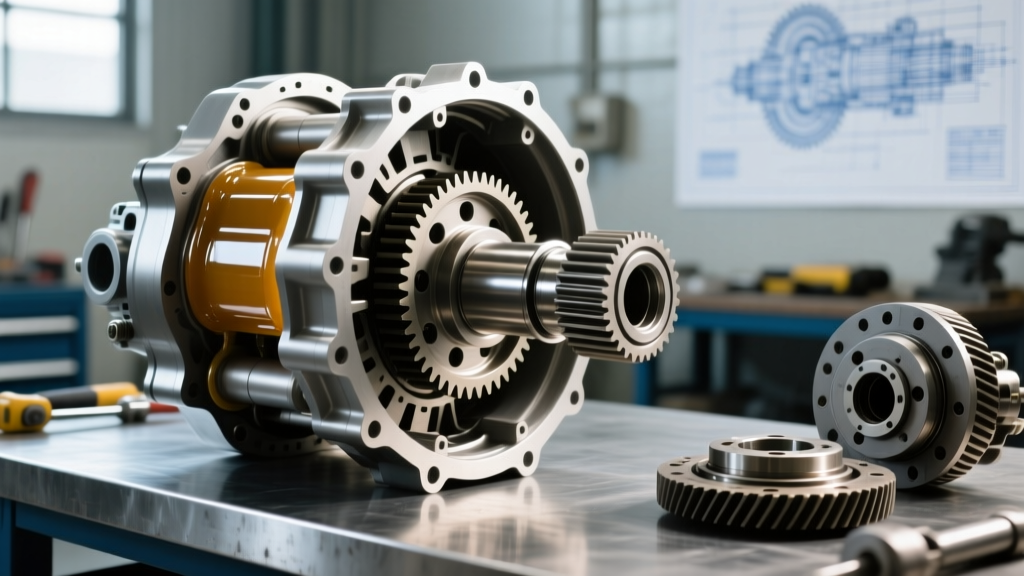
The Nomenclature Trap: EGR DPFE vs. eLSD Pressure Sensors
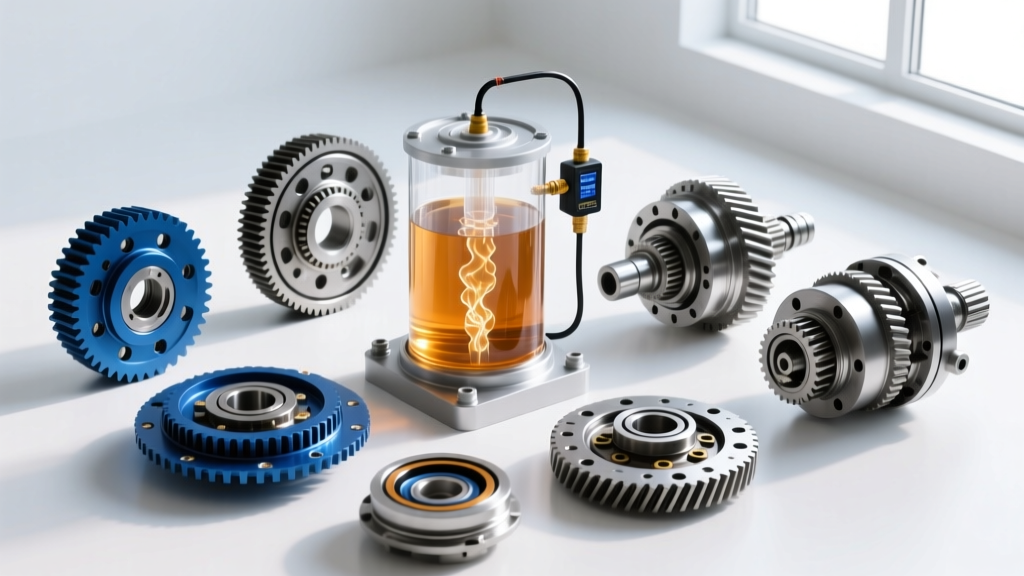
Before diving into axle maintenance, we must address a pervasive diagnostic confusion in the automotive repair world. When technicians and DIYers search for a differential pressure feedback sensor, they are frequently conflating two entirely different systems. In engine management, the Differential Pressure Feedback EGR (DPFE) sensor monitors exhaust gas recirculation flow. However, in the context of the drivetrain, this terminology refers to the hydraulic clutch pressure feedback sensors utilized in modern Electronic Limited-Slip Differentials (eLSDs).
As we navigate the 2026 automotive landscape, traditional mechanical limited-slip differentials (LSDs) are increasingly being replaced or supplemented by eLSDs in performance and off-road platforms (such as the GM Alpha chassis, Ford Performance axles, and ZF-based drivetrains). These advanced axles use internal hydraulic pumps and pressure feedback sensors to modulate clutch pack lockup in real-time. Understanding the distinction is critical: an engine DPFE sensor will throw a P0401 code, while an eLSD hydraulic pressure sensor fault will trigger chassis DTCs like C0390 or C0394 and severely compromise your axle's torque-vectoring capabilities.
eLSD Operation and the Role of Hydraulic Pressure Feedback
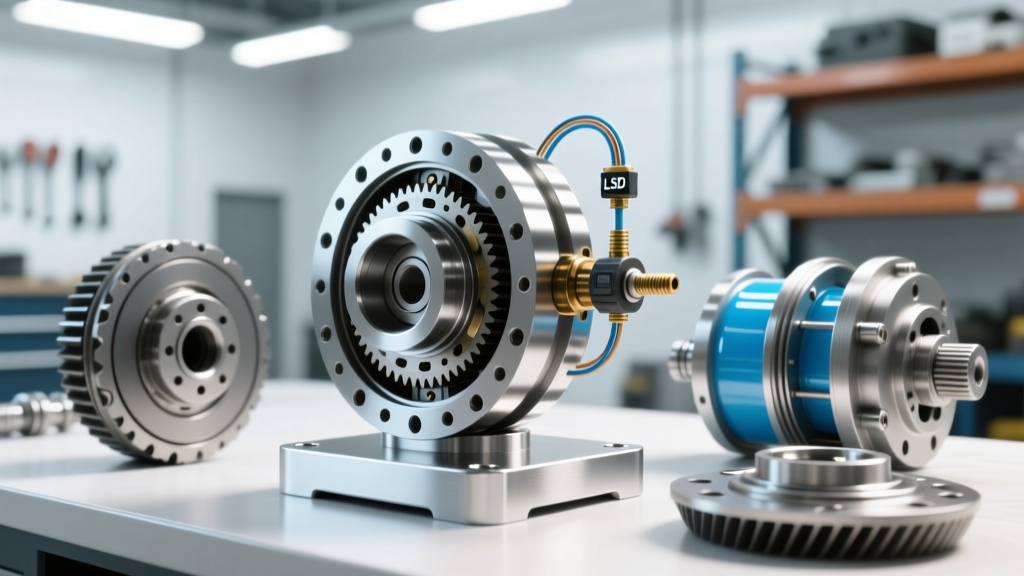
Unlike a traditional clutch-type or helical-gear (Torsen) LSD that relies purely on mechanical ramp angles and static fluid friction, an eLSD utilizes an internal electro-hydraulic pump to apply a multi-plate clutch pack. The control module (often integrated into the axle housing or managed by the Chassis Control Module) dictates lockup percentages from 0% (open) to 100% (fully locked).
How the Feedback Loop Works
To ensure the clutch pack applies exactly the requested torque without slipping or binding, the system relies on a closed-loop hydraulic circuit. The differential pressure feedback sensor monitors the actual hydraulic fluid pressure being applied to the clutch pistons. If the sensor detects a pressure drop—often caused by degraded gear oil, a failing internal pump, or a clogged micro-filter—the module will default to an open-differential fail-safe mode to prevent clutch burn-up.
Expert Insight: If your eLSD-equipped vehicle is exhibiting 'Service Traction Control' warnings alongside rear-axle whining, do not immediately replace the ring and pinion. Scan the chassis network for eLSD pressure sensor rationality codes first. Fluid degradation is the number one cause of false pressure readings.
Mechanical vs. Electronic LSD Maintenance Matrix
Maintenance protocols vary wildly between traditional mechanical LSDs and modern eLSDs. Using the wrong fluid or omitting the friction modifier in a mechanical unit will result in immediate chatter, while over-modifying an eLSD can cause hydraulic pump cavitation. Review the matrix below before servicing your axle.
| Feature | Mechanical Clutch LSD (e.g., Eaton Posi, Auburn) | Electronic LSD (e.g., GM G80 eLSD, Ford eLSD) | Helical / Torque-Biasing (e.g., Torsen, Detroit Truetrac) |
|---|---|---|---|
| Base Fluid Spec | 75W-90 or 80W-90 GL-5 | 75W-85 GL-5 or Dexron ULV (Model Dependent) | 75W-90 GL-5 |
| Friction Modifier | Required (e.g., Motorcraft XL-3, GM EOS) | Rarely Required / Pre-blended | Not Required (Can cause slip) |
| Typical Capacity | 2.5 - 3.5 Pints | 3.0 - 4.2 Pints (Includes pump reservoir) | 2.5 - 3.5 Pints |
| Service Interval | 30,000 - 50,000 miles | 50,000 - 100,000 miles (Severe: 30k) | 60,000+ miles |
| Primary Failure Mode | Clutch chatter, cone wear | Pump failure, sensor faults, filter clog | Gear wear (rare) |
Step-by-Step Differential Fluid Service & Torque Specs
Whether you are servicing a traditional Ford 8.8-inch mechanical LSD or a modern GM 9.5-inch eLSD, precision is paramount. Contamination in an eLSD hydraulic circuit will destroy the pressure feedback sensor and the internal pump.
1. Preparation and Extraction
Warm the axle to operating temperature (approximately 120°F to 140°F) to suspend metallic particulates in the oil. Remove the fill plug before the drain plug or dropping the cover. For eLSDs with external reservoirs or integrated pumps, you may need to use a pneumatic fluid evacuator to pull fluid from the sensor housing cavities.
2. Cover Removal and Inspection
When removing the differential cover, inspect the magnet. A fine metallic paste is normal for hypoid ring and pinion gears. However, chunky ferrous debris or brass-colored flakes (indicating thrust washer or synchronizer wear) requires an immediate teardown.
3. Torque Specifications for Reassembly
Never reuse stretched cover bolts, and always use a high-quality RTV silicone (like Permatex Ultra Black) if a gasket is not specified. Adhere strictly to these OEM torque specs:
- GM 10-Bolt / 12-Bolt Cover Bolts: 25 lb-ft (34 Nm)
- Ford 8.8-inch Cover Bolts: 28 - 38 lb-ft (38 - 51 Nm)
- Stellantis / Ram ZF Rear Axle Cover: 30 lb-ft (40 Nm)
- eLSD Internal Pump Mounting Bolts: 8 - 10 lb-ft (Do not overtighten; these are often small M6 fasteners that strip easily in the aluminum housing).
Friction Modifier Chemistry: Why It Matters
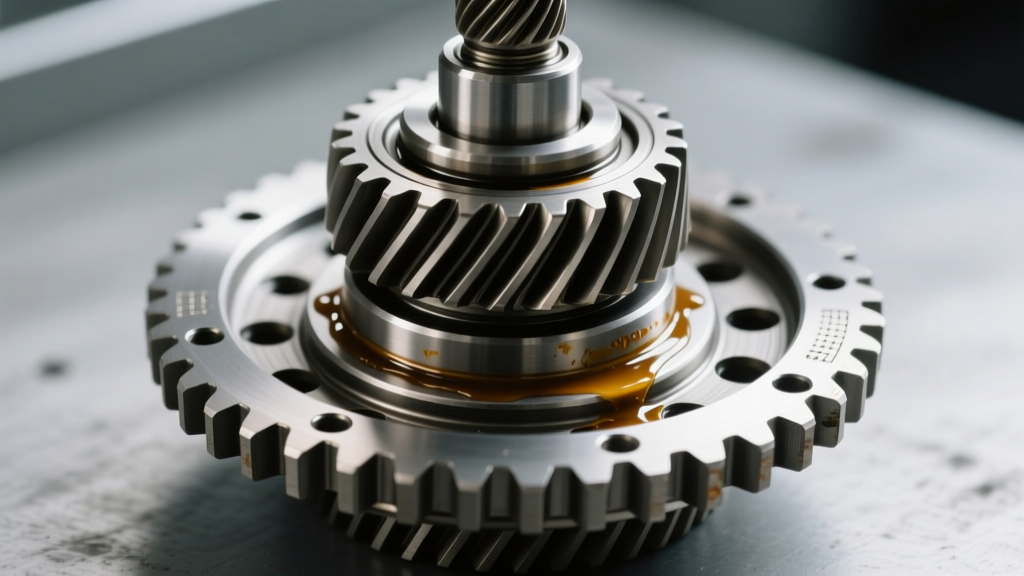
For mechanical limited-slip differentials, the friction modifier (FM) is not just an additive; it is a vital component of the clutch pack's operation. FMs are typically long-chain organic esters that bond to the metallic and composite surfaces of the clutch discs. This bonding alters the coefficient of friction, transitioning the clutch engagement from a harsh 'stick-slip' boundary lubrication regime to a smooth, progressive engagement.
If you omit the FM (such as Motorcraft XL-3 EST-M2C118-A or GM EOS), the clutches will grab and release rapidly during low-speed turns, producing a violent chattering sensation that can eventually shatter the side gears. Conversely, adding FM to a Torsen or Truetrac helical gear differential reduces the bias ratio, effectively neutering the torque-biasing capability of the unit.
Diagnosing eLSD Pressure Sensor Faults (DTCs)
When the chassis control module detects an anomaly with the hydraulic apply circuit, it sets specific diagnostic trouble codes. Here is how to interpret them:
- DTC C0390 (eLSD Clutch Pressure Sensor Circuit): The module sees an open or short in the sensor wiring. Check the external harness connector for corrosion, a common issue in trucks exposed to road salt.
- DTC C0394 (eLSD Clutch Pressure Rationality): The sensor is functioning electrically, but the physical pressure does not match the commanded pressure. This is almost always a fluid issue (wrong viscosity, air entrainment) or a failing internal hydraulic micro-filter.
- DTC C0389 (eLSD Pump Motor Circuit): The electro-hydraulic pump is drawing too many amps, often due to thick, degraded fluid or mechanical binding in the gerotor pump.
Clutch Pack Wear Thresholds and Rebuild Specs
When maintenance is ignored, the clutch packs inside both mechanical and electronic LSDs will wear past service limits. According to Eaton Corporation's service guidelines, evaluating a limited-slip clutch pack requires precise measurement.
Using a dial indicator and a clutch pack compression tool, measure the total pack clearance. For most GM and Ford 31-spline axles, the maximum allowable clearance before the S-spring (or wave spring) loses its preload is 0.060 inches. If your measurement exceeds this threshold, no amount of fresh 75W-90 or friction modifier will save the differential from slipping under heavy load. You must replace the composite clutch discs, steel reaction plates, and the preload spring as a complete matched kit.
Summary: Protecting Your Drivetrain Investment
Whether you are maintaining a classic mechanical Posi-traction unit or diagnosing a sophisticated differential pressure feedback sensor on a modern eLSD, the underlying principle remains the same: hydraulic and mechanical systems demand exact fluid specifications, precise torque values, and rigorous diagnostic logic. By understanding the chemistry of your gear oil and the electronic feedback loops governing your axle, you ensure optimal traction, longevity, and performance for your vehicle's drivetrain.