The Viscosity Misconception: RC Charts vs. SAE Gear Oil
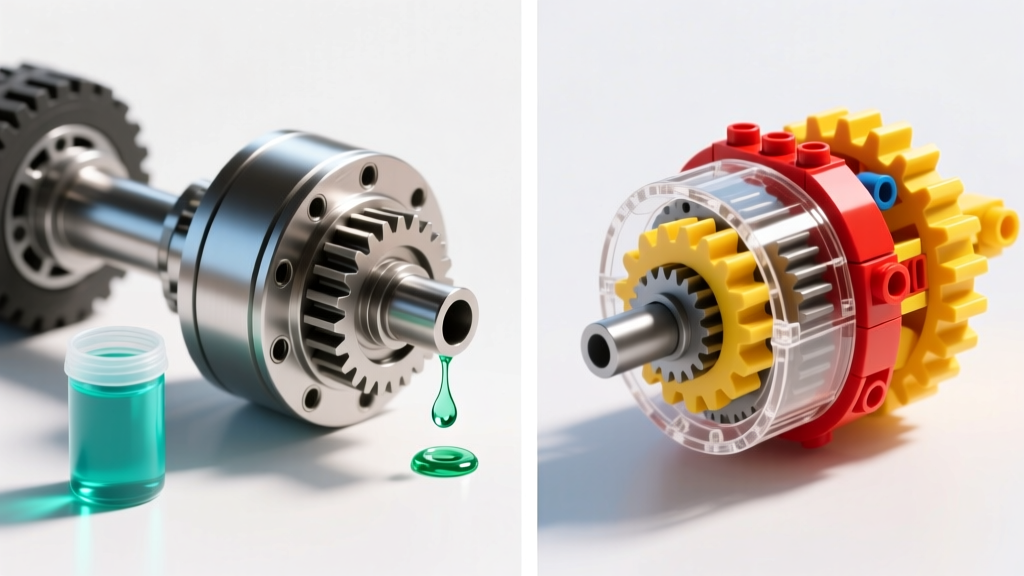
When enthusiasts transition from high-performance radio-controlled vehicles to full-scale automotive drivetrains, a common point of confusion arises regarding fluid dynamics. While tuning a 1/8-scale basher might lead you to an rc differential oil chart to select between 10,000 CST and 100,000 CST silicone fluids, full-size automotive axles operate on an entirely different tribological scale. In the RC world, differential tuning is about managing slip and traction bias using ultra-thick silicone oils. In the real world of Dana 60s, Ford 10.5-inch, and GM 11.5-inch axles, gear oil must manage extreme pressure (EP), thermal breakdown, and hypoid gear sliding friction.
Using the wrong fluid viscosity or neglecting friction modifiers is the leading cause of premature differential noise and catastrophic failure. As we move through 2026, modern trucks are towing heavier loads than ever, pushing hypoid gear temperatures past 250°F (121°C). Understanding the auditory symptoms of fluid degradation and mechanical wear is critical for any drivetrain specialist.
| Fluid Metric | RC Differential (CST) | Full-Size Axle (SAE) | Primary Function |
|---|---|---|---|
| Low Viscosity | 1,000 - 5,000 CST | 75W-80 / 75W-90 | Reduce parasitic drag, improve cold-weather MPG |
| Medium Viscosity | 10,000 - 30,000 CST | 80W-90 / 75W-140 | Standard towing, daily driving, moderate heat |
| High Viscosity | 50,000 - 100,000+ CST | 85W-140 / 250 | Heavy towing, competition crawling, shock loading |
Auditory Diagnostics: Decoding Differential Noise
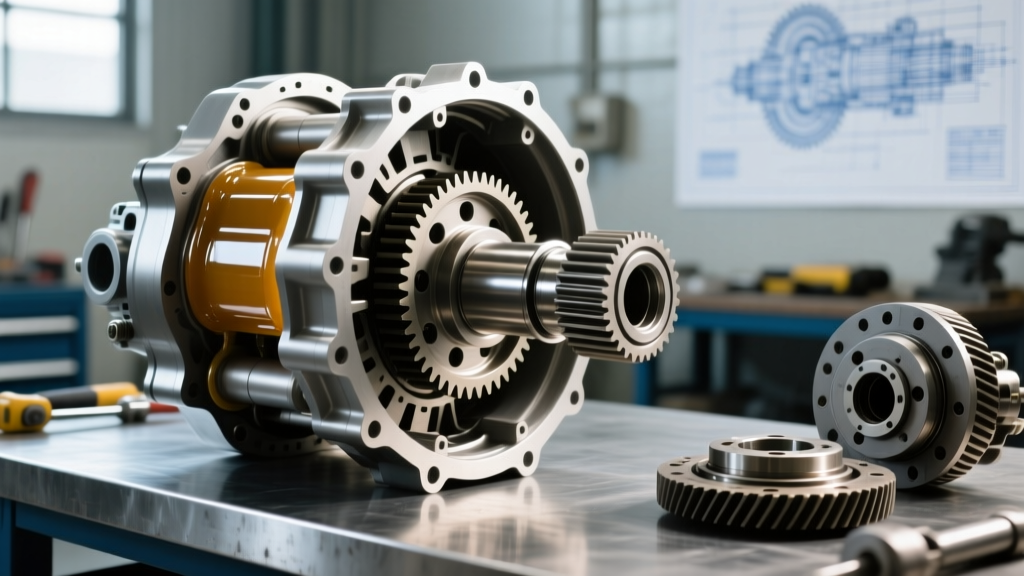
Differential noise is rarely ambiguous if you know how to listen. The gears inside a center section—specifically the ring and pinion—are hypoid cut, meaning the pinion gear sits below the centerline of the ring gear. This creates a massive amount of sliding friction, requiring API GL-5 certified fluids with high zinc and phosphorus content. When the fluid shears, or when the gear pattern shifts due to bearing wear, the axle will vocalize the exact nature of the failure.
1. Acceleration Howl vs. Coast-Down Whine
The most critical diagnostic test is the load-reversal test. Find a safe, empty stretch of road and accelerate hard from 30 to 50 mph, then immediately let off the throttle and coast.
- Howl on Acceleration: If the axle howls like a distant jet engine only while under throttle, the drive side (convex side) of the ring gear teeth is worn, or the pinion depth is set too shallow. This can also indicate a failing pinion bearing that is allowing the pinion gear to deflect away from the ring gear under torque.
- Whine on Deceleration: If the noise appears the moment you lift off the throttle, the coast side (concave side) of the gear teeth is compromised. This is frequently caused by excessive backlash or a pinion depth that is set too deep.
2. Limited-Slip Chatter and the Friction Modifier Fix
If your vehicle is equipped with a clutch-type Limited Slip Differential (LSD)—such as the Eaton Truetrac, Auburn Gear, or factory Ford 8.8 Traction-Lok—and you hear a rhythmic 'chatter' or 'clunk' during low-speed, tight-radius turns, your friction modifier is depleted. The clutch packs are binding and releasing rapidly. Before tearing into the differential, perform a fluid flush using a high-quality synthetic like Amsoil Severe Gear 75W-90 or Red Line 75W-90, and add exactly 2 to 4 ounces of OEM friction modifier (e.g., Ford EST-M2C118-A or GM EOS). Drive the vehicle in tight figure-eights for 15 minutes to work the additive into the clutch discs.
3. The Dreaded Clunk: Backlash and Crush Sleeves
A metallic 'clunk' when shifting from Reverse to Drive, or when abruptly lifting off the throttle, indicates excessive rotational backlash. While factory spec for backlash typically sits between 0.006" and 0.010", a clunk usually means the clearance has exceeded 0.020". This is often caused by a collapsed pinion crush sleeve. Over-torquing the pinion nut during a previous fluid change or U-joint replacement can over-crush the sleeve, preloading the bearings too tightly, which leads to rapid bearing destruction and subsequent gear slop.
Magnetic Plug Analysis: Reading the Metal
Every proper differential service involves inspecting the magnetic drain plug. The debris trapped on the magnet tells the story of the axle's internal health long before the gears begin to whine.
Expert Rule of Thumb: Fine, glitter-like paste is normal wear for an axle with 50,000+ miles. Flat, fingernail-sized shards of bronze indicate a failing pinion or carrier bearing cage. Jagged, silver chunks of steel mean the ring and pinion teeth are spalling, and a full teardown is mandatory.
If you find bronze flakes, the needle bearings inside the pinion head or the carrier side bearings are disintegrating. No amount of 75W-140 gear oil will save a bearing with a compromised cage. The differential must be removed, pressed apart, and rebuilt with a master bearing kit (Timken or SKF preferred).
Expert Torque Specs and Rebuild Thresholds
Diagnosing noise often leads to a teardown. When reassembling a differential, guesswork is not an option. Below are standard baseline specifications for the ubiquitous Dana 44 and GM 10-Bolt axles, though you must always consult the specific OEM service manual for your exact gear ratio and housing.
- Ring Gear Bolt Torque: 70-85 ft-lbs (Always apply Red Loctite 271 to the threads to prevent backing out under high-torque shock loads).
- Pinion Nut Torque (Crush Sleeve): 200-250 ft-lbs to initiate crush, but the rotating preload must be measured with an inch-pound beam torque wrench. Target 15-25 in-lbs of rotating torque for used bearings, or 20-35 in-lbs for brand-new bearings.
- Backlash Tolerance: 0.006" - 0.010" (Measured at 3 equidistant points on the ring gear using a magnetic dial indicator).
- Gear Pattern Reading: The paint pattern (using yellow gear marking compound) must be centered on the tooth face. A pattern biased toward the toe requires moving the pinion deeper; a pattern biased toward the heel requires moving the pinion outward.
Cost Breakdown: Fluid Service vs. Full Rebuild
Addressing differential noise early is the difference between a routine maintenance interval and a four-figure repair bill. Below is a realistic 2026 pricing breakdown for full-size truck and SUV axle services.
| Service Level | Procedure | Estimated Cost (Parts & Labor) |
|---|---|---|
| Basic Fluid Swap | Drain, fill with 75W-90 GL-5, inspect plug | $80 - $150 |
| LSD Chatter Fix | Fluid flush, friction modifier, figure-8 bedding | $120 - $180 |
| Bearing & Seal Refresh | Replace pinion seal, carrier bearings, set preload | $600 - $950 |
| Full R&P Rebuild | New ring/pinion, master kit, machine work, setup | $1,500 - $2,800+ |
For authoritative setup procedures and gear pattern images, drivetrain technicians frequently reference the Ring & Pinion technical library, which offers some of the most comprehensive visual guides for hypoid gear setup in the industry. Additionally, verifying your API GL-5 fluid certifications ensures the additive package meets the extreme pressure requirements outlined by the American Petroleum Institute.
Final Diagnosis: Don't Ignore the Whine
While an RC differential oil chart is a fun tool for maximizing traction on a 1/8-scale truggy, full-size axle diagnostics require a methodical, scientific approach. Differential noise is a check-engine light for your drivetrain. A howl on deceleration, a chatter in the parking lot, or a clunk on the highway are all urgent warnings. By understanding the relationship between SAE viscosity, EP additives, and hypoid gear geometry, you can accurately diagnose the root cause of the noise and execute a precision repair that will outlast the vehicle itself.