Beyond the Owner's Manual: Condition-Based Differential Maintenance
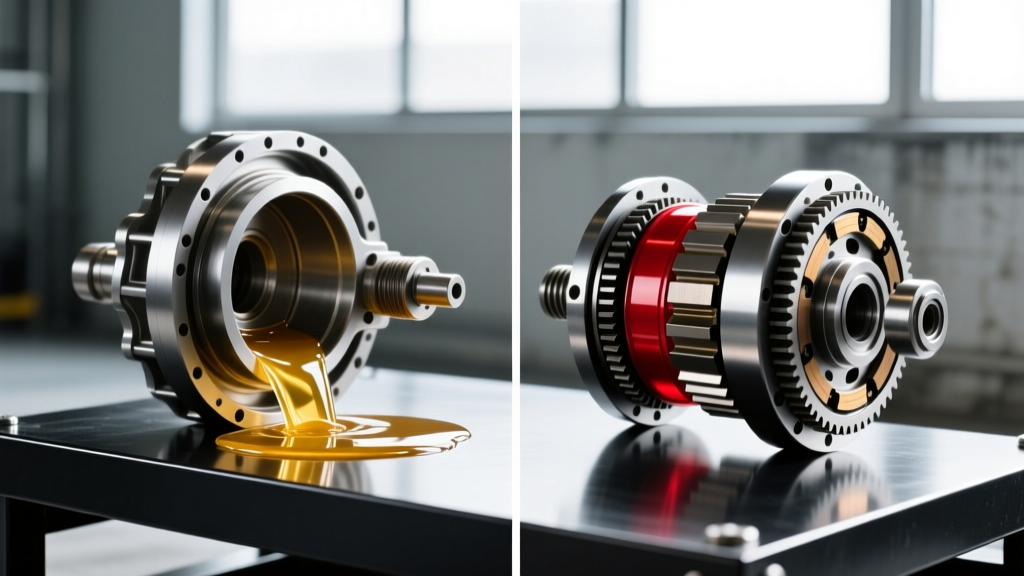
For decades, the automotive industry has relied on arbitrary mileage intervals for differential fluid changes. Whether your manual suggests 30,000, 50,000, or 100,000 miles, time-based maintenance is inherently flawed. It ignores the reality of fluid shear, thermal degradation, and particulate loading. In 2026, advanced fleet managers and heavy-duty off-road enthusiasts have pivoted to condition-based monitoring. By integrating a differential pressure transmitter for flow measurement into external axle cooling and filtration loops, mechanics can now measure exact fluid degradation and perform a differential fluid change precisely when the lubricant fails, not when a calendar dictates.
This step-by-step guide bridges the gap between industrial condition-monitoring diagnostics and the physical, hands-on procedure of draining, cleaning, and refilling modern heavy-duty axles like the Dana Spicer 80, AAM 11.5, and Ford 10.5-inch ring gear housings.
Using a Differential Pressure Transmitter for Flow Measurement
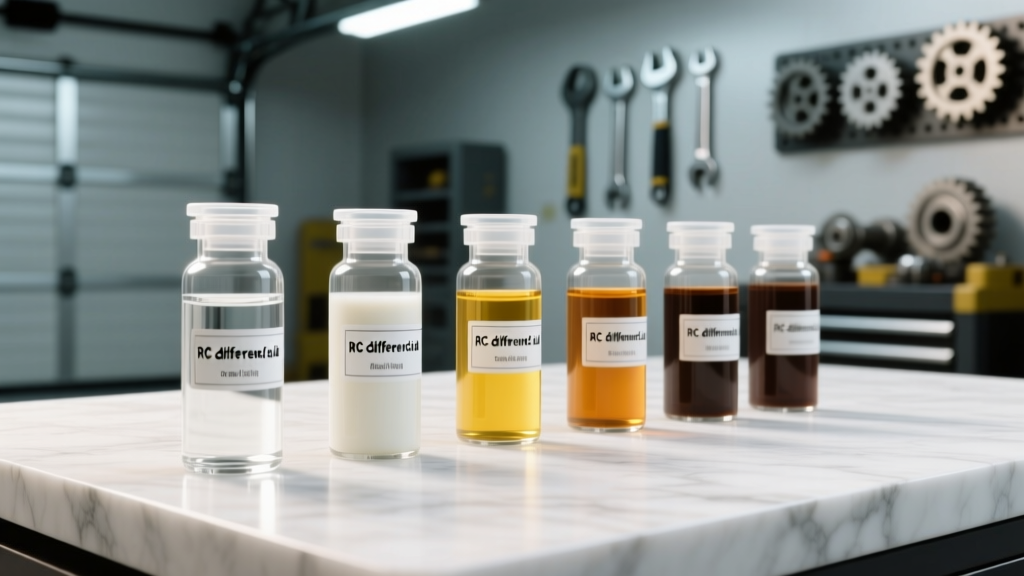
To understand why fluid intervals are changing, we must look at gear oil rheology. Synthetic 75W-140 gear oils rely on complex polymer viscosity index (VI) improvers. Under the extreme shearing forces of a hypoid ring and pinion gear set, these polymers physically tear, causing permanent viscosity loss. Concurrently, wear metals and clutch material from limited-slip differentials (LSD) increase fluid density and sludge formation.
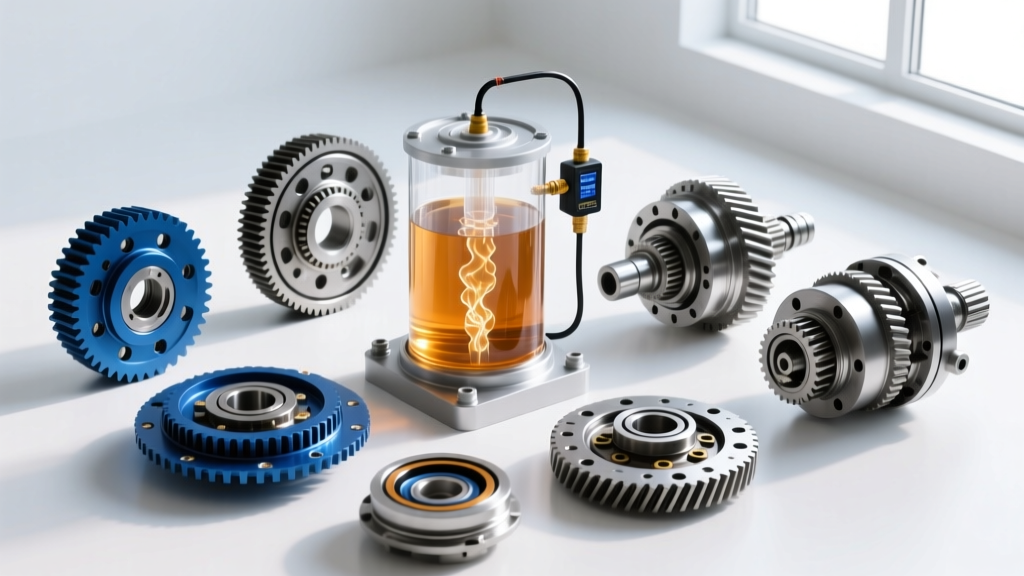
In commercial fleets equipped with external axle coolers (common on Ram 3500/4500 duallys and Class 8 trucks), a differential pressure transmitter for flow measurement is plumbed across the axle's 10-micron bypass filter or cooler orifice. As the gear oil shears (thins out) or oxidizes (thickens with sludge), the pressure drop (ΔP) across the circuit changes. A high-precision transmitter, such as a Rosemount 3051S or Yokogawa EJA110E (typically a $2,000+ investment for fleet diagnostic benches), calculates the real-time flow dynamics. When the ΔP deviates by more than 15% from the baseline established with fresh fluid, the system flags the axle for a fluid change. This data-driven approach is supported by the SAE J306 standard for axle lubricant viscosity, which outlines the strict shear-stability requirements modern gear oils must meet.
Standard vs. Condition-Based Differential Fluid Intervals
By utilizing flow measurement and fluid analysis, heavy-duty axle service intervals can be safely extended, provided the correct synthetic lubricants and friction modifiers are used. Below is a comparison of OEM recommendations versus real-world condition-based intervals verified by Dana Spicer technical service bulletins and American Axle & Manufacturing (AAM) service guidelines.
| Axle Model | OEM Interval | Condition-Based Interval | Capacity | Fluid Spec | Fill Plug Torque |
|---|---|---|---|---|---|
| Dana Spicer 80 | 50,000 mi | 80,000 - 120,000 mi | 3.7 qt | 75W-140 Syn | 25 lb-ft |
| AAM 11.5" (GM/Ram) | 50,000 mi | 100,000+ mi | 4.0 qt | 75W-140 Syn | 25 lb-ft |
| Ford 10.5" (Super Duty) | 100,000 mi | 150,000 mi | 3.5 qt | 75W-140 Syn | 25 lb-ft |
Step-by-Step Differential Fluid Change Procedure
Whether your pressure transmitter flagged the axle or you are performing routine maintenance, the physical procedure requires strict adherence to torque specs and chemical compatibility. In 2026, a quart of premium 75W-140 synthetic gear oil costs between $18 and $24, making a complete DIY axle service cost roughly $80-$110 in materials, compared to $180-$250 at a dealership.
Phase 1: Preparation and the 'Fill Plug First' Rule
The most catastrophic mistake a novice can make is draining the differential before verifying the fill plug can be removed. If the fill plug is seized and you have already drained the housing, the vehicle is immobilized.
- Step 1: Safely elevate the vehicle and support the axle housing on jack stands. Never work under a vehicle supported only by a hydraulic jack.
- Step 2: Clean the area around the fill plug with a wire brush. Remove the fill plug (typically a 3/8-inch square drive or 3/4-inch NPT plug) using the appropriate tool. Verify fluid is present.
- Step 3: Place a high-capacity drain pan (minimum 5-gallon capacity to prevent splashing) beneath the differential. Remove the drain plug or loosen the bottom edge of the differential cover if no dedicated drain plug exists.
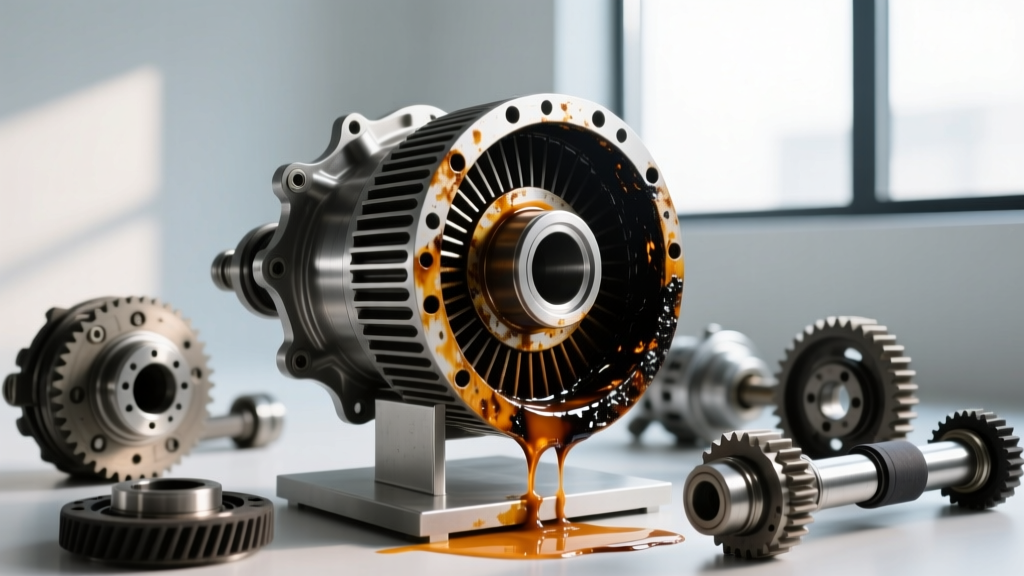
- Step 4: Allow the fluid to drain completely. Inspect the drain plug magnet. A fine, grey metallic paste is normal hypoid gear wear. Large chunks, brass-colored shavings (thrust washers), or glitter indicate catastrophic bearing or gear failure requiring a full rebuild.
Phase 2: Housing Prep and RTV Application
Most modern heavy-duty axles do not use pre-cut cork or rubber gaskets; they rely on Room Temperature Vulcanizing (RTV) silicone sealant.
- Step 1: Remove the differential cover bolts in a crisscross pattern to prevent warping the stamped steel or cast aluminum cover.
- Step 2: Scrape all old RTV material from both the axle housing and the cover using a plastic gasket scraper. Never use a metal razor blade on the mating surface, as deep gouges will cause permanent oil leaks.
- Step 3: Wipe the mating surfaces with non-chlorinated brake cleaner and a lint-free shop towel. Chlorinated solvents can degrade the internal axle seals and bearing cages.
- Step 4: Apply a continuous 3mm to 5mm bead of high-temp, oil-resistant RTV (such as Permatex Ultra Black or 'The Right Stuff') to the cover. Ensure the bead fully encircles every bolt hole.
- Step 5: Reinstall the cover and torque the bolts to 20-25 lb-ft in a star pattern. Allow the RTV to cure for the manufacturer's specified time (usually 1 to 12 hours) before filling with fluid.
Phase 3: Refilling and Friction Modifiers
75W-140 synthetic gear oil is highly viscous. Attempting to squeeze it from a standard bottle into the fill hole is an exercise in frustration. Use a pneumatic fluid pump or a high-quality manual hand pump designed for heavy gear oils.
- Step 1: If your vehicle is equipped with a clutch-type Limited Slip Differential (LSD), you must add a friction modifier. For Ford axles, this means adding exactly 4 oz of Motorcraft XL-3 (ESTO2H specification) before adding the bulk gear oil. Failure to do so will result in severe 'chatter' and binding during low-speed turns.
- Step 2: Pump the 75W-140 synthetic fluid into the fill hole until it reaches the exact bottom edge of the fill plug threads. The fluid should just begin to weep out of the hole.
- Step 3: Reinstall the fill plug. Apply a small amount of PTFE pipe thread sealant if it is an NPT plug, or ensure the O-ring is lubricated and intact if it is an O-ring boss plug. Torque the fill plug to 25 lb-ft.
- Step 4: Wipe down the entire axle housing with degreaser to remove any spilled fluid, which can smoke and burn when the exhaust system heats up.
Integrating Flow Measurement into Fleet Axle Cooling Loops
For commercial towing fleets operating in extreme thermal environments (e.g., heavy hauling through mountain passes), standard differential fluid changes are not enough. These rigs utilize external PTO-driven or electric gear pumps to route hot differential fluid to a finned cooler. Integrating a differential pressure transmitter into this bypass loop allows the fleet's telematics system to monitor fluid health in real-time. When the transmitter detects a ΔP spike—indicating the fluid has oxidized into sludge and is restricting the 10-micron filter—the maintenance software automatically schedules the truck for the exact fluid change procedure outlined above. This synthesis of industrial sensor technology and traditional mechanical wrenching represents the pinnacle of modern drivetrain maintenance, ensuring maximum ring and pinion lifespan while eliminating unnecessary fluid waste.