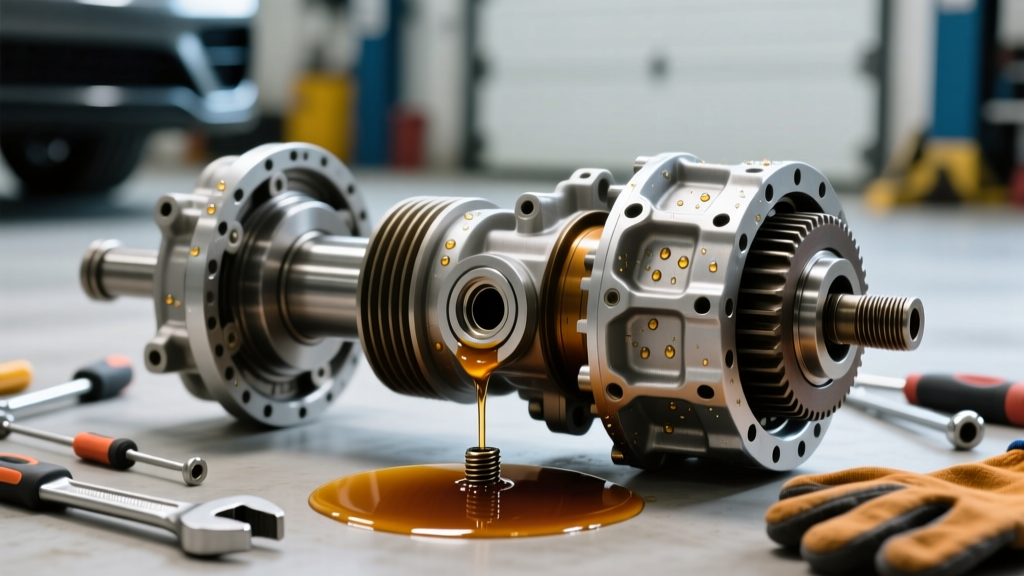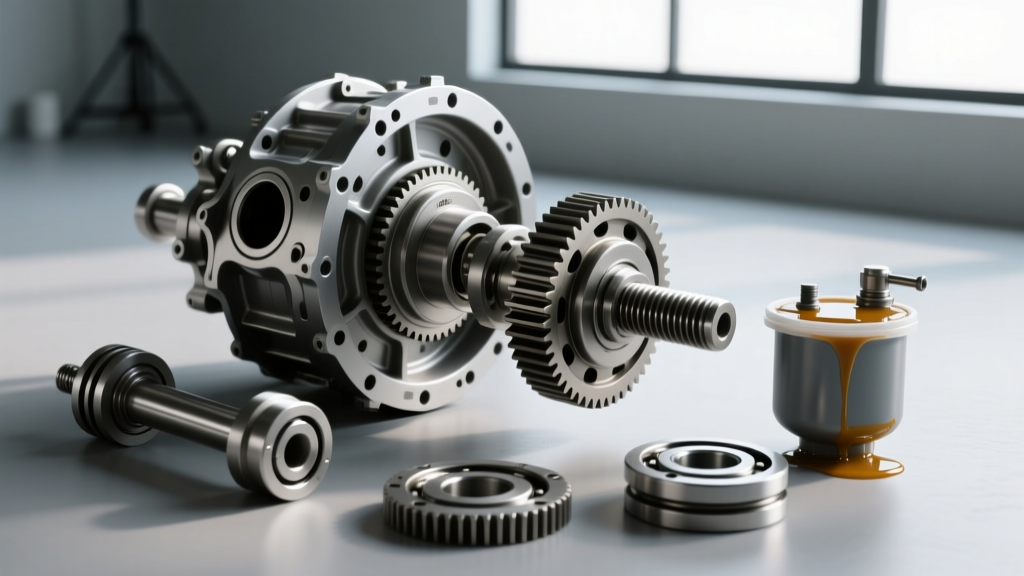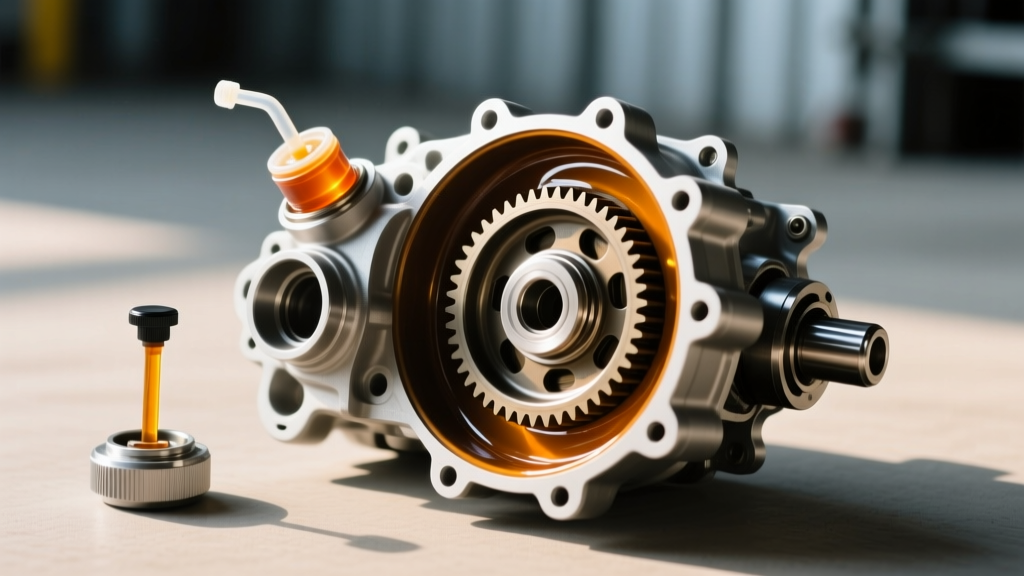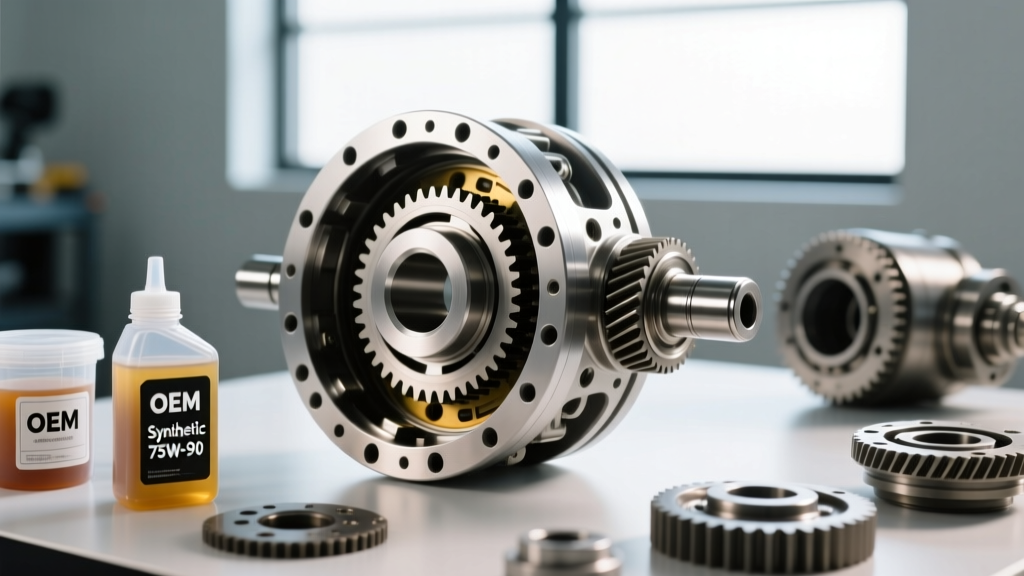
The rapid adoption of the electric locking differential in modern trucks and SUVs—from the Ford F-150's electronic locker to the Eaton eLocker found in heavy-duty off-road applications—has fundamentally changed axle maintenance. Unlike traditional clutch-based limited-slip differentials (LSDs) or purely mechanical locking units like the GM G80, electric lockers rely on electromagnetic coils and precision actuator mechanisms housed directly inside the differential fluid bath. As we move through 2026, understanding the exact gear oil specifications required to protect these expensive electronic components is no longer optional; it is a critical financial safeguard.
This comprehensive cost analysis and specification breakdown will dissect the true price of differential maintenance, the chemical requirements of electronic actuators, and the hidden costs of using the wrong gear oil.
The Hidden Cost of Fluid Degradation on Electric Actuators
To understand the cost analysis of differential gear oil, you must first understand the failure mechanics of an electric locking differential. The electromagnetic coil that engages the locking pins operates in an environment of extreme thermal cycling and high shearing forces.
- Thermal Insulation via Foaming: When conventional mineral-based gear oils are subjected to the churning action of the ring and pinion, they can aerate and foam. Foam acts as a thermal insulator. If the fluid surrounding the electric actuator housing cannot dissipate heat, the internal coil temperature spikes, eventually melting the protective potting resin and causing a catastrophic short circuit.
- Metallic Debris and Magnetic Interference: Standard gear oils lack the advanced suspension agents found in premium synthetics. As the ring and pinion gears wear, microscopic metallic particles circulate. Because the locker relies on an electromagnetic field, heavy metallic sludge can accumulate on the actuator armature, causing mechanical binding or weakening the magnetic pull required to engage the locker.
Replacing a failed electric actuator assembly typically costs between $450 and $850 in parts alone, not including the labor to pull the axle shafts and open the differential housing. Spending an extra $40 on premium synthetic gear oil is a high-yield insurance policy.
Exact Gear Oil Specifications for Electronic Axles
When servicing an axle equipped with an electric locker, the API (American Petroleum Institute) and SAE (Society of Automotive Engineers) classifications are your baseline. According to API gear oil classifications, you must strictly adhere to API GL-5 specifications to protect the hypoid ring and pinion gears from extreme-pressure (EP) scuffing.
The MIL-PRF-2105E Standard
For 2026, any premium gear oil used in an electronic locking differential should meet or exceed the MIL-PRF-2105E military specification. This spec mandates rigorous testing for:
- High-speed, high-torque scuffing protection.
- Low-speed, high-torque wear protection.
- Oxidation stability and thermal durability (critical for coil cooling).
- Seal compatibility (preventing swelling or shrinking of the O-rings on the electric actuator feed-throughs).
The Friction Modifier Cost Myth
One of the most common and expensive mistakes DIYers and quick-lube shops make is adding a limited-slip friction modifier (like GM EOS or Ford XL-3) to an electric locking differential. Do not do this. Electric lockers are positive-locking, dog-clutch or pin-locking mechanisms. They do not contain clutch packs. Adding an $8 to $12 bottle of friction modifier is a waste of money and can actually reduce the coefficient of friction on the dog gears, leading to engagement slippage and accelerated wear on the locking collar. Always consult the OEM manual, but as a rule, pure electric lockers require standard GL-5 gear oil without LSD additives.
2026 Gear Oil Cost Comparison Matrix
Below is a breakdown of the most common 75W-90 and 75W-140 synthetic gear oils used in electronic axles, reflecting early 2026 retail pricing. Most standard truck differentials (e.g., Ford 8.8, GM 9.5, Ram AAM 10.5) require between 2.5 and 3.5 quarts of fluid.
| Brand / Product | Viscosity | Spec / Certification | Est. Cost (Per Qt) | Total Fill Cost (3 Qts) |
|---|---|---|---|---|
| Mobil 1 Synthetic Gear Lubricant | 75W-90 | API GL-5, MIL-PRF-2105E | $12.50 | $37.50 |
| ACDelco Synthetic (OEM GM) | 75W-90 | API GL-5, GM Spec 9986115 | $16.00 | $48.00 |
| Red Line 75W90 Gear Oil | 75W-90 | API GL-5+, MIL-PRF-2105E | $21.50 | $64.50 |
| Amsoil Severe Gear | 75W-90 | API GL-5, MIL-PRF-2105E | $19.95 | $59.85 |
| Motorcraft Synthetic (OEM Ford) | 75W-140 | API GL-5, Ford WSL-M2C192-A | $18.50 | $55.50 |
Note: Heavy-duty towing applications or high-temperature desert environments may require a 75W-140 viscosity to maintain the hydrodynamic film thickness over the electric actuator housing. Refer to your specific axle's towing supplement.
Complete Service Cost Breakdown: DIY vs. Professional
Because the electric locking differential features sensitive electronic feed-through wires on the differential cover or axle tube, the service procedure requires more care than a standard open differential. This impacts labor rates and material costs.
Dealership vs. Independent Shop Pricing
Dealerships often default to a complete axle-flush procedure or charge premium labor rates for handling the electronic connectors. Independent 4x4 shops usually offer a more pragmatic drain-and-fill approach.
- Dealership Service Dept: $250 – $380 (Includes OEM fluid, shop supplies, high hourly labor rate, and system diagnostic scan to verify locker engagement post-service).
- Independent 4x4 / Driveline Shop: $160 – $240 (Includes aftermarket synthetic fluid, RTV or new gasket, standard labor rate).
- DIY Home Mechanic: $45 – $85 (Cost of synthetic gear oil, new crush washers or RTV silicone, and gear oil pump).
Hidden DIY Costs to Anticipate
If you are performing the service yourself, you must factor in the cost of replacing the hardware. Reusing old, stretched fill-plug washers is a primary cause of axle leaks.
- Crush Washers / O-Rings: $4 - $8
- High-Temp RTV Silicone (if no gasket): $9 - $12
- Magnetic Drain Plug Upgrade: $15 - $25
Expert Driveline Tip: Always install a high-strength neodymium magnetic drain plug when servicing an electric locking differential. Because the electronic actuator relies on its own internal electromagnet, it cannot capture the metallic shearing debris generated by the ring and pinion. A $20 magnetic plug captures this debris before it can circulate and foul the actuator armature, potentially saving you an $800 repair bill.
Critical Torque Specifications for Electronic Axles
Overtightening the fill or drain plugs on an axle housing can distort the threads or crack the thin aluminum/steel housing near the electronic sensor pass-throughs. Use a calibrated torque wrench and adhere to these common 2026 specifications:
- Ford 9.75-inch Rear Axle (Super Duty / F-150 HD Payload): Fill and Drain plugs torque to 35 lb-ft. Do not use impact wrenches.
- GM 9.5-inch & 11.5-inch AAM Axles: Fill plug torque to 25 lb-ft. Differential cover bolts (if equipped with a traditional cover rather than a drain plug) torque to 33 lb-ft in a star pattern.
- Ram AAM 11.5-inch Axle: Cover bolts torque to 45 lb-ft. Ensure the electronic locker wiring harness bracket is properly reseated and torqued to 18 lb-ft to prevent chafing against the driveshaft.
Long-Term ROI: Synthetic vs. Mineral Fluid
The cost delta between a standard 80W-90 mineral gear oil ($6/qt) and a top-tier full synthetic 75W-90 ($20/qt) is roughly $42 per axle service. Over a 150,000-mile vehicle lifespan, assuming a 50,000-mile severe-duty service interval, you will perform three differential services. The total premium paid for synthetic fluid is approximately $126.
Conversely, the thermal breakdown of mineral oil leads to accelerated varnish buildup on the electric locker's engagement collar. A single failure of the electronic actuator requires dropping the differential cover, removing the axle shafts, extracting the carrier, and replacing the locker unit—a job that routinely exceeds $1,200 in parts and labor at a professional driveline shop. Furthermore, as detailed in Eaton's differential catalog, proper lubrication and thermal management are the primary determinants of electromagnet lifespan in harsh off-road environments.
Final Verdict on 2026 Differential Maintenance
Maintaining an electric locking differential requires a shift in mindset. You are no longer just lubricating gears; you are managing the thermal and mechanical environment of a precision electronic actuator. By strictly adhering to API GL-5 and MIL-PRF-2105E specifications, avoiding unnecessary and harmful friction modifiers, and utilizing magnetic capture technology, you can drastically reduce your long-term cost of ownership. Invest in premium synthetic gear oils, respect the torque specifications, and your electronic locker will provide instant, reliable traction for the life of the vehicle.