The i-VTM4 Architecture and Gear Ratio Dynamics
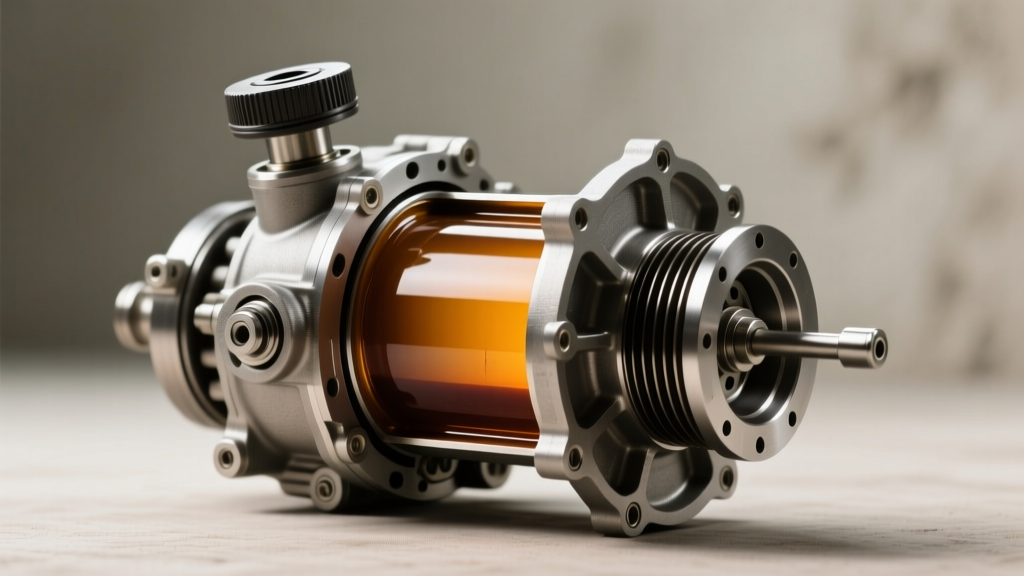
As we navigate through 2026, a massive wave of 2019 Honda Pilot AWD models are crossing the critical 75,000-mile maintenance threshold. For owners and independent technicians, understanding the intersection of drivetrain mechanics and fluid dynamics is no longer optional. The 2019 Pilot utilizes Honda’s sophisticated i-VTM4 (Intelligent Variable Torque Management) rear axle system. Unlike traditional open or mechanical limited-slip differentials found in solid-axle trucks, the i-VTM4 is a highly complex, electro-hydraulically controlled torque-vectoring unit.
At the heart of this system is a specific hypoid ring and pinion gear set. For 2019 Pilot models equipped with the ZF-sourced 9-speed automatic transmission (9HP), the rear differential final drive ratio is precisely calibrated to 4.33:1. This gear ratio was selected by Honda engineers to balance low-end crawling torque for the SUV's 3,500-pound towing capacity with high-speed highway fuel efficiency. According to the official Honda Newsroom archives, this ratio perfectly mirrors the front transaxle final drive, ensuring zero binding when the front and rear axles are mechanically locked in VTM-4 Lock mode.
How the 4.33:1 Final Drive Impacts Performance
The 4.33:1 gear ratio dictates how engine torque is multiplied before it reaches the twin wet-clutch packs located on either side of the rear axle. When the i-VTM4 system detects slip or cornering lateral G-forces, it engages these clutches to overdrive the outside rear wheel up to 2.7% faster than the inside wheel. Because the clutches operate downstream of the ring and pinion, the 4.33:1 ratio ensures that the clutch packs receive massive torque multiplication, allowing the system to vector up to 100% of the rear-axle torque to a single wheel. However, this extreme mechanical advantage generates immense shear force and thermal load, making the correct 2019 Honda Pilot rear differential fluid an absolute necessity for survival.
The Critical Science of DPSF-II Fluid
A common and catastrophic mistake made by generalist lube shops is treating the i-VTM4 rear axle like a standard differential and filling it with 75W-90 GL-5 gear oil. Doing so will destroy the system. The 2019 Pilot requires Honda DPSF-II (Dual Pump System Fluid II), OEM Part Number 08200-9007.
DPSF-II is not merely a lubricant for the hypoid gears; it is a specialized hydraulic fluid and friction modifier engineered specifically for the wet-clutch materials used in the i-VTM4 unit. The fluid must maintain a precise coefficient of friction to allow the clutches to engage smoothly without shuddering, while simultaneously protecting the 4.33:1 ring and pinion from micropitting. As documented in long-term tribology analyses on Bob Is The Oil Guy, substituting DPSF-II with generic synthetic 75W-90 results in immediate clutch chatter, overheating, and eventual failure of the electromagnetic actuator valves due to incorrect fluid viscosity and additive clash.
Expert Warning: Never use aftermarket 'universal' AWD transfer case fluids in the 2019 Pilot rear differential. The i-VTM4 clutch packs require the exact friction modifiers present only in genuine Honda DPSF-II. A $15 fluid savings will result in a $3,500+ rear axle replacement.
Model-Specific Repair Guide: Drain and Fill Procedure
Servicing the 2019 Honda Pilot rear differential fluid is a straightforward but highly specific procedure. The drain and fill capacity is approximately 1.25 Liters (1.32 US Quarts). Always purchase two quarts of DPSF-II to ensure you can fill to the exact weep-hole level.
Required Tools and OEM Part Numbers
- Fluid: 2x Honda DPSF-II (P/N: 08200-9007) - Approx. $14.00/qt
- Crush Washers: 2x 20mm Aluminum Drain Plug Washers (P/N: 94109-20000) - Approx. $2.50/ea
- Tools: 10mm Hex (Allen) socket, 3/8-inch drive torque wrench, fluid transfer pump, drain pan, wire brush.
Step-by-Step Torque and Fill Specifications
- Vehicle Preparation: Lift the Pilot on a level surface. An unlevel hoist will result in under-filling or over-filling the rear axle, which starves the hypoid gear teeth or causes hydraulic aeration in the clutch packs.
- Remove Fill Plug First: Using the 10mm hex socket, break loose the upper FILL plug before touching the drain plug. This prevents a scenario where the fluid is drained but the fill plug is seized.
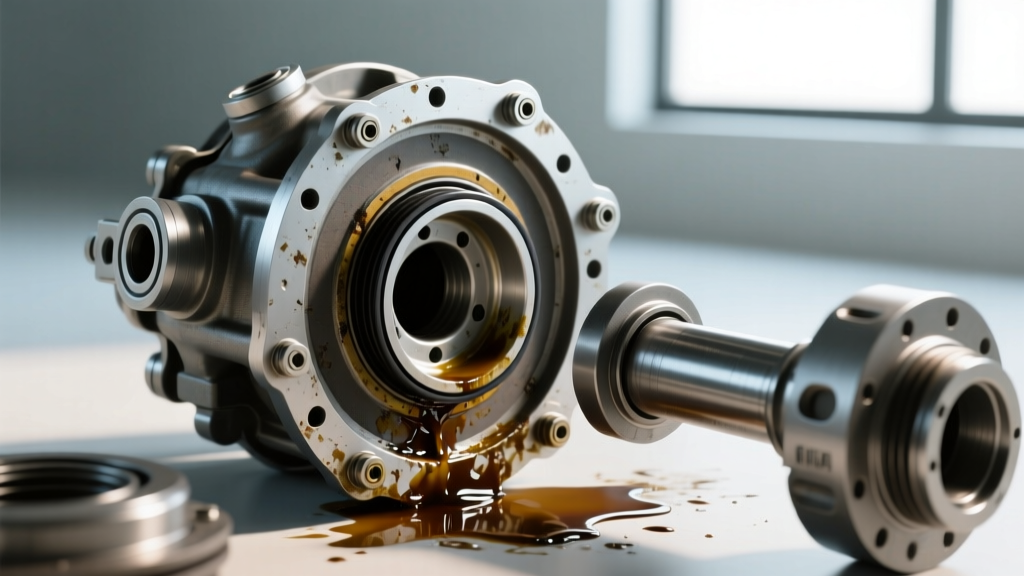
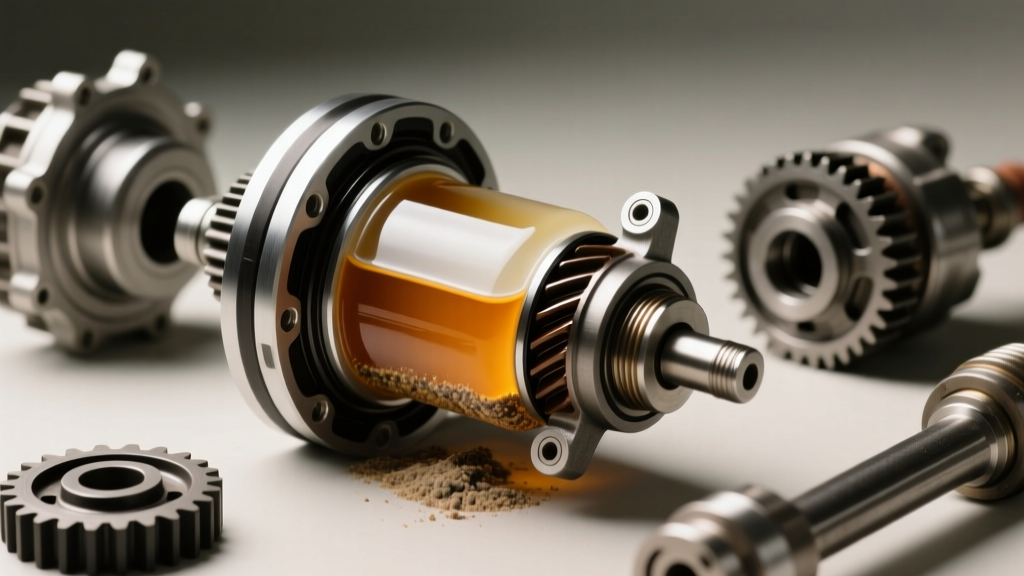
- Drain the Fluid: Remove the lower DRAIN plug. Allow the fluid to drain completely for at least 15 minutes. Inspect the magnetic tip on the drain plug; a fine metallic paste is normal for the 4.33:1 gear set, but large shards indicate ring and pinion failure.
- Clean and Reinstall Drain Plug: Clean the magnet, install a new 20mm crush washer, and reinstall the drain plug. Torque spec: 44 N·m (33 lb-ft).
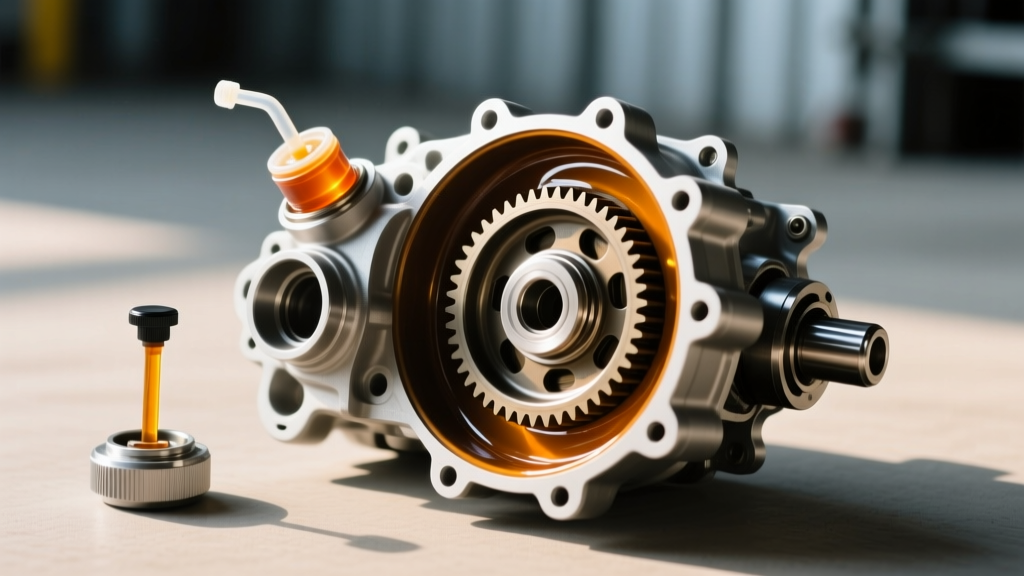
- Fill the Differential: Using a transfer pump, inject DPSF-II into the fill hole until the fluid begins to weep out of the threads. Install a new crush washer on the fill plug and torque to 44 N·m (33 lb-ft).
- System Calibration: Start the vehicle, cycle through all drive modes, and engage VTM-4 lock on a soft surface for 50 feet to circulate fluid into the twin-clutch hydraulic circuits.
Gear Ratio Upgrades: Fact vs. Fiction for the i-VTM4
Enthusiasts frequently ask if they can swap the 4.33:1 ring and pinion for a numerically higher ratio (e.g., 4.88:1) to improve towing performance or off-road crawling. Unlike a solid-axle Jeep Wrangler or a Ford F-150, the 2019 Pilot's i-VTM4 rear differential does not support traditional gear ratio upgrades.
| Parameter | Stock i-VTM4 (4.33:1) | Theoretical 4.88:1 Upgrade | Engineering Reality |
|---|---|---|---|
| Ring & Pinion Availability | OEM Honda | Non-Existent | No aftermarket supplier machines hypoid gears for the i-VTM4 housing. |
| Clutch Pack Calibration | Factory ECU Mapped | Requires Custom Tune | Altering the ratio changes wheel speed delta, confusing the AWD ECU and triggering VSA/i-VTM4 fault codes. |
| Towing Performance | Optimized for 3,500 lbs | Increased Low-End Torque | Highway RPMs would increase drastically, destroying the 9-speed ZF transmission's fuel mapping. |
If you require more low-end performance for towing, the only viable path is optimizing the ZF 9HP transmission shift points via an ECU reflash, rather than attempting physical gear ratio modifications inside the sealed i-VTM4 rear axle.
Diagnosing Gear Whine and Clutch Shudder Post-Service
If you have just completed the 2019 Honda Pilot rear differential fluid change and experience new drivetrain anomalies, use this diagnostic framework:
Scenario A: Low-Speed Binding or Shudder in Tight Turns
This is the hallmark symptom of incorrect fluid, insufficient fluid fill, or air trapped in the twin-clutch hydraulic circuits. If you used a non-OEM fluid, drain it immediately and perform a double-flush with genuine DPSF-II. If the fluid is correct, perform the i-VTM4 clutch calibration procedure using a bidirectional OBD2 scanner capable of accessing Honda's AWD control module.
Scenario B: High-Pitch Gear Whine at Highway Speeds
A 4.33:1 hypoid gear set should be virtually silent. If a distinct whine appears immediately after a fluid service, the differential was likely under-filled. Because the i-VTM4 housing is complex, air pockets can form near the pinion bearing if the vehicle was not perfectly level during the fill. Verify the fluid level immediately. If the fluid level is correct but the whine persists, the pinion bearing preload may be failing—a known edge case on high-mileage 2019 models that have been subjected to repeated heavy towing without intermediate fluid changes.
Maintaining the precise intersection of fluid chemistry and gear ratio integrity is what keeps the 2019 Pilot's AWD system performing flawlessly. Stick to OEM specifications, respect the torque values, and the i-VTM4 will deliver unparalleled all-weather traction for the life of the vehicle.