Understanding the Drivetrain: The Role of the IFS Front Differential
For owners of the 2015 through 2026 Ford F-150 4WD, the front Independent Front Suspension (IFS) differential is a critical, yet frequently overlooked, component of the drivetrain. Unlike the solid rear axle, the front differential must accommodate the complex geometry of CV axles, steering linkages, and suspension travel. When enthusiasts and mechanics search for a ford f150 front differential diagram, they are typically trying to locate the fill and drain plugs, understand the internal carrier bearing layout, or identify the source of a persistent gear oil leak. In this comprehensive 2026 cost analysis and service guide, we will break down the anatomy of the Ford Super 8.8 IFS front axle, provide exact maintenance specifications, and analyze the real-world costs of keeping your front differential properly lubricated.
Anatomy of the Ford F150 Front Differential Diagram
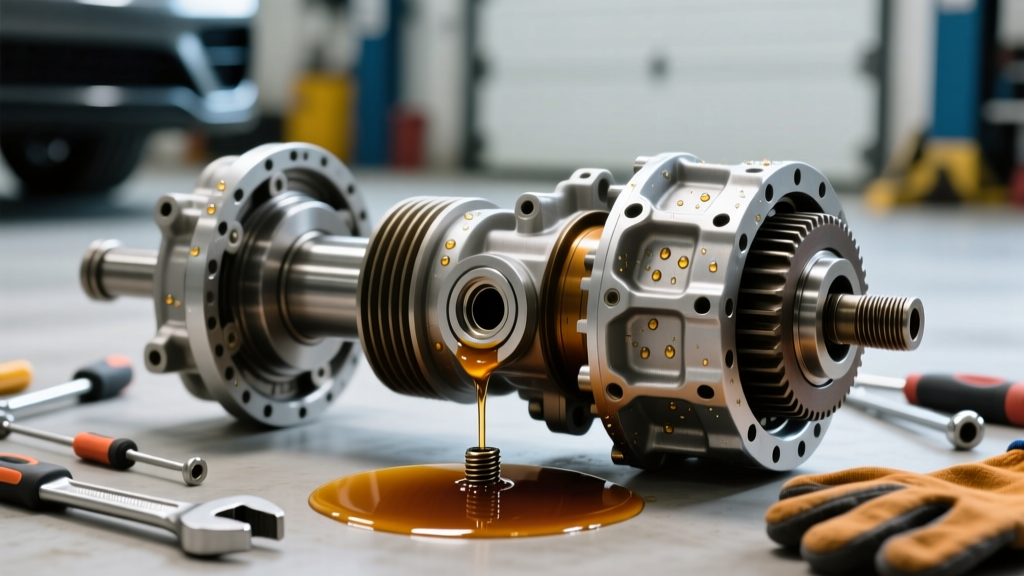
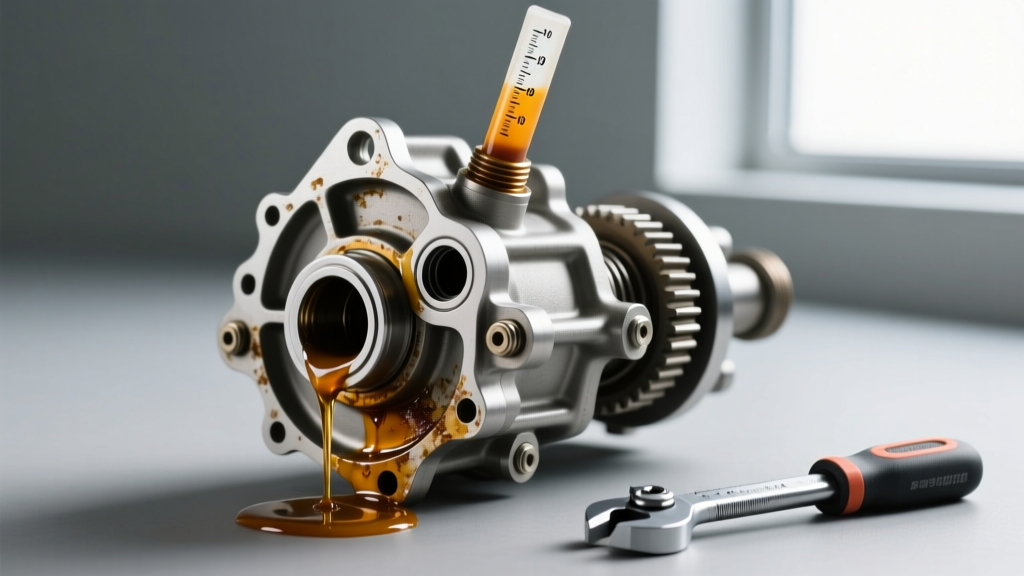
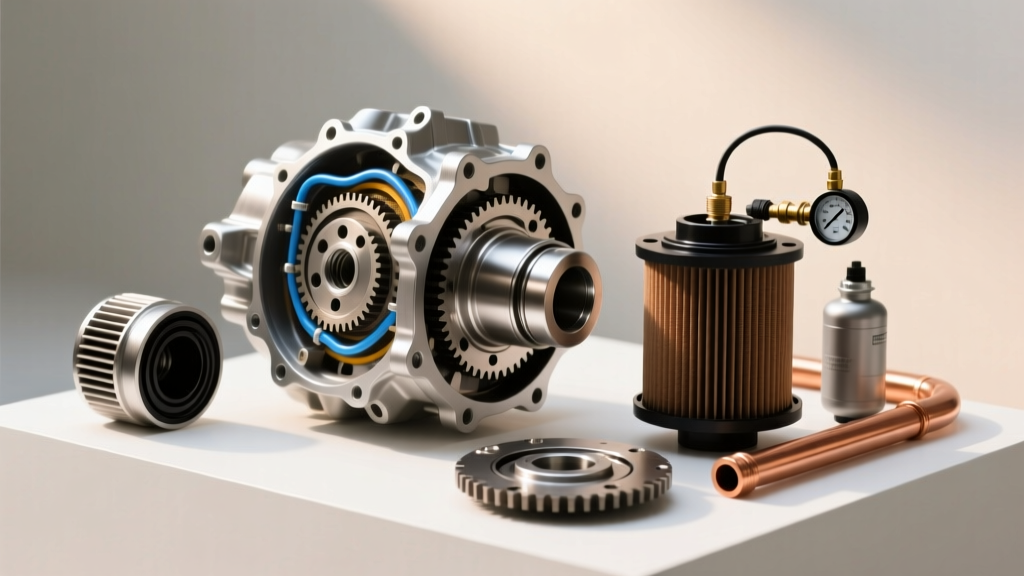
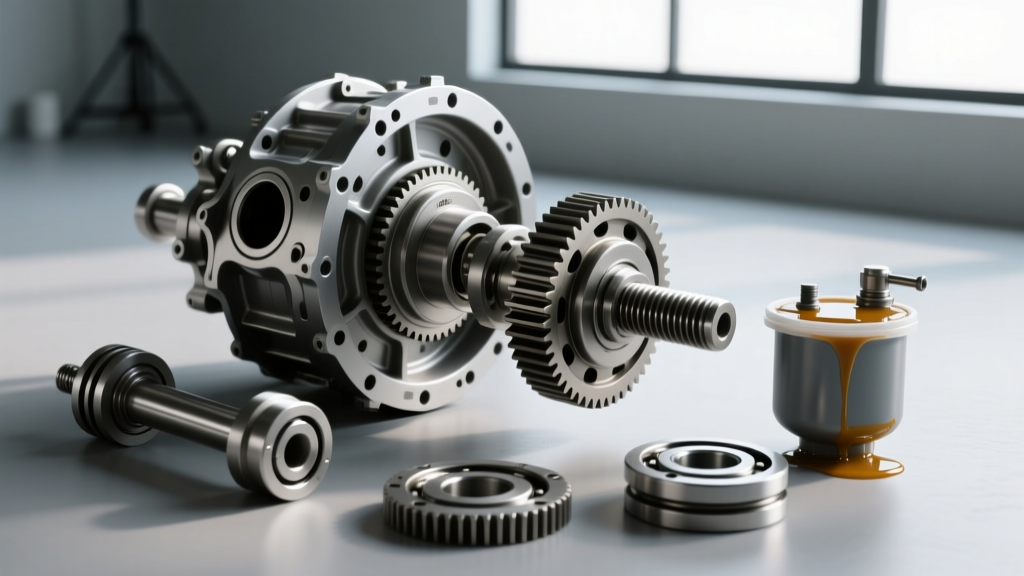
Before draining a single drop of gear oil, it is essential to understand what you are looking at when reviewing a ford f150 front differential diagram. The modern F-150 utilizes an aluminum-housed Super 8.8 IFS front differential. This unit is designed for weight savings and noise reduction, but it requires precise fluid levels to protect the internal components.
Key Components Identified in the Diagram
- Ring and Pinion Gears: The hypoid gear set that transfers rotational force from the front driveshaft to the CV axles. These gears operate under extreme sliding friction and require specialized synthetic gear oil.
- Internal Carrier Bearings: Support the differential case and absorb the lateral thrust generated during acceleration and deceleration in 4WD mode.
- CV Axle Entry Points & Seals: Located on the left and right sides of the differential housing. These are the most common failure points for fluid leaks, often misdiagnosed as a cracked housing.
- Breather Tube Assembly: Usually routed high up into the engine bay or frame rail. If this tube becomes clogged with mud or debris, the differential will pressurize during operation and blow out the pinion or axle seals.
- Drain and Fill Plugs: The drain plug is located at the lowest point of the aluminum casting, while the fill plug is positioned on the side or upper-rear quadrant of the housing to ensure the correct fluid level.
2026 Front Differential Fluid Service Cost Breakdown
Labor rates and parts pricing have shifted significantly over the last few years. Below is a detailed cost analysis for servicing the front differential fluid on a 2015-2026 Ford F-150 4WD, comparing dealership rates, independent mechanics, and the DIY approach.
| Service Provider | Estimated Cost (2026) | Parts Included | Warranty / Notes |
|---|---|---|---|
| Ford Dealership | $130 - $175 | Motorcraft 75W-85 Synthetic, Shop Supplies | 12-month/12,000-mile warranty on service. High labor rate ($160+/hr). |
| Independent 4x4 Shop | $95 - $125 | Quality Synthetic 75W-85/80W-90, New Crush Washers | Often bundles with transfer case and rear diff service for a discount. |
| DIY (At-Home Service) | $38 - $52 | OEM Fluid, Drain/Fill Plug Washers, RTV (if needed) | Requires basic hand tools, fluid pump, and 45 minutes of time. |
Why Dealership Costs Have Climbed
In 2026, the average dealership labor rate for light-duty trucks hovers between $165 and $195 per hour. Because the front differential service requires lifting the vehicle, removing the skid plate (if equipped with the factory off-road package), and carefully pumping viscous gear oil into a tight fill hole, shops bill a minimum of one hour of labor. Furthermore, many dealerships now mandate the replacement of the aluminum crush washers on the drain and fill plugs to prevent weeping, adding a few dollars to the parts ticket.
DIY Cost Analysis: Exact Parts and Pricing
For the mechanically inclined F-150 owner, performing this service at home yields the highest return on investment. Here is the exact shopping list and pricing based on early 2026 market rates from reputable auto parts distributors and RockAuto.
- Motorcraft SAE 75W-85 Premium Synthetic Axle Lubricant (Part # PM-2014-197): Meets Ford specification WSS-M2C942-A. You will need approximately 1.5 Liters (1.6 Quarts). Cost: $14 - $18 per quart (x2 = $28 - $36).
- Drain/Fill Plug Crush Washers: While some F-150 IFS plugs use a tapered thread seal, many require a new copper or aluminum crush washer to prevent seepage. Cost: $2 - $5 for a multi-pack.
- Manual Fluid Transfer Pump: Essential for routing gear oil from the bottle up into the side-fill hole. Cost: $8 - $12.
Total DIY Investment: Roughly $45, saving you over $100 compared to a dealership visit.
Step-by-Step Service Procedure & Torque Specifications
Servicing the front IFS differential requires attention to detail. Unlike the rear axle, which often features a large removable cover, the front IFS unit is primarily serviced via the drain and fill plugs. Always follow the golden rule of differential maintenance: Remove the fill plug before removing the drain plug. If the fill plug is seized or stripped, you do not want to be stranded with an empty differential and no way to refill it.
Required Tools
- 3/8-inch drive ratchet or specific metric hex socket (depending on exact model year plug style)
- Calibrated torque wrench (inch-pounds or foot-pounds)
- Fluid catch pan (minimum 2-quart capacity)
- Wire brush and brake cleaner
The Service Process
- Preparation: Drive the truck to warm up the front differential fluid. Warm gear oil flows faster and suspends metallic particulates, allowing them to drain out completely.
- Access: Safely lift and support the front of the F-150 on jack stands. Remove the front skid plate using an 8mm or 10mm socket, depending on your trim level (e.g., FX4 or Tremor packages use heavier hardware).
- Drain: Clean the area around the drain plug with brake cleaner. Insert your 3/8-inch ratchet breaker bar and loosen the plug. Allow the fluid to drain for at least 15 minutes.
- Inspect: Examine the drain plug for excessive metal shavings. A small amount of fine, glitter-like paste on the magnetic tip is normal for hypoid gears. However, chunky metal shards indicate internal carrier bearing or ring gear failure.
- Refill: Reinstall the drain plug. Insert the tube of your fluid pump into the fill hole and pump in the Motorcraft 75W-85 Synthetic. The differential is full when the fluid reaches the very bottom lip of the fill hole and begins to weep out.
- Final Torque: Reinstall the fill plug and torque both plugs to the manufacturer's specification.
Critical Torque Specifications (Super 8.8 IFS)
- Drain Plug: 24 lb-ft (32 Nm)
- Fill Plug: 24 lb-ft (32 Nm)
- Differential Cover Bolts (if removed for internal inspection): 24 lb-ft (32 Nm) with a continuous bead of Motorcraft TA-357 RTV sealant.
Troubleshooting Common Front Differential Issues
While reviewing your ford f150 front differential diagram and performing the fluid swap, take the opportunity to inspect the surrounding hardware. The IFS front end is prone to a few specific issues that can mimic differential failure.
1. CV Axle Seal Leaks vs. Differential Cover Leaks
A common complaint on F-150 forums is gear oil slinging onto the inner CV joint boots and lower control arms. Before assuming the differential housing is cracked or the cover seal has failed, closely inspect the left and right CV axle entry seals. The constant articulation of the suspension wears the internal lip of these seals, especially if the truck has been lifted, altering the CV axle operating angle. Replacing an axle seal requires draining the diff, unbolting the upper control arm, and using a specialized seal driver tool. The seal itself costs under $15, but the labor is intensive.
2. Pinion Seal Weeping
Where the front driveshaft connects to the differential is the pinion seal. If you notice gear oil coating the front driveshaft and the cross-brace of the frame, your pinion seal has hardened and failed. Replacing this requires marking the pinion nut to preserve the bearing preload, removing the yoke, and pressing in a new seal. If you are not comfortable measuring bearing preload with an inch-pound torque wrench, this is a job best left to a professional drivetrain shop.
3. 4WD Actuator and Vacuum Leaks
While not strictly related to the gear oil, the front differential engages via an electronic/vacuum actuator that locks the right-side CV axle stub to the internal carrier. If your F-150 struggles to engage 4-High or 4-Low, do not immediately tear into the differential gears. Check the vacuum lines routed along the frame rail and the Integrated Wheel End (IWE) solenoids located on the firewall. Moisture ingress into the IWE system is a notorious issue on Ford trucks that prevents the front differential from receiving the lock command.
Final Thoughts on Drivetrain Longevity
The Ford F-150's front independent differential is a marvel of modern engineering, balancing rugged off-road capability with on-road comfort. However, its longevity is entirely dependent on strict adherence to maintenance intervals. Ford officially categorizes the front differential fluid as a 'lifetime' fill under normal driving conditions, but any automotive transmission expert will tell you that 'lifetime' simply means 'until the warranty expires.' If you frequently tow, plow snow, or traverse muddy trails where the breather tube might ingest water, changing your front differential fluid every 30,000 to 50,000 miles is non-negotiable. By understanding the layout of the system, utilizing the correct Motorcraft synthetic fluids, and applying precise torque specs, you can ensure your F-150's front axle remains quiet, cool, and ready for whatever the trail demands.
For more information on Ford's official maintenance schedules and drivetrain specifications, consult the Ford Motorcraft Maintenance Hub. For industry standards on gear oil viscosity and shear stability, refer to the American Petroleum Institute (API) lubricant guidelines.