The E-Moto Revolution and Transmission Realities
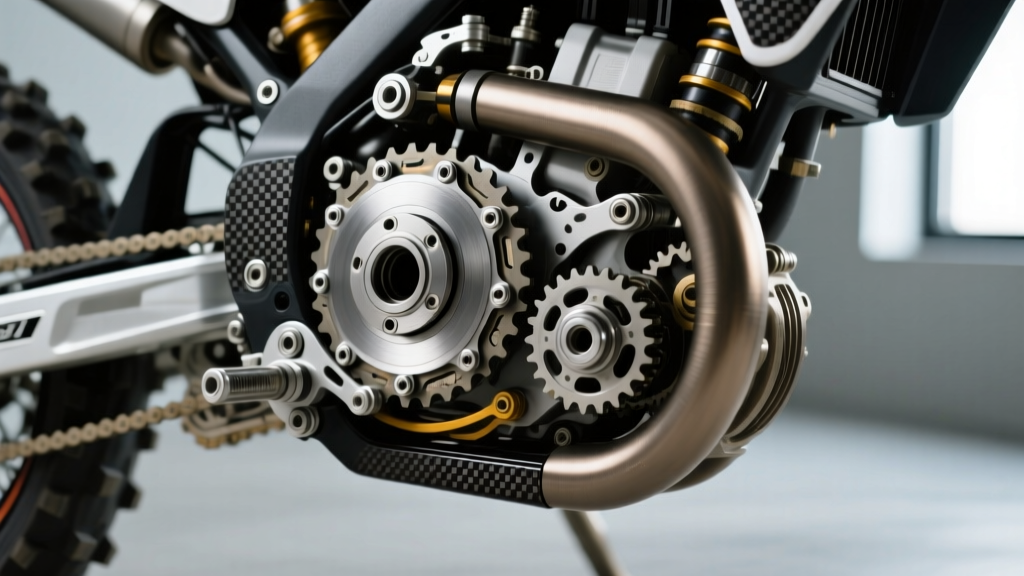
As we navigate the 2026 off-road season, the market has seen a massive surge in custom EMX builds and production models like the KTM Freeride E-XC. While most entry-level e-motos rely on single-speed reduction gears, purists and competitive racers demand the precise control of an electric dirt bike with clutch and gears. However, mating a high-torque electric motor to a traditional manual gearbox introduces unique mechanical stresses. Electric motors deliver instant, peak torque at 0 RPM—often exceeding 40 lb-ft at the countershaft. This instantaneous torque spike hammers the clutch basket tangs and accelerates wear on the release mechanism, leading to severe clutch drag and shifting issues far earlier than on internal combustion engine (ICE) counterparts.
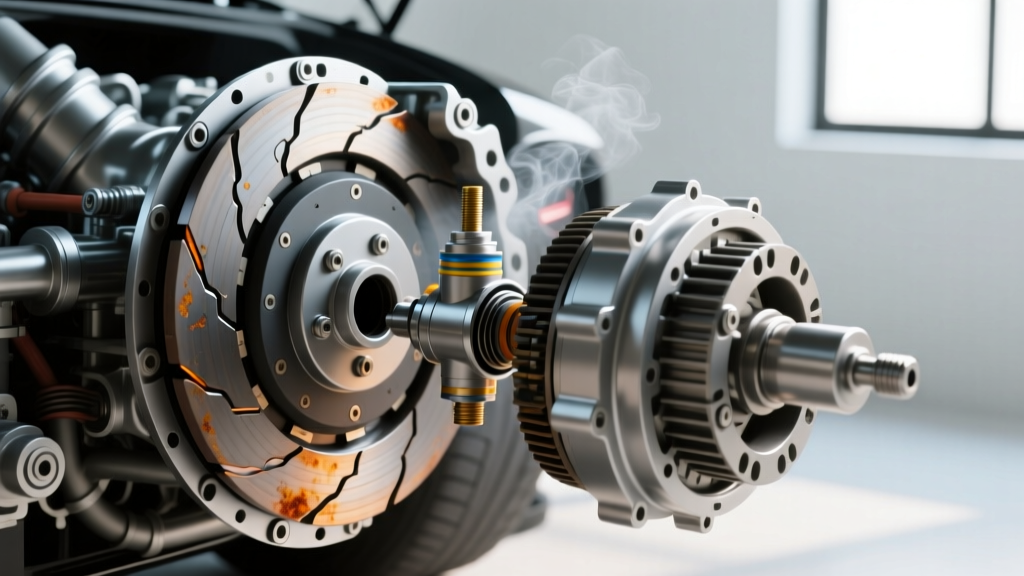
Clutch drag occurs when the clutch pack fails to fully disengage, causing the bike to creep forward at stops, making it nearly impossible to find neutral, and resulting in grinding gears during downshifts. Release problems, on the other hand, manifest as a stiff lever, notchy engagement, or a failure to pull the pressure plate back far enough. This step-by-step guide will walk you through diagnosing, tearing down, and blueprinting your e-moto clutch system to eliminate drag and restore crisp shifting.
Step 1: Inspect Cable Free Play and Actuator Geometry
Before draining the transmission fluid, you must rule out external release issues. Electric dirt bikes with manual transmissions often use custom routing for clutch cables, which can lead to excessive friction or improper actuator geometry.
Checking the Cable and Lever
- Free Play Measurement: Measure the free play at the lever perch. You need exactly 3mm of free play before the cable begins to pull the actuator arm. Less than 3mm causes the release bearing to ride on the pressure plate, leading to premature wear and clutch slip; more than 5mm prevents full disengagement, causing drag.
- Cable Lubrication: E-motos are often ridden in wet, muddy conditions. Use a Motion Pro cable luber to force dielectric cable grease through the housing. Standard petroleum greases can swell the Teflon liners used in modern performance cables.
Evaluating Actuator Arm Geometry
The actuator arm on the clutch cover should sit at a precise angle. When the clutch is fully engaged (lever out), the arm should be angled slightly forward. When pulled to the friction zone, the arm should be exactly 90 degrees to the cable pull. If the arm sweeps past 90 degrees, your mechanical advantage drops off, resulting in a stiff lever and incomplete release. Adjust the actuator arm splines or pushrod length to correct this geometry.
Step 2: Teardown and Basket Notch Evaluation
If the cable and actuator are perfectly adjusted but the bike still creeps and clunks into gear, the issue is internal. Drain the transmission fluid. Expert Note: If your electric dirt bike uses an integrated motor/gearbox casing (like the Freeride E-XC), ensure you are using the manufacturer-specified dielectric coolant or ATF (often Dexron III or specific 10W e-moto fluids). Using standard motorcycle 10W-40 with friction modifiers in an integrated stator bath can cause electrical shorts or degrade the motor windings.
Remove the clutch cover, being careful not to tear the gasket or lose the dowel pins. Remove the clutch center nut (typically M20x1.5) using a clutch holding tool and an impact wrench or breaker bar. Pull the clutch center and basket assembly.
The E-Moto Basket Notching Phenomenon
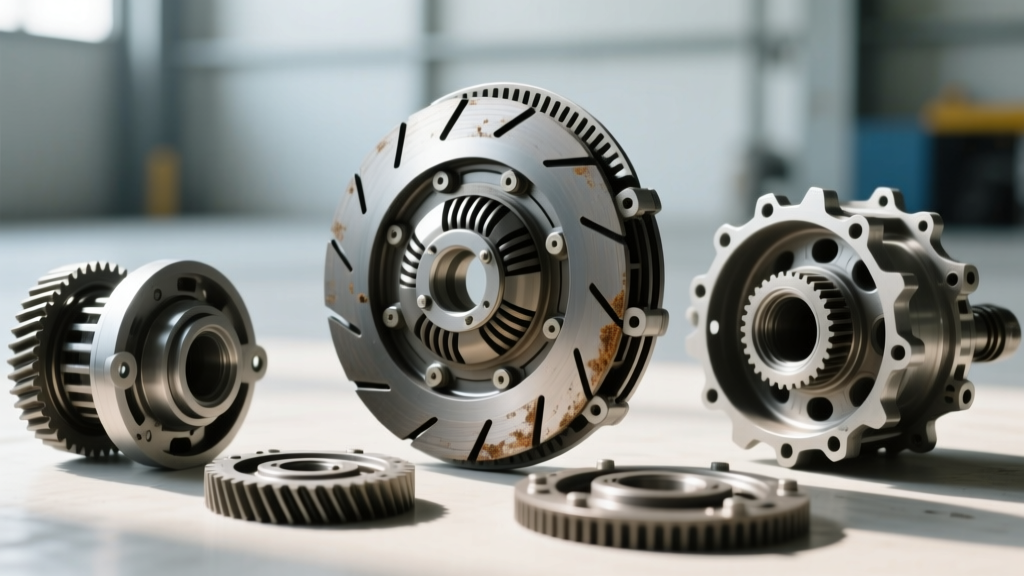
On an ICE bike, clutch basket notching takes thousands of miles. On an electric dirt bike, the instant torque can carve deep notches into soft aluminum basket tangs in a single riding season. When the friction and steel plates get wedged into these notches, the pack cannot expand laterally when the lever is pulled. The plates remain bound together, causing severe clutch drag.
Run your fingernail across the basket tangs. If your nail catches in a groove deeper than 0.2mm, the basket is compromised. While you can temporarily file the tangs flat with a flat mill file, the only permanent fix for a high-torque e-moto is upgrading to a billet aluminum or hard-anodized basket.
Step 3: Measure Friction Plates, Steels, and Springs
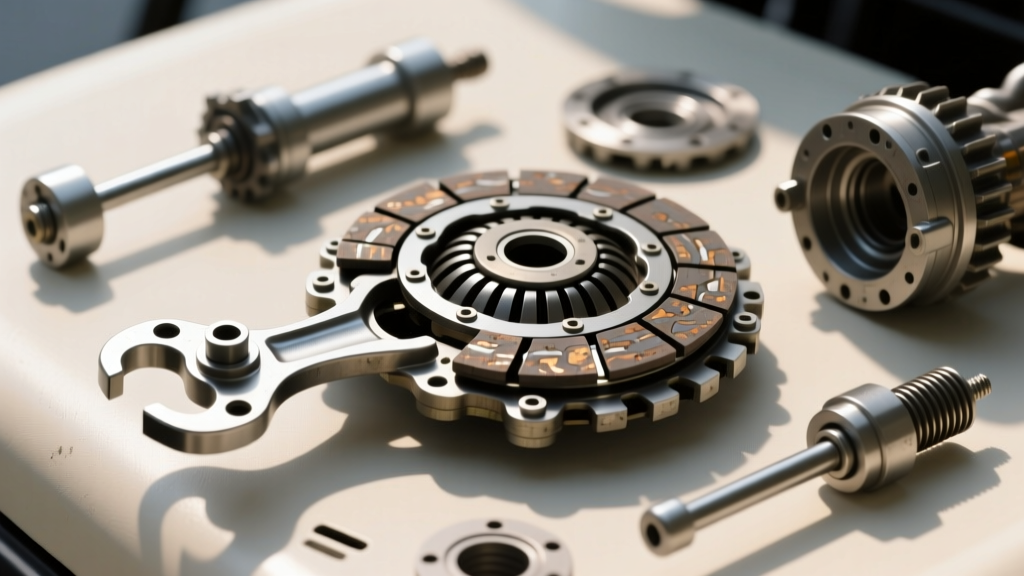
Once the pack is removed, inspect the components. E-moto clutches run hotter in the center due to the lack of engine oil circulation cooling the core. Use a micrometer to measure your plates against the factory wear limits.
| Component | Specification / New | Service Limit (Replace) | Inspection Tool |
|---|---|---|---|
| Friction Plates | 3.00 mm | 2.80 mm | Micrometer |
| Steel Drive Plates | 1.50 mm | 1.40 mm (or warped) | Micrometer / Surface Plate |
| Clutch Springs (Free Length) | 43.50 mm | 41.00 mm | Dial Calipers |
| Pushrod / Actuator Bearing | Smooth rotation | Any notchiness/play | Hand feel |
Steel Plate Warpage: Place the steel plates on a known flat surface (like a piece of plate glass). Try to slide a 0.15mm feeler gauge under the plate. If it slides through, the plate is warped. Warped steels will physically touch the friction plates even when the pressure plate is lifted, guaranteeing clutch drag.
Step 4: Inspect the Pushrod and Release Bearing
A frequently overlooked cause of release problems on custom electric dirt bikes with clutch and gears is thermal expansion of the pushrod. Many EMX builders use custom-length steel pushrods. When the gearbox heats up, the steel rod expands, altering the actuator geometry and causing the clutch to drag when hot. Furthermore, the release bearing (or thrust washer) can develop flat spots from the high static load of heavy-duty clutch springs.
Replace the stock thrust washer with a caged needle-roller release bearing (such as those offered by Hinson or Rekluse). This drastically reduces lever effort and ensures consistent release travel regardless of thermal expansion.
Troubleshooting Matrix: Drag vs. Release Failures
| Symptom | Primary Cause | Diagnostic Step | Corrective Action |
|---|---|---|---|
| Bike creeps forward with lever pulled | Notched basket / Warped steels | Visual inspection of tangs; glass-plate test | Replace basket / steels |
| Clunking into 1st gear; hard to find neutral | Insufficient cable free play | Measure play at lever perch | Adjust barrel adjuster to 3mm play |
| Lever feels incredibly stiff, notchy | Dry cable / Worn actuator cam | Disconnect cable at actuator arm | Lube cable or replace actuator cam |
| Clutch drags only when motor is hot | Pushrod thermal expansion / Swollen plates | Check pushrod length; verify fluid type | Machine pushrod; flush dielectric fluid |
Reassembly: Torque Specs and Blueprinting
Reassembly requires precision. Soak the new friction plates in the exact transmission fluid you plan to use for at least 2 hours prior to installation. This prevents the dry cork or Kevlar material from burning upon initial engagement.
When reinstalling the clutch center and basket, the center nut must be torqued to exact specifications to prevent the basket from wobbling on the main shaft, which causes uneven plate wear and drag.
- Clutch Center Nut (M20x1.5): Apply a medium-strength threadlocker (Loctite 243) to the threads. Torque to 80 Nm (59 ft-lbs). Do not use an impact gun for final torque; use a calibrated torque wrench with a clutch holding tool.
- Pressure Plate Bolts: Torque to 6 Nm (53 in-lbs) in a crisscross pattern to ensure even spring compression.
- Clutch Cover Bolts: Torque to 10 Nm (88 in-lbs) using a threadlocker if specified by the OEM.
Expert E-Moto Thermal Tip: Electric motors generate immense heat in the stator, which is often transferred directly to the transmission fluid in integrated designs. If your e-moto uses a wet clutch in an integrated bath, consider installing an external transmission fluid cooler or using a high-viscosity index synthetic dielectric fluid to maintain consistent clutch plate friction coefficients as the motor heats up during a moto.
Cost Breakdown: OEM vs. Aftermarket Upgrades
Fixing clutch drag on an electric dirt bike often requires upgrading components to handle the instant torque. Here is what you can expect to spend in the current market:
- OEM Replacement Basket & Pack: ~$280 - $350. (Adequate for trail riding, but will notch quickly under aggressive e-moto torque).
- EBC CK Series Clutch Kit (Friction & Springs): ~$130. (Great budget refresh if your basket and steels are still in spec).
- Rekluse Core Manual Billet Basket: ~$450 - $550. (Highly recommended for custom EMX builds. The hard-anodized billet aluminum resists notching from electric torque spikes, and the integrated torque drive eliminates basket play). Consult the Rekluse tech support documentation for specific e-moto fitment shimming.
- Hinson Billet Clutch Hub & Pressure Plate: ~$600+. (The ultimate fix for release geometry and drag elimination, utilizing needle bearings at all friction points).
Final Thoughts
Maintaining a manual transmission on an electric platform requires a paradigm shift. You are no longer dealing with the gradual, RPM-dependent torque curve of a 250cc four-stroke; you are managing instantaneous mechanical shock. By strictly adhering to 3mm of cable free play, monitoring basket notching limits, and upgrading to billet components designed for high-torque applications, you can eliminate clutch drag and enjoy the seamless, razor-sharp shifting that makes an electric dirt bike with clutch and gears such a formidable machine on the track.