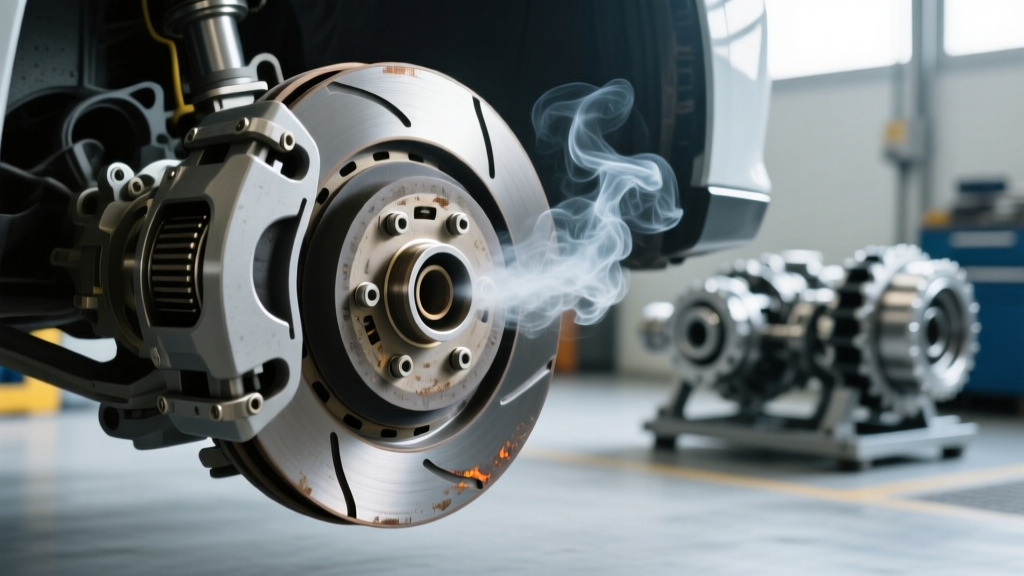
There are few experiences more frustrating for a manual transmission driver than investing in a complete clutch replacement, only to experience chatter, slipping, or pedal stiffness a few hundred miles later. When evaluating a comprehensive aftermarket package like the Carmela.clutch full assembly, the initial parts invoice is only a fraction of the true financial commitment. In 2026, with shop labor rates climbing and advanced hydraulic concentric slave cylinders (CSC) becoming the industry standard, post-repair clutch diagnostics require a meticulous, data-driven approach.
At AutoGearNexus, we specialize in drivetrain forensics. Below, we break down the exact costs, hidden labor multipliers, and mechanical failure modes associated with premature clutch system failures following a fresh installation.
The Financial Shock of Post-Replacement Clutch Failure
When a newly installed clutch fails, the immediate assumption is often a defective part. However, industry data suggests that over 75% of premature clutch failures are rooted in installation errors, improper hydraulic bleeding, or overlooked flywheel runout. In 2026, the average independent transmission shop charges between $145 and $215 per hour for diagnostic and R&R (Remove and Replace) labor. If a shop must drop the transmission a second time to address a botched installation, you are looking at an additional 6 to 9 hours of labor, pushing the hidden cost of a post-repair failure well past $1,200 before any new parts are even ordered.
Carmela.clutch Full Assembly: Component & Pricing Breakdown
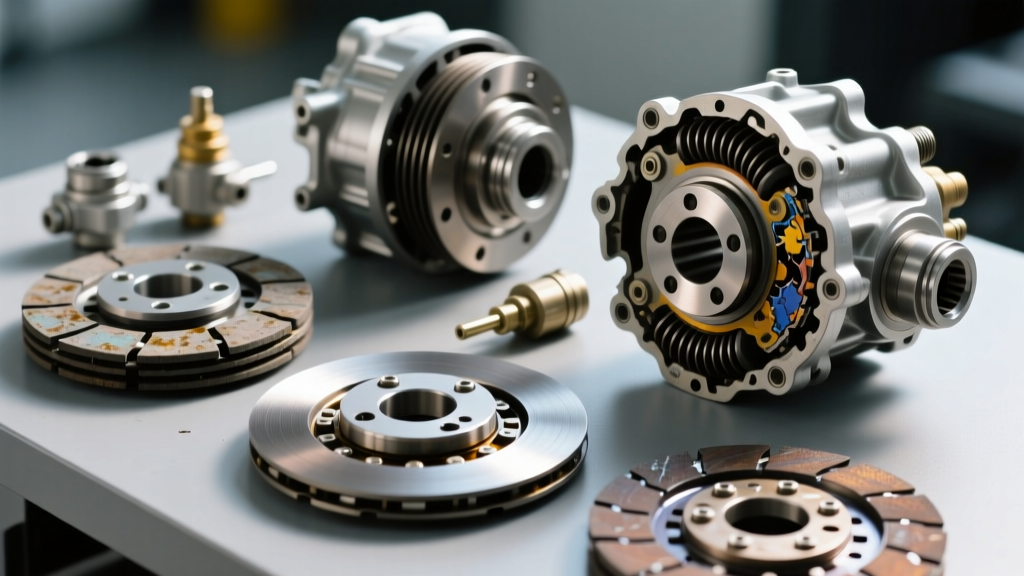
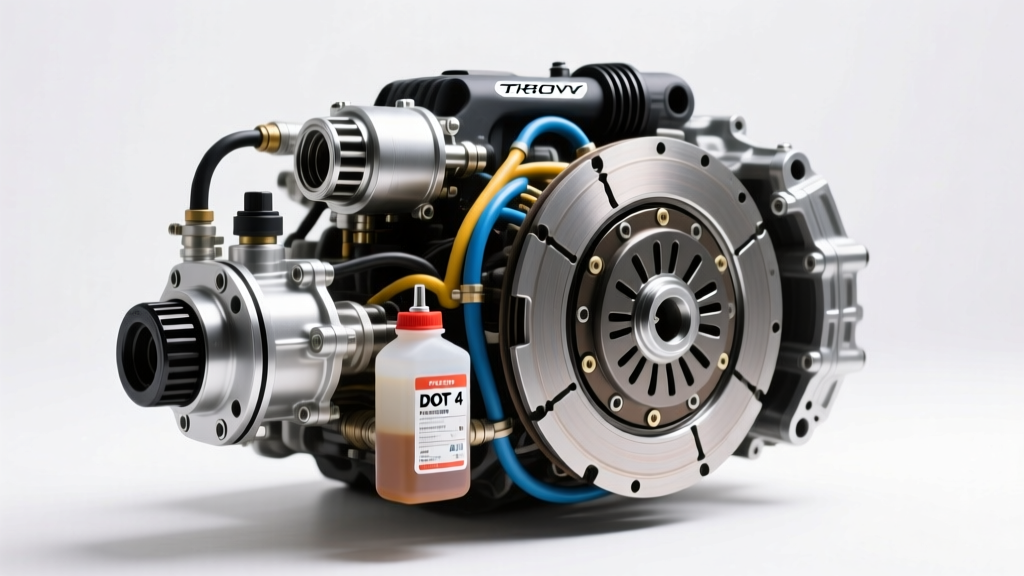
To understand the financial risk, we must first itemize what is actually included in a premium replacement package. A true "full kit" should eliminate the need to reuse fatigued OEM hardware. Below is a realistic 2026 pricing breakdown for a high-quality aftermarket full kit (compatible with platforms like the Ford MT-82 or GM Tremec T56 Magnum).
| Component | Function | Avg. 2026 Cost (Parts) | Failure Consequence if Reused |
|---|---|---|---|
| Clutch Disc (Organic/Ceramic) | Friction coupling to flywheel | $180 - $260 | Immediate slipping, glazing |
| Pressure Plate Assembly | Applies clamp load (e.g., 2,400 lbs) | $150 - $220 | Pedal stiffness, uneven wear |
| Concentric Slave Cylinder (CSC) | Hydraulic release actuation | $95 - $185 | Fluid leaks, failure to disengage |
| Pilot Bearing / Bushing | Supports transmission input shaft | $15 - $35 | Input shaft wobble, gear whine |
| Flywheel Hardware (ARP/Grade 10.9) | Secures flywheel to crankshaft | $40 - $75 | Catastrophic crankshaft damage |
| Alignment Tool & Hardware | Ensures disc-to-pilot concentricity | $10 - $20 | Input shaft binding, chatter |
Note: Sourcing parts via reputable distributors like RockAuto can yield savings of 15-20% compared to dealer counters, but always verify kit completeness to avoid mid-job delays.
Diagnosing Post-Repair Symptoms: Labor & Part Costs
When you return to the shop with a post-replacement issue, the diagnostic process begins. Here is how specific symptoms translate into real-world repair costs and mechanical realities.
1. Severe Clutch Chatter & Flywheel Runout
The Symptom: Violent shuddering upon clutch engagement, especially in 1st gear or reverse.
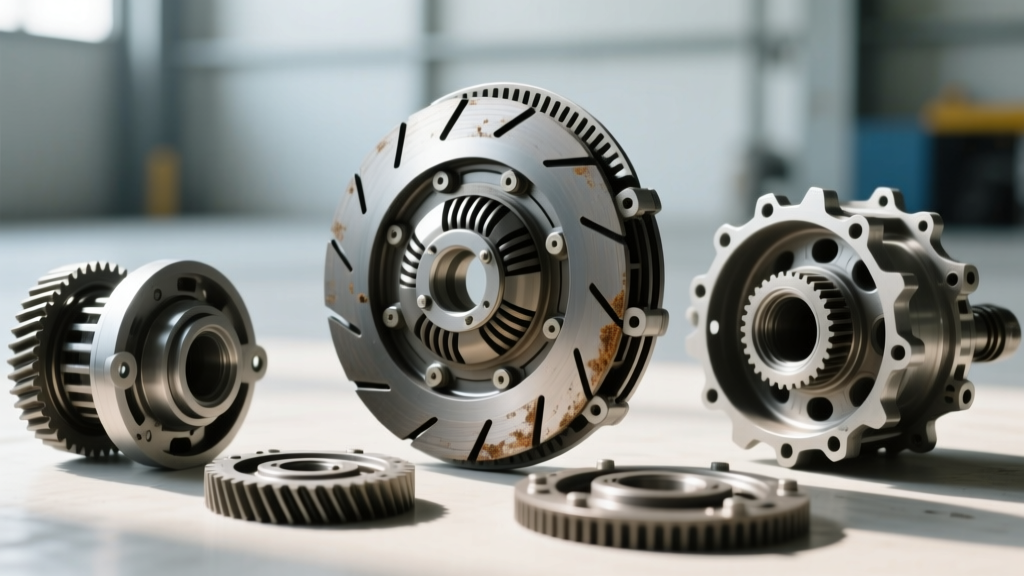
The Root Cause: The mechanic failed to measure flywheel runout with a dial indicator. The SAE (Society of Automotive Engineers) and manufacturers like Tremec mandate a maximum flywheel runout of 0.004 inches (0.10mm). If a Dual Mass Flywheel (DMF) was reused or a resurfaced Single Mass Flywheel (SMF) was warped, the clutch disc cannot engage smoothly.
2026 Cost to Rectify:
- Transmission R&R Labor (7 hours @ $165/hr): $1,155
- New DMF or SMF Conversion Kit: $450 - $850
- Hydraulic Fluid & Bleed: $45
- Total Estimated Recovery Cost: $1,650 - $2,050
2. Premature Release Bearing Whine
The Symptom: A high-pitched metallic squeal that occurs only when the clutch pedal is depressed (loading the release bearing).
The Root Cause: This is rarely a bad bearing out of the box. It is almost always caused by an improperly seated pilot bearing or incorrect bellhousing alignment. If the pilot bearing protrudes even 0.020 inches too far, or if the bellhousing dowel pins are out of spec (runout > 0.005"), the transmission input shaft operates at an angle. This misalignment forces the release bearing to ride off-center on the pressure plate diaphragm fingers, destroying it in under 1,000 miles.
2026 Cost to Rectify:
- Drop Transmission & Bellhousing: $900
- Scatter-shield/Bellhousing Dial Indicating & Dowel Pin Offset Correction: $250
- Replacement CSC / Release Bearing: $150
- Total Estimated Recovery Cost: $1,300
3. Pedal Stiffness & Hydraulic Cavitation
The Symptom: The clutch pedal feels notchy, overly stiff, or fails to return to the top of its travel, resulting in grinding during 2nd-to-3rd gear shifts.
The Root Cause: Improper bleeding of the hydraulic system. Modern CSCs require specific stroke-length bleeding procedures. Simply pumping the pedal is insufficient; the CSC must often be manually stroked 12-14mm while under vacuum to purge trapped air from the internal accumulator. Trapped air cavitation causes the master cylinder to bypass fluid, leading to incomplete disengagement and synchro damage.
2026 Cost to Rectify:
- Advanced Hydraulic Diagnostic & Vacuum Bleed: $180 - $250
- Master Cylinder Replacement (if bypassed/damaged): $120 (Part) + $150 (Labor)
- Total Estimated Recovery Cost: $180 - $520
Installation Errors That Void Your Warranty
When filing a warranty claim on a Carmela.clutch full kit or similar premium assembly, manufacturers will immediately request installation documentation. If the shop cannot prove adherence to specific torque sequences, the claim will be denied under the "improper installation" clause.
"Warranty coverage is strictly voided if pressure plate fasteners are impacted with pneumatic tools rather than torqued by hand in a star pattern, or if flywheel hardware is not replaced with new, grade-rated bolts torqued to OEM yield specifications." - Standard Aftermarket Clutch Warranty Policy, 2026.
Critical Torque Specifications (Reference Only - Verify with OEM):
- GM LS Flywheel Bolts: 74 lb-ft + 90-degree turn (Torque-to-Yield). Reusing old TTY bolts results in bolt stretch and flywheel walk.
- Ford MT-82 Flywheel Bolts: 59 lb-ft (typically requires Loctite 243).
- Pressure Plate to Flywheel (M8 Bolts): 18 - 22 lb-ft. Over-torquing warps the pressure plate cover, causing uneven clamp load and localized disc burning.
- Bellhousing to Engine Block: 35 - 40 lb-ft. Loose bellhousing bolts alter drivetrain geometry and destroy pilot bearings.
2026 Diagnostic Fee Framework: What to Expect
If you suspect a post-repair failure, shops will charge a diagnostic fee before touching a wrench. In 2026, expect to pay a flat-rate diagnostic fee of $140 to $225. This covers the technician's time to perform the following verifications:
- External Hydraulic Inspection: Checking the master cylinder pushrod clearance (must have 0.050" - 0.100" free play to prevent constant bearing drag).
- Clamp Load Deflection Test: Measuring the diaphragm finger height through the inspection cover to determine if the pressure plate has collapsed.
- Scan Tool Data Logging: On modern vehicles (e.g., Honda K-Series with drive-by-wire or newer Porsche manual platforms), reading clutch position sensor (CPP) data to verify hydraulic stroke volume.
Expert Verdict: Maximizing Your Drivetrain Investment
A clutch replacement is not a simple "swap and go" procedure; it is a precision drivetrain calibration. The Carmela.clutch full kit provides excellent hardware, but its longevity is entirely dependent on the meticulousness of the installer. When facing post-repair problems, demand a transparent breakdown of the shop's diagnostic findings. If they blame the part without providing dial indicator runout data or hydraulic stroke measurements, seek a second opinion from a dedicated drivetrain specialist. Paying $1,500 for a correct installation once is vastly superior to paying $3,500 to fix a botched one twice.