Decoding the E4OD Transmission Cooler Lines Diagram
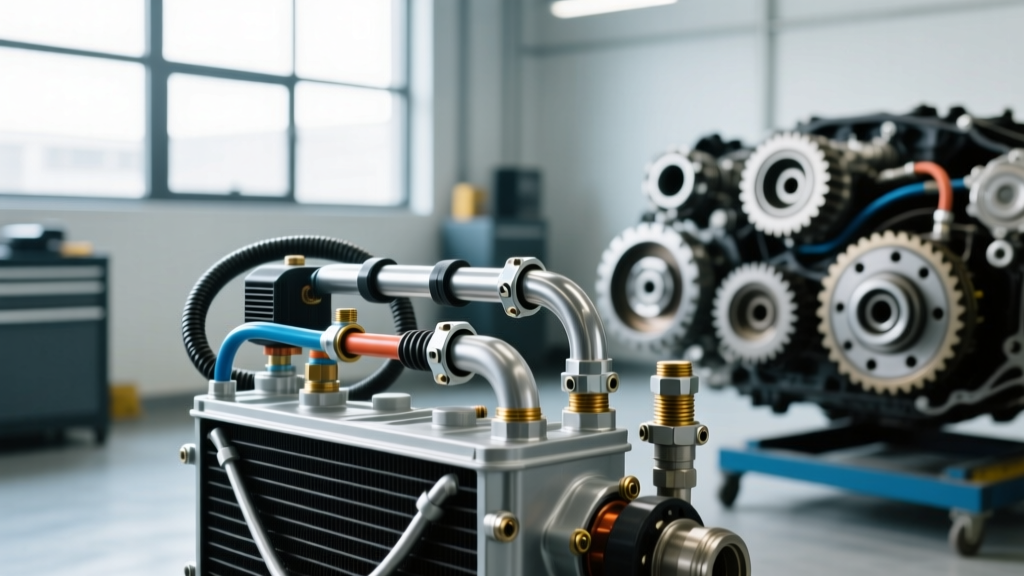
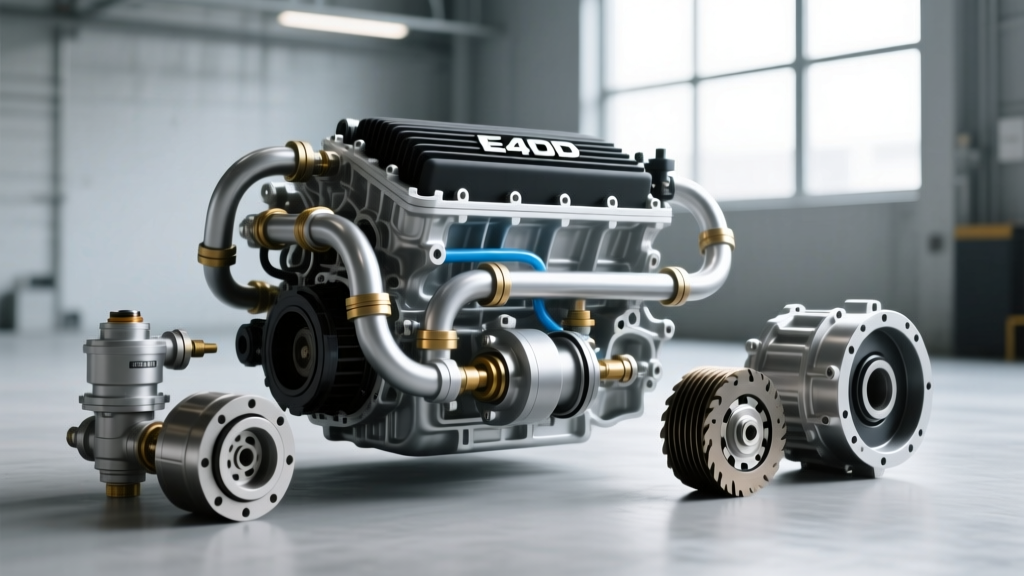
Ford’s E4OD transmission remains a cornerstone of heavy-duty truck history, powering everything from 1989 to 1998 F-Series Super Duties and Broncos. However, as these workhorses age and are pushed harder with modern towing demands, heat management becomes the single most critical factor in their survival. Before you start wrenching on cooler lines or dropping the transmission pan, consulting an accurate e4od transmission cooler lines diagram is an absolute necessity. The factory routing is deceptively complex, integrating the torque converter clutch (TCC) cooling circuit, the main lube circuit, and the often-overlooked thermal bypass valve.
Understanding this diagram reveals that the E4OD does not simply push fluid out to the radiator and back. Instead, fluid exits the transmission case via the rear cooler port, travels to the radiator’s internal heat exchanger, and optionally routes through an auxiliary cooler before returning to the front case port. Nestled within this hydraulic pathway is the thermal bypass valve—a component that dictates whether your transmission warms up efficiently or cooks itself from the inside out.
The Hidden Culprit: Thermal Bypass Valve Mechanics
Located inside the rear of the E4OD transmission case (and carried over to its successor, the 4R100), the thermal bypass valve acts as a temperature-gated traffic cop. When the transmission fluid is cold, a wax-filled thermal element or spring-loaded piston restricts flow to the cooler lines. This forces the fluid to bypass the radiator entirely, recirculating directly back to the sump to accelerate warm-up. Once the fluid reaches approximately 160°F to 180°F, the element expands, opening the port to the cooler lines and allowing heat rejection.
Common Failure Modes in the E4OD
By 2026, most original E4OD thermal bypass valves are well past their operational lifespan. They typically fail in one of two catastrophic ways:
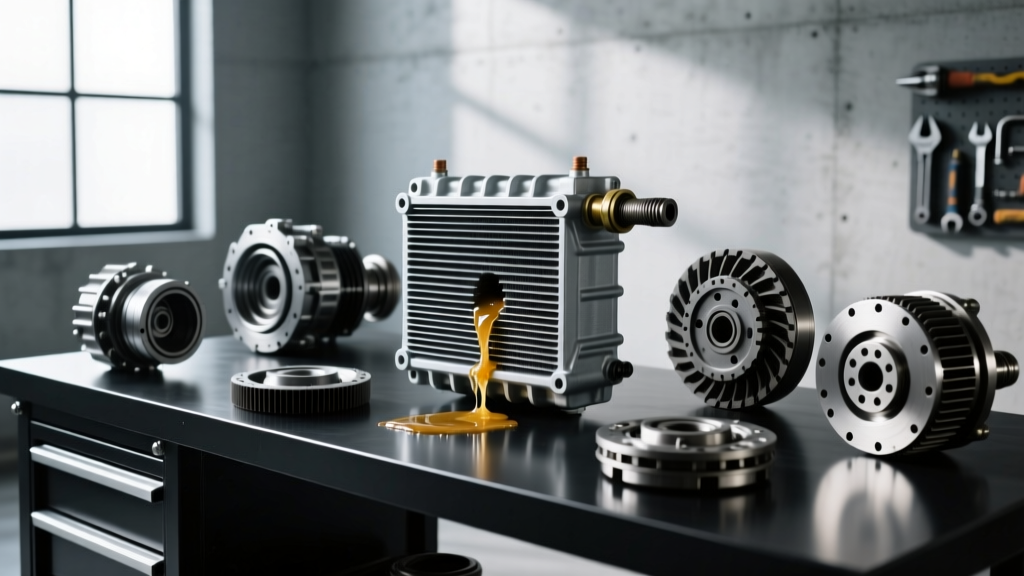
- Stuck Closed (Overheating): The thermal element seizes or the piston scores the bore. Fluid is never allowed to reach the cooler lines, regardless of temperature. The transmission fluid rapidly exceeds 250°F, baking the clutches, destroying the valve body separator plate, and turning the fluid into a burnt, varnished sludge.
- Stuck Open (Slipping & Flare): The valve fails to close during cold starts. Fluid continuously cycles through the cooler, preventing the transmission from reaching optimal operating temperature. This results in delayed forward engagement, harsh 1-2 shifts, and torque converter shudder due to improper hydraulic viscosity.
2026 Buyer's Guide: OEM vs. Delete vs. External Upgrades
When addressing a failing bypass valve, E4OD owners have three distinct paths. Choosing the right one depends on your climate, towing habits, and whether you have already installed an auxiliary transmission cooler. Below is a comparison of the leading configurations available on the market today.
| Configuration | Part Number / Brand | Est. Cost (2026) | Pros | Cons | Best Application |
|---|---|---|---|---|---|
| Internal Delete Plug | Sonnax 56522-01K | $15 - $25 | Guarantees 100% cooler flow; eliminates failure point. | Prolonged cold-weather warm-up times. | Heavy towing, warm climates, auxiliary cooler setups. |
| OEM Replacement | Motorcraft / Ford OEM | $45 - $70 | Restores factory warm-up logic; smooth cold shifts. | Prone to repeat failure; requires pan drop to install. | Stock trucks in four-season climates. |
| External Inline Thermostat | Hayden 167 / Derale | $60 - $95 | Mounts externally; easy to service; highly reliable. | Requires cutting/splicing cooler lines; adds complexity. | Custom builds, off-road rigs, extreme towing. |
Option 1: The Sonnax Bypass Delete Plug (The Enthusiast Favorite)
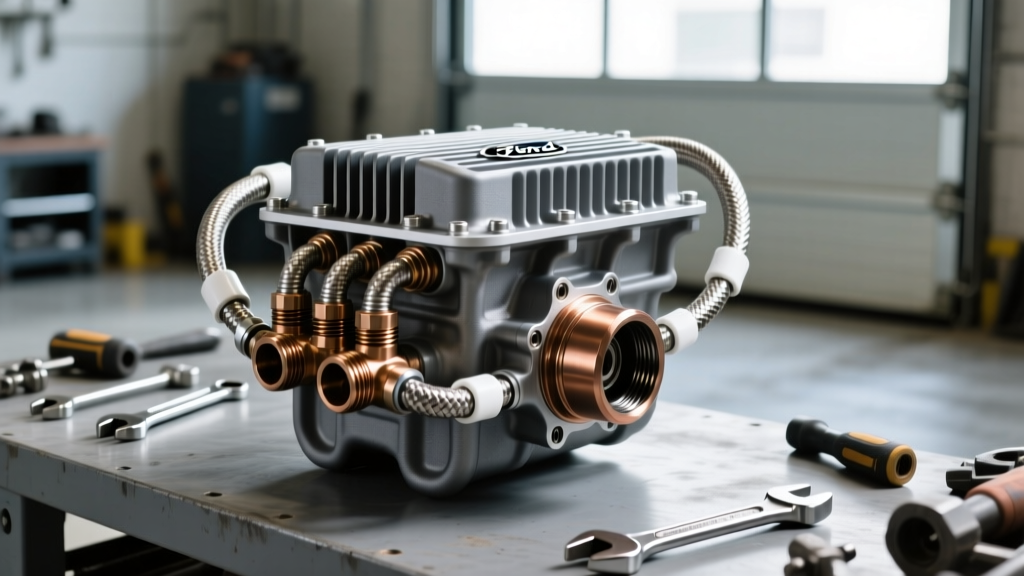
For the majority of E4OD owners who have already upgraded to a larger external cooler (like a Mishimoto or Derale stacked-plate unit), the Sonnax 56522-01K Thermal Bypass Valve Bypass Plug is the gold standard. This machined aluminum plug replaces the internal thermal valve entirely, locking the cooler circuit in the 'open' position. Because modern synthetic fluids like Valvoline MaxLife Multi-Vehicle flow exceptionally well at low temperatures, the need for a factory warm-up bypass is largely negated in moderate climates.
Option 2: OEM Replacement
If your E4OD is a daily driver in a region that sees sub-freezing winters, retaining the thermal logic is beneficial. Sourcing a genuine Motorcraft replacement ensures the wax element meets Ford's original hydraulic specifications. However, be warned: OEM replacement parts for the E4OD are becoming increasingly scarce as the platform ages, and aftermarket knockoffs often use inferior O-rings that degrade rapidly in MERCON V fluid.
Option 3: External Inline Thermostatic Bypass
For ultimate reliability without dropping the transmission pan, many fabricators opt to delete the internal valve and install an external inline thermostat in the cooler lines. Referencing your e4od transmission cooler lines diagram, you would install this valve on the 'out' line before it reaches the auxiliary cooler. Brands like Hayden offer reliable inline thermostats that open at 180°F, giving you the best of both worlds: rapid cold-weather warm-up and guaranteed high-volume cooling under load.
Installation Protocol & Torque Specifications
Replacing or deleting the internal bypass valve requires dropping the transmission pan. This is an ideal time to perform a full fluid and filter service. According to data shared by transmission rebuilders at ATRA (Automatic Transmission Rebuilders Association), meticulous cleanliness and precise torque are mandatory to prevent valve body cross-leaks.
Step-by-Step Internal Delete Procedure
- Drain and Drop: Remove the 18 pan bolts. Note that the E4OD pan does not have a drain plug. Carefully lower the pan to avoid tearing the reusable rubber gasket.
- Locate the Valve: Look toward the rear of the transmission case, near where the cooler lines thread into the housing. The thermal bypass valve is housed in a cylindrical bore.
- Extract the Assembly: Use a pick tool or small slide hammer to pull the thermal valve assembly and its retaining spring out of the bore. Clean the bore thoroughly with lint-free shop towels and brake cleaner.
- Install the Delete Plug: Lubricate the O-rings on the Sonnax delete plug with fresh transmission fluid. Press it firmly into the bore until it seats against the snap-ring groove, and install the retaining snap-ring.
- Reassembly: Reinstall the filter (ensure the O-ring is fully seated in the pump bore) and bolt the pan back up.
Critical Torque Specifications
- Transmission Pan Bolts (M8): 10 - 12 ft-lbs (Do not overtighten, or the pan rails will warp and leak).
- Cooler Line Fittings to Case: 15 - 20 ft-lbs (Use a backup wrench on the case adapter to prevent cracking the aluminum housing).
- Valve Body to Case Bolts: 8 - 10 ft-lbs (If removing the valve body for deeper access).
Real-World Cost Breakdown & Fluid Sourcing
Budgeting for a bypass valve service in 2026 requires factoring in the cost of high-quality synthetic fluids. The E4OD has a massive total dry capacity of roughly 17 quarts, though a standard pan-drop and filter change will only require about 6 to 8 quarts.
- Sonnax Delete Plug: $20
- Motorcraft FL-1995 Filter Kit: $25
- Fluid (8 Quarts Synthetic MERCON V equivalent): $65 - $85
- Total DIY Cost: $110 - $130
If you take this to a specialized transmission shop, expect labor to add $150 to $250 to the bill, bringing the total to roughly $350. Given the cost of a remanufactured E4OD (which now exceeds $3,500 installed), this preventative maintenance is arguably the highest-ROI upgrade you can perform on a classic Ford truck.
Expert Verdict: Should You Delete or Upgrade?
Expert Note: Deleting the thermal bypass valve is highly recommended for E4OD trucks operating in warm climates, those used for heavy towing, or any rig equipped with an aftermarket auxiliary cooler. By forcing 100% of the fluid through the cooling circuit at all times, you effectively eliminate the most common mechanical cause of E4OD overheating. However, if your truck sees daily sub-freezing winter driving in northern climates, retaining a functioning thermostatic valve—or installing an external inline thermostat—is crucial to prevent morning shift-flares and delayed engagements.
Ultimately, mastering the e4od transmission cooler lines diagram and taking control of your thermal bypass valve is the difference between a transmission that survives 300,000 miles and one that leaves you stranded on the side of the highway. Evaluate your climate, choose the right Sonnax or OEM component, and respect the torque specs. Your E4OD will reward you with crisp shifts and unmatched durability for years to come.