The True Cost of Car AC Compressor Clutch Replacement in 2026
When your vehicle's air conditioning fails to engage, the culprit is frequently the electromagnetic clutch assembly at the front of the compressor. While the broader automotive industry has shifted heavily toward electric compressors in EVs and hybrids, millions of internal combustion engine (ICE) vehicles on the road in 2026 still rely on belt-driven compressors with electromagnetic clutches. Understanding the car ac compressor clutch replacement cost requires looking beyond a flat labor rate; it demands an analysis of vehicle class, compressor architecture, and the specific diagnostic protocols required to ensure the new clutch doesn't fail prematurely.
As automotive HVAC specialists, we see too many technicians and DIYers swap a clutch without verifying the underlying system pressures or air gap tolerances, leading to repeat failures within a single summer season. This guide breaks down the real-world costs, technical specifications, and expert best practices for replacing AC compressor clutches across different vehicle platforms.
Anatomy of an Electromagnetic Clutch Failure
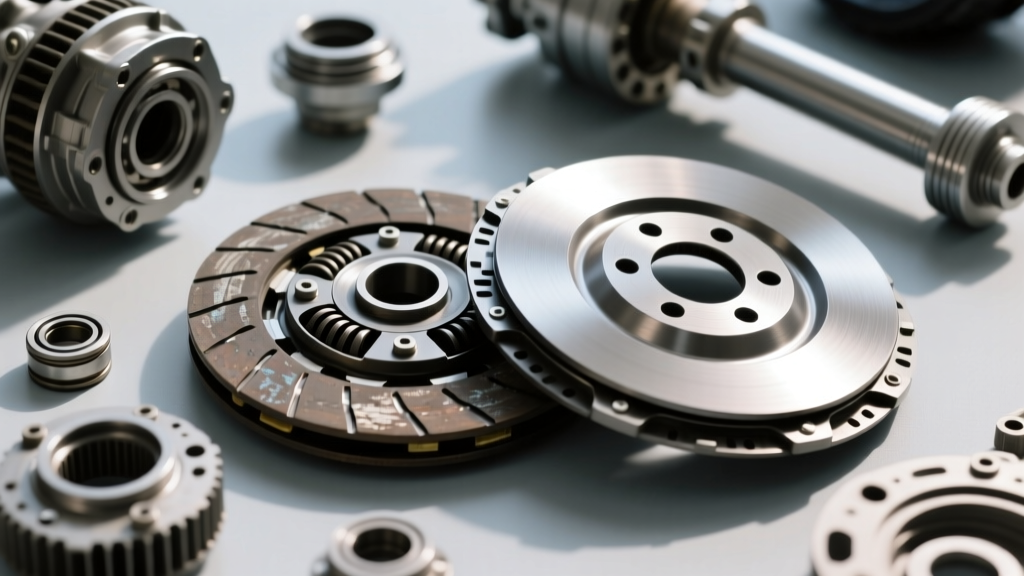
Before discussing pricing, it is vital to understand why these components fail. The clutch assembly consists of three primary parts: the electromagnetic coil, the pulley (with an integrated bearing), and the friction plate (hub). Failures typically manifest in three ways:
- Coil Burnout: Often caused by excessive voltage drop, poor grounding, or internal shorting. The coil overheats and melts its internal windings.
- Bearing Seizure: The pulley bearing is under constant load whenever the engine is running. Lack of lubrication or contamination leads to a high-pitched squeal, eventual seizure, and potentially a snapped serpentine belt.
- Friction Plate Wear & Air Gap Drift: As the friction surfaces wear, the air gap between the rotor and the hub increases. Once the gap exceeds the magnetic pull threshold (typically over 0.6mm), the clutch will slip or fail to engage entirely, especially at idle when alternator voltage is lowest.
Cost Breakdown by Vehicle Class and Drivetrain Layout
The cost of a car ac compressor clutch replacement varies wildly depending on the vehicle's architecture. Transverse-mounted engines in front-wheel-drive economy cars often offer decent access, whereas longitudinal setups in luxury or heavy-duty trucks may require removing auxiliary components, cooling fan shrouds, or even the radiator to access the compressor nose.
| Vehicle Class | Common Compressor Models | Avg. Part Cost (OEM/Premium) | Est. Labor Hours | Total Estimated Cost (2026) |
|---|---|---|---|---|
| Compact / Economy (e.g., Civic, Corolla) | Denso 10S17C, Sanden SD7V16 | $80 - $160 | 1.5 - 2.0 | $230 - $420 |
| Midsize / Luxury (e.g., BMW 3-Series, Audi A4) | Denso TVS, Harrison V5 | $180 - $350 | 2.5 - 3.5 | $500 - $850 |
| Heavy-Duty Trucks (e.g., F-250 6.7L, Ram 2500) | Delphi HT6, Sanden SD7H15 | $120 - $250 | 2.0 - 3.0 | $380 - $650 |
| Performance / Exotic (e.g., Porsche 911, Corvette) | Custom Nippondenso, Zexel | $300 - $600+ | 4.0 - 6.0 | $900 - $1,600+ |
Note: Labor rates in 2026 average between $130 and $180 per hour at specialized HVAC and drivetrain shops. Dealership rates will push these totals 20-30% higher.
The Variable Displacement Nuance
Many modern luxury and midsize vehicles utilize Continuously Variable Displacement (CVD) compressors. According to technical bulletins from Denso Aftermarket, some CVD compressors still employ an electromagnetic clutch not for cycling the refrigerant, but to eliminate parasitic drag when the HVAC system is completely off or during wide-open throttle (WOT) events. Replacing the clutch on these units requires extreme care; damaging the front seal during hub extraction will compromise the entire variable displacement internal control valve system, forcing a $1,200+ full compressor replacement.
Expert Diagnostics: Verifying the Need for Replacement
Never replace an AC clutch based on visual inspection alone. The Mobile Air Climate Systems Association (MACS) emphasizes that electrical and mechanical diagnostics must precede any wrenching. Follow this exact protocol to confirm the clutch is the actual failure point.
1. Coil Resistance and Voltage Drop Testing
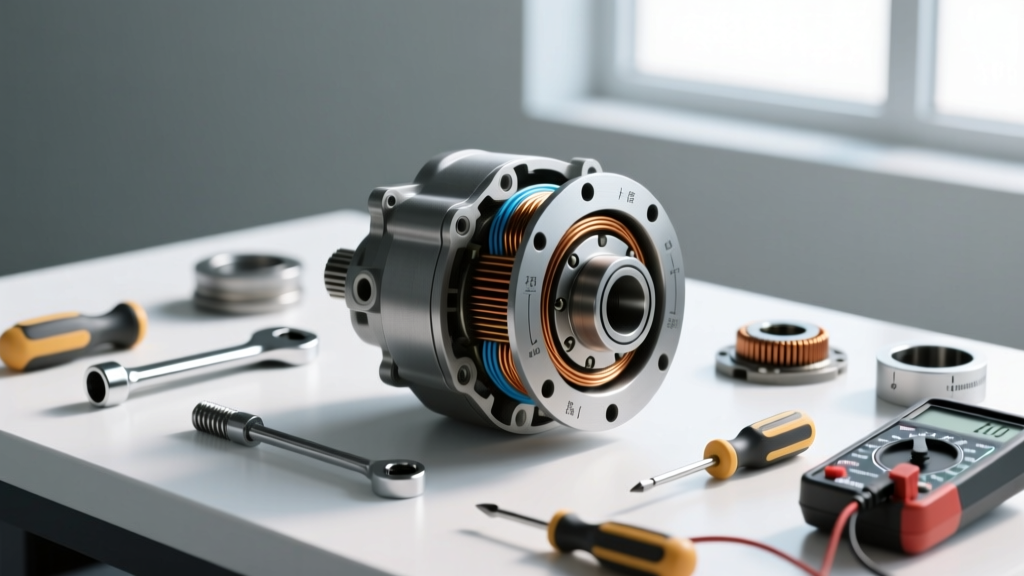
Disconnect the electrical connector at the compressor. Using a digital multimeter (DMM), measure the resistance across the coil terminals.
- Target Spec: 3.5 to 5.0 ohms at 20°C (68°F).
- Out of Spec: A reading below 3.0 ohms indicates an internal short (which will blow the HVAC fuse). A reading of infinite (OL) indicates an open circuit (burnt winding).
If resistance is nominal, perform a voltage drop test. Back-probe the connector with the engine running and AC set to max. You must see within 0.5V of battery voltage (typically 13.8V - 14.2V). If you only read 9V, the issue is a corroded relay or damaged wiring harness, not the clutch coil.
2. The Air Gap Measurement Protocol
The air gap is the single most critical mechanical specification during a car ac compressor clutch replacement. If the gap is too wide, the magnetic field cannot pull the friction plate across the rotor, resulting in slipping. If it is too tight, the clutch will drag and overheat.
- Optimal Air Gap: 0.40mm to 0.60mm (0.015" to 0.025").
- Measurement Tool: Use a tapered feeler gauge, not a standard blade gauge, to account for the curvature of the friction surfaces.
- Adjustment: Most Denso and Sanden compressors use shims located behind the friction plate hub. If your new clutch assembly has a gap of 0.8mm, you must remove the hub using a specialized puller and remove 0.2mm worth of shims to achieve the 0.6mm target.
Best Practices for Extraction and Reassembly
Improper tool usage is the leading cause of collateral damage during clutch service. Prying the friction plate off with screwdrivers will score the compressor's front aluminum housing and destroy the shaft seal.
Required Tooling
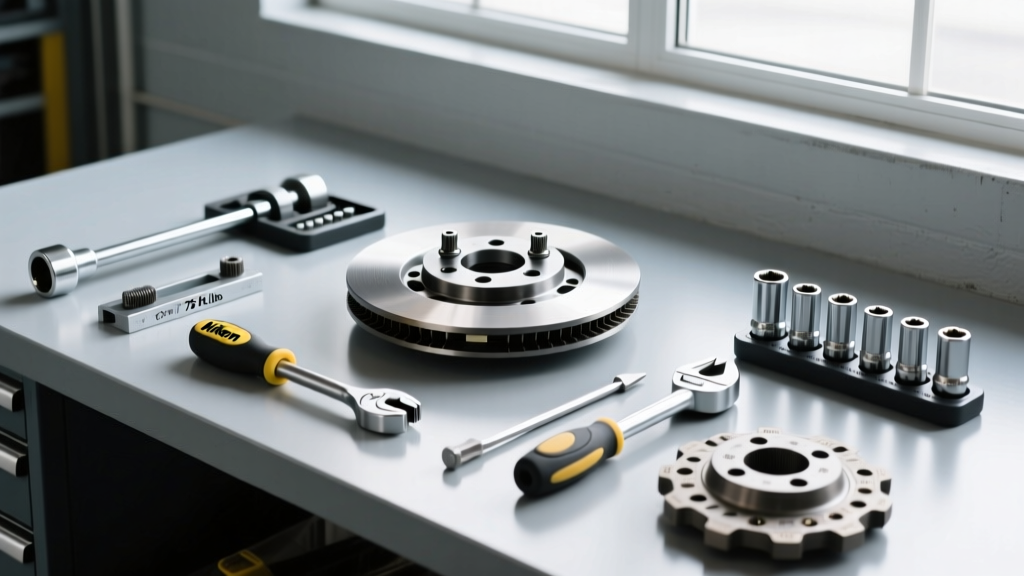
To execute a professional-grade replacement, you need model-specific clutch pullers and installers. For instance, the Lisle 45700 or equivalent OEMTOOLS sets are mandatory for Denso 10-series and Sanden SD7 compressors. You will also need internal and external snap ring pliers to remove the pulley retaining clips.
Torque Specifications and Thread Locking
When reinstalling the friction plate hub onto the compressor shaft, precise torque is non-negotiable. The center hub bolt threads directly into the end of the compressor shaft, which is often a soft alloy or precisely machined steel.
- Standard M8 Center Bolt: Torque to 15 - 22 Nm (11 - 16 lb-ft).
- Standard M10 Center Bolt: Torque to 25 - 32 Nm (18 - 23 lb-ft).
- Thread Prep: Always apply a drop of medium-strength threadlocker (e.g., Loctite 243) to the center bolt. The harmonic vibrations from the serpentine belt drive will back out an un-seated bolt, leading to catastrophic hub ejection at highway speeds.
When to Replace the Entire Compressor Instead
As experts in drivetrain and accessory load systems, we must advise when a clutch replacement is a waste of money. You should abort the clutch replacement and install a complete new compressor assembly if you observe any of the following:
- Front Shaft Seal Leak: Inspect the area behind the friction plate with a UV light. If you see fluorescent dye or heavy oil accumulation on the compressor nose, the internal shaft seal has failed. Replacing the clutch will not stop the refrigerant leak.
- Radial Shaft Play: Grab the friction plate and attempt to wiggle it up and down. Any perceptible radial play indicates that the internal front bearing of the compressor itself is worn. A new clutch will destroy itself within weeks due to the misalignment.
- Black Death (Compressor Disintegration): If the system has suffered a catastrophic internal failure, sending metallic debris and black sludge throughout the condenser and lines, the compressor is scrap. Installing a new clutch on a seized or internally scored compressor is futile.
Sourcing OEM vs. Aftermarket Assemblies
In 2026, the aftermarket is flooded with ultra-cheap clutch kits sourced from overseas marketplaces. While a $35 clutch kit might seem appealing compared to a $140 OEM Denso or Sanden assembly, the metallurgical differences are stark. Cheap aftermarket coils often use lower-grade copper windings and inferior epoxy potting, leading to heat soak failures in high-ambient-temperature environments. Furthermore, aftermarket friction plates frequently lack the proper surface treatment, leading to rapid wear and air gap drift within the first 10,000 miles. For a component that dictates your cabin comfort and defrosting safety, sticking to OEM or Tier-1 supplier (Denso, Sanden, Mahle) components is the only recommended best practice.