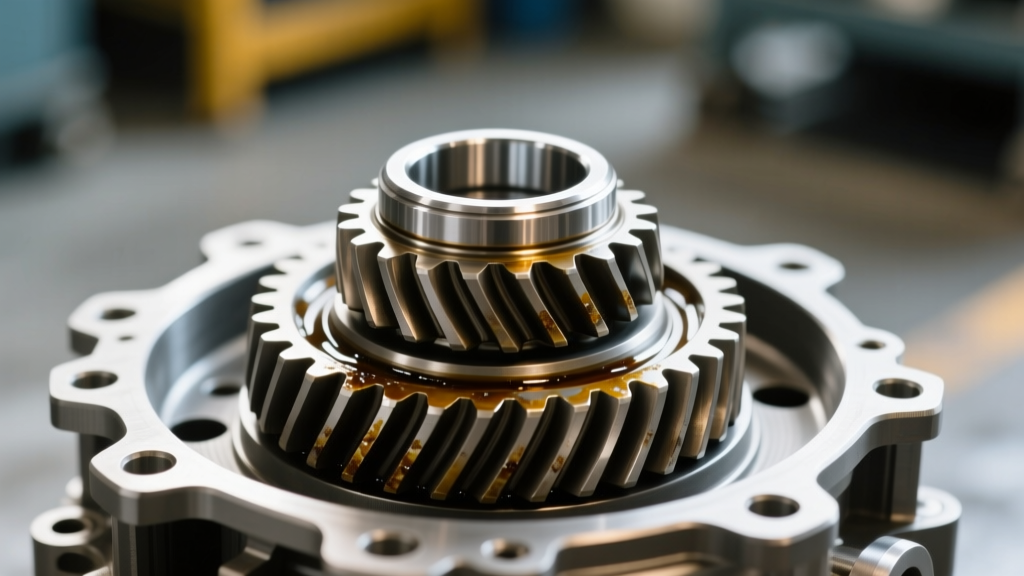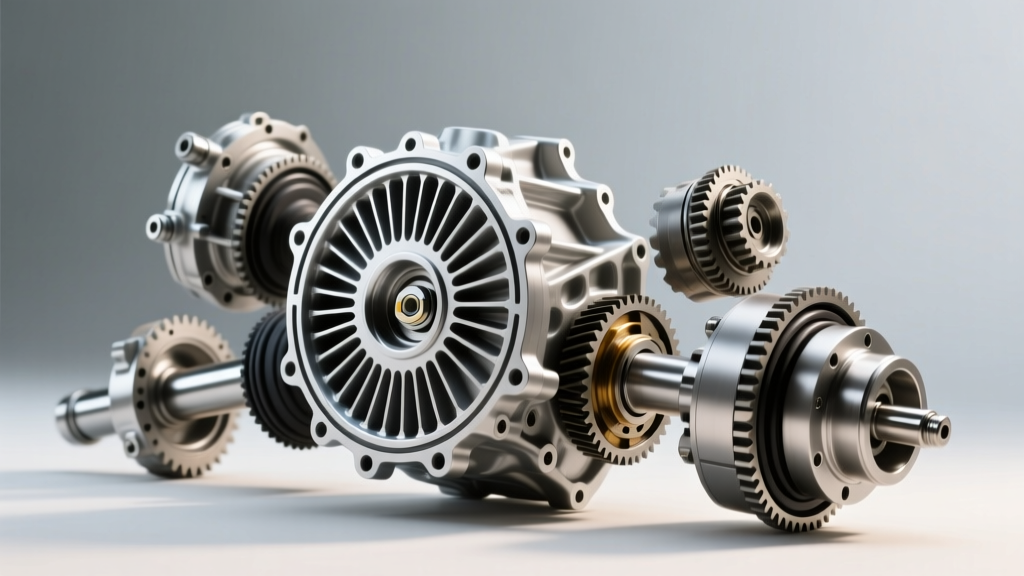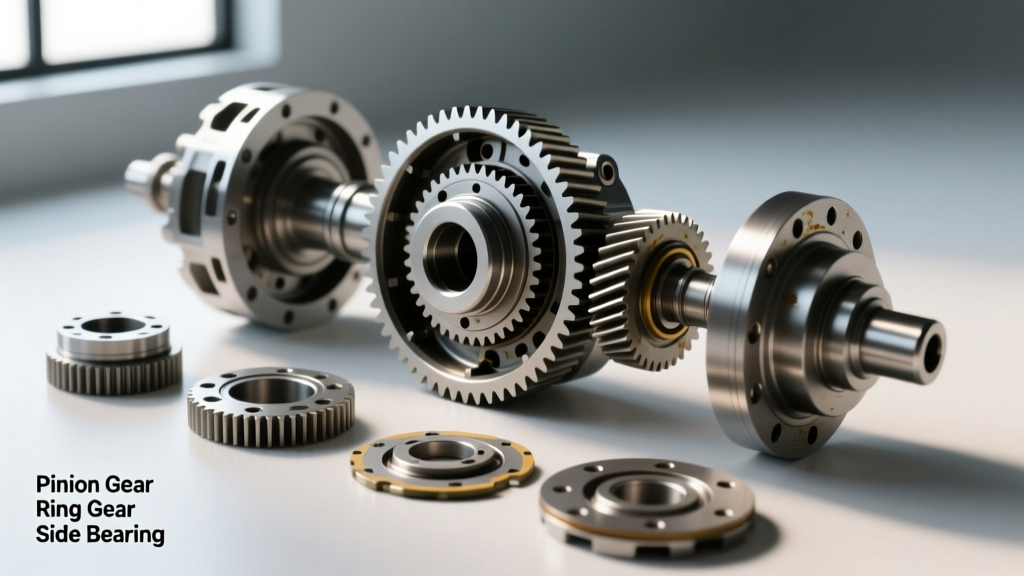
The differential gearbox is the unsung hero of your drivetrain, multiplying torque and allowing your wheels to rotate at different speeds. Yet, its lifeblood—gear oil—is often ignored until a catastrophic whine or howl echoes from the axle. By 2026, with OEMs pushing higher torque outputs through hybrid and heavy-duty towing platforms, thermal stress on hypoid gear sets has never been greater. Reading your fluid is the cheapest insurance policy you can buy.
Understanding the Differential Gearbox Fluid Baseline
Before you can diagnose a failing differential gearbox, you must understand what healthy gear oil looks, feels, and smells like. Most modern rear-wheel-drive and four-wheel-drive vehicles utilize API GL-5 rated gear oils, typically in 75W-90, 80W-90, or 75W-140 viscosities. These fluids are heavily fortified with Extreme Pressure (EP) additives, primarily sulfur-phosphorus compounds, designed to prevent metal-to-metal contact under the immense sliding friction of hypoid ring and pinion gears.
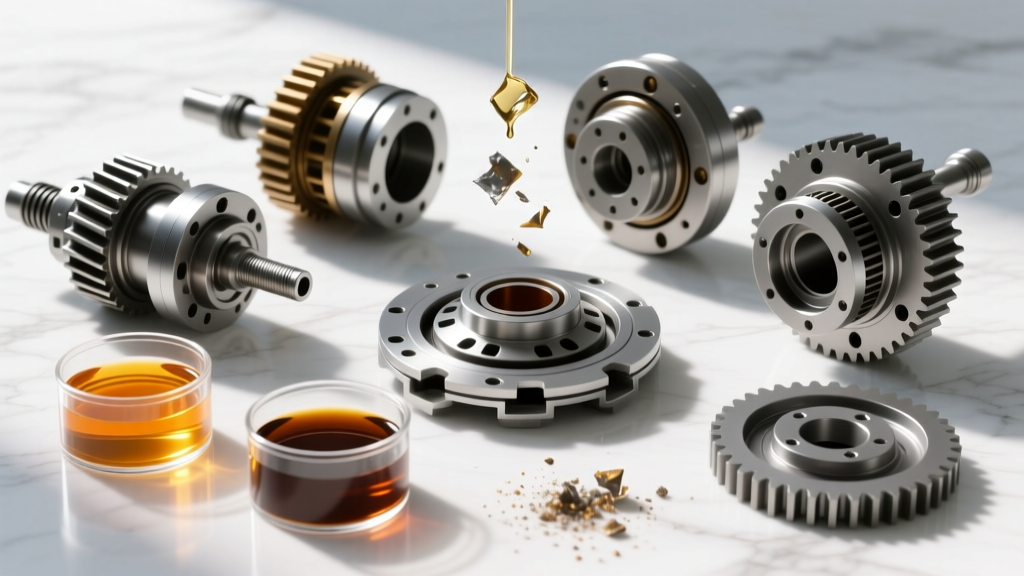
Fresh, unused synthetic 75W-90 gear oil is typically a clear, translucent amber or light straw color. It has a smooth, viscous texture and a distinct, sharp chemical odor reminiscent of sulfur or garlic. This smell is completely normal and is a direct result of the EP additives required to protect your differential gearbox. When performing preventive maintenance, establishing this baseline allows you to accurately track the fluid's degradation over a 30,000 to 50,000-mile service interval.
The Visual Diagnostic Matrix: Color and Condition
When you pull the drain plug or remove the differential cover, the fluid's visual state tells a detailed story about the internal health of the carrier, bearings, and gear teeth. Use the following diagnostic matrix to interpret your findings.
| Fluid Color / Appearance | Texture & Odor | Root Cause Analysis | Preventive Action Required |
|---|---|---|---|
| Clear Amber / Straw | Smooth, sharp sulfur smell | New or recently serviced fluid. Additive package is fully intact. | None. Reinstall plug and monitor. |
| Dark Brown / Opaque | Smooth, mild burnt smell | Normal thermal aging. EP additives are depleting; soot and micro-carbon are suspended. | Schedule service within 3,000 miles. |
| Pitch Black / Sludgy | Thick, sludge-like, acrid smell | Severe oxidation and thermal breakdown. Fluid has exceeded 300°F repeatedly. | Immediate flush. Inspect for bearing drag or parking brake shoe debris. |
| Milky / Chocolate Milk | Emulsified, frothy, no sulfur smell | Water intrusion. Condensation buildup or submerged axle breather tube. | Immediate drain. Clear axle breather. Inspect seals for leaks. |
| Reddish / Pinkish Tint | Thin, smells like automatic transmission fluid | Incorrect fluid. Someone previously filled the differential gearbox with ATF. | Immediate flush. ATF lacks GL-5 EP additives; inspect gears for micropitting. |
The Danger of Water Emulsification
Water intrusion is the silent killer of the differential gearbox. When water mixes with gear oil, the mechanical shearing action of the ring and pinion creates an emulsion (the 'chocolate milk' effect). This emulsification destroys the fluid's hydrodynamic film strength. Without this protective barrier, the extreme pressures of the hypoid gear contact patch will cause micropitting, spalling, and rapid corrosion on the bearing races. If you spot milky fluid, you must also locate the source. Check the axle breather valve—often located on the top of the axle tube or connected via a rubber hose to the frame. If this breather is clogged with mud or debris, the axle will draw in water through the pinion seal or axle shaft seals when the hot differential gearbox cools down and creates a vacuum.
Tactile and Olfactory Inspections: Beyond the Eyeball
Color is only the first step in preventive maintenance. The true health of your differential gearbox is revealed through touch and smell.
The Magnetic Plug Test
Most OEM differential drain plugs feature a built-in magnet, or the fluid is drained into a pan equipped with a magnetic wand. What you pull from the fluid is critical:
- Fine, Metallic Fuzz (Normal): A coating that looks like graphite paste or fine glitter is completely normal. This represents the microscopic wear of the thrust washers, spider gears, and bearing cages over 50,000 miles.
- Jagged Shards or Chips (Critical): If you find distinct, hard metallic chunks or shards larger than a grain of rice, your differential gearbox is actively failing. This indicates gear tooth spalling or bearing cage disintegration. A teardown and rebuild are mandatory.
- Brass or Bronze Flakes (Warning): Brass-colored flakes usually originate from the differential's internal thrust washers or the limited-slip clutch friction materials. If you drive a clutch-type Limited Slip Differential (LSD), excessive brass indicates the clutch packs are worn out and chattering.
The Smell Test: Thermal Degradation
Gear oil is highly susceptible to thermal oxidation. According to lubrication engineers at AMSOIL Technical Services, standard petroleum-based GL-5 gear oils begin to rapidly oxidize when bulk temperatures exceed 250°F to 275°F. If the drained fluid smells like burnt toast or acrid coffee, the base oil has coked. This burnt smell means the sulfur-phosphorus EP additives have been thermally destroyed, leaving the ring and pinion vulnerable to scoring. Vehicles used for heavy towing, off-road rock crawling, or track days should upgrade to high-capacity synthetic 75W-140 fluids to combat this thermal cliff.
Preventive Maintenance Intervals and Torque Specifications
Adhering to a strict service schedule is the cornerstone of differential gearbox longevity. While many modern owner's manuals label the differential fluid as 'lifetime,' independent tribologists and drivetrain experts universally reject this notion. 'Lifetime' merely means the fluid will outlast the manufacturer's powertrain warranty period. For true preventive maintenance, follow these guidelines:
- Standard Commuter / Highway Driving: Inspect every 30,000 miles; replace every 60,000 miles.
- Severe Duty (Towing, Off-Road, Track): Replace every 30,000 miles, or immediately after any deep water submersion.
- Break-In Service (New Vehicles or Rebuilds): Drain and replace the factory fill at 3,000 to 5,000 miles to remove initial manufacturing metal shavings.
Common Axle Torque Specifications and Capacities
When servicing the differential gearbox, stripping the fill or drain plug threads is a costly mistake. Always use a calibrated torque wrench. Below are specifications for three of the most common axles on the road:
- Ford Super 8.8 (IRS and Solid Axle): Fill and drain plugs require 33 lb-ft (45 Nm). Fluid capacity is approximately 2.5 quarts of 75W-85 or 75W-140 synthetic. (Note: Ford's newer 75W-85 synthetic is designed for fuel economy; use 75W-140 for towing).
- Dana / Spicer 44 (Jeep Wrangler / Light Trucks): If equipped with a drain plug, torque to 25 lb-ft. If removing the 10-bolt cover, torque cover bolts to 30-35 lb-ft in a crisscross pattern. Capacity is roughly 2.0 quarts of 80W-90. Always apply a bead of RTV silicone (like Permatex Ultra Black) and let it cure before filling.
- Subaru R180 (Rear Differential): Drain plug torque is 33 lb-ft; fill plug is 29 lb-ft. Capacity is exactly 1.3 quarts (1.2 liters) of 75W-90 GL-5. Do not overfill, as excess fluid will blow past the pinion seal.
The Limited-Slip Additive Variable
If your differential gearbox is equipped with a clutch-type Limited Slip Differential (LSD)—such as Ford's Trac-Lok or Chrysler's Sure-Grip—the fluid condition directly impacts drivability. These units require a specific Friction Modifier additive (e.g., Mopar 68083381AC or Ford XL-3). Over time, as the gear oil degrades and turns dark brown, the friction modifier loses its efficacy. The first symptom of degraded fluid in an LSD isn't a noise; it's a shudder or chatter when turning at low speeds. If you experience this, a fluid flush with fresh modifier often resolves the issue without requiring a mechanical rebuild.
Conclusion: Proactive Drivetrain Stewardship
Your differential gearbox operates in a harsh, high-pressure environment. By taking ten minutes to inspect the fluid's color, texture, and smell during every oil change or tire rotation, you can predict failures months before they strand you on the highway. Whether you are maintaining a daily-driven commuter or a heavy-duty tow rig, treating gear oil as a vital, consumable wear-item rather than a 'lifetime' fill is the ultimate key to drivetrain reliability. For deeper technical specifications on hypoid gear metallurgy and lubrication requirements, consult the engineering resources available at Spicer Parts Support.