The True Cost of Differential Maintenance in 2026
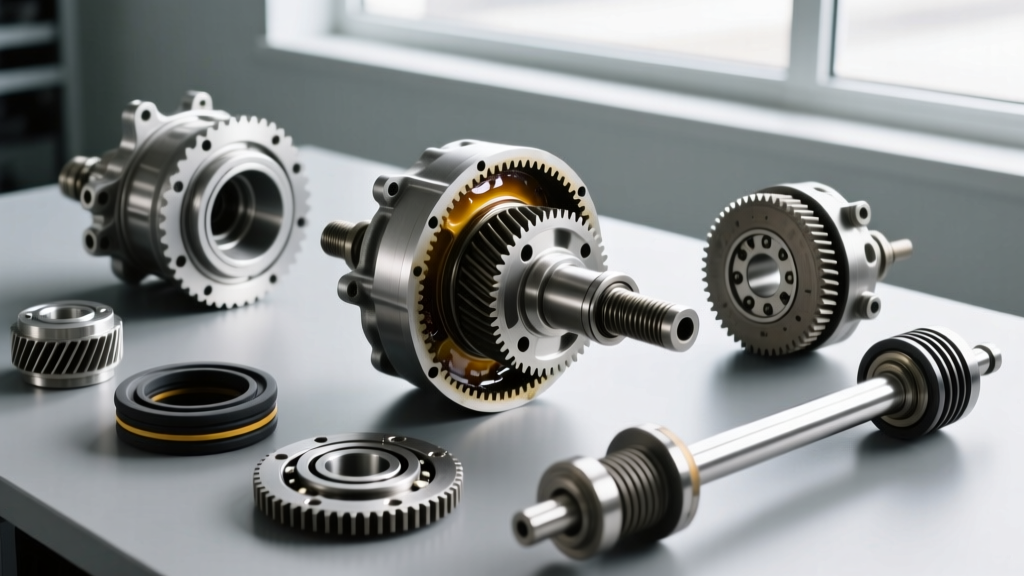
When evaluating the longevity of your vehicle's drivetrain, the differential carrier is arguably the most critical yet overlooked component. Housing the ring and pinion, spider gears, and side bearings, the differential carrier relies entirely on a thin film of extreme pressure (EP) gear oil to survive immense mechanical stress. As we navigate the 2026 automotive landscape, shop labor rates and synthetic lubricant prices have shifted, making preventive maintenance both a mechanical necessity and a financial strategy. This guide breaks down the exact costs, fluid specifications, and service protocols required to protect your differential carrier from catastrophic failure.
2026 Differential Fluid Service Pricing Breakdown
The cost of servicing your differential fluid varies wildly depending on whether you choose a dealership, an independent drivetrain specialist, or a DIY approach. Below is a comprehensive look at what you should expect to pay in 2026 for standard light-duty and heavy-duty solid axles, as well as independent rear suspensions (IRS).
| Axle Type / Application | Fluid Capacity | DIY Cost (Synthetic) | Independent Shop Cost | Dealership Cost |
|---|---|---|---|---|
| Light Duty (e.g., Ford 8.8, Dana 44) | 3.5 - 4.5 Pints | $65 - $90 | $180 - $250 | $280 - $350 |
| Heavy Duty (e.g., Dana 60, AAM 11.5) | 6.5 - 8.0 Pints | $110 - $145 | $275 - $380 | $400 - $550 |
| Independent Rear (e.g., GM 9.5 IRS) | 2.5 - 3.5 Pints | $55 - $80 | $150 - $220 | $250 - $320 |
Note: DIY costs assume the use of premium full-synthetic 75W-90 or 75W-140 gear oils and reusable gaskets. Shop prices include standard labor rates of $130-$180 per hour for 2026.
The Symbiosis Between the Differential Carrier and Gear Oil
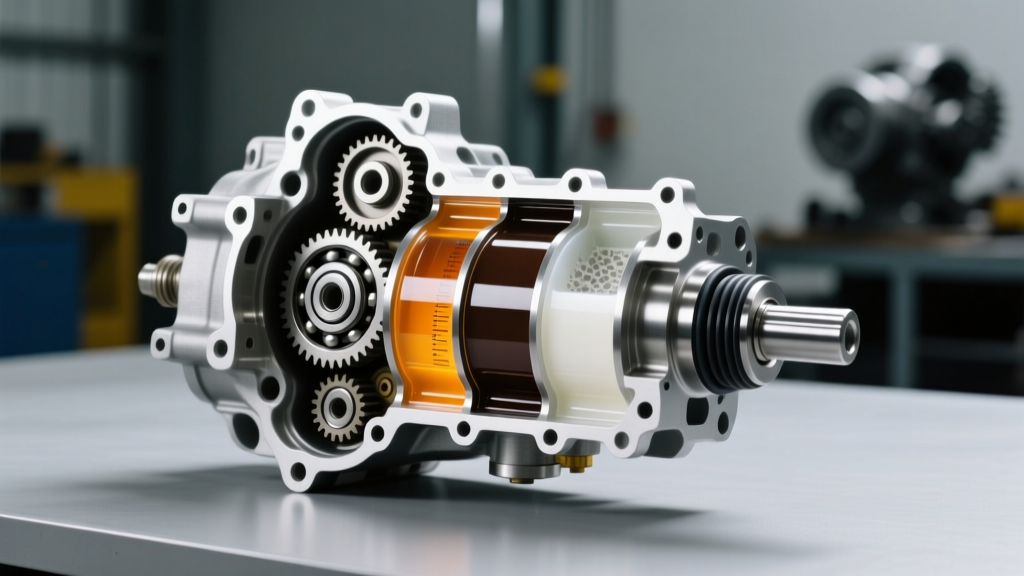
To understand why these service costs are justified, you must understand the operating environment of the differential carrier. During cornering, the spider gears inside the carrier rotate on their cross pins, generating immense localized friction. Furthermore, the carrier bearings (such as the ubiquitous Timken SET 10 for Dana 44 applications) support the entire rotating mass of the carrier assembly. If the gear oil loses its viscosity or its EP additives deplete, the boundary lubrication fails. The resulting metallic shearing contaminates the fluid with microscopic ferrous particles, which then act as a lapping compound, accelerating wear on the ring and pinion teeth.
According to lubrication engineers at AMSOIL, modern synthetic gear oils utilize advanced zinc and phosphorus chemistries to maintain film strength under extreme shear. However, even the best synthetic fluids eventually succumb to thermal breakdown, especially in vehicles subjected to towing, off-road use, or frequent stop-and-go driving.
The Myth of 'Lifetime' Differential Fluid
Many modern OEMs market their drivetrain lubricants as 'lifetime' fluids. From a preventive maintenance perspective, this is a dangerous misnomer. 'Lifetime' typically refers to the warranty period of the vehicle, not the mechanical limit of the differential carrier. For vehicles that tow trailers, carry heavy payloads, or operate in extreme climates, the fluid's friction modifiers and EP additives degrade significantly between 30,000 and 50,000 miles. Ignoring this degradation is the leading cause of premature carrier bearing failure and ring gear pitting.
DIY Preventive Maintenance: Step-by-Step Cost and Protocol
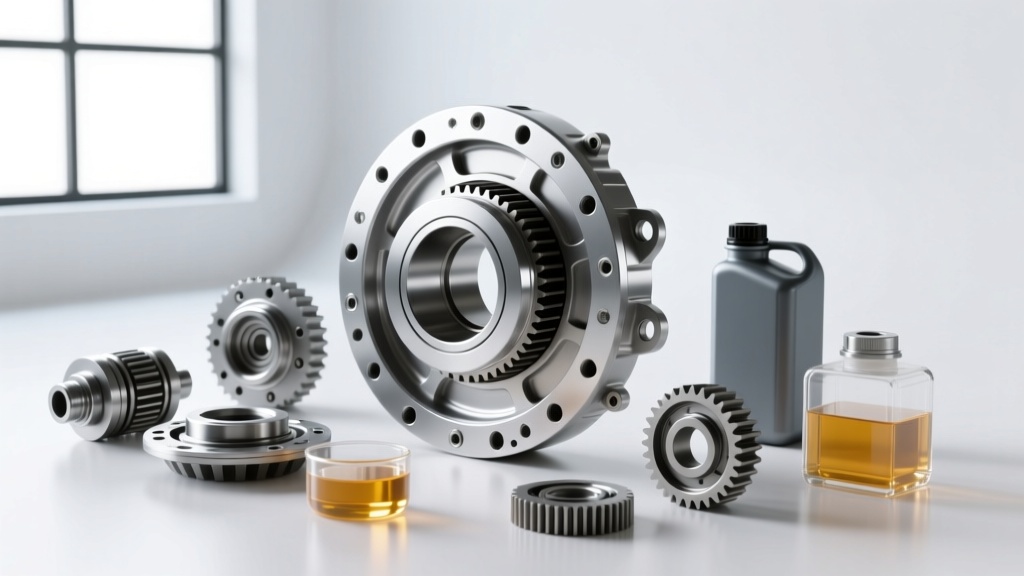
Performing a differential fluid service at home yields the highest return on investment. Here is a detailed breakdown of the consumables, part numbers, and procedures required to service the differential carrier properly without cutting corners.
1. Selecting the Right Fluid and Additives
- Standard Open / Torsen Differentials: Use a high-quality GL-5 75W-90 synthetic gear oil. Torsen (torque-sensing) helical gear differentials do not require friction modifiers. Cost: ~$22 per quart.
- Clutch-Type Limited Slip Differentials (LSD): You must add a Limited Slip Additive (LSA). Without it, the clutch packs will chatter and destroy the differential carrier internals. OEM options like Ford XL-3 (approx. $12) or GM ACDelco 10-4016 (approx. $14) are highly recommended over universal aftermarket alternatives.
- Heavy-Duty Towing Applications: Step up to a 75W-140 viscosity to protect the differential carrier bearings under high-thermal loads. Cost: ~$28 per quart.
2. Gaskets vs. RTV Silicone
Scraping old RTV silicone off the differential cover and carrier housing is tedious and risks dropping debris into the gears. In 2026, reusable elastomer gaskets are the industry standard for preventive maintenance. A Yukon Gear or LubeLocker gasket (e.g., part number LLR-F088 for the Ford 8.8) costs around $35 to $45 but guarantees a perfect seal without the mess. If your axle requires RTV (like many Dana 60s), use Permatex Ultra Black (part #81878, ~$9), which is sensor-safe and highly resistant to gear oil breakdown.
3. The Critical Carrier Magnet Inspection
Most differential covers feature a drain plug magnet or a factory-installed magnetic puck inside the housing. When you drop the fluid, inspect this magnet. A fine, glittery paste is normal wear from the differential carrier thrust washers. However, if you find chunks of metal or needle bearings, your carrier bearings are actively failing, and a simple fluid change will not save the axle.
Essential Torque Specifications for Axle Hardware
Overtightening differential cover bolts can warp the stamped steel covers or crack cast-aluminum IRS housings, leading to leaks that starve the differential carrier of oil. Always use a calibrated torque wrench. Below are standard specifications for common axles:
- Ford 8.8 (10-Bolt): Cover bolts to 28 lb-ft (38 Nm).
- Dana 44 (10-Bolt): Cover bolts to 25 lb-ft (34 Nm).
- AAM 11.5 (14-Bolt): Cover bolts to 33 lb-ft (45 Nm); Fill/Drain plugs to 25 lb-ft.
- GM 9.5 IRS: Fill plug to 24 lb-ft (32 Nm).
The Cost of Neglect: Differential Carrier Rebuild Pricing
What happens if you skip preventive maintenance? When gear oil degrades, the differential carrier bearings are the first to suffer. A failed carrier bearing allows the entire differential assembly to shift under load, altering the critical backlash and contact pattern between the ring and pinion gears. Once the gear teeth begin to spall or pit, a simple fluid service is no longer an option.
According to drivetrain rebuilders, a complete differential carrier rebuild in 2026 involves replacing the carrier bearings, pinion bearings, seals, crush sleeve, and often the ring and pinion set itself. Sourcing premium Timken bearings and a quality gear set will run between $600 and $1,200 in parts alone. When you factor in the specialized labor required to set the pinion depth and carrier preload, a full rebuild at a professional shop will cost anywhere from $1,800 to $3,200. Compared to a $90 DIY fluid service every 40,000 miles, the financial argument for preventive maintenance is undeniable.
Final Preventive Maintenance Intervals
To maximize the lifespan of your differential carrier and axle assemblies, adhere to the following service intervals based on your driving profile:
- Normal Commuting / Highway: Every 50,000 to 60,000 miles.
- Frequent Towing / Heavy Payloads: Every 25,000 to 30,000 miles (Consider 75W-140 and an auxiliary differential cover with cooling fins).
- Off-Road / Water Fording: Immediately after any event where the axle is submerged in water, as the vacuum created by cooling axle housings will suck moisture past the seals, emulsifying the gear oil and destroying the differential carrier bearings within miles.
By understanding the true costs and mechanical requirements of your drivetrain, you can make informed decisions that keep your vehicle on the road and out of the repair bay.