The Hidden Link Between Differential Fluid Specs and Breather Hoses
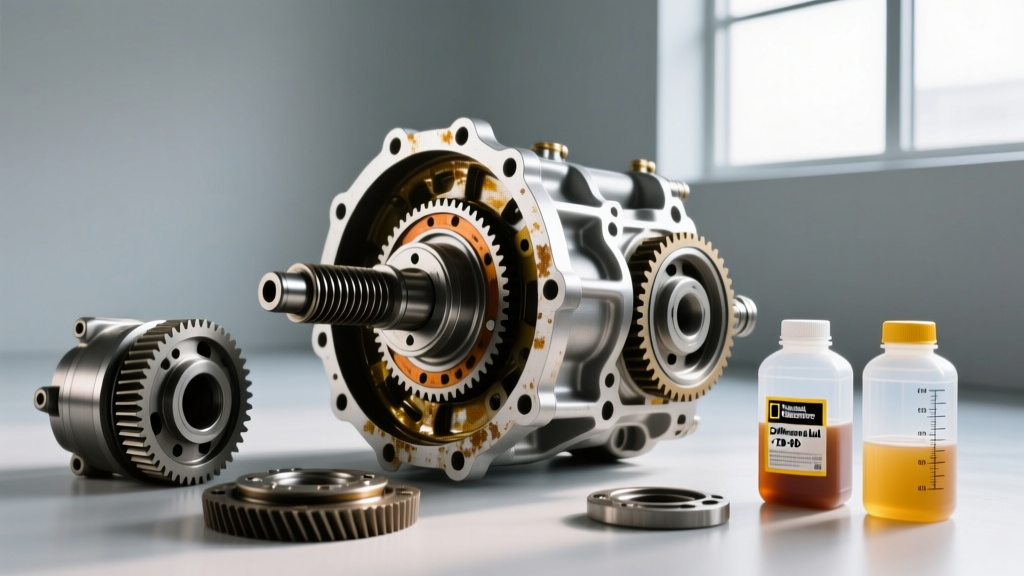
When automotive enthusiasts and fleet managers think of axle maintenance, they immediately focus on differential fluid types and specifications. However, as of 2026, a critical and often overlooked component in this ecosystem is the differential breather hose. Upgrading to high-performance synthetic gear oils or pushing your axle with heavy towing and off-road use generates immense thermal expansion. If your axle cannot vent this pressure, or if it ingests water through a failing stock valve, your expensive synthetic fluid will rapidly degrade. This buyer's guide bridges the gap between selecting the correct hypoid gear oil and upgrading your breather system to protect that investment.
2026 Differential Fluid Specification Comparison Chart
Choosing the right fluid requires understanding the API (American Petroleum Institute) service classifications and SAE viscosity grades. Below is a comparison of the most prevalent differential fluids on the market, tailored for modern solid axles and independent front suspensions.
| Fluid Specification | Viscosity | API Rating | Best Application | Base Price (Qt) |
|---|---|---|---|---|
| Mobil 1 Synthetic Gear Lube | 75W-90 | GL-5 | Daily driving, light towing, highway cruising | $14.99 |
| Amsoil Severe Gear | 75W-140 | GL-5 | Heavy towing, off-road, high-temp environments | $22.50 |
| Red Line 75W90 NS | 75W-90 | GL-5 (No Friction Mod) | Torsen / Helical LSD axles requiring no slip additives | $18.95 |
| Lucas Oil Heavy Duty | 85W-140 | GL-5 | High-mileage truck fleets, extreme shock loading | $12.50 |
Understanding API GL-5 and Extreme Pressure Additives
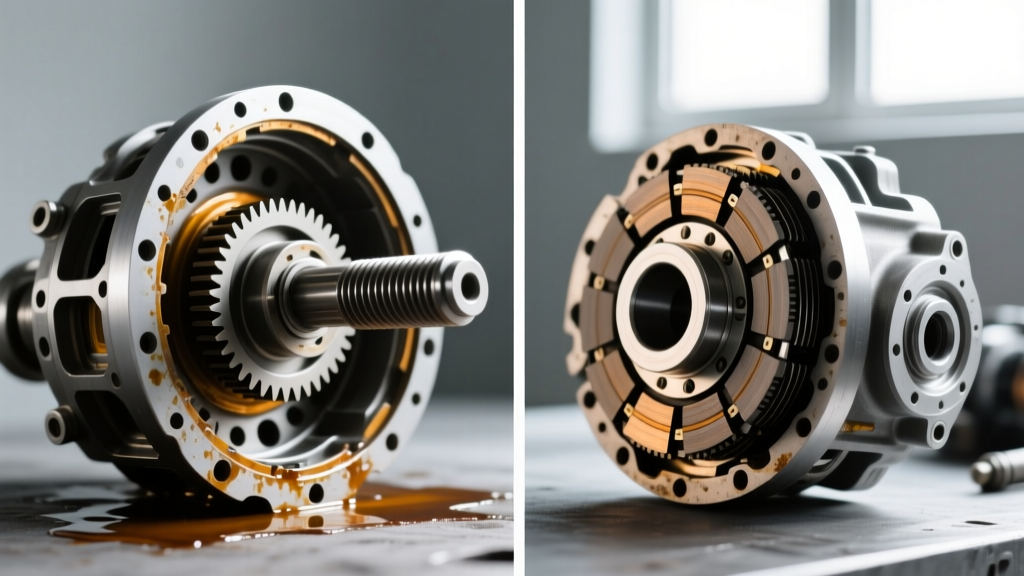
Most modern differentials, particularly hypoid gear setups found in Dana Spicer 60s or Ford Sterling 10.5 axles, require API GL-5 certified fluids. GL-5 fluids contain high levels of sulfur-phosphorus extreme pressure (EP) additives. These additives react with the metal surfaces under high load to create a sacrificial boundary layer, preventing gear welding. However, when water enters the axle housing, it reacts with these sulfur-phosphorus compounds, forming acidic byproducts that corrode bearings and turn the gear oil into a milky, ineffective sludge. This chemical vulnerability is exactly why a high-quality differential breather hose is non-negotiable for off-road and towing applications.
Why Your Stock Differential Breather Hose Fails
Factory differential breathers are typically simple, low-profile metal or plastic caps pressed directly into the axle housing. They rely on a basic internal diaphragm or a loose-fitting cap to keep dust out. As the differential fluid heats up during operation, the air inside the housing expands. When you park the vehicle or plunge the hot axle into cold water (such as crossing a creek or driving through deep snow), the housing rapidly cools, creating a vacuum. If the stock breather is clogged with mud or lacks a proper check valve, the axle will suck in moisture, dirt, and debris. According to Spicer Parts, water contamination as low as 1% can reduce bearing life by up to 90%, rendering your premium fluid specifications useless.
Buyer’s Guide: Top Differential Breather Hose Upgrades
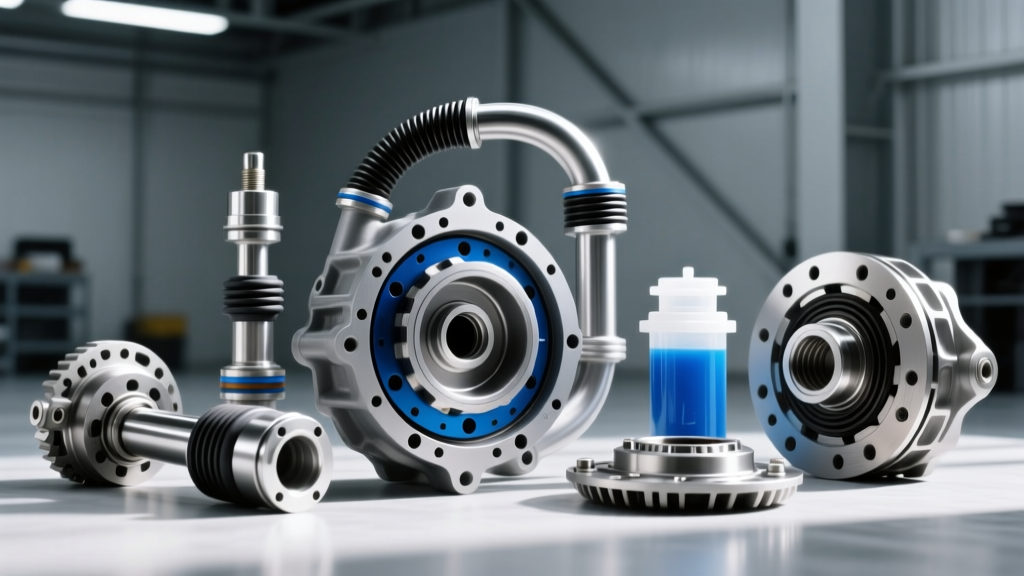
To protect your differential fluid, you must route the venting point higher up into the engine bay or bed of the truck, utilizing a hose and a high-flow, water-resistant check valve. Below are the top-rated kits for 2026.
| Kit / Part Number | Type | Hose Length | Check Valve | Est. Price |
|---|---|---|---|---|
| ARB 170110 | Multi-Axle Push-In | 20 ft | Yes (Reed) | $48.00 |
| Toyota 04003-30204 | OEM Extended | 12 ft | Yes (Ball) | $36.50 |
| Rugged Ridge 17405.01 | Jeep Dana 35/44 | 3 ft | No | $24.99 |
ARB Differential Breather Kit (Part #170110)
The ARB 170110 remains the gold standard for overlanders and heavy-duty truck owners. It features a high-quality polyurethane hose and a sophisticated reed-style check valve that offers virtually zero restriction during thermal expansion while sealing completely against water ingestion. At roughly $48, it is an affordable insurance policy for a $150 synthetic fluid change. The kit includes multiple push-in brass fittings to adapt to the varying thread pitches found on Dana, GM, and Chrysler axles.
OEM Toyota Extended Breather Hose (Part #04003-30204)
For Tacoma, 4Runner, and Tundra owners, the OEM extended kit is a direct plug-and-play solution. Priced around $36.50, it replaces the restrictive factory cap with a barbed nipple, a 12-foot reinforced rubber hose, and a premium ball-check valve designed to be mounted inside the engine bay. This ensures that the vacuum created by cooling 75W-90 or 75W-140 fluid only draws in clean, dry engine bay air.
Matching Fluid Viscosity to Breather Placement
The viscosity of your chosen differential fluid directly impacts how quickly the axle reaches operating temperature and how much pressure it generates. Thicker fluids, such as 75W-140 or 85W-140, generate higher internal friction and run hotter under load. Consequently, axles running heavy-viscosity fluids require breathers with larger internal diameters and highly responsive check valves to prevent pressure from blowing out the axle shaft seals. If you are running a 75W-140 synthetic like Amsoil Severe Gear in a Dana 80 for heavy 5th-wheel towing, routing your differential breather hose above the bed rails and away from exhaust components is mandatory to manage the extreme thermal cycling.
Step-by-Step: Servicing the Axle and Routing the Breather
When replacing your differential fluid and upgrading the breather simultaneously, precision and cleanliness are paramount. Follow these expert-level steps:
- Preparation: Jack up the vehicle and support it on jack stands. Remove the differential cover or drain plug. For a Toyota 8-inch IFS, use a 24mm socket and torque the fill plug to 37 lb-ft (50 Nm) during reassembly.
- Cleaning: Use a lint-free rag and brake cleaner to remove old sludge. Inspect the ring and pinion gears for abnormal pitting.
- Extracting the Old Breather: Use a crowfoot wrench or deep socket to remove the factory breather. Clean the threads with a wire brush.
- Installing the New Fitting: Apply a high-temperature thread sealant (like Permatex 56521) to the brass barbed fitting of your new differential breather hose kit. Torque gently to avoid cracking the axle housing—typically 10-15 lb-ft is sufficient for 1/8-inch NPT threads.
- Routing: Run the hose away from the exhaust, tie it to existing brake lines or wiring harnesses using UV-resistant zip ties, and mount the check valve as high as possible, ideally behind the grille or inside the engine bay.
- Filling: Pump the new GL-5 fluid until it reaches the bottom of the fill hole. For LSD axles, ensure you have added the manufacturer-specified friction modifier if your fluid does not already contain it.
Final Verdict
Upgrading your differential fluid types and specifications to a premium synthetic is only half the battle. Without a properly routed differential breather hose, your axle remains vulnerable to thermal pressure blowouts and catastrophic water ingestion. Whether you opt for the comprehensive ARB 170110 kit or an OEM extended hose, pairing a robust breather system with the correct API GL-5 fluid ensures your ring, pinion, and bearings will survive the most punishing environments well beyond 100,000 miles.