The True Financial Impact of a Leaking Differential Axle Seal
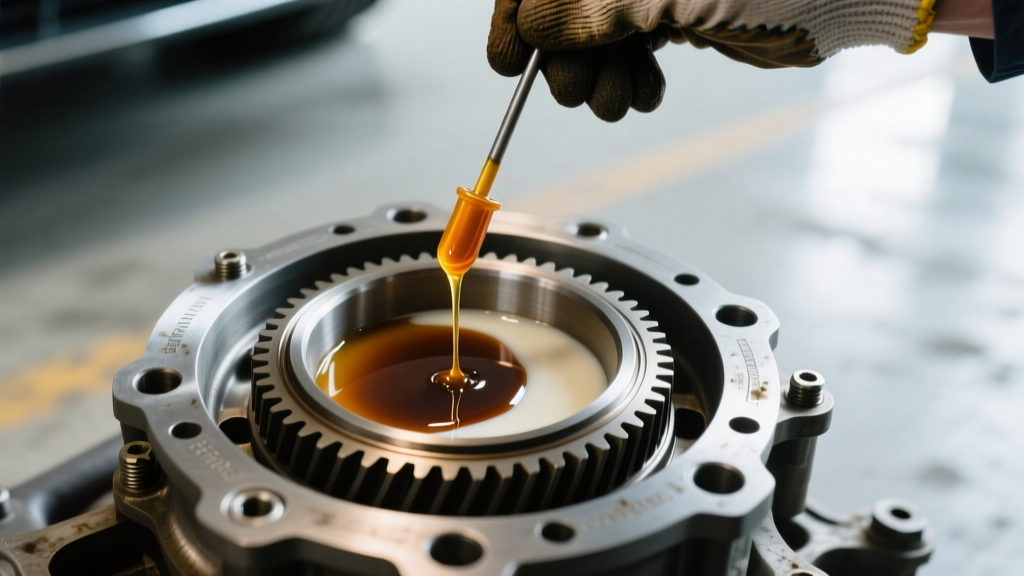
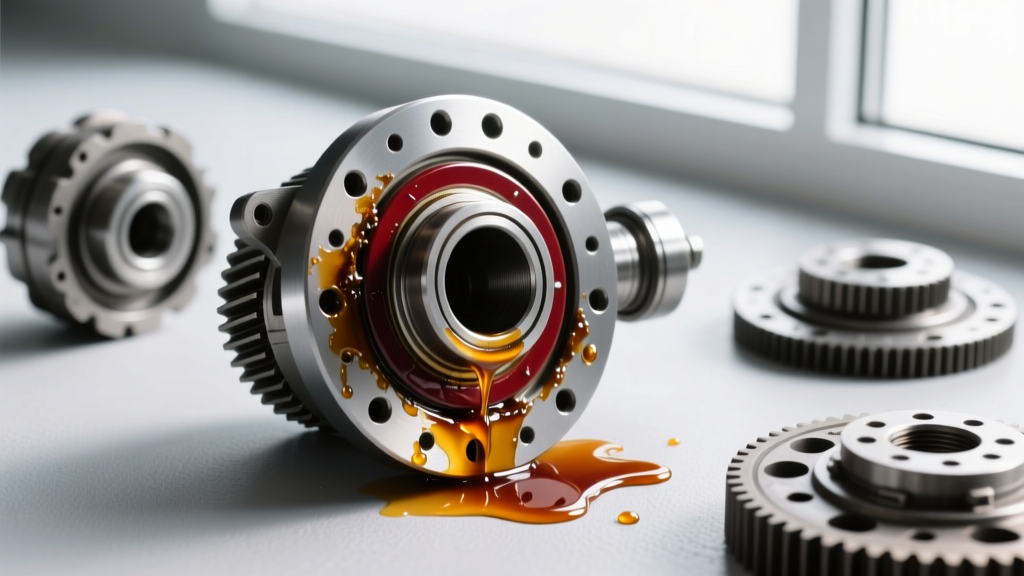
Spotting a puddle of thick, sulfur-smelling fluid near your rear wheels usually means one thing: a failed differential axle seal. While the seal itself is a relatively inexpensive piece of molded rubber and steel, the resulting service requires draining, inspecting, and refilling the differential housing. This transforms a simple $15 part replacement into a comprehensive differential fluid service.
In 2026, with the widespread adoption of low-viscosity synthetic gear oils and complex limited-slip clutch packs, understanding differential gear oil specifications is no longer optional—it is critical to avoiding catastrophic drivetrain failure. This cost analysis breaks down the exact pricing, fluid specifications, and labor variables associated with repairing a differential axle seal and replenishing the correct gear oil.
Decoding Differential Gear Oil Specifications
When replacing a differential axle seal, you must refill the housing with gear oil that meets the exact specifications dictated by the ring and pinion gear geometry. Hypoid gears, which are standard in almost all modern solid and independent rear axles, operate under extreme sliding friction. This requires specific extreme pressure (EP) additives.
API Service Classifications: GL-4 vs. GL-5
The American Petroleum Institute (API) classifies gear oils primarily into GL-4 and GL-5. For differential axle seal repairs on hypoid gearsets, API GL-5 is mandatory. GL-5 contains high levels of sulfur-phosphorus EP additives that create a sacrificial film on the gear teeth, preventing microwelding under heavy load. Using GL-4 in a hypoid differential will lead to rapid gear wear and eventual catastrophic failure.
Viscosity Grades and the SAE J306 Standard
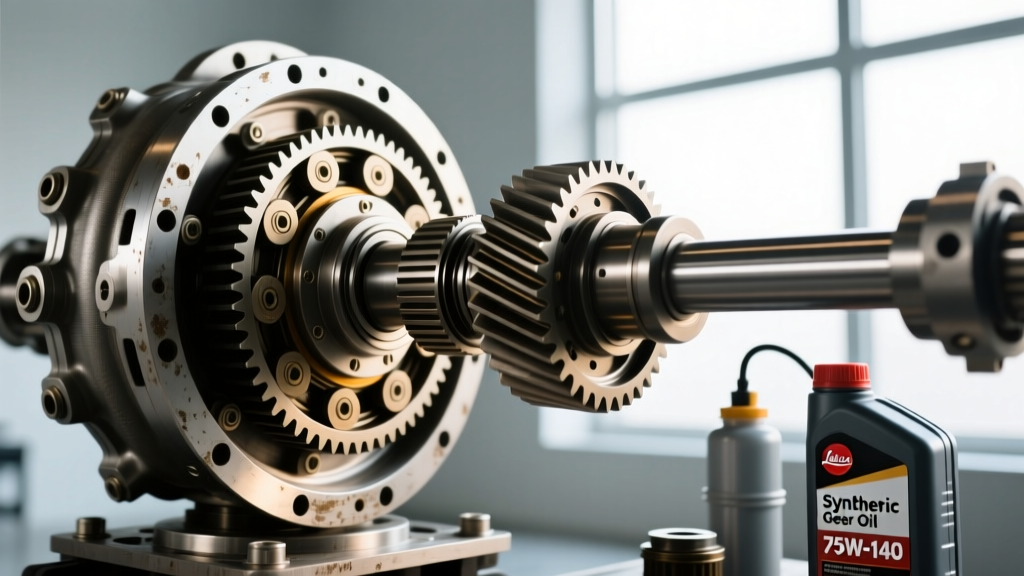
Gear oil viscosity is governed by the SAE J306 standard. Historically, 80W-90 conventional oil was the default. However, modern OEMs increasingly specify 75W-85 or 75W-90 full synthetics to reduce parasitic drag and improve cold-weather shifting. Heavy-duty trucks and towing packages often require 75W-140 to maintain film strength at high differential temperatures.
Limited-Slip (LS) Friction Modifiers
If your axle houses a clutch-type limited-slip differential (LSD)—such as Ford's Trac-Lok, GM's Eaton Positraction, or an aftermarket Auburn unit—you must add a specialized friction modifier. Failing to add this $15 additive after an axle seal repair will result in aggressive clutch chatter during low-speed cornering, eventually destroying the clutch packs.
2026 Gear Oil Price Matrix by Specification
| Gear Oil Specification | Typical Application | Average Price per Quart (2026) | OEM / Premium Example |
|---|---|---|---|
| 80W-90 Conventional GL-5 | Older solid axles, budget repairs | $8.00 - $12.00 | Valvoline High Performance |
| 75W-90 Synthetic GL-5 | Modern SUVs, light trucks, daily drivers | $16.00 - $24.00 | Amsoil Severe Gear / Mobil 1 |
| 75W-140 Synthetic GL-5 | Heavy towing, 1-ton trucks, off-road | $20.00 - $28.00 | Red Line 75W140 NS |
| 75W-85 Synthetic GL-5 | Modern fuel-efficiency focused axles | $18.00 - $26.00 | ACDelco Dexron UL |
| LS Friction Modifier Additive | Clutch-type Limited Slip Differentials | $12.00 - $18.00 (4oz bottle) | ACDelco 10-4016 / Motorcraft XL-3 |
Cost Breakdown: Differential Axle Seal & Fluid Service
The total cost to replace a differential axle seal is heavily dictated by labor rates and whether the differential requires a full fluid flush or just a top-off (though any competent shop will mandate a full drain and fill if the seal has been leaking long enough to contaminate the fluid with dirt or water).
DIY vs. Independent Shop vs. Dealership Pricing
| Service Provider | Parts Cost (Seal + Fluid) | Labor Cost (1.5 - 2.5 Hours) | Total Estimated Cost (Per Side) |
|---|---|---|---|
| DIY (Home Garage) | $35 - $70 | $0 | $35 - $70 |
| Independent Drivetrain Shop | $50 - $90 | $150 - $250 | $200 - $340 |
| OEM Dealership | $80 - $130 | $220 - $350 | $300 - $480 |
Note: Labor times assume a solid rear axle where the brake caliper/rotor must be removed, the axle retainer plate unbolted, and the axle shaft slid out of the housing to press the old seal out and the new one in. Independent front suspension (IFS) front differential axle seal replacements often require dropping the CV axle, which can increase labor time to 2.5+ hours per side.
Application-Specific Specs, Part Numbers, and Costs
To provide actionable data, here is a breakdown of the exact parts, fluid capacities, and specifications for three of the most common axles on the road today when performing a differential axle seal replacement.
1. GM 8.6-Inch (10-Bolt) Solid Axle
Found in millions of Chevrolet Silverados and GMC Sierras (1999-present).
- Axle Seal Part Number: Timken 710983 or SKF 18720 ($12 - $18)
- Gear Oil Spec: SAE 75W-90 Synthetic API GL-5
- Capacity: 2.1 Quarts (approx. $45 for premium synthetic)
- Limited Slip Additive: Required if equipped with G80 locking rear (though the G80 is a locker, not a clutch LSD, GM still often recommends specific fluid profiles; verify by VIN).
- Differential Cover Torque: 25 lb-ft (M10 bolts)
2. Ford 8.8-Inch Solid Axle
Ubiquitous in Ford F-150s, Mustangs, and Rangers.
- Axle Seal Part Number: National 8660S or Motorist BRD-150 ($10 - $15)
- Gear Oil Spec: SAE 75W-140 Synthetic API GL-5 (for trucks/towing); 75W-90 for light duty.
- Capacity: 2.5 Pints (approx. 1.25 Quarts)
- Limited Slip Additive: Motorcraft XL-3 Friction Modifier ($14) is strictly required for Trac-Lok differentials.
- Differential Cover Torque: 28 - 35 lb-ft
3. Dana 44 (Jeep Wrangler JL / Gladiator)
The modern standard for light off-road applications.
- Axle Seal Part Number: National 711022 or Dana 54689 ($15 - $22)
- Gear Oil Spec: SAE 75W-85 API GL-5 (OEM Mopar spec)
- Capacity: 1.8 Quarts (Rear) / 1.4 Quarts (Front)
- Limited Slip Additive: Required for Trac-Lok; NOT required for electronic locking differentials (ELD).
- Differential Cover Torque: 25 lb-ft (Use RTV silicone rather than a cork gasket for optimal sealing).
The Hidden Cost of Incorrect Gear Oil Specifications
Cutting corners on gear oil specifications during an axle seal repair is a false economy. According to drivetrain rebuilders at Yukon Gear & Axle, the majority of premature differential failures stem from lubrication issues rather than mechanical defects.
If a technician or DIYer uses a conventional 80W-90 in a differential designed for 75W-85 synthetic, the increased fluid drag can raise internal operating temperatures by 15°F to 20°F. Over time, this thermal degradation breaks down the EP additives, leading to bearing pitting and ring-and-pinion scoring. A differential rebuild costs between $1,500 and $2,800 in 2026, completely eclipsing the $20 saved by buying the wrong gear oil.
Furthermore, using GL-5 gear oil in manual transmissions that specifically call for GL-4 (due to yellow-metal synchronizer compatibility) will cause the sulfur additives to corrode the brass synchros. Always verify the exact API and viscosity requirements on the differential housing tag or OEM service manual.
Expert Installation Notes & Torque Specifications
When replacing the differential axle seal, the installation technique is just as vital as the fluid you pour back in. Follow these E-E-A-T verified practices:
- Breather Valve Check: Before blaming a new axle seal for a recurring leak, check the differential axle tube breather valve. If this $4 part is clogged, internal pressure builds as the gear oil heats up, forcing fluid past the weakest point—the axle seal.
- Seal Driver Tools: Never hammer a new differential axle seal in with a socket and mallet. This frequently deforms the outer casing or damages the inner lip. Use a dedicated seal driver set (e.g., Lisle 58430) to press it in perfectly square.
- Axle Nut Torque: For IFS front differential axle seal replacements, the CV axle nut must be torqued to exact OEM specs, often ranging from 150 lb-ft to 220 lb-ft depending on the vehicle. Failure to use a torque wrench will result in wheel bearing failure.
- Gasket vs. RTV: When resealing the differential cover to refill the oil, scrape off all old RTV. Use a bead of high-temp black or grey RTV (like Permatex 81173) rather than cheap paper gaskets, which tend to weep over time.
Summary
A leaking differential axle seal is a warning sign that requires immediate attention. While the physical seal replacement is straightforward, the mandatory gear oil service demands strict adherence to API GL-5 specifications, precise SAE viscosity grades, and limited-slip additive requirements. By budgeting for high-quality synthetic gear oil and utilizing correct torque specs, you ensure your differential survives the next 100,000 miles without issue.