The True Cost of Drivetrain Traction: A 2026 Preventive Maintenance Guide
When enthusiasts and fleet managers debate the merits of a limited slip differential vs locking rear differential, the conversation almost exclusively revolves around traction, off-road capability, and cornering dynamics. However, as an automotive drivetrain specialist, I frequently remind clients that the long-term ownership experience is heavily dictated by preventive maintenance costs. The fluid requirements, additive dependencies, and service intervals for these two distinct traction-aiding systems vary significantly, directly impacting your annual maintenance budget.
In 2026, with synthetic lubricant prices fluctuating and dealership labor rates averaging between $140 and $195 per hour, understanding the exact fluid specifications and service pricing for your specific differential is no longer optional—it is a financial necessity. This guide breaks down the real-world costs, fluid capacities, and mechanical nuances of maintaining clutch-type limited slips versus mechanical and electromechanical locking differentials.
Fluid Economics: API GL-5, Viscosity, and Additive Dependencies
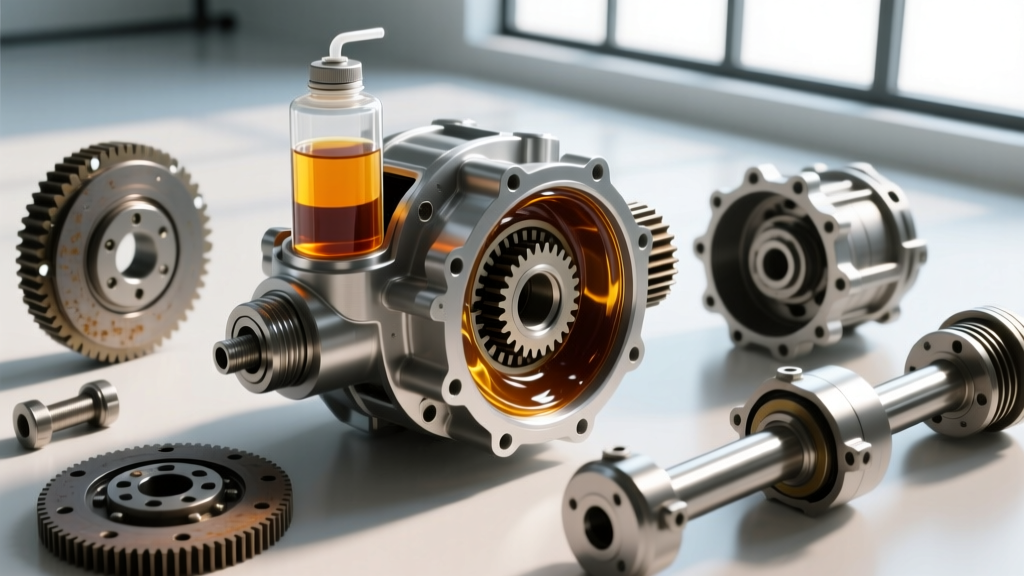
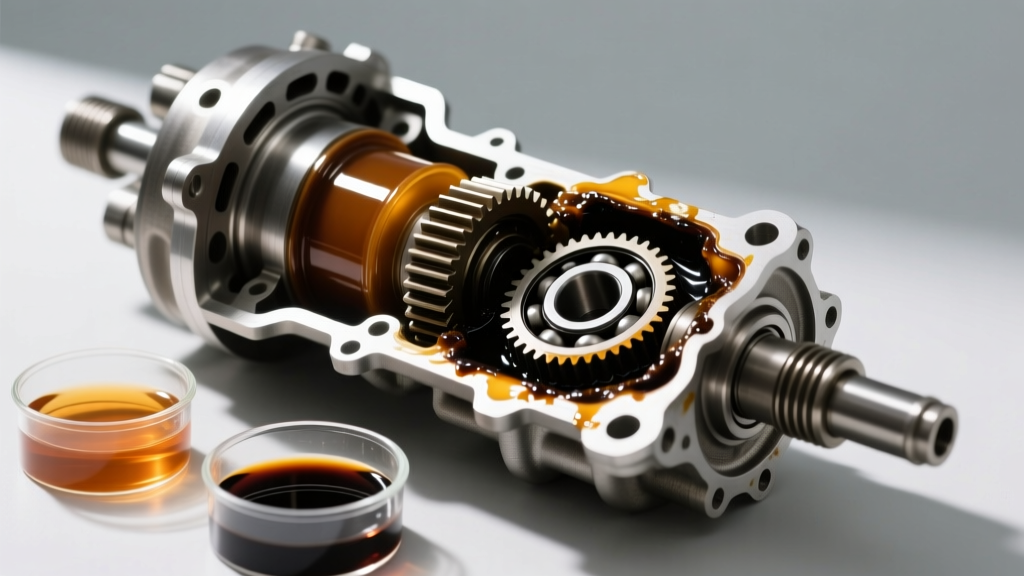
The foundation of differential maintenance is the gear oil. Most modern solid-axle and independent rear suspensions require an API GL-5 certified hypoid gear lubricant, typically in a 75W-90 or 75W-140 viscosity. The divergence in cost occurs when we examine the internal mechanics of the differential carrier and how they interact with this fluid.
Clutch-Type Limited Slip Differentials (LSD)
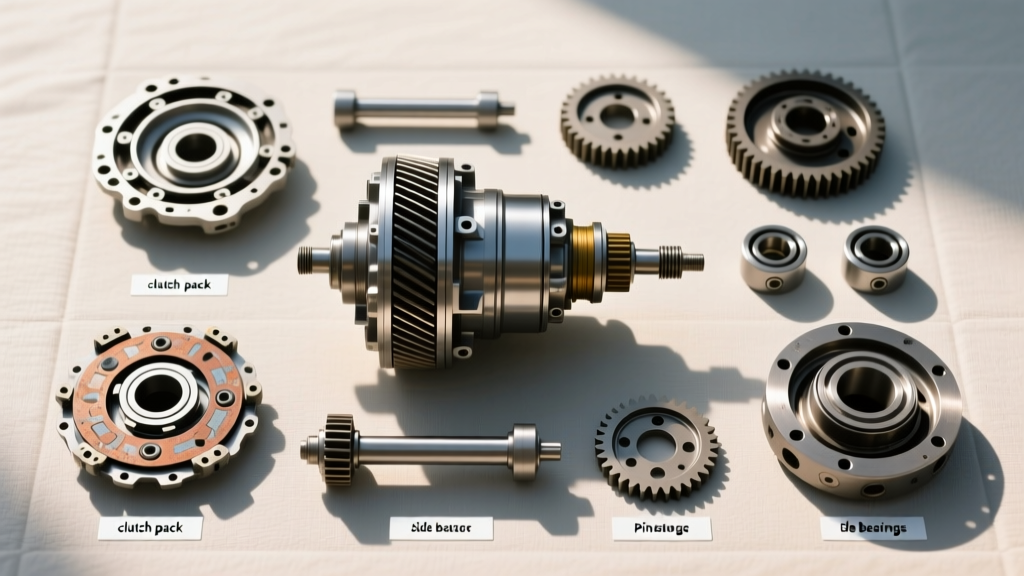
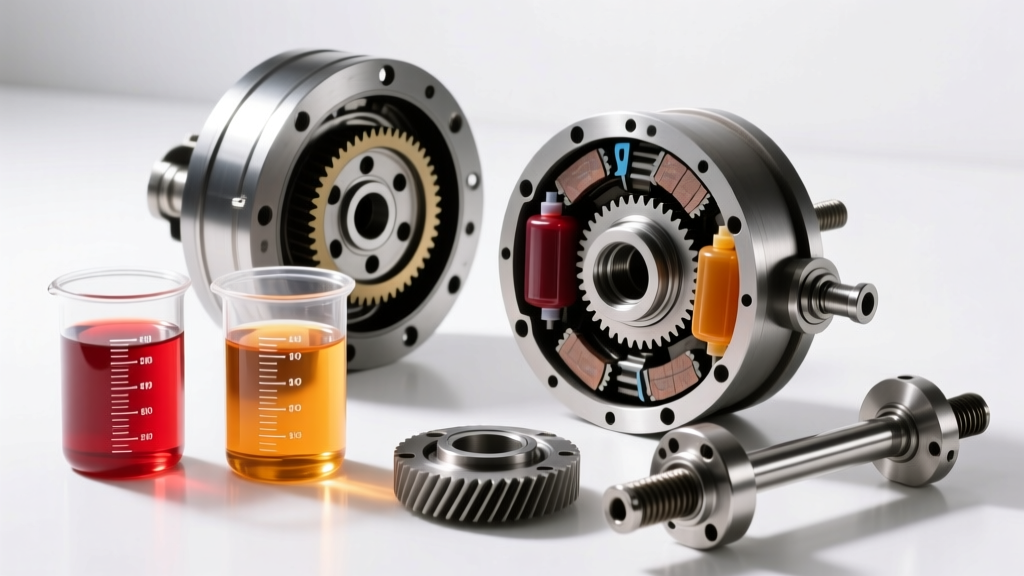
Factory-installed clutch-type LSDs (such as the Ford Trac-Lok, GM Eaton Positraction, and Auburn Gear units) rely on a stack of alternating steel and friction-coated clutch plates to distribute torque. To prevent these plates from chattering, binding, or wearing prematurely, the gear oil must be supplemented with a friction modifier.
- Base Fluid Cost: Premium synthetic 75W-90 GL-5 averages $14 to $18 per quart in 2026.
- Modifier Cost: OEM friction modifiers (e.g., Ford XL-3 or GM EOS part #88900333) cost between $9 and $14 per 4-ounce bottle.
- Total Fluid Package: Most LSDs require 2 to 3 quarts of gear oil plus 1 to 2 bottles of modifier, pushing the DIY fluid cost to $55–$85 per service.
Note: Gear-type LSDs, such as the Torsen (Torque-Sensing) differential, operate on helical gear sets rather than clutch packs and generally do not require friction modifiers, bridging the cost gap between standard open diffs and clutch-type LSDs.
Locking Differentials (Mechanical and Electromechanical)
When comparing a limited slip differential vs locking rear differential, locking units like the Detroit Locker (mechanical) or the Eaton E-Locker (electromechanical) offer a distinct maintenance advantage. Because these systems rely on dog clutches, locking pins, or electromagnetic actuation rather than friction plates to achieve 100% lockup, they do not require friction modifiers.
According to Eaton's Automotive Differential Catalog, standard API GL-5 synthetic gear oil is perfectly suited for their E-Locker and Detroit Locker platforms. By eliminating the need for expensive, specialized friction modifiers, locking differentials inherently reduce the per-service fluid cost by 15% to 25% over the lifespan of the vehicle.
2026 Differential Service Pricing Breakdown
Whether you are turning wrenches in your garage or handing the keys to a service advisor, the pricing structure for differential fluid exchanges varies wildly based on the carrier type and service method. Below is a comprehensive cost matrix based on current 2026 national averages for light-duty trucks and SUVs (e.g., Ford F-150, Chevy Silverado, Jeep Wrangler).
| Service Type | Clutch-Type LSD (w/ Modifier) | Locking Differential (No Modifier) | Open Differential |
|---|---|---|---|
| DIY (Synthetic + Gasket) | $65 - $90 | $45 - $65 | $40 - $60 |
| Independent Shop | $180 - $260 | $150 - $220 | $140 - $200 |
| Dealership Service Center | $280 - $380 | $240 - $320 | $220 - $290 |
*Pricing assumes a standard 2.0 to 2.5-quart capacity rear axle, including a new cover gasket or RTV sealant and shop supplies.
DIY Preventive Maintenance: Torque Specs, Gaskets, and Capacities
If you opt for the DIY route to mitigate rising labor costs, precision is paramount. Over-torquing differential cover bolts can warp the mounting flange, leading to chronic leaks, while under-torquing results in immediate fluid loss and catastrophic gear failure. The technical team at Yukon Gear & Axle Technical Resources consistently emphasizes the importance of proper fastener sequencing and torque specifications during carrier reassembly.
Common Axle Specifications & Service Data
- Ford 8.8-Inch (10-Bolt):
- Capacity: 1.8 to 2.0 quarts.
- Cover Bolt Torque: 20–25 lb-ft.
- Gasket Recommendation: Fel-Pro RDS55028 (cork/rubber composite) or Lube-Lok reusable silicone gasket. Avoid cheap RTV if possible to prevent internal gear contamination.
- GM 8.6-Inch (10-Bolt):
- Capacity: ~2.1 quarts.
- Cover Bolt Torque: 22 lb-ft.
- Sealing Method: GM factory axles often use RTV rather than a pre-cut gasket. Use Permatex Ultra Black (Part #81180) and allow a minimum 2-hour cure time before filling with fluid.
- Dana 44 (Jeep/Off-Road Applications):
- Capacity: ~2.0 quarts.
- Cover Bolt Torque: 30–35 lb-ft.
- Note: Many aftermarket Dana 44 covers (like those from ARB or DiffCover) feature integrated magnetic drain and fill plugs, drastically simplifying the service process and eliminating the need to scrape off old RTV.
Preventive Maintenance Schedules and Fluid Degradation
The debate of a limited slip differential vs locking rear differential also extends to how these units handle thermal breakdown and fluid shear. Clutch-type LSDs are highly sensitive to fluid degradation. As the friction modifier depletes over time, owners will experience low-speed 'chatter' or 'judder' when turning. While adding more modifier can temporarily mask the symptom, the underlying issue is often clutch pack glazing or gear oil shear.
Service Intervals: Normal vs. Severe Duty
Manufacturer manuals often list differential fluid as a 'lifetime' fill under normal driving conditions. However, drivetrain experts and synthetic lubricant manufacturers like Amsoil strongly advocate for interval-based changes to preserve ring and pinion longevity.
- Normal Service (Highway/Commuting): Replace every 50,000 to 60,000 miles.
- Severe Service (Towing, Off-Road, Track Use): Replace every 15,000 to 30,000 miles. High loads generate immense heat in the hypoid gear mesh, rapidly oxidizing conventional and lower-tier synthetic oils.
- Water Intrusion Event: If the axle is submerged past the hub seals or axle breather tube, immediate replacement is mandatory. Water emulsifies gear oil, turning it into a milky, ineffective sludge that will destroy wheel bearings and gear teeth within miles.
Expert Diagnostic Tip: Always inspect the differential breather valve located on the axle tube before performing a fluid drain. If the breather is clogged with mud or debris, the axle will create a vacuum as it cools down after driving, actively sucking water and contaminants past the axle shaft seals into your fresh gear oil. Replacing a $5 breather cap is the cheapest preventive maintenance you can perform on a 4x4 drivetrain.
Final Verdict: Which is Cheaper to Maintain?
When analyzing the total cost of ownership, the locking rear differential holds a distinct financial advantage in the maintenance department. By eliminating the need for specialized friction modifiers and being generally more tolerant of standard GL-5 gear oils, mechanical and electromechanical lockers save owners an average of $20 to $40 per fluid service. Over a 150,000-mile vehicle lifespan, this represents a tangible savings, not to mention the elimination of clutch-pack wear and rebuild costs associated with aging limited-slip units. However, if your application demands the seamless, on-road torque biasing of a clutch-type LSD or a Torsen unit, budgeting for premium synthetic fluids and OEM modifiers is a non-negotiable requirement for drivetrain survival.