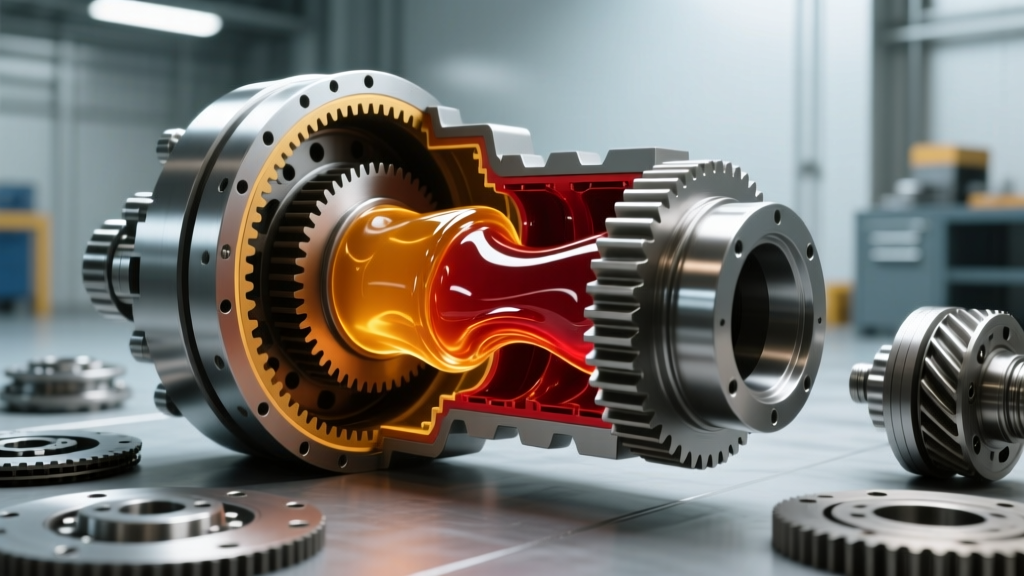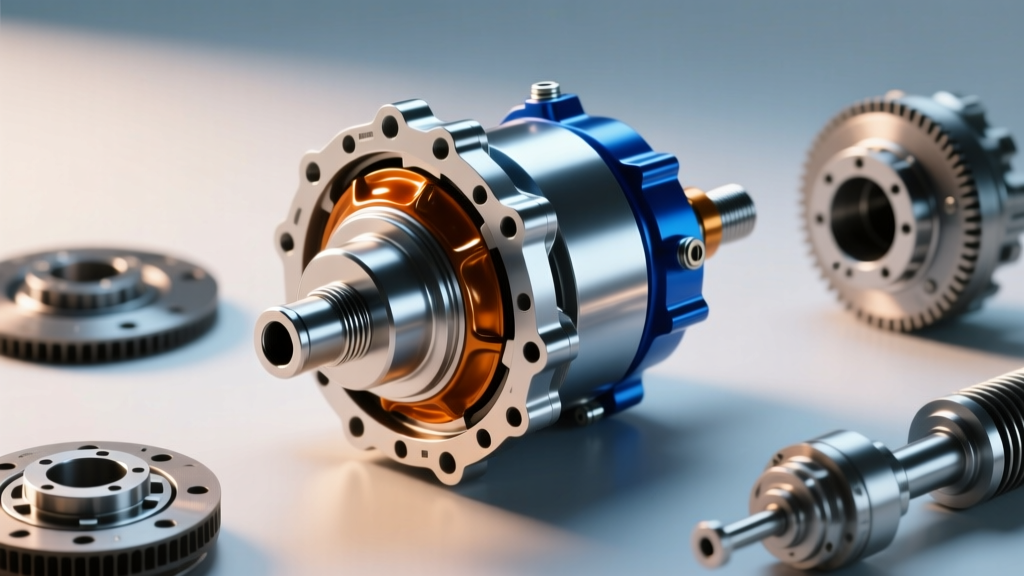
While a microbiology student might spend hours researching why is the gram stain considered a differential stain to understand how it separates bacterial species based on cell wall composition, automotive engineers use the word 'differential' to describe a mechanism that separates and distributes torque to the drive wheels. In the automotive realm, the differential is the unsung hero of the drivetrain, allowing outside wheels to rotate faster than inside wheels during cornering. But when traction is compromised—whether on a rain-slicked highway in a 2026 daily driver or a muddy trail in a built off-roader—the type of differential you have dictates whether you keep moving or end up stuck in a one-wheel-peel scenario.
For truck and SUV owners evaluating drivetrain upgrades, the debate almost always narrows down to an open differential versus a limited slip differential (LSD). This comprehensive 2026 buyer's guide breaks down the mechanical differences, real-world costs, specific part numbers, and the critical differential fluid requirements that keep these systems from destroying themselves under load.
The Open Differential: The Path of Least Resistance
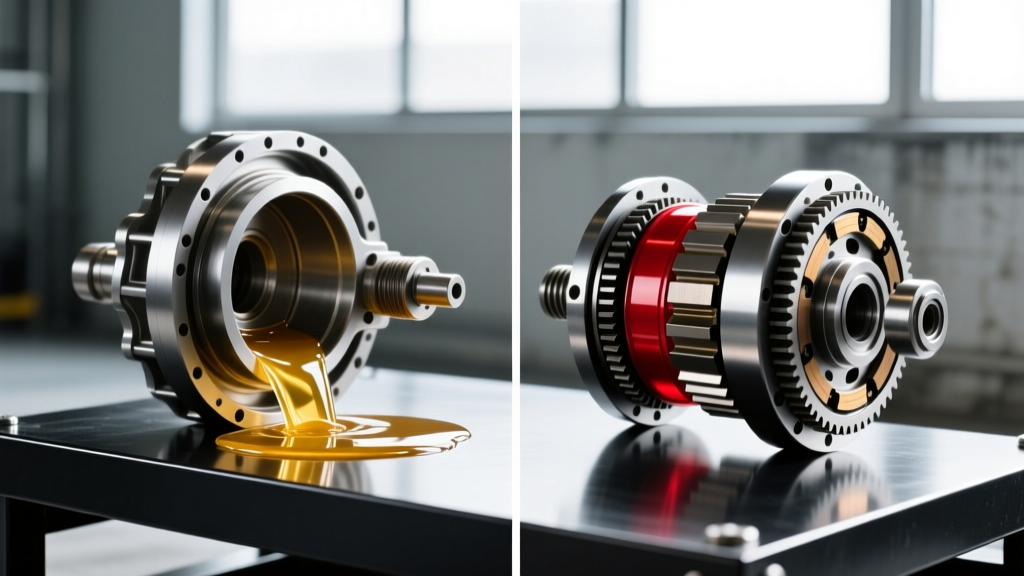
The open differential is the baseline standard for most economy cars, base-model trucks, and highway-focused SUVs. Inside the carrier, a set of spider gears and side gears allows the left and right axles to spin at different speeds. This is essential for preventing tire scrub and driveline binding during turns.
However, the open differential operates on a fundamental law of physics: torque follows the path of least resistance. If your left rear tire is on dry asphalt and your right rear tire is on wet ice, the open differential will send 100% of the available torque to the slipping wheel. The result? A spinning tire, zero forward momentum, and a stranded vehicle. For 2026 models like the base Ford F-150 or standard Chevy Silverado, the open differential keeps manufacturing costs low and reduces parasitic drivetrain loss, but it is entirely inadequate for towing in adverse weather or off-road exploration.
The Limited Slip Differential (LSD): Biasing Torque
A limited slip differential solves the one-wheel-peel problem by introducing a mechanism that resists the speed difference between the two wheels, effectively transferring torque to the wheel that still has grip. In the modern aftermarket and OEM landscape, LSDs generally fall into two distinct categories: Clutch-Pack and Helical (Gear-Based).
Clutch-Pack LSDs (e.g., Eaton Posi, Auburn)
Clutch-type LSDs use a series of friction discs and steel plates pressed together by spring tension or hydraulic pressure. When one wheel begins to slip, the internal thrust blocks force the clutch packs to engage, locking the axles together to a predetermined torque bias ratio (usually between 2.5:1 and 4:1). These units are highly effective and provide smooth, predictable traction. However, the clutch packs wear out over time, especially if subjected to heavy towing or frequent off-road use, requiring eventual rebuilds.
Helical / Torsen-Style LSDs (e.g., Detroit Truetrac)
Helical LSDs use complex worm and spur gear sets rather than friction clutches. When slip occurs, the gear geometry creates axial thrust that wedges the gears against the differential housing, multiplying torque to the gripping wheel. Because they rely on gear friction rather than wearable clutch discs, helical LSDs are virtually maintenance-free and are the preferred choice for heavy-duty front-axle applications and modern rock crawlers.
Head-to-Head Comparison Chart
| Feature | Open Differential | Clutch-Pack LSD | Helical (Torsen) LSD |
|---|---|---|---|
| Traction Capability | Poor (1-wheel drive) | Excellent (Pre-loaded bias) | Very Good (Torque-sensing) |
| Maintenance | Minimal | Moderate (Clutch wear) | Minimal (Gear-driven) |
| Fluid Requirement | Standard GL-5 | GL-5 + Friction Modifier | Standard GL-5 |
| Cost (Parts Only) | $150 - $250 | $500 - $750 | $650 - $950 |
| Best Use Case | Highway, Commuting | Street, Towing, Light Trail | Heavy Off-Road, Front Axles |
2026 Buyer's Guide: Real-World Costs and Part Numbers
When planning a differential swap, understanding exact part numbers and pricing is crucial for budgeting. Let's look at two of the most popular axle platforms on the road: the GM 8.5-inch 10-bolt and the legendary Dana 44.
- Eaton Posi (Clutch LSD): For the GM 8.5-inch 10-bolt (common in older Silverados and Camaros), the Eaton Posi (Part # 19588-010) remains the gold standard. Expect to pay between $550 and $650 for the unit. It requires 30-spline axles and offers a smooth, street-friendly engagement.
- Detroit Truetrac (Helical LSD): For Jeep Wranglers and heavy-duty trucks running a Dana 44 rear axle, the Detroit Truetrac (Part # 917A4737 for 35-spline applications) is the undisputed king. Pricing hovers around $750 to $850. According to Dana Spicer's engineering guidelines, matching your spline count and carrier break is critical; a 3.73:1 and lower ratio requires a different carrier case than a 3.92:1 and higher ratio.
- Installation Labor: If you are not pressing bearings and setting gear backlash yourself, expect a reputable driveline shop to charge between $450 and $700 for labor, which includes pressing new carrier bearings, setting pinion depth, and verifying the gear contact pattern.
The Critical Role of Differential Fluid and Friction Modifiers
Because this guide falls under our differential fluid category, we must address the chemistry that keeps these systems alive. The fluid requirements for an open diff versus a clutch-type LSD are vastly different, and using the wrong fluid will result in catastrophic failure or unbearable driveline chatter.
Viscosity and Extreme Pressure (EP) Additives
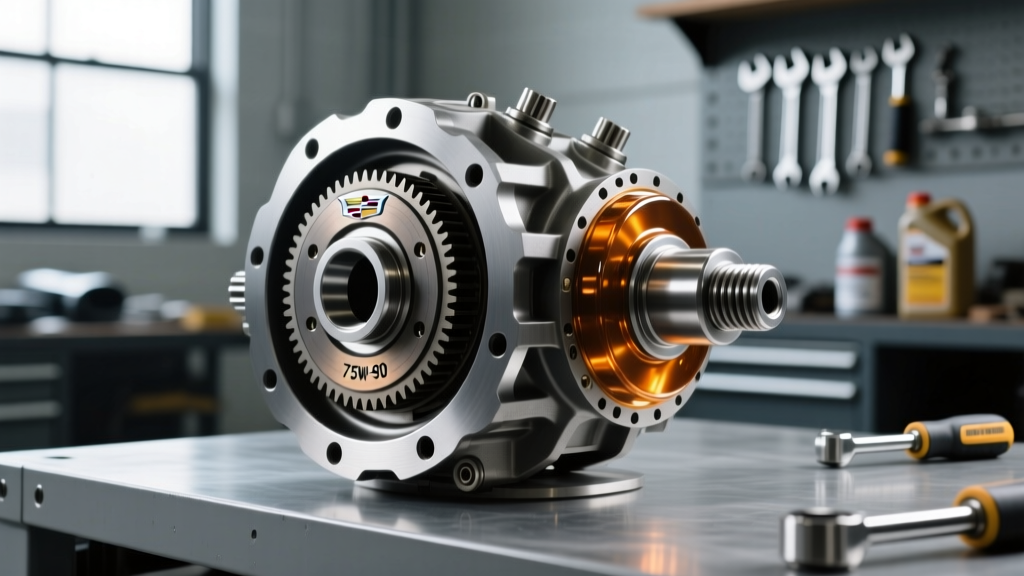
Most modern truck and SUV axles (like the Ford Super Duty 10.5-inch or the Ram AAM 11.5-inch) require a 75W-90 or 75W-140 Synthetic GL-5 gear oil. GL-5 fluids contain high levels of sulfur-phosphorus Extreme Pressure (EP) additives. These additives sacrifice themselves under the immense shearing forces of the hypoid ring and pinion gears, preventing metal-on-metal welding. As noted by lubrication experts at Red Line Synthetic Oil, the shear stability of synthetic esters is vital for 2026 heavy-duty towing packages, where differential sump temperatures can easily exceed 250°F (121°C) on long mountain grades.
The Friction Modifier Imperative
If you install a clutch-type LSD (like the Eaton Posi or Auburn), standard GL-5 gear oil is not enough. The clutch packs require a specialized Limited Slip Friction Modifier (such as Motorcraft XL-3 or Red Line 40102). This additive alters the coefficient of friction on the clutch discs, allowing them to slip smoothly during low-speed cornering. If you omit this modifier, the clutches will grab and release abruptly, causing a violent 'chatter' or shudder that can physically shatter the differential carrier or snap an axle shaft. A standard 2.5-quart differential fill usually requires 2 to 4 ounces of friction modifier, followed by a series of figure-eight test drives to ensure proper clutch saturation.
Conversely, helical LSDs like the Truetrac do not require friction modifiers. In fact, adding them can reduce the gear-wedging friction the unit relies on to bias torque, effectively reducing the LSD's performance. Always consult the manufacturer's spec sheet before pouring additives into your housing.
Essential Torque Specs for the Rebuild
Whether you are swapping from an open diff to an LSD or simply performing a 50,000-mile fluid service, adhering to precise torque specifications is non-negotiable. Here are the baseline specs for common performance axles:
- Ring Gear to Case Bolts: 70 to 85 lb-ft. Always clean the threads with brake cleaner and apply a high-strength threadlocker (like Loctite 263 Red). Never reuse stretched OEM ring gear bolts.
- Bearing Cap Bolts: 80 to 95 lb-ft. These caps locate the carrier. If they are over-torqued, the housing can distort, binding the bearings and causing rapid overheating.
- Drain and Fill Plugs: 25 to 35 lb-ft. Use a new crush washer or Teflon tape on NPT threads to prevent seepage.
Expert Tip: When performing a differential fluid change on a clutch-type LSD, drain the old fluid while the axle is warm. The suspended metallic clutch-wear particles will flow out much easier. Inspect the drain plug magnet; a fine, glitter-like paste is normal clutch wear, but metallic chunks or needle-bearing shards indicate a failing spider gear or pinion bearing.
Final Verdict: Which Should You Choose?
If your 2026 SUV or truck is strictly a highway cruiser, grocery getter, or light-duty commuter, the open differential remains the most cost-effective, low-maintenance choice. However, if you tow heavy trailers in the rain, launch boats on slick ramps, or venture onto fire roads, upgrading to a limited slip differential is the single best traction modification you can make. For street and towing applications, a clutch-type LSD offers smooth, predictable manners. For severe off-road abuse and front-axle applications, the maintenance-free nature of a helical LSD justifies its premium price tag. Match your hardware to your fluid, respect the torque specs, and your drivetrain will deliver miles of uninterrupted traction.
For more deep dives into hypoid gear geometry and synthetic lubricant chemistry, consult resources like Car and Driver's Drivetrain Guides to keep your build ahead of the curve.