The NVH Diagnostic Matrix: Seal Starvation vs. Bearing Spalling
Differential noise is one of the most frequently misdiagnosed complaints in the modern repair shop. With 2026 dealership and independent shop labor rates averaging $165 to $225 per hour, misdiagnosing a simple pinion seal leak as a catastrophic ring-and-pinion failure will destroy customer trust and waste valuable bay time. As drivetrain specialists, we rely on structured logic to separate acoustic symptoms. Before tearing into an axle housing, a master technician must conduct a rigorous road test and customer interview to map the NVH (Noise, Vibration, and Harshness) profile.
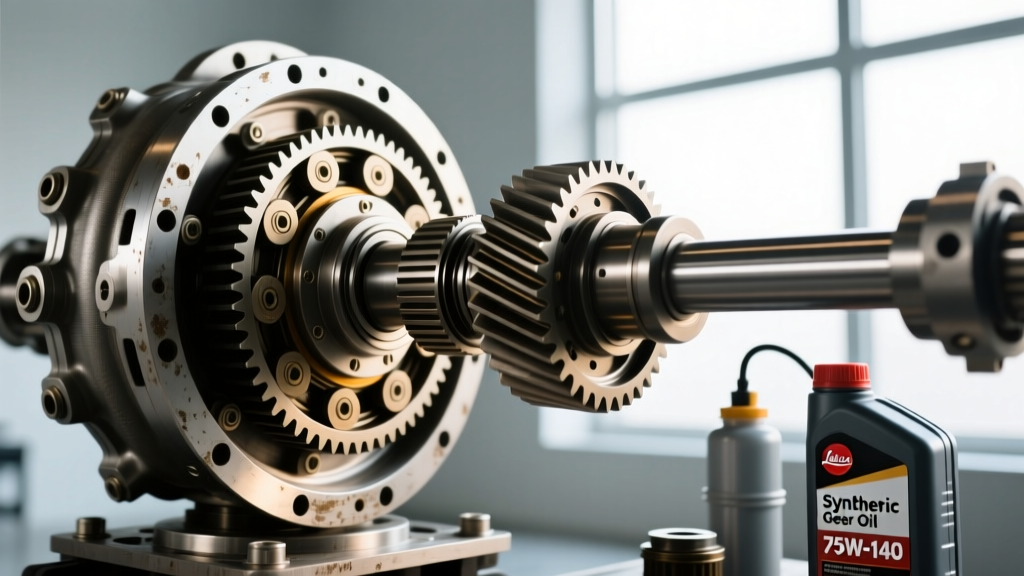
The relationship between axle seals and differential bearings is deeply symbiotic. When a pinion seal fails, gear oil levels drop incrementally. Because the pinion bearing sits at the lowest point of the yoke assembly but relies on fluid splash and wicking from the ring gear, it is often the first component to starve. This leads to heat buildup, cage degradation, and eventual roller spalling. However, replacing a $15 seal without verifying the structural integrity of the $40 pinion bearing is a rookie mistake that guarantees a comeback.
Examples of Semantic Differential Questions for Drivetrain Triage
In diagnostic psychology and UX research, a semantic differential scale measures connotative meaning by asking subjects to rate a concept between two bipolar adjectives (e.g., 'Quiet' vs. 'Noisy'). In the drivetrain bay, we adapt this framework to create a binary diagnostic decision tree. By forcing the customer—or the road-test technician—to choose between two distinct acoustic extremes, we eliminate vague descriptions like 'it sounds bad.' Below are practical examples of semantic differential questions that master technicians use to isolate differential bearing failure from seal-related fluid starvation:
- Whine vs. Growl: Does the noise resemble a high-pitched turbine whine (indicative of gear tooth wear or fluid starvation due to a low seal leak), or a low-frequency, rumbling growl that vibrates the floorboards (classic spalled pinion or carrier bearing rollers)?
- Coast vs. Drive: Is the noise most prominent under load (acceleration/Drive side of the gear tooth), or does it peak when you lift off the throttle and let engine braking take over (Coast side)? Pinion bearing noise often shifts pitch between these two states, whereas a leaking seal causing gear whine will typically howl continuously under both load profiles once fluid is critically low.
- Pitch-Shifting vs. Constant: Does the frequency of the noise rise and fall in direct correlation with vehicle speed (axle shaft or ring gear speed), or does it change when you perform a subtle left-to-right swerve (loading and unloading the carrier bearings to isolate a specific side)?
- Intermittent vs. Continuous: Does the noise only occur at specific resonance speeds (e.g., 45-55 mph), or is it a continuous mechanical grinding that persists from 10 mph to highway speeds? Continuous grinding almost always points to a shattered bearing cage, often the result of running a leaking axle dry.
By documenting the answers to these examples of semantic differential questions, you can confidently pull the axle covers knowing exactly which components to inspect, rather than guessing.
Teardown Protocol: Inspecting the Pinion and Carrier
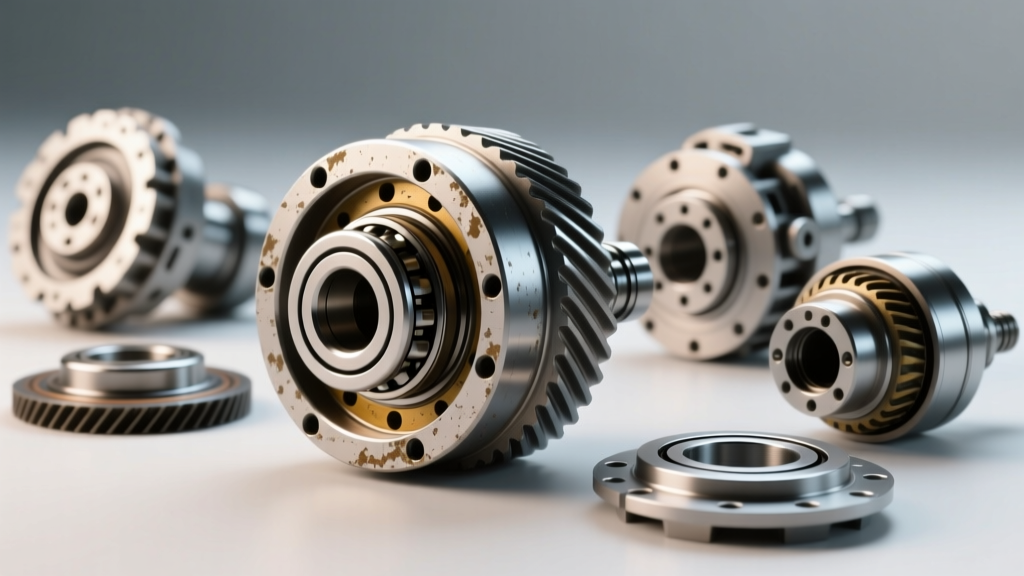
Once the axle is on the lift and the gear oil is drained, the condition of the fluid is your first physical evidence. If the fluid is low and contains a fine, metallic 'glitter' or paste, the bearings are wearing but may be salvageable if caught early. If you find metallic chunks or needle-shaped shards, the bearing cage has disintegrated. A pinion seal leak that has gone unnoticed for 10,000 miles will almost certainly result in the latter.
When removing the pinion yoke to access the seal, never use a hammer. Hammering on the yoke or the pinion nut transmits shock loads directly through the pinion bearings, brinelling the races and ruining the bearing before you even begin your repair. Use a dedicated steering wheel or yoke puller. Once the yoke is removed, extract the pinion seal using a specialized seal puller that hooks behind the metal casing, ensuring you do not gouge the soft aluminum or cast iron of the differential housing bore.
Expert Pro-Tip: Before removing the pinion nut, use a beam-type torque wrench to measure the existing rotational preload (drag) of the pinion gear. Record this value in inch-pounds. If you are reusing the original crush sleeve, you must tighten the new pinion nut to achieve this exact baseline drag plus 3 to 5 in-lbs to account for the new seal friction.
Precision Replacement: Bearings, Seals, and Preload
If your semantic differential diagnostic questions pointed to a failed pinion bearing, a simple seal swap will not suffice. A full pinion bearing replacement requires pulling the pinion gear from the housing, pressing off the inner bearing, and replacing the crush sleeve and seal. This is where precision tooling separates a lasting repair from a whining disaster.
Setting pinion depth is critical. The pinion depth shim sits between the pinion head and the inner bearing race. Changing bearing manufacturers (e.g., switching from OEM to an aftermarket kit) often requires re-measuring pinion depth using a setup tool and dial indicator, as the stack height of the new bearing cone can vary by up to 0.005 inches from the original. Always source premium bearings. According to Timken Automotive, using mismatched or low-tolerance offshore bearings will result in premature heat cycling and gear tooth spalling within 5,000 miles.
When installing the new pinion seal, apply a thin layer of RTV silicone to the outer metal rim of the seal to prevent housing leaks, and pack the seal lip with high-temperature wheel bearing grease to prevent a dry-start burn on the polished yoke surface. If the yoke sealing surface has a deep groove worn into it by the old seal lip, use a speedi-sleeve or replace the yoke entirely; otherwise, the new SKF automotive seal will leak within a month.
Reference Data: Popular Axle Bearing & Seal Specifications
| Axle Type | Pinion Bearing (Cone/Cup) | Carrier Bearing | Pinion Seal Part # | Pinion Nut Torque (Crush) | Target Preload (Used/New) |
|---|---|---|---|---|---|
| Ford 8.8-inch | M88048 / M88010 | LM102949 / LM102911 | SKF 11800 / National 8660S | 175 - 250 ft-lbs | 8-14 / 16-29 in-lbs |
| GM 8.5' 10-Bolt | M88048 / M88010 | LM501349 / LM501311 | SKF 15044 / National 8660S | 150 - 225 ft-lbs | 10-15 / 20-30 in-lbs |
| Dana 44 (JK/TJ) | LM501349 / LM501311 | 30207 / 30207 | SKF 13385 / National 710924 | 160 - 240 ft-lbs | 10-18 / 20-35 in-lbs |
The Crush Sleeve vs. Solid Pinion Spacer Debate
The factory crush sleeve is a one-time-use, thin-walled steel cylinder designed to deform and provide bearing preload as the pinion nut is torqued. The primary issue with crush sleeves is the margin for error. If a technician over-torques the pinion nut by even a fraction of a turn, the sleeve over-crushes. The only remedy is to tear the assembly back apart, discard the over-crushed sleeve, install a new one, and start over. Furthermore, under extreme shock loads (common in off-road or high-horsepower applications), crush sleeves can collapse further over time, leading to a loss of preload, pinion gear walk, and catastrophic ring gear failure.
For any 2026 drivetrain rebuild, we strongly recommend upgrading to a solid pinion spacer kit (available from manufacturers like Ratech or Randy's Ring & Pinion). A solid spacer uses a rigid steel cylinder combined with a precise stack of shims to set the exact bearing preload. While it requires a bit more trial-and-error during the initial setup to find the correct shim thickness, it is infinitely reusable, immune to shock-load collapse, and provides vastly superior pinion stability. It is the single best insurance policy you can buy when performing a differential bearing overhaul.
2026 Shop Costs vs. DIY Tooling Investment
Understanding the financial landscape of differential repairs helps both shop owners and advanced DIYers make informed decisions. In 2026, a standard pinion seal replacement (assuming no bearing damage and a reusable yoke) costs between $250 and $450 at an independent shop, largely reflecting the 1.5 to 2.0 hours of labor and the cost of premium 75W-90 synthetic gear oil.
However, if the semantic differential diagnostic matrix confirms bearing failure, a full pinion and carrier bearing overhaul will range from $900 to $1,600. This includes the bearing master kit ($120-$180), seals, crush sleeves, and 4 to 6 hours of meticulous setup labor. For the DIY mechanic, investing in a high-quality dial indicator with a magnetic base ($80), a beam-style inch-pound torque wrench ($150), and a heavy-duty yoke holding tool ($65) is mandatory. Attempting to set pinion preload with a standard click-type torque wrench is physically impossible due to the low inch-pound values required, and guessing will result in either a seized bearing or a destroyed gearset. Proper diagnostics, precise tooling, and adherence to OEM torque specifications remain the undisputed keys to drivetrain longevity.