Mastering Differential Bearing and Seal Replacement in Modern Axles
When planning a heavy-duty axle overhaul or restoring a classic 4x4, the debate of a limited slip differential vs locking differential often dominates the conversation regarding traction and off-road capability. However, seasoned drivetrain specialists know that the true longevity of any axle assembly relies entirely on the precision of its internal support systems: the carrier bearings, pinion bearings, and axle shaft seals. As of 2026, with aftermarket ring and pinion sets handling upwards of 1,000 lb-ft of torque in competitive rock crawlers and overlanding rigs, bearing and seal replacement is no longer a simple 'pull and press' job. It requires meticulous attention to preload, pinion depth, and seal surface integrity.
This expert guide breaks down the precise methodology for differential bearing and seal replacement, highlighting the nuanced differences in teardown, assembly, and fluid protocols depending on whether you are servicing a clutch-based limited-slip unit or a positive-locking differential.
Diagnosing Bearing and Seal Failures: LSD vs. Locker Nuances
Before tearing down the third member or dropping the axle, accurate diagnosis is critical. Bearing noise is frequently misdiagnosed as internal gear wear or differential clutch failure.
- Pinion Bearing Wear: Typically manifests as a continuous whine or howl that changes pitch with vehicle speed, regardless of throttle load. If the pinion seal has failed, gear oil will slung onto the underside of the chassis, often leading to low fluid levels that accelerate bearing galling.
- Carrier Bearing Wear: Produces a lower-frequency rumble or growl that peaks during deceleration or coasting. In a limited slip differential (LSD), worn carrier bearings can allow the clutch pack to slip improperly, mimicking a worn LSD. Conversely, in a selectable locker (like an ARB Air Locker or Eaton ELocker), excessive carrier bearing play can cause the locking collar to bind or fail to engage entirely.
- Axle Seal Blowouts: Often caused by clogged axle breather tubes creating internal pressure, or a scored axle shaft seal surface. Locking differentials that bind on high-traction surfaces can transfer extreme torsional stress to the axle shafts, occasionally resulting in micro-fractures near the seal seating area.
Teardown Specifications and Preload Targets
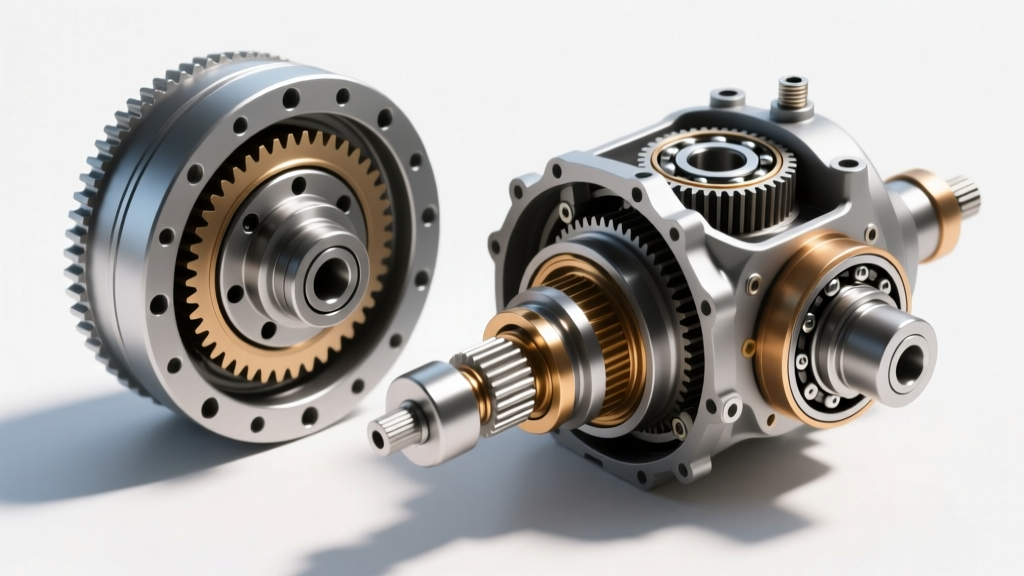
Removing the carrier and pinion requires specialized pullers. Never use a hammer and brass drift on the carrier bearing outer races, as this will score the housing bore and ruin the interference fit. When comparing a limited slip differential vs locking differential during teardown, note that locking units (such as Detroit Lockers or spools) often require heavier carrier bearing preload to manage the sudden shock loads of engagement.
| Axle Model | Pinion Nut Torque (Crush Sleeve) | Carrier Bearing Preload | Pinion Bearing Part # (Inner/Outer) |
|---|---|---|---|
| Dana 44 | 200-220 ft-lbs | 0.008 - 0.012 in | Timken 387A / 382A |
| Ford 8.8 | 210-230 ft-lbs | 0.006 - 0.010 in | Timken M88048 / M86649 |
| GM 8.6 (10-Bolt) | 180-200 ft-lbs | 0.005 - 0.008 in | Timken LM603049 / LM104948 |
Step-by-Step Bearing and Seal Replacement Best Practices
1. Pinion Bearing and Seal Installation
The most common mistake during differential service is the reuse of a crush sleeve. Once a crush sleeve has been deformed to achieve pinion bearing preload, it loses its structural memory. Re-torquing a used crush sleeve will result in catastrophic pinion bearing failure within 500 miles. For high-horsepower builds, we strongly recommend upgrading to a solid pinion spacer kit (such as the Yukon Gear YA SS-02 for Dana 44s, retailing around $85 in 2026). Solid spacers use shims to set preload, eliminating the risk of preload loss under heavy shock loads.
When installing the new pinion seal (e.g., SKF 18664 for standard Dana 30/44 applications), always lubricate the outer metal casing with a light film of RTV silicone or bearing grease to prevent weeping. Use a dedicated seal driver tool, like the Lisle 11700, to ensure the seal seats perfectly square in the bore. A cocked seal will tear the inner lip immediately upon the first rotation of the yoke.
2. Carrier Bearing Preload and Shim Selection
Carrier bearings must be pressed onto the differential case using a hydraulic press and a bearing installer sleeve that contacts only the inner race. Pressing on the outer race or cage will destroy the bearing before it even sees gear oil. According to Yukon Gear & Axle installation manuals, achieving the correct carrier preload requires measuring the side bearing shims with a micrometer. For a Ford 8.8, aim for 0.008 to 0.010 inches of rotational drag. If you are installing a heavy-duty locking differential, leaning toward the higher end of the preload spectrum (0.010 - 0.012 in) helps resist case deflection when the locker engages on sticky terrain.
3. Axle Shaft Seal Replacement
Axle seals (such as the National 710991 for Ford 8.8 applications) fail primarily due to dry starts or debris scoring the axle shaft. When replacing the seal, inspect the axle shaft seal surface. If a wear groove is present, use a speedi-sleeve or replace the shaft entirely. Before sliding the axle shaft back into the housing, wrap the splines in electrical tape or use a dedicated spline protector to prevent the sharp spline edges from slicing the new seal lip during insertion.
Pro-Tip: Never pack the axle housing with grease around the seal lip. The seal must be lubricated by the differential gear oil. Packing it with thick grease will cause the seal to run dry and overheat until the 90-weight oil finally migrates out to the axle tubes.
Fluid Protocols: The LSD vs. Locker Fluid Dilemma
The choice of a limited slip differential vs locking differential directly dictates your post-rebuild fluid protocol. This is a critical intersection where bearing life and differential performance meet.
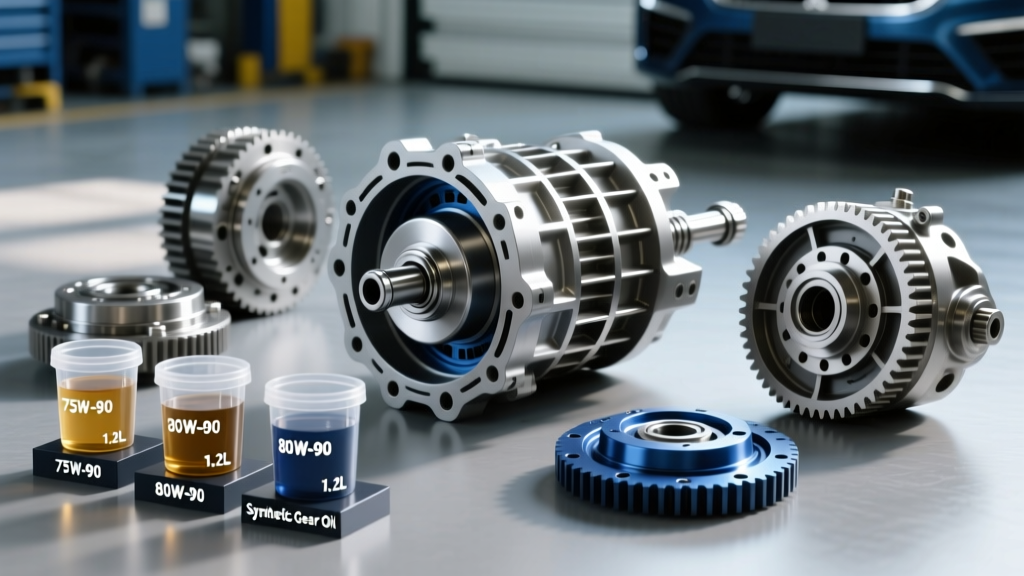
- Limited Slip Differentials: Clutch-based LSDs (like the Eaton Truetrac or GM G80) require specific friction modifiers to prevent chatter and ensure smooth clutch engagement. Using a standard GL-5 75W-90 without the appropriate LSD additive package will cause the clutches to grab aggressively, generating excessive heat that will rapidly degrade your newly installed carrier bearings. We recommend synthetic fluids like Amsoil Severe Gear 75W-90, which contains the necessary friction modifiers pre-blended.
- Locking Differentials: Positive lockers (Detroit Locker, Spartan, or selectable ARB/Eaton units) do not require friction modifiers. In fact, adding LSD additive to a full locking differential can cause the internal locking collars or dog clutches to slip or bind improperly. For these units, a high-quality, straight GL-5 75W-140 synthetic gear oil provides the sheer stability needed to protect the bearings under extreme shock loads without interfering with the locking mechanism.
Cost Analysis and Final Torque Verification
As of early 2026, a complete Timken master bearing and seal kit for a standard Dana 44 typically ranges from $160 to $240, depending on the retailer. Factoring in specialized tools and synthetic gear oil, a DIY bearing and seal replacement will cost roughly $300 to $400 in parts. Conversely, professional drivetrain shops charge between $800 and $1,200 in labor alone for a complete third-member teardown, bearing replacement, and gear pattern verification.
Before finalizing the build, always verify the pinion nut torque one last time after the yoke is seated. For crush sleeve applications, use an inch-pound torque wrench to measure rotational drag. According to Spicer/Dana technical bulletins, the total rotational torque (pinion bearing drag plus carrier/gear drag) should typically fall between 18 and 25 inch-pounds for used bearings, and 28 to 35 inch-pounds for brand-new, dry bearings. Taking the time to measure this exact specification is the hallmark of a professional axle rebuild, ensuring your bearings survive the harshest trails and highways for years to come.