Symptom Diagnosis: Is Your Clutch Plate Actually Worn?
When operating high-horsepower platforms—whether it is a supercharged 5.0L Coyote or a twin-turbo LS3—drivetrain bottlenecks are inevitable. One of the most common failure points in a manual transmission setup is a worn clutch plate. However, in the performance space, misdiagnosis is rampant. Many enthusiasts immediately blame the friction material for a slipping clutch or a dragging disc, only to drop the transmission and find the clutch is perfectly fine. Before you invest in performance clutch disc options, you must accurately diagnose the root cause of the failure.
Hydraulic Fade vs. True Friction Loss
The first step in troubleshooting a suspected worn clutch plate is isolating the hydraulic system from the mechanical friction surfaces. A spongy pedal or incomplete disengagement is often caused by aerated fluid, a failing CNC master cylinder, or a degraded AN4 braided line, not the disc itself.
- Slip Under Load: If the tachometer flares on the 3-4 shift under heavy throttle but the pedal feels firm and returns crisply, you have true friction loss. The disc is glazed, the friction material is depleted, or the pressure plate springs have fatigued.
- Drag at Idle: If the car creeps forward in first gear with the pedal fully depressed, or gears grind on the 1-2 shift, you are experiencing clutch drag. This can be caused by a warped pressure plate, a failing pilot bearing binding the input shaft, or a worn clutch plate that has broken apart and wedged itself against the flywheel.
Visual Inspection: Measuring Friction Material and Flywheel Runout
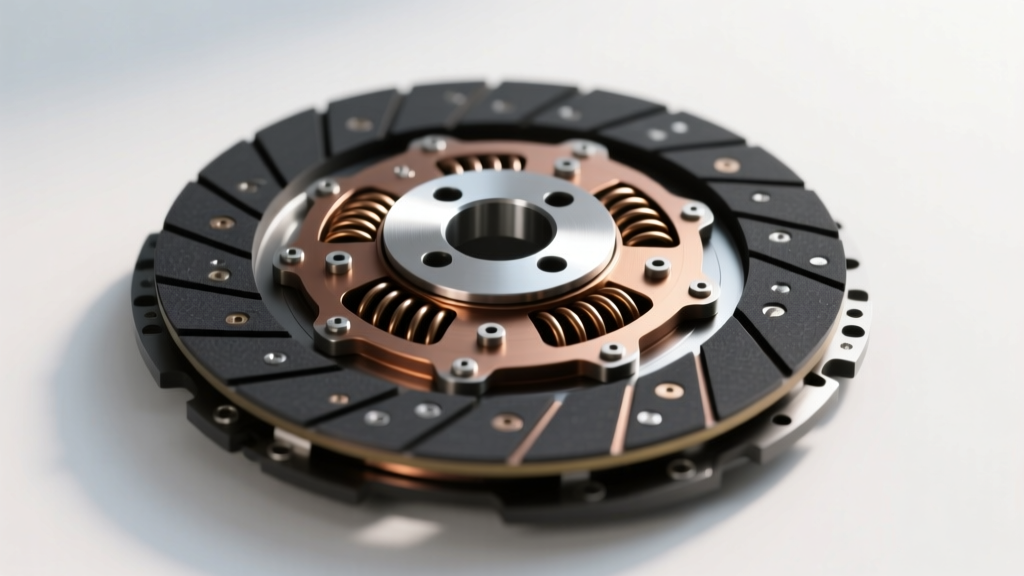
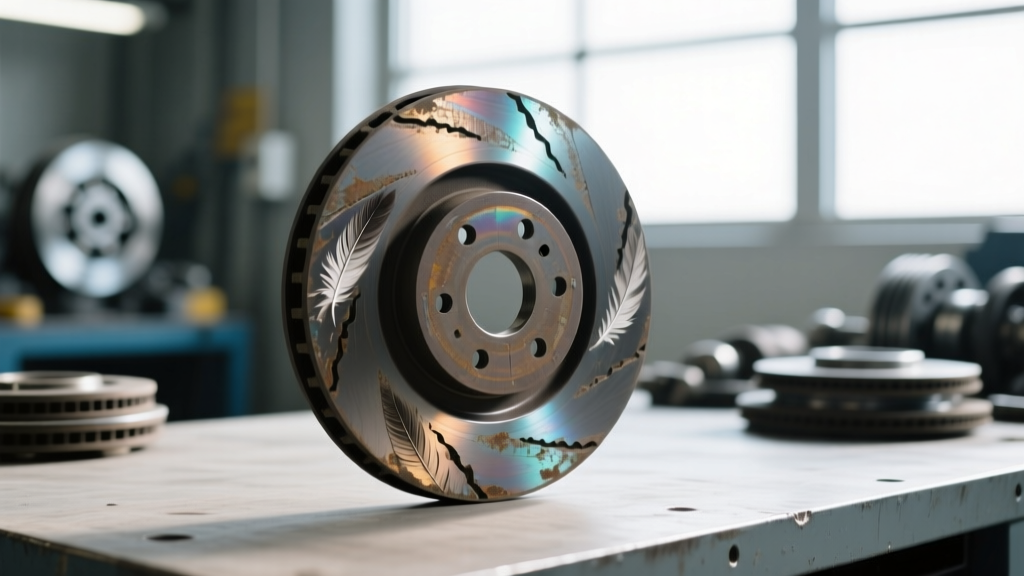
Once the bellhousing is separated from the engine block, a thorough visual and measured inspection is required. According to the engineering guidelines from Centerforce, a visual inspection should look for heat checking on the pressure plate, bluing on the flywheel, and uneven wear on the friction marcel springs.
Critical Measurements
Do not rely on the "eyeball test." Use precision measuring tools to determine if your worn clutch plate caused collateral damage to the mating surfaces:
- Friction Thickness: A brand-new performance organic or Kevlar disc typically measures between 0.310" and 0.330" thick. If your worn clutch plate measures below 0.270", it has exceeded its service limit and is causing the pressure plate diaphragm springs to over-extend, reducing clamping force.
- Flywheel Runout: Mount a magnetic dial indicator to the block and sweep the flywheel friction surface. Maximum allowable runout is 0.005". If a severely worn clutch plate was slipping and generating extreme heat, it likely warped the flywheel. Installing a new $800 ceramic disc on a warped flywheel will result in immediate chatter and premature failure.
- Input Shaft Spline Wear: A common issue when a worn clutch plate is not replaced in time is the degradation of the hub splines. If the disc hub rocks on the transmission input shaft, it will cause release issues and catastrophic spline shear under high torque.
Performance Clutch Disc Options: Material Breakdown
Once you have confirmed the diagnosis of a worn clutch plate and verified the flywheel and hydraulics are within spec, you must select the correct replacement. Choosing the wrong friction material is a primary reason for repeat failures. Below is a breakdown of modern performance clutch disc options for the 2026 track and street season.
| Friction Material | Torque Capacity | Drivability | Best Application |
|---|---|---|---|
| Full Organic | Up to 500 lb-ft | Excellent (Stock feel) | Daily driven track cars, towing |
| Kevlar / Aramid | Up to 650 lb-ft | Good (Requires heat to bite) | Autocross, aggressive street, time attack |
| Ceramic Puck | Up to 850 lb-ft | Poor (High chatter, on/off feel) | Drag racing, dedicated drift missiles |
| Sintered Iron | 1,200+ lb-ft | None (Requires heat to engage) | Pro Drag Racing, standing half-mile |
The Kevlar Misconception
Many builders replace a worn clutch plate with a Kevlar disc assuming it is the ultimate street/strip solution. However, Kevlar requires significant surface heat to achieve its maximum coefficient of friction. In stop-and-go traffic, a Kevlar disc can slip and glaze if the pressure plate clamp load is not perfectly matched. For a street-driven 600whp LS7, a high-quality organic disc with a high-clamp pressure plate is vastly superior to a Kevlar puck setup.
Single vs. Twin-Disc Setups for High-Torque Platforms
When a single-disc setup fails repeatedly due to a worn clutch plate, the logical progression is increasing surface area rather than just using harsher friction materials. Twin-disc setups distribute the torque load across two friction surfaces, allowing for massive torque capacity while retaining a relatively light pedal effort and streetable organic or metallic friction materials.
Real-World Part Selection and Pricing
For GM LS and LT platforms utilizing a T56 Magnum or Tremec TR-6060, the McLeod Racing RXT Twin Disc kit (Part #691102) is an industry benchmark. Priced between $1,300 and $1,600, it utilizes two ceramic/metallic discs capable of holding 1,200 horsepower. The inclusion of a floater plate with strap-drive technology eliminates the metallic rattle common in older twin-disc designs.
For Ford Coyote applications mating to a factory MT-82 or an aftermarket Tremec, the SPEC Stage 3+ (e.g., Part #SS849F for the 5.0L) offers a carbon-semi-metallic full-faced disc. At roughly $750, it provides a 6-puck style bite with the drivability of a full face, bridging the gap between a worn clutch plate and a dedicated race setup.
Expert Troubleshooting Tip: Never install a twin-disc setup without verifying bellhousing concentricity. The added weight and rotational mass of a twin-disc floater plate will amplify input shaft deflection if the bellhousing is offset, leading to premature pilot bearing failure and a rapidly worn clutch plate on the rear disc.
Installation Torque Specs & Break-In Procedures
Replacing a worn clutch plate with a high-end performance unit requires strict adherence to torque specifications and break-in procedures. Failure to do so will result in immediate glazing or warping.
Critical Torque Specifications
- Flywheel to Crankshaft: When using aftermarket ARP hardware, torque to 80-90 lb-ft using ARP moly lube. Do not use standard oil, as it will result in over-torquing and bolt stretch.
- Pressure Plate to Flywheel: Typically 25-35 lb-ft (consult manufacturer). ALWAYS use a star pattern, tightening in 3 progressive steps to ensure the diaphragm springs seat evenly without warping the cover.
- Bellhousing to Block: 35 lb-ft for GM LS applications. Use a dial indicator to check bellhousing runout; it must be within 0.005" to protect the transmission input shaft.
The Break-In Protocol
According to Tremec and major clutch manufacturers, a new performance disc requires a thermal mating process. For organic and Kevlar discs, you must perform 300 to 500 miles of moderate stop-and-go driving. Avoid full-throttle launches and heavy slipping. For ceramic and sintered iron discs, the break-in requires controlled, aggressive slips to generate the heat necessary to mate the friction material to the flywheel's micro-surface. Skipping this step guarantees you will be diagnosing another worn clutch plate within the first 1,000 miles.
Conclusion
Diagnosing a worn clutch plate requires looking past the obvious symptoms and evaluating the entire hydraulic and mechanical ecosystem. By accurately measuring runout, understanding the thermal limits of different friction materials, and selecting the correct single or twin-disc configuration for your specific powerband, you can eliminate drivetrain slip and put your horsepower to the pavement reliably.