The 2026 State of Harley-Davidson Wet Clutch Diagnostics
When a Harley-Davidson clutch begins to slip, chatter, or drag, the immediate instinct is to blame the cable adjustment or the primary fluid. However, as we move through 2026, the proliferation of aftermarket friction materials has made diagnosing harley clutch plates a complex exercise in material science. Whether you are wrenching on a legacy Twin Cam 103 or a high-output Milwaukee-Eight (M8) 117, the friction material—organic, ceramic (carbon-Kevlar), or sintered bronze—dictates the failure mode, the wear pattern, and the diagnostic protocol.
Harley-Davidson wet clutches operate in a shared or semi-shared fluid environment (typically 32 oz of SYN3 20W-50 or Formula+). The friction material must grip under immense torque while surviving continuous oil immersion. Choosing the wrong material for your riding style, or failing to recognize the specific symptoms of material degradation, will lead to repeated teardowns and destroyed clutch baskets. This guide breaks down the exact diagnostic pathways for the three primary friction materials used in Harley primary drives.
Symptom-to-Material Diagnostic Matrix
Before tearing into the primary chaincase, perform a road test and map your symptoms to the matrix below. This will narrow down whether your organic, ceramic, or sintered plates are the root cause.
| Primary Symptom | Likely Material Culprit | Root Cause & Failure Mode | Diagnostic Check |
|---|---|---|---|
| High-RPM Slippage (No Lever Fade) | Organic | Friction surface glazing or oil contamination (friction modifiers) | Inspect plates for glossy sheen; check primary fluid for automotive oil cross-contamination. |
| Low-Speed Takeoff Chatter | Ceramic / Carbon-Kevlar | Aggressive bite combined with warped steel plates or weak spring pressure | Measure steel plate runout on glass; check diaphragm spring shims or coil spring free-length. |
| Lever Drag & False Neutrals | Sintered Bronze / Iron | Material transfer, basket notching, or thermal expansion binding the pack | Inspect aluminum basket tangs for deep grooves; measure clutch pack stack height. |
| Mushy Lever Feel / Fade | Organic / Ceramic | Thermal breakdown of friction binders; air in hydraulic line (2014+ models) | Bleed hydraulic actuator; inspect plates for dark, burnt edges. |
Organic Friction Plates: Glazing and Slippage
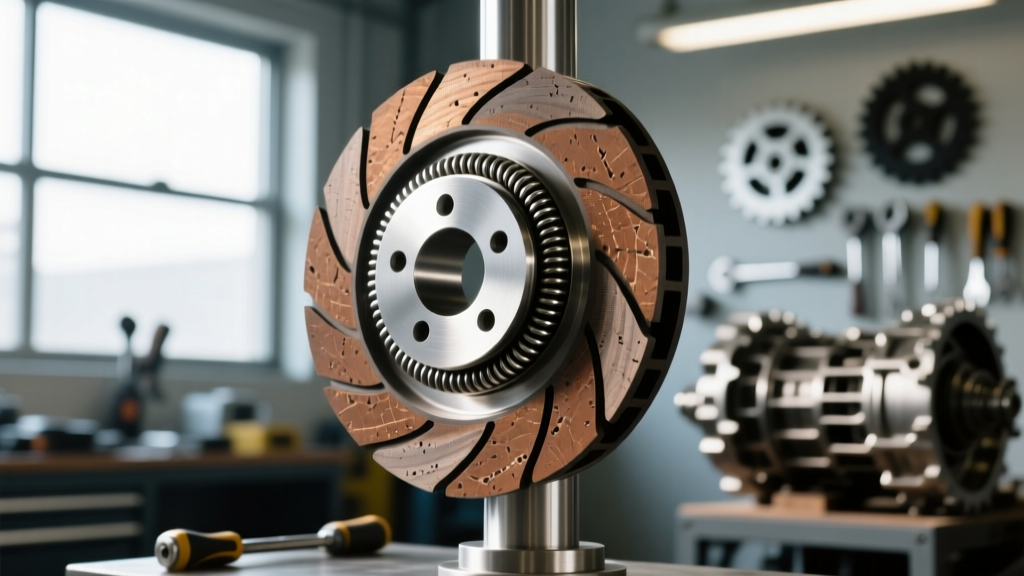
Organic clutch plates are the OEM standard for Harley-Davidson. Constructed from a composite of cellulose, glass, and rubber binders, they offer smooth engagement and excellent modulation for daily touring and cruising. However, they are highly susceptible to thermal glazing and chemical degradation.
Real-World Troubleshooting: The API Oil Trap
The most common cause of organic harley clutch plates slipping prematurely is the use of incorrect primary fluid. Many riders mistakenly top off their primary with automotive engine oils rated API SN or SP. These modern automotive oils contain friction modifiers (like molybdenum) designed to improve fuel economy in cars. In a Harley wet clutch, these modifiers coat the organic friction material, preventing the paper/cellulose fibers from interlocking with the steel plates.
The Fix: If your organic plates are glazed but still within thickness specs, you can sometimes salvage them. Drain the primary, remove the clutch pack, and scuff the friction surfaces lightly with 400-grit wet/dry sandpaper. Soak the plates in fresh, JASO MA2-certified motorcycle oil or genuine Harley-Davidson Formula+ for 12 hours before reassembly. If the friction material is dark brown and brittle, replacement is mandatory (OEM Part #62700043 for M8 models).
Ceramic & Carbon-Kevlar: Chatter and Aggressive Grab
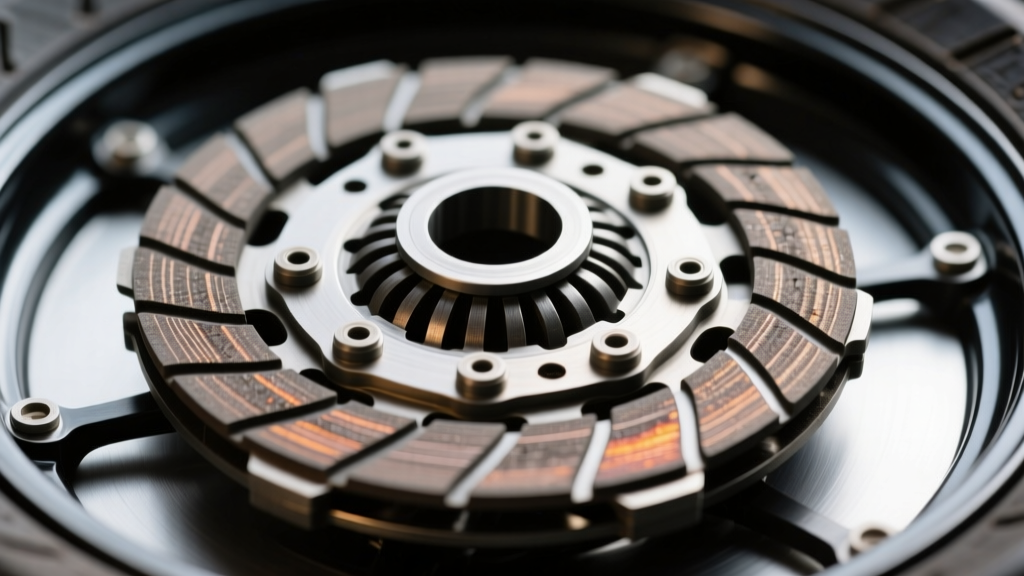
When riders upgrade to high-torque setups (like a 114ci or 117ci Milwaukee-Eight with a performance cam), they often turn to ceramic or carbon-Kevlar composite plates, such as those offered by Barnett. These materials handle vastly more heat and provide a higher coefficient of friction. But they introduce a notorious symptom: low-speed takeoff chatter.
Steel Plate Runout and Diaphragm Spring Shimming
Ceramic and carbon materials do not compress or 'squish' like organic materials. They bite instantly. If your steel separator plates have even minor warpage, the ceramic friction plates will grab and release rapidly as the pack rotates, causing a violent shudder through the chassis.
Diagnostic Protocol: Remove the steel plates and place them on a machined glass surface. Use a feeler gauge to check for runout. The absolute maximum allowable warpage is 0.004 inches. If they exceed this, the ceramic plates will chatter relentlessly.
Furthermore, on Milwaukee-Eight models, the OEM diaphragm spring may not provide enough clamp load for aggressive ceramic plates. According to Barnett Clutches technical documentation, upgrading to a carbon-Kevlar pack often requires installing a thicker shim behind the diaphragm spring to increase the static clamp load by 15-20%, eliminating the chatter without requiring a heavier lever pull.
Sintered Bronze & Iron: The Heavy-Duty Drag Dilemma
Sintered metallic plates (bronze or iron) are rare on the street but common in Harley drag racing and extreme heavy-duty touring rigs pulling massive trailers. Sintered materials are virtually indestructible regarding heat, but they are highly abrasive to the clutch basket.
Basket Notching and Fluid Shear
The primary symptom of failing sintered harley clutch plates is lever drag and difficulty finding neutral when the engine is hot. This is rarely a failure of the friction material itself; rather, it is a mechanical binding issue caused by the sintered metal wearing deep grooves (notches) into the aluminum tangs of the inner clutch hub and outer basket.
When the rider pulls the lever, the sintered plates expand slightly from heat and become physically wedged in the notched aluminum grooves. The pack fails to separate, causing the bike to creep forward in gear.
The Fix: Inspect the aluminum basket tangs. If you can catch a fingernail in the grooves, the basket must be replaced or fitted with a steel-lined aftermarket basket (like those fromAIM). Additionally, sintered metals shed microscopic metallic particles that destroy the shear stability of primary fluid. If running sintered plates, primary fluid changes must be cut in half (every 2,500 miles instead of 5,000) to prevent metallic suspension from shorting out internal sensors or accelerating primary chain wear.
Precision Measurement Protocol (Twin Cam vs. M8)
Diagnosing material wear requires precision measurement. Guessing based on visual inspection will leave you stranded. Refer to the RevZilla clutch maintenance guide for visual references, but adhere strictly to these factory specifications:
1. Friction Plate Thickness
- New Specification: ~0.140 inches
- Wear Limit: 0.115 inches
- Tool: Digital micrometer (measure at the center of the friction surface, avoiding the edges).
2. Steel Plate Thickness
- New Specification: ~0.078 inches
- Wear Limit: 0.071 inches
- Note: Sintered friction plates will often wear the steel plates down faster than organic plates. Always measure steels when swapping to sintered.
3. Clutch Pack Stack Height
The total stack height (all friction and steel plates combined) is critical for proper clutch actuation travel.
- Twin Cam 103/110: Target stack height is typically 1.480" to 1.510". If the stack is too short, the clutch will slip even with new plates because the pressure plate bottoms out before applying full clamp load.
- Milwaukee-Eight: Stack height is managed via the diaphragm spring shim kit. Ensure the friction plates are fully seated and alternated correctly (usually starting and ending with a friction plate, but verify your specific aftermarket kit instructions, as some Barnett kits require a specific steel-plate-first orientation for the M8 hub).
Torque Specifications & Reassembly
When reinstalling your diagnosed and measured harley clutch plates, improper torque will ruin the new pack immediately. The primary drive operates under immense harmonic vibration.
- Clutch Hub Nut (Twin Cam & M8): 70-80 ft-lbs. (Use a primary locking tool, e.g., HD-41214, to hold the hub. Apply fresh Loctite 262 to the threads).
- Compensator Sprocket Bolt: 150-165 ft-lbs with Loctite 262. (Never reuse the old bolt; it is torque-to-yield).
- Primary Cover Fasteners: 84-108 in-lbs (7-9 ft-lbs). Tighten in a crisscross pattern to prevent warping the aluminum cover and causing primary fluid leaks.
Final Thoughts on Material Selection
Troubleshooting harley clutch plates is ultimately about matching the material to the machine's torque output and the rider's left hand. Organic plates remain the king of smooth, daily touring. Ceramic and carbon-Kevlar are mandatory for modified M8 engines producing over 120 lb-ft of torque, provided the steel plates are perfectly flat and the spring pressure is shimmed. Sintered metals should be reserved for the drag strip or extreme heavy-hauling, with the understanding that they will accelerate wear on the aluminum clutch basket. By diagnosing the specific failure mode—glazing, chatter, or notching—you can select the correct replacement material and restore your Harley's primary drive to factory-fresh performance.