The Hidden Economics of Motorized Bicycle Clutch Kits
When enthusiasts build a gas-powered or electric friction-drive motorized bicycle, the drivetrain's weakest link is almost invariably the clutch assembly. Unlike automotive applications where clutch components are engineered for hundreds of thousands of miles, the standard motorized bicycle clutch kit relies on rudimentary friction materials that degrade rapidly under high-RPM slip conditions. Understanding the exact clutch disc thickness, material specifications, and the true cost of ownership is critical for anyone looking to build a reliable motorized bike in 2026.
In this comprehensive cost analysis, we will deconstruct the friction disc specifications of standard 80cc and 100cc motorized bicycle engines, compare their engineering tolerances to automotive transmission clutch packs, and provide a detailed price breakdown for OEM versus aftermarket upgrades.
Deconstructing the Friction Disc: Thickness and Material Specs
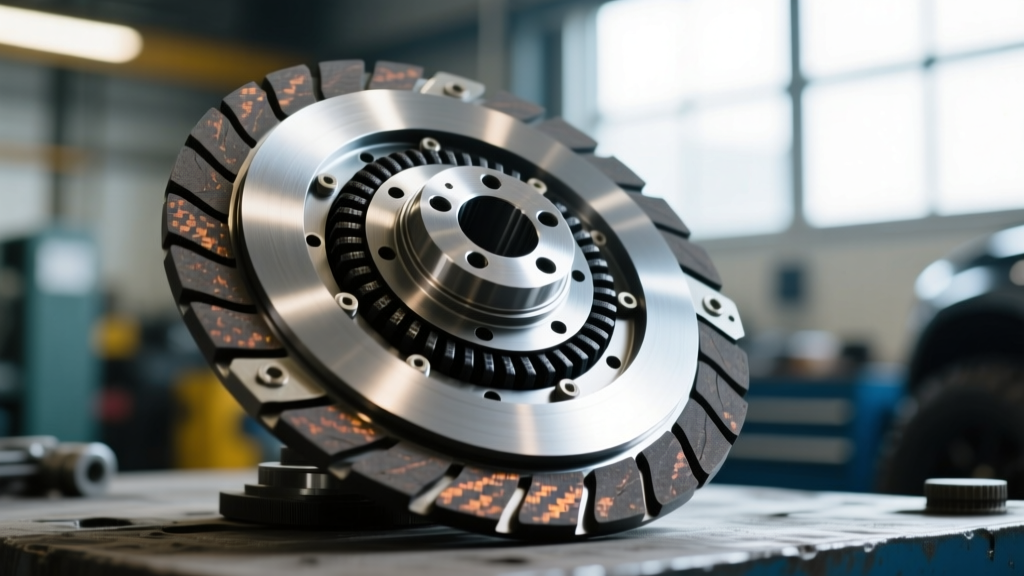
The friction disc in a standard in-frame motorized bicycle engine (such as the ubiquitous PK80 or CZ80 2-stroke clones) operates in a dry, enclosed housing measuring roughly 3.5 inches in diameter. The clutch pack typically consists of a single primary friction disc sandwiched between the clutch drive plate and the pressure plate, actuated by a central bucking bar and a cam-driven "flower nut."
Standard OEM Specifications
- Outer Diameter: 110mm
- Inner Diameter: 78mm
- OEM Thickness: 1.5mm (New)
- Minimum Service Thickness: 1.1mm
- Material: Pressed cork or low-grade cellulose composite
The 1.5mm thickness of the OEM disc is a compromise between manufacturing costs and the limited axial travel of the motorized bike's clutch actuator arm. When the disc wears down to 1.1mm, the cam mechanism can no longer generate sufficient clamping force, resulting in catastrophic clutch slip under load.
Aftermarket Performance Specifications
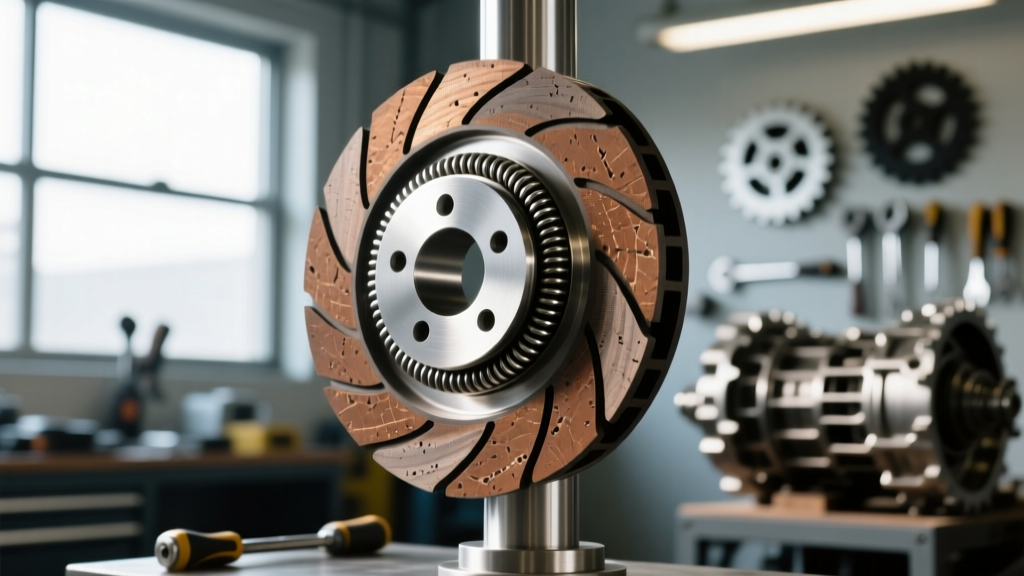
Upgrading to a high-performance motorized bicycle clutch kit often involves swapping the cork disc for advanced friction materials. According to friction material data from McMaster-Carr, sintered bronze and aramid (Kevlar) composites offer vastly superior thermal stability. Performance discs are frequently machined to a thickness of 2.0mm to 2.2mm. This extra 0.5mm of material not only increases the wear lifespan by 300% but also requires precise recalibration of the flower nut to maintain the correct clamping geometry.
2026 Price Breakdown: OEM vs. Aftermarket Clutch Components
The cost of maintaining a motorized bicycle clutch kit is deceptively low per part, but the frequency of replacement drives up the long-term cost of ownership. Below is a detailed price breakdown for standard replacement and upgrade paths available in the current market.
| Component | Material / Spec | Average Cost (2026) | Lifespan Estimate |
|---|---|---|---|
| OEM Friction Disc | Cork / 1.5mm | $4.50 - $7.00 | 300 - 500 miles |
| Performance Friction Disc | Aramid (Kevlar) / 2.0mm | $18.00 - $24.00 | 1,500 - 2,500 miles |
| Sintered Bronze Disc | Porous Bronze / 2.2mm | $28.00 - $35.00 | 3,000+ miles |
| Heavy-Duty Clutch Spring | High-Carbon Steel | $6.00 - $9.00 | 5,000+ miles |
| Billet Bucking Bar & Pad | Hardened Steel / Bronze | $22.00 - $30.00 | Lifetime |
While an OEM cork disc costs less than a cup of coffee, the labor and downtime required to split the engine case or remove the right-side cover every 400 miles makes the $35 investment in a sintered bronze disc economically superior for daily riders.
Automotive vs. Motorized Bicycle Clutch Engineering
To truly understand the engineering limitations of a motorized bicycle clutch kit, it is highly educational to compare its friction disc specifications to those of automotive transmissions. While browsing the Summit Racing catalog, you will find that a standard GM LS1 manual clutch disc measures approximately 0.320 inches (8.1mm) thick and utilizes a complex marcel spring wave design to ensure smooth engagement.
Similarly, in automatic transmissions like the GM 4L60E or the ZF 8HP, the 3-4 clutch packs utilize multiple alternating steel and friction plates. A Raybestos GPZ friction plate for a 4L60E is roughly 1.5mm to 1.7mm thick—nearly identical in thickness to the OEM motorized bicycle cork disc. However, the 4L60E clutch pack survives 100,000 miles because it operates submerged in specialized automatic transmission fluid (ATF), which provides continuous thermal transfer and lubrication. The motorized bicycle clutch operates entirely dry, enclosed in a magnesium or aluminum alloy housing with zero airflow. Consequently, the 1.5mm motorized bike disc experiences thermal runaway and glazing at a fraction of the torque load.
The Torque and Thermal Disparity
A 4L60E 3-4 clutch pack manages upwards of 400 lb-ft of engine torque by distributing the load across four or five friction surfaces. An 80cc motorized bicycle engine produces a mere 3 to 5 lb-ft of torque, but it is applied entirely to a single 110mm dry friction surface. During a slip-start from a dead stop, the surface temperature of the motorized bike's cork disc can easily exceed 400°F (204°C), well past the thermal degradation point of organic cork binders.
Installation Specifications and Hidden Labor Costs
When calculating the total cost of a motorized bicycle clutch kit upgrade, you must factor in the precision required for installation. Improper adjustment of the clutch actuator will destroy a $35 sintered bronze disc in a matter of days.
Critical Torque and Adjustment Specs
- Clutch Center Nut (Crankshaft): Must be torqued to 35 Nm (25 lb-ft) using a strap wrench and blue threadlocker (e.g., Loctite 243). A loose center nut will cause the clutch hub to gall the crankshaft taper, resulting in a $150+ crankshaft replacement.
- Flower Nut Adjustment: The cam-style flower nut dictates the clamping pressure. It should be tightened until the clutch locks, then backed off exactly one to one-and-a-half notches. This yields roughly 2.0mm to 3.0mm of free play at the handlebar lever.
- Bucking Bar Clearance: The actuator bucking bar must have exactly 1.5mm of clearance from the clutch plate when the lever is fully released. If the bar rides against the plate, the clutch will perpetually slip, generating enough heat to warp the steel drive plate.
Failure Modes: When Thickness Tolerances Cause Slip
Understanding failure modes helps justify the cost of premium clutch kits. The most common failure in motorized bicycle clutches is not sudden catastrophic breakage, but progressive thermal glazing.
Expert Insight: When a 1.5mm cork disc slips, the resin binders melt and rise to the surface, creating a glass-like finish. Once glazed, the coefficient of friction drops from roughly 0.45 to below 0.15. No amount of flower-nut adjustment can compensate for glazed friction material; the disc must be scuffed with 80-grit sandpaper or replaced entirely.
Furthermore, as the disc wears from 1.5mm down to 1.2mm, the clutch spring loses its axial preload. A standard OEM spring exerts roughly 85 lbs of clamping force when new, but loses up to 20% of its tension as the disc thins. Upgrading to a heavy-duty, high-carbon steel spring ($6.00 - $9.00) is mandatory when installing a thicker 2.0mm aftermarket disc to ensure the actuator arm can still overcome the increased spring pressure during disengagement.
Final Verdict: Optimizing Your Clutch Budget
The economics of the motorized bicycle clutch kit heavily favor upfront investment over continuous OEM replacement. While a complete OEM replacement kit costs around $12, the labor and unreliability make it a poor choice for any bike used for commuting or long-distance touring. By allocating a budget of $50 to $75 for a sintered bronze friction disc, a billet bucking bar, and a heavy-duty spring, riders can achieve automotive-style reliability in a micro-drivetrain. Understanding the strict 1.5mm to 2.2mm thickness tolerances and the thermal realities of dry-clutch operation is the key to keeping your motorized bicycle on the road and out of the repair shop.