In the realm of manual transmission diagnostics, few issues are as universally dreaded—and as frequently misdiagnosed—as clutch slip. For off-road enthusiasts and daily drivers alike, recognizing the subtle early warnings of friction material degradation is the cornerstone of effective preventive maintenance. Ignoring these symptoms doesn't just lead to stranded vehicles; it often results in catastrophic flywheel scoring and damaged pressure plate diaphragms. As we navigate the 2026 automotive landscape, where heavy-duty replacement components have seen significant price increases, understanding how to diagnose slip and strategically source replacement parts is more critical than ever.
The Anatomy of Clutch Slip: Early Warning Signs
Clutch slip occurs when the friction coefficient between the clutch disc, flywheel, and pressure plate drops below the threshold required to transfer engine torque to the transmission input shaft. A healthy organic clutch disc typically operates with a friction coefficient around 0.30 to 0.35. When glazing, oil contamination, or thermal degradation occurs, this number plummets, resulting in kinetic energy being wasted as heat rather than forward momentum.
RPM Flare and the 'Rubber Band' Effect
The most definitive symptom of a slipping clutch is RPM flare under load without a proportional increase in vehicle speed. This is most easily detected in higher gears (3rd, 4th, or 5th) where the mechanical advantage is lower, and the torque load on the friction surfaces is highest. When accelerating up an incline or passing on the highway, you will notice the tachometer needle surge upward while the speedometer lags. This 'rubber band' effect indicates that the pressure plate clamp load is no longer sufficient to overcome the engine's torque output, or the friction material has become glazed and hardened from excessive heat.
Pedal Engagement Drift and Hydraulic Freeplay
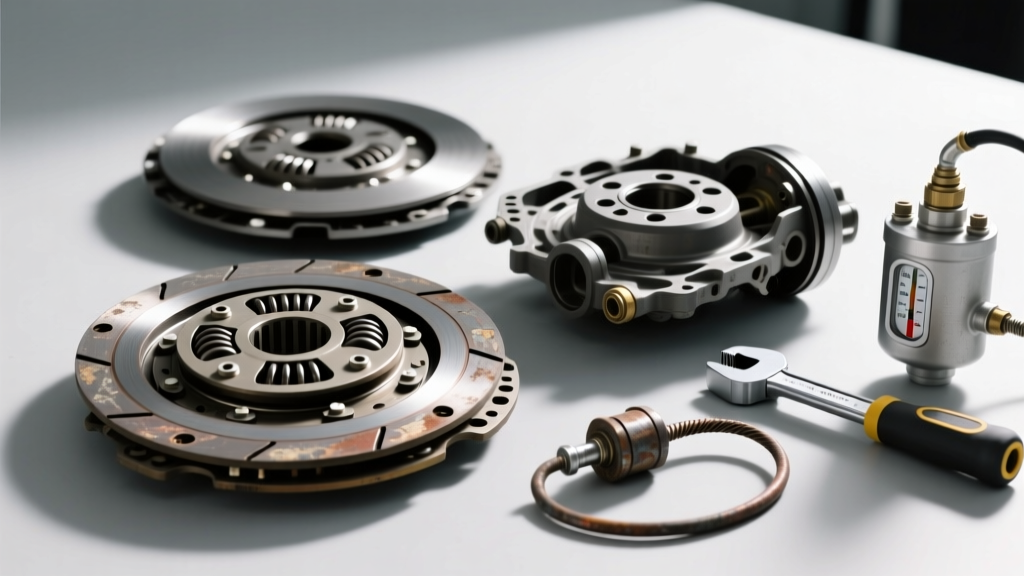
Preventive maintenance requires monitoring the clutch pedal's engagement point. In a properly adjusted hydraulic system (such as those found in Jeep Wrangler TJ/LJ models with the AX15 or NSG370 transmissions), the clutch should engage roughly 1 to 2 inches off the firewall. If the engagement point suddenly migrates to the very top of the pedal travel, it often indicates severe disc wear or a failing hydraulic master cylinder bypassing fluid internally. Furthermore, a lack of hydraulic freeplay at the slave cylinder pushrod is a silent killer of clutch systems. According to AA1Car's clutch diagnostic guidelines, if the slave cylinder pushrod does not have 1/8-inch to 1/4-inch of freeplay before contacting the clutch fork, the throwout bearing will constantly ride the diaphragm fingers. This continuous friction wears the fingers down, drastically reducing clamp load and inducing premature slip.
Diagnostic Protocols: Confirming Friction Material Failure
Before tearing into the bellhousing, a systematic diagnostic approach is required to rule out hydraulic faults and isolate mechanical friction failure. The traditional 'stall test' involves setting the parking brake, placing the vehicle in 4th gear, and slowly releasing the clutch while applying throttle. If the engine stalls immediately, the clutch is holding. If the engine continues to run and RPMs climb, the clutch is slipping. However, this test generates immense heat and can warp flywheels, so it should be used sparingly and only as a last resort.
Instead, utilize the following diagnostic matrix to pinpoint the exact failure mode:
| Symptom Profile | Probable Root Cause | Verification Method |
|---|---|---|
| Slip only in high gears under heavy load | Glazed friction material or weak diaphragm springs | Inspect disc surface for shiny, hardened patches; check pressure plate finger height. |
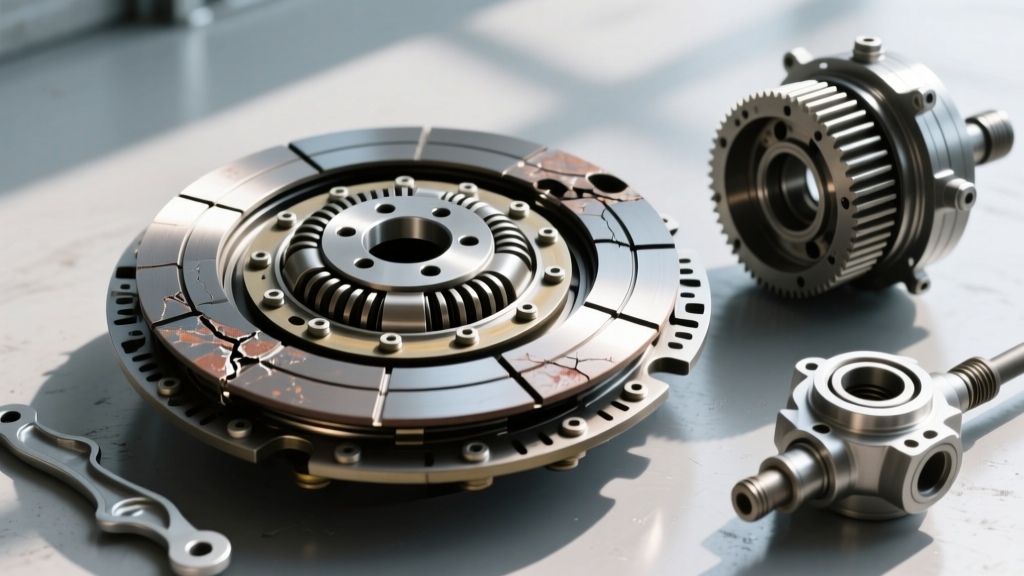
| Slip accompanied by a burning odor | Thermal degradation from riding the clutch or towing beyond capacity | Check for blueing on the flywheel face; measure disc thickness (replace if <0.030' above rivets). |
| Slip with erratic pedal engagement | Hydraulic master/slave cylinder internal bypass or air in lines | Check slave pushrod freeplay; perform reverse-pressure hydraulic bleed. |
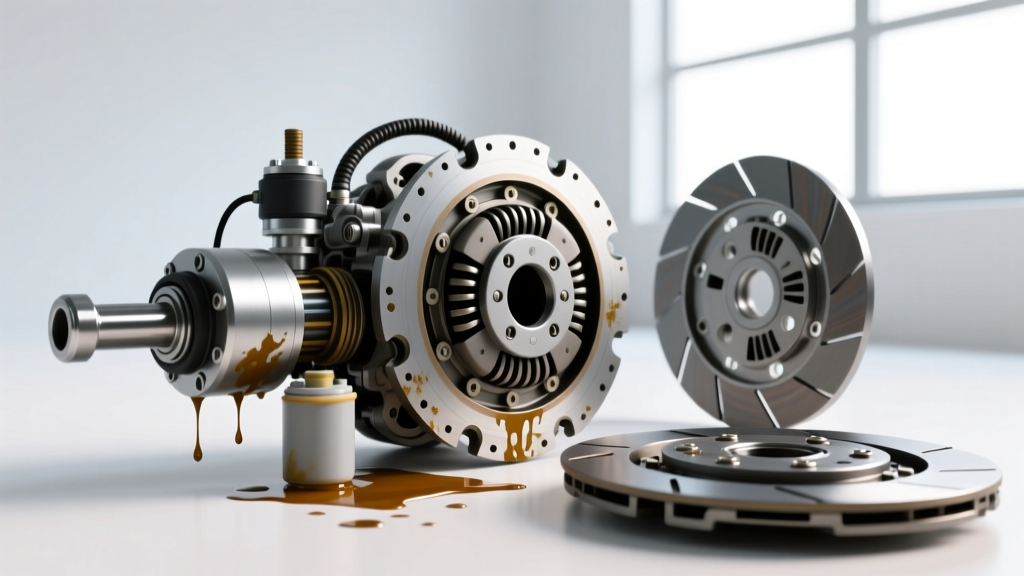
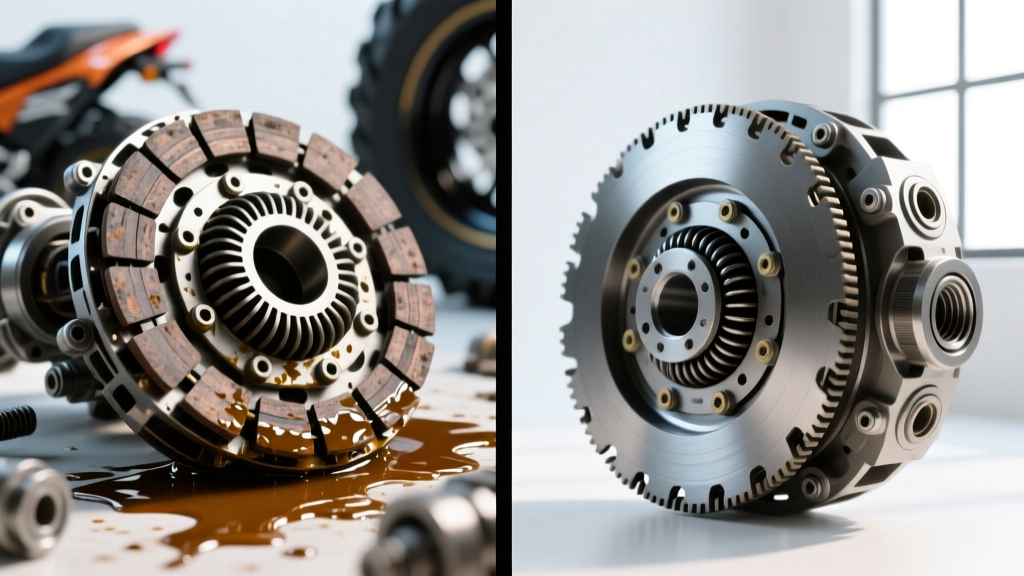
| Slip with violent drivetrain chatter | Oil contamination from rear main seal or transmission input shaft seal | Inspect bellhousing inspection cover for wet, dark slung fluid. |
Preventive Maintenance to Extend Disc Life
Extending the lifecycle of your clutch assembly requires strict adherence to hydraulic and mechanical maintenance schedules. Clutch hydraulic systems utilize DOT 3 or DOT 4 brake fluid, which is highly hygroscopic (moisture-absorbing). Over time, water contamination lowers the fluid's boiling point and causes internal corrosion in the slave and master cylinders, leading to sticky pistons and incomplete disengagement/engagement cycles. Flushing the clutch hydraulic fluid every 24 months is a mandatory preventive step.
Additionally, mechanical sympathy plays a massive role. Avoid 'resting' your foot on the clutch pedal while driving, as even a few pounds of downward pressure can overcome the return spring, eliminating the crucial 1/8-inch freeplay and causing the throwout bearing to prematurely wear the pressure plate fingers. For off-road vehicles equipped with heavy aftermarket bumpers and winches, ensure you are using the correct gear ratios to avoid lugging the engine, which places extreme torsional stress on the clutch hub springs and friction surfaces.
Sourcing Heavy-Duty Replacements: Navigating 2026 Aftermarket Costs
When diagnostics confirm that the friction material has reached the end of its service life—typically when the pad depth measures less than 0.030 inches above the rivets, or when the flywheel exhibits severe thermal cracking—replacement is the only viable option. For heavily modified rigs running 33-inch to 37-inch tires, standard OEM organic replacement kits are woefully inadequate. The increased rotating mass and rolling resistance demand high-clamp-load pressure plates and aggressive friction materials, such as Kevlar or segmented ceramic pucks.
This is where premium aftermarket brands enter the conversation. The 'Mother Clutcher' brand has gained significant traction in the off-road and Jeep community for offering heavy-duty kits designed to handle the extreme torque loads of modified 4.0L and LS-swapped rigs without sacrificing street manners. However, premium engineering comes at a premium price. In 2026, a complete heavy-duty flywheel, pressure plate, and ceramic disc kit can easily retail between $800 and $1,400. Because drivetrain overhauls require a massive allocation of your build budget, finding a verified mother clutcher discount code through off-road community forums, newsletter signups, or seasonal vendor promos can shave $75 to $150 off your total parts cost. Applying a valid mother clutcher discount code allows you to reinvest those savings into ancillary upgrades, such as a high-performance braided stainless steel clutch line or a heavy-duty pivot ball upgrade, which are highly recommended during the installation process.
Precision Installation Specs (Jeep 4.0L / Heavy-Duty Focus)
Installing a high-performance clutch kit requires meticulous attention to factory specifications and clearances. A common cause of 'new clutch slip' immediately after installation is improper flywheel step height. If the flywheel is resurfaced or replaced without verifying the step height (the distance between the friction surface and the pressure plate mounting surface), the diaphragm springs will either be over-compressed (causing chatter and premature bearing failure) or under-compressed (resulting in immediate slip). For the Jeep 4.0L engine, the critical flywheel step height must be maintained between 0.020' and 0.040'.
As noted by NAPA Know How, proper torque sequencing is equally vital to prevent pressure plate warpage. Always follow these precision specifications during reassembly:
- Flywheel to Crankshaft Bolts: 70-80 lb-ft (Use high-strength threadlocker on all crank bolts).
- Pressure Plate to Flywheel: 23-28 lb-ft (Must be torqued in a strict star/crisscross pattern to ensure even diaphragm loading).
- Clutch Disc Runout: Maximum allowable lateral runout is 0.020' at the outer edge. Exceeding this will cause engagement shudder.
- Slave Cylinder Pushrod Freeplay: Verify 1/8' to 1/4' clearance between the pushrod and the clutch fork dimple before finalizing the hydraulic bleed.
- Pilot Bearing/Bushing: Always replace during service. A seized pilot bearing will drag the input shaft, mimicking clutch slip and causing gear grind.
By combining rigorous diagnostic protocols, strict preventive maintenance, and strategic parts sourcing, you can ensure your manual transmission operates flawlessly, whether you are navigating daily highway commutes or crawling over extreme off-road obstacles.