The Anatomy of a Burnt Motorcycle Clutch
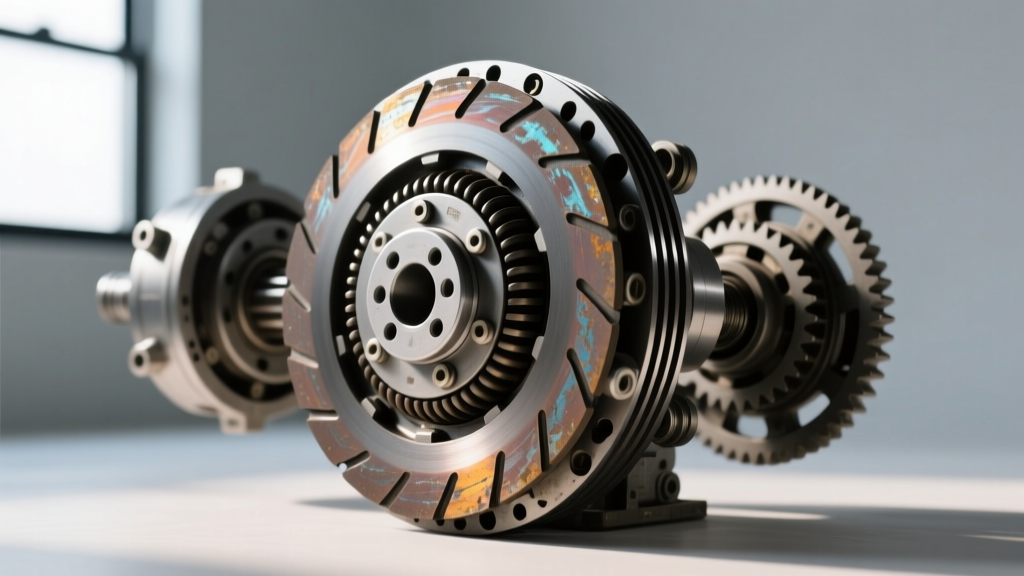
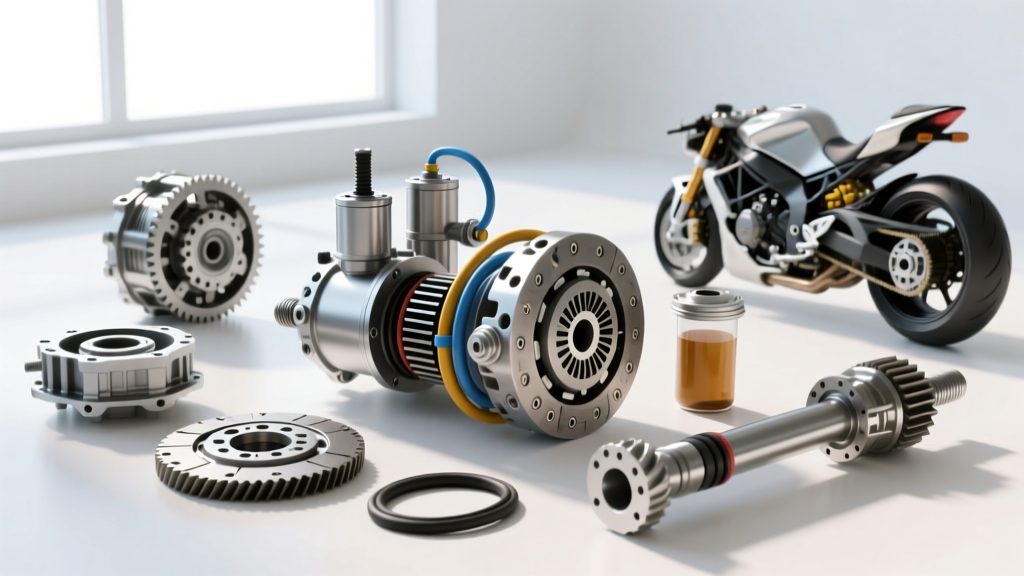
Encountering a harsh, acrid burning smell from your motorcycle is an immediate red flag that demands attention. In modern powersports engineering, the vast majority of manual motorcycles utilize a wet multi-plate clutch system. This means the friction plates, steel separator plates, and clutch basket are bathed in the same engine oil that lubricates the crankshaft, transmission gears, and cylinder head. When you detect a burning odor, you are smelling the thermal breakdown of friction material, overheated oil, or blued steel plates. Diagnosing this symptom requires separating rider-induced thermal overload from mechanical failure, making an understanding of proper bike clutch control just as critical as knowing your way around a micrometer and a torque wrench.
The Physics of Friction and Heat Generation
A wet clutch operates on the principle of controlled slip during engagement and absolute lock-up under load. When the clutch lever is pulled, the pressure plate retracts, compressing the clutch springs and separating the friction and steel plates. As you release the lever, the springs clamp the plates together. The "friction zone" is the precise millimeter range of lever travel where the plates are partially engaged, transferring power while slipping to match engine RPM to wheel speed.
Heat generation in this zone is exponential. The thermal energy created is a direct product of the torque being transferred multiplied by the difference in RPM between the engine and the transmission input shaft. If a rider holds the engine at 6,000 RPM while the rear wheel is stationary or moving at walking speed, the clutch must absorb and dissipate thousands of watts of thermal energy into the engine oil. If the oil's thermal capacity is exceeded, the friction material glazes, the steel plates warp, and the distinct smell of burning clutch linings permeates the air.
How Poor Bike Clutch Control Accelerates Wear
Rider technique is the leading cause of premature clutch burnout, particularly on high-strung sportbikes and heavy touring motorcycles. Mastering bike clutch control is not just about smooth shifts; it is about thermal management.
- "Riding" the Clutch: Resting fingers on the lever while cruising or navigating stop-and-go traffic inadvertently pulls the clutch cable or pushes the hydraulic piston just enough to relieve clamping force. This micro-slip generates massive heat without the rider realizing the plates are slipping.
- Improper Friction Zone Modulation: During low-speed U-turns or trail braking, inexperienced riders often spike the throttle while simultaneously slipping the clutch to maintain balance. This maximizes the RPM differential across the plates, instantly glazing Kevlar or cork-based friction materials.
- Aggressive Launches: Dropping the clutch at high RPM overwhelms the static friction coefficient of the plates, causing violent slip that strips friction material from the steel core, leading to an immediate and overwhelming burning smell.
Mechanical Culprits: Beyond Rider Error
If your clutch control technique is flawless, the burning smell points directly to a mechanical or maintenance failure. The most common systemic issues include:
1. Incorrect Clutch Free Play
Every manual motorcycle requires a specific amount of "free play" at the lever (typically 10mm to 20mm) before the cable or hydraulic master cylinder begins to pull the clutch release mechanism. If the cable stretches or the hydraulic fluid expands and the free play is not adjusted, the release bearing constantly pushes against the pressure plate. This prevents full clamping force, causing the clutch to slip under heavy acceleration, generating intense heat and burning the plates.
2. Incompatible Engine Oil (Friction Modifiers)
Automotive oils often contain molybdenum-based friction modifiers designed to improve fuel economy. If these oils are used in a motorcycle, the modifiers coat the clutch plates, drastically reducing the coefficient of friction. The clutch will slip continuously under load, burning out the friction material in a matter of miles. As of 2026, it is mandatory to use oils certified with the JASO MA or JASO MA2 standard, which guarantees the absence of friction modifiers and ensures proper wet clutch lock-up.
3. Clutch Basket Notching
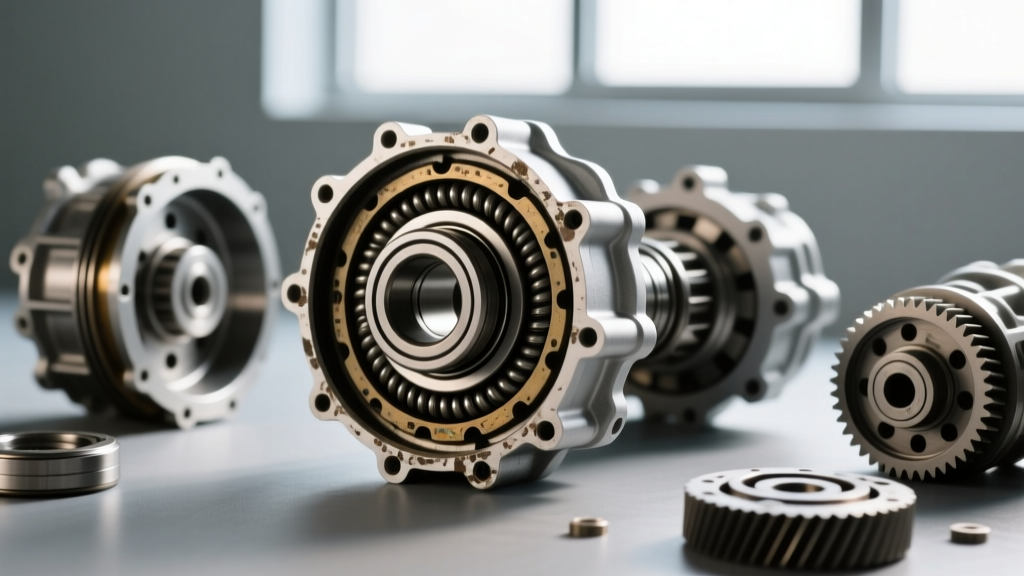
Over time, the tangs of the friction and steel plates hammer into the aluminum fingers of the clutch basket and inner hub, creating deep notches. When the plates become wedged in these notches, the clutch drags and fails to disengage fully. To compensate, riders may pull the lever harder or slip the clutch excessively to force a gear change, leading to localized overheating and a burning smell.
Diagnostic Matrix: Smell vs. Symptom
Use the following diagnostic chart to cross-reference the olfactory symptoms with mechanical behavior to pinpoint the root cause of the failure.
| Odor Profile | Lever Feel & RPM Behavior | Probable Root Cause | Immediate Action Required |
|---|---|---|---|
| Harsh, sulfuric, burning brake-pad smell | Lever feels normal, but RPMs flare without proportional acceleration under load. | Glazed or worn friction plates; weak clutch springs. | Inspect plate thickness and spring free-length; replace friction pack. |
| Sweet, acrid burning oil smell | Lever has zero free play; engagement point is at the very end of the throw. | Cable stretch or hydraulic fade causing constant micro-slip and oil overheating. | Adjust free play to 10-15mm; flush hydraulic fluid if applicable. |
| Metallic, hot-brake odor | Clutch drags when pulling in the lever; difficult to find neutral at a stop. | Warped steel separator plates or deeply notched clutch basket. | Teardown required; measure steel plates on glass for warpage. |
Step-by-Step Teardown & Measurement
When a burning smell is verified and free play is confirmed correct, a physical teardown is mandatory. According to Cycle World's Ask Kevin series on wet clutch engineering, visual inspection is never enough; precise measurement dictates whether a clutch pack can be reused or must be scrapped.
Measuring Friction and Steel Plates
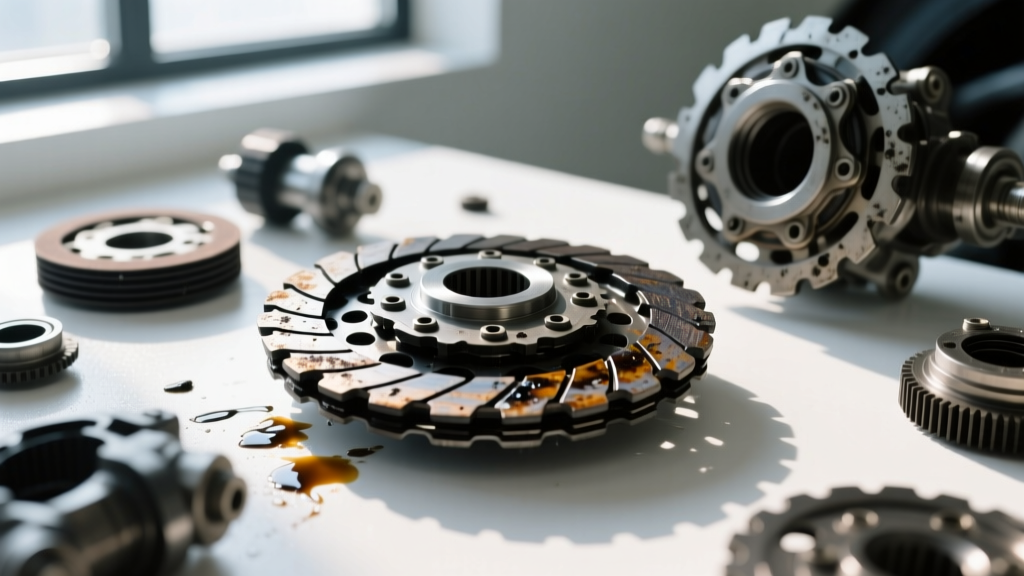
Remove the clutch cover, compress the springs, and extract the pressure plate and clutch pack. Using a digital micrometer, measure the thickness of the friction plates at multiple points. A standard OEM friction plate (such as those found in a Yamaha YZF-R6 or Honda CBR600RR) typically measures between 3.0mm and 4.0mm when new. The service manual wear limit is usually around 2.6mm to 2.8mm. If the plates are glazed (shiny and hardened) or below the limit, they are the source of the burning smell and must be replaced.
Next, check the steel separator plates for warpage. Place each steel plate on a perfectly flat piece of tempered glass and attempt to slide a 0.1mm feeler gauge underneath. If the gauge passes through, the plate is warped from extreme heat and will cause clutch drag and uneven wear. Warped plates must be replaced; they cannot be machined or bent back to true.
Checking Clutch Spring Tension
Clutch springs lose their temper and sag when exposed to extreme heat from a burning clutch pack. Measure the free length of each spring with a caliper. For many 600cc supersport applications, the standard length is roughly 51.0mm, with a service limit of 48.5mm. If even one spring is below the limit, replace the entire set to ensure even clamping pressure across the pressure plate.
Reassembly, Torque Specs, and Fluids
Proper reassembly is critical to preventing a recurrence of the burning smell. Always soak new OEM or aftermarket (e.g., EBC CK Series Kevlar) friction plates in fresh JASO MA2 engine oil for at least two hours before installation to prevent dry-start scuffing. As noted by RevZilla's Common Tread maintenance guides, dry friction plates will burn and glaze within the first five minutes of engine operation.
When reinstalling the clutch spring bolts, apply a drop of blue Loctite (243) and torque them precisely to the manufacturer's specification—typically between 7 Nm and 10 Nm (60 to 88 in-lbs). Overtorquing these small 6mm bolts will strip the aluminum threads in the inner hub. The main clutch center lock nut requires a specialized clutch holding tool to prevent the basket from spinning while torquing. This nut generally requires 65 Nm to 80 Nm (48 to 59 ft-lbs) and should be secured with a new lock washer or red Loctite (271) depending on the OEM service manual.
Repair Costs and OEM Part References
Addressing a burnt clutch before it destroys the steel plates and engine oil is a cost-effective repair. A complete aftermarket friction plate kit (such as the EBC CK Series) typically ranges from $80 to $140 depending on the motorcycle model. If the steel plates are blued or warped, a complete OEM clutch pack (friction and steel plates combined) will cost between $250 and $450. A new set of heavy-duty clutch springs (e.g., Pro Taper or Hinson) adds roughly $40 to $75 to the bill. Factoring in a high-quality JASO MA2 synthetic oil change (e.g., Motul 7100 or Liqui Moly Street Race), the total DIY parts cost to cure a burning clutch smell and restore flawless bike clutch control usually lands between $150 and $300, saving hundreds in dealership labor fees.