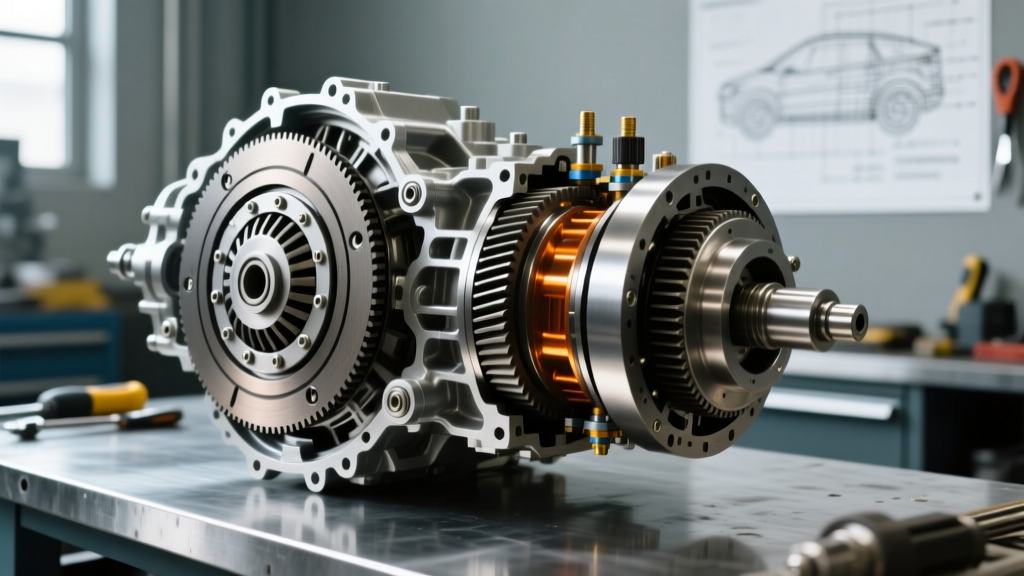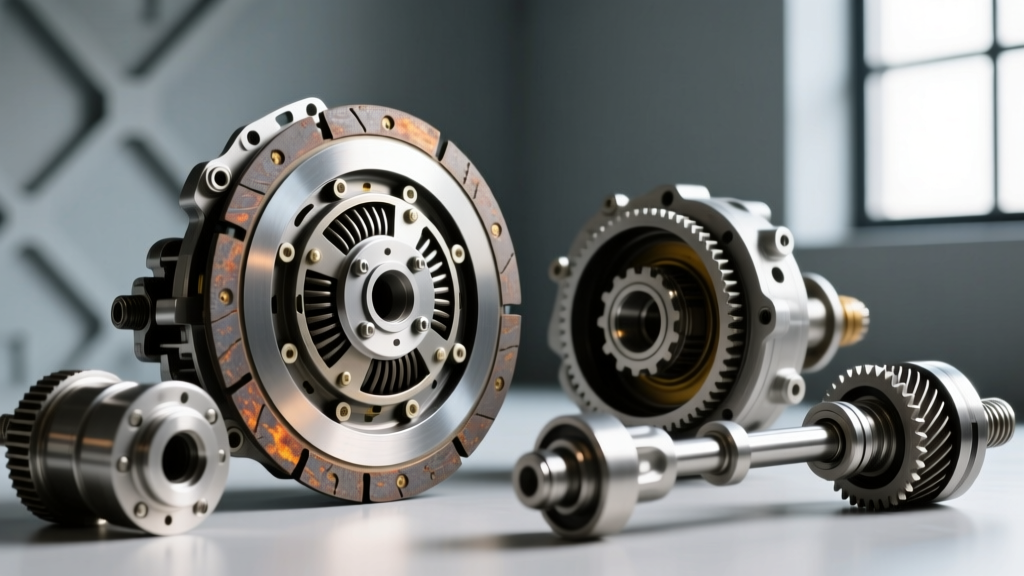
Modern performance vehicles rely on aggressive torque converter lockup strategies and rapid internal shift times to maximize power delivery. However, when evaluating a performance clutch in automatic transmissions, chatter and vibration are among the most complex symptoms to isolate. Unlike manual transmissions where chatter is almost exclusively linked to the flywheel or pressure plate, automatic chatter can originate from the torque converter clutch (TCC), internal multi-disc apply clutches, or hydraulic valve body instabilities. As we navigate the 2026 landscape of high-horsepower street and track builds, understanding the root causes of these vibrations is critical for both diagnosis and selecting the right performance upgrades.
The Anatomy of Chatter in High-Performance Automatics
To accurately diagnose vibration, we must first define what we mean by a clutch in automatic gearboxes. Modern planetary automatics utilize two primary friction interfaces: the internal multi-disc clutch packs that execute gear changes, and the Torque Converter Clutch (TCC) that mechanically locks the engine to the transmission input shaft. Chatter occurs when the friction coefficient between these surfaces becomes unstable during the apply phase, resulting in a rapid stick-slip oscillation. This oscillation transfers directly through the driveline, manifesting as a violent shudder or high-frequency vibration that can easily be mistaken for engine misfires or driveshaft imbalance.
TCC Shudder vs. Internal Apply Clutch Vibration
The first step in the diagnostic protocol is isolating the source of the vibration based on vehicle speed, throttle position, and RPM.
1. Torque Converter Clutch (TCC) Shudder
TCC shudder typically occurs during light-throttle cruising between 35 and 55 mph, right as the transmission commands partial or full lockup. The TCC piston is applied via pulse-width modulated (PWM) hydraulic pressure. If the friction material on the piston is glazed, or if the hydraulic pressure is oscillating due to a worn regulator valve, the piston will rapidly apply and release. This creates a 20-40 Hz vibration that feels like driving over rumble strips. In high-performance applications running stiff aftermarket TCC springs or aggressive lockup tunes, shudder is often a symptom of an overly steep apply ramp in the ECU calibration rather than mechanical failure.
2. Internal Multi-Disc Clutch Chatter
Internal clutch chatter happens during shift transitions, most commonly on the 1-2 or 2-3 upshifts under heavy throttle. When a performance build utilizes stiff billet clutch drums and high-friction carbon or Kevlar materials, the apply time is drastically reduced. If the clutch pack clearance is too tight, or if the accumulator pressure curve is too aggressive, the clutch pack will bind instantly rather than slipping slightly to absorb the inertial energy of the gear change. This results in a harsh, shaking engagement that violently rocks the chassis.
Application-Specific Failure Modes & Upgrades
Different transmission platforms exhibit unique wear patterns that lead to chatter. Here is how to address them in a performance upgrade scenario.
GM 10L90 / Ford 10R80
The 10-speed platforms are notorious for TCC shudder and 2-3 shift chatter when pushed beyond 600 horsepower. The primary culprit is wear in the TCC regulator valve bore within the valve body, which causes oscillating line pressure to the converter. According to engineering bulletins from Sonnax, hydraulic instability in this circuit is the root cause of the majority of late-model 10-speed shudder complaints. The definitive fix is installing a performance Zip Kit (e.g., Part # 10L90-ZIP) and reaming the TCC bore to accept an oversized anodized valve, restoring hydraulic stability. Expect to spend around $450 to $550 for the valve body upgrade kit and specialized reaming tools.
ZF 8HP70 / 8HP90
In the ZF 8HP platform, the 'A' clutch (responsible for 1st, 2nd, 3rd, and 4th gears) is highly susceptible to aluminum drum wear. When upgrading for 700+ whp, machinists must check the aluminum clutch drum for grooves exceeding 0.002 inches in depth. If grooves are present, the clutch pack cannot seal properly, leading to micro-leaks that manifest as a 3-4 shift chatter. The upgrade path involves installing a billet aluminum 'A' clutch drum and utilizing high-energy synthetic frictions, setting the pack clearance strictly to 0.050” - 0.070” using selective snap rings to prevent binding.
Performance Friction Material Comparison
Selecting the correct friction material is paramount. OEM paper-based clutches are designed for smooth, slipping engagements, which will instantly glaze and chatter under high-horsepower, high-line-pressure conditions. Below is a comparison of common performance upgrades.
| Friction Material | Base Compound | Friction Coefficient (Mu) | Max Temp Threshold | Best Application | Avg. Cost (Per Pack) |
|---|---|---|---|---|---|
| OEM Paper | Cellulose/Kevlar | 0.12 - 0.14 | 350°F | Daily Driving, Towing | $45 - $80 |
| Raybestos GPZ | Proprietary Synthetic | 0.16 - 0.18 | 450°F | High-HP Street, Drag | $110 - $150 |
| Alto Red Eagle | High-Energy Carbon | 0.18 - 0.21 | 500°F+ | Dedicated Race, Trans-Brake | $130 - $180 |
When selecting friction materials, Raybestos Powertrain recommends their GPZ line for high-energy street applications because it maintains a stable friction coefficient even as transmission fluid temperatures spike during repeated drag strip passes or canyon carving.
Step-by-Step Diagnostic Protocol
Before tearing down the transmission, use a bi-directional scanner to isolate the hydraulic and electronic variables. Calibrating the PWM ramp rates and monitoring hydraulic data requires advanced OBD2 interface software like HP Tuners VCM Editor or a professional Snap-on Zeus tablet.
- Log TCC Slip Speed: Monitor Commanded vs. Actual TCC Slip RPM. If actual slip oscillates rapidly (e.g., jumping between -20 RPM and +40 RPM while commanded is 0 RPM), you have hydraulic instability or degraded converter friction material.
- Monitor Line Pressure PIDs: Check the Transmission Line Pressure sensor. During a chatter event on an upshift, look for pressure drops exceeding 15-20 PSI. This indicates an internal seal leak, a cracked clutch drum, or a failing accumulator spring.
- Check Transmission Fluid Temp (TFT): Chatter that only occurs when TFT is below 120°F is often caused by overly aggressive cold-weather TCC apply tables in the ECU. Chatter that worsens above 200°F indicates thermal degradation of the friction material or fluid cavitation.
- Physical Fluid Analysis: Drop the pan. A burnt smell indicates glazed frictions (common in TCC shudder). Fine metallic glitter suspended in the fluid points to internal clutch hub or drum wear, which causes mechanical binding and shift chatter.
Calibration & Tuning Strategies
Once mechanical integrity and hydraulic stability are verified, the final frontier for eliminating chatter is ECU calibration. Modern automatics use complex adaptive learning, but base tables dictate the initial behavior.
For TCC shudder, tuners must adjust the TCC PWM duty cycle ramp rates. Softening the initial apply ramp by 15-20 milliseconds allows the clutch to slip slightly longer, generating the heat necessary to burn off glaze and smoothly transition to full lockup without shocking the driveline. Conversely, for internal shift chatter on 1-2 upshifts, increasing the shift pressure ramp time by 10% and reducing the overlap timing will allow the off-going clutch to release just before the on-going clutch fully applies, eliminating the mechanical bind that causes chassis vibration.
Expert Tuning Tip: Never attempt to mask severe mechanical TCC shudder by simply disabling torque converter lockup in the tune. While this will eliminate the vibration, it will cause massive heat generation in the transmission fluid, leading to rapid degradation of the internal multi-disc clutches and eventual catastrophic failure of the geartrain.
Diagnosing chatter in a high-performance automatic requires a methodical approach that bridges mechanical inspection, hydraulic analysis, and software calibration. By understanding the specific failure points of your transmission platform and selecting the correct upgraded friction materials and valve body components, you can achieve lightning-fast, chatter-free shifts capable of handling modern horsepower levels.