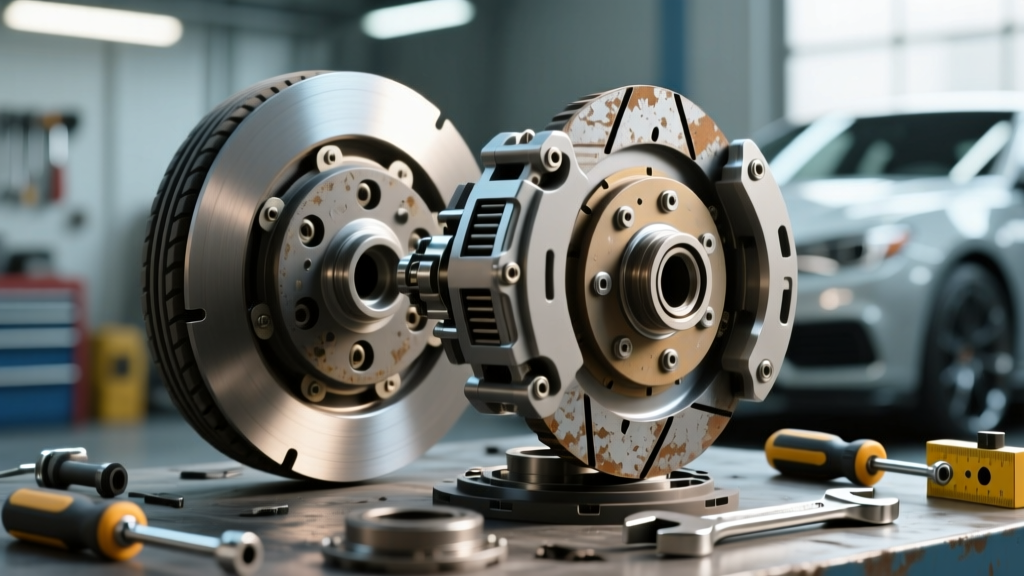
The Anatomy of a DCT Burning Smell
There are few scents more alarming to an automotive enthusiast than the acrid, unmistakable odor of a burning clutch. When that smell permeates the cabin of a vehicle equipped with a Dual Clutch Transmission (DCT), it triggers an immediate sense of dread. Unlike a traditional torque-converter automatic that uses fluid coupling to manage low-speed slip, a DCT relies on physical friction materials—either dry organic plates or wet sintered metal discs bathed in specialized fluid. As of 2026, despite massive advancements in mechatronic control units and thermal management algorithms, the fundamental physics of friction remain unchanged. If you are smelling burning friction material or oxidized fluid, your transmission is undergoing severe thermal degradation.
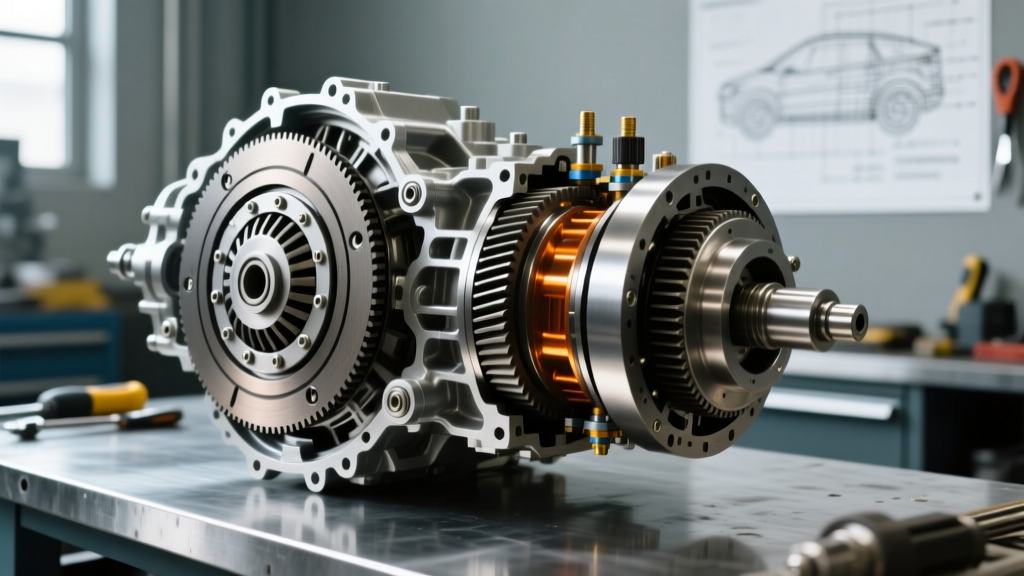
To properly diagnose this symptom, we must first address a critical operational truth: the vast majority of DCT clutch burn incidents are not caused by mechanical failure, but by driver error. Understanding how to drive a dual clutch transmission is the first line of defense against catastrophic thermal runaway. According to Car and Driver's DCT Architecture Guide, a dual-clutch gearbox is essentially two manual transmissions operating in parallel within a single housing. Treating it like a standard planetary automatic is the fastest way to glaze your clutch packs and boil your mechatronic fluid.
How to Drive a Dual Clutch Transmission to Prevent Thermal Runaway
Before tearing into the bell housing or ordering a replacement mechatronic unit, you must evaluate the vehicle's operational environment. The most common cause of a burning smell in DCTs (particularly dry-clutch variants like the Ford DPS6 or VW DQ200) is "micro-slipping" during low-speed creep.
The "Creep" Mistake
In a traditional automatic, inching forward in stop-and-go traffic is managed by the torque converter slipping fluid. In a DCT, the Transmission Control Module (TCM) must physically slip the clutch pack against the flywheel to simulate this creep. If you ride the brake pedal while the transmission is in Drive, the TCM is forced to maintain partial clutch engagement to prevent stalling, generating immense friction heat.
- The Fix: In heavy traffic, leave a larger gap and move in distinct, deliberate bursts. Allow the clutch to fully engage, move forward, and brake firmly to disengage it completely.
- Hill Starts: Never hold the car on an incline using the throttle. This will fry a dry DCT clutch in minutes. Always use the brake pedal or engage the electronic parking brake until you are ready to accelerate.
Launch Control Abuse and Thermal Soak
Performance DCTs like the Porsche PDK (ZF 7-speed) or the VW DQ500 are engineered for high-torque launches. However, consecutive launch control events without adequate cool-down periods will cause the wet-clutch fluid to exceed its thermal threshold (typically around 135°C / 275°F). Once the fluid breaks down, it loses its friction-modifying properties, leading to clutch slip, shudder, and a distinct burnt-marshmallow or sulfur odor entering the HVAC system.
Diagnostic Matrix: Odor Profiles and DTCs
Diagnosing a burning smell requires correlating the specific odor profile with the transmission type and any stored Diagnostic Trouble Codes (DTCs). Use the matrix below to narrow down the failure point.
| DCT Type / Model | Odor Profile | Common DTCs | Probable Culprit & Repair Cost (2026 Est.) |
|---|---|---|---|
| Dry Clutch (Ford DPS6 / VW DQ200) | Burnt toast, asbestos dust, or melting plastic (electrical ozone) | P2789 (Clutch Position Sensor), P073E (Gear Ratio) | Glazed organic clutch linings or overheated TCM actuator motors. ($600 - $1,200) |
| Wet Clutch (VW DQ250 / DQ500) | Acrid sulfur, burnt marshmallows, or hot oil | P17BF (Hydraulic Pump Play), P2728 (Temp Sensor) | Oxidized Pentosin FFL-3 fluid or degraded sintered metal friction discs. ($400 fluid service / $2,500+ rebuild) |
| High-Perf Wet (Porsche PDK ZF 7DT) | Severe burnt oil, accompanied by cabin smoke | P1731 (Clutch 1 Adaptation Limit), P1732 | Clutch pack clearance exceeded, requiring complete PDK teardown and ZF-approved fluid flush. ($3,500 - $6,000) |
Wet vs. Dry DCT Troubleshooting Protocols
When a vehicle arrives at the shop with a reported burning smell, the diagnostic path diverges sharply based on whether the unit utilizes a wet or dry clutch architecture. ZF Group's Dual Clutch Transmission Engineering Documentation highlights that wet clutches rely on a continuous flow of specialized fluid not just for lubrication, but for thermal dissipation and hydraulic actuation.
Step 1: Fluid Analysis (Wet DCTs)
For wet DCTs like the VW DSG DQ250, the fluid is the lifeblood of the clutch pack. The specified fluid (e.g., VW G 052 182 A2 or Pentosin FFL-3) contains highly specific friction modifiers. If the fluid smells burnt, the modifiers have sheared and oxidized. Action: Drain a 50ml sample. If the fluid is dark brown or black (it should be translucent green or amber) and smells acrid, the clutch packs have been shedding excessive material. A simple fluid and filter change (typically 6.0 to 7.2 liters depending on the pan) may resolve minor shudder, but if the friction material has contaminated the mechatronic solenoids, a valve body replacement is imminent.
Step 2: Actuator and TCM Inspection (Dry DCTs)
Dry DCTs do not have clutch fluid to smell. If you detect a burning odor from a Ford PowerShift (DPS6) or Fiat C635 DDCT, you are likely smelling the clutch lining material turning to dust, or worse, the electric actuator motors melting. Action: Remove the inspection cover. Look for excessive black or brown dust around the bell housing weep hole. Use a scan tool to check the "Clutch Actuator Motor Temperature" PID. If the TCM reports temperatures exceeding 120°C during normal city driving, the actuator is fighting excessive mechanical resistance, usually caused by a warped clutch diaphragm spring or a failing release bearing.
Mechatronic Adaptation Limits and Torque Specs
Modern DCTs continuously adapt their clutch bite points to account for wear. However, there is a physical limit to this software compensation. Using a manufacturer-specific scan tool (like VCDS for VW/Audi or IDS for Ford), navigate to the Measuring Value Blocks (MVB) for Clutch 1 and Clutch 2 adaptation limits.
Expert Insight: If your clutch adaptation value exceeds the factory threshold (typically a stroke limit variance of 1.2mm to 1.5mm depending on the model), the TCM can no longer compensate for the worn friction material. The software will intentionally slip the clutch to protect the drivetrain, which generates the heat and burning smell the driver is experiencing. No fluid change or software flash will fix this; physical replacement is mandatory.
Critical Reassembly Torque Specifications
If diagnosis confirms the clutch packs are burnt and require replacement, precision during reassembly is non-negotiable. Improper torque will result in immediate flywheel warping and a return of the burning smell within 500 miles.
- Dual-Mass Flywheel to Crankshaft (VW/Audi 2.0T TSI): 60 Nm + 90 degrees (always use new stretch bolts).
- Clutch Hub Spline Alignment: Must be verified with the factory mandrel tool. Forcing the transmission input shaft will crack the mechatronic housing.
- Clutch Pack Pre-load (PDK / ZF Units): Selective shimming is required. You must measure the clutch pack clearance using a dial indicator; target clearance is generally between 0.5mm and 0.8mm. If it is too tight, the clutch will drag and burn immediately upon startup.
Summary: Preventative Maintenance is Key
A burning smell from a dual-clutch transmission is a cry for help. By understanding how to drive a dual clutch transmission with respect for its mechanical nature—avoiding low-speed creeping, utilizing hill-hold features, and respecting thermal limits during performance driving—you can easily push a DCT past 150,000 miles. However, if the smell is already present, rely on fluid analysis, mechatronic adaptation data, and DTC correlation to pinpoint whether you are dealing with a simple fluid breakdown or a catastrophic failure of the friction modules.