Understanding Clutch Drag and Its Impact on Clutch Lifetime
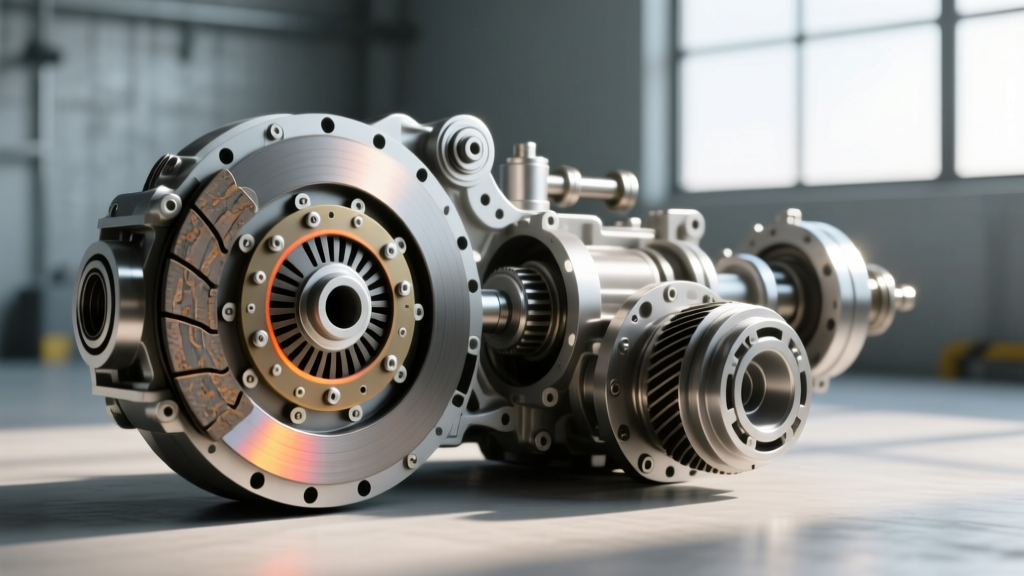
Clutch drag occurs when the friction disc fails to fully disengage from the flywheel or pressure plate, even when the clutch pedal is fully depressed. This mechanical failure manifests as severe grinding when shifting into first gear or reverse, especially when the vehicle is stationary. While many drivers dismiss this as a minor annoyance or a synchro issue, it is actually a critical failure mode that drastically reduces your overall clutch lifetime.
When the disc drags, it slips continuously against the spinning flywheel at engine RPM while the transmission input shaft is held stationary by the drivetrain. This generates immense localized heat, leading to rapid friction material glazing, warped steel plates, and eventual destruction of the diaphragm spring. According to Schaeffler Aftermarket (LuK) Technical Resources, unresolved clutch drag can reduce a clutch system's expected lifespan from over 100,000 miles to under 15,000 miles. This step-by-step guide will walk you through diagnosing and resolving hydraulic, mechanical, and internal assembly faults to restore proper release travel.
Step 1: Measure Pedal Free Play and Hydraulic Travel
The most common cause of clutch drag in modern hydraulic systems is a lack of pedal free play. If there is zero free play, the master cylinder pushrod is constantly applying pressure to the hydraulic line, keeping the release bearing lightly engaged against the pressure plate fingers. This causes premature bearing failure and prevents full disengagement.
- Measurement: Use a tape measure to check the distance the pedal moves before you feel resistance from the master cylinder pushrod. Specification is typically 10-15mm (0.4-0.6 inches).
- Adjustment: If your vehicle features an adjustable pushrod (common in older cable-clutch conversions or specific aftermarket setups), loosen the locknut and adjust the rod until 12mm of free play is achieved.
- Self-Adjusting Systems: Most modern vehicles (e.g., Ford Mustang MT-82, GM Tremec T56 Magnum applications) use non-adjustable, self-compensating master cylinders. If free play is absent here, the master cylinder pushrod is likely swollen, or the pedal stop pad is worn through.
Step 2: Inspect the Hydraulic Release System
If pedal free play is correct but the clutch still drags, the hydraulic system is likely failing to generate sufficient volume to move the slave cylinder the required distance. Air in the lines, degraded DOT 3/DOT 4 fluid, or a bypassing internal seal will result in a 'spongy' pedal that bottoms out before full release travel is achieved.
Concentric Slave Cylinder (CSC) Diagnostics: Many modern manual transmissions utilize a CSC that wraps around the transmission input shaft. These units are notorious for developing internal leaks or collapsing under high heat. To test, have an assistant depress the clutch pedal while you observe the external slave cylinder (if equipped) or measure the pedal travel. Total pedal travel should exceed 5.5 inches. If the pedal feels firm but stops short, the CSC is likely bypassing fluid internally, requiring transmission removal to replace.
Step 3: Evaluate Mechanical Linkage and Fork Pivot
For vehicles utilizing an external release fork and pivot ball, mechanical wear directly translates to lost travel. Over time, the pivot ball can wear a groove into the release fork, or the fork itself can bend under the 2,500+ lbs of clamping force exerted by high-performance pressure plates.
Inspect the pivot ball for severe grooving. A worn pivot ball changes the fulcrum geometry of the fork, meaning the slave cylinder pushes its full stroke, but the release bearing only moves a fraction of an inch. Upgrading to a heavy-duty adjustable pivot ball (such as those offered by McLeod or Quick Time) allows you to dial in the exact release bearing clearance, ensuring full diaphragm spring deflection.
Step 4: Internal Assembly – Splines, Pilot Bearing, and Warpage
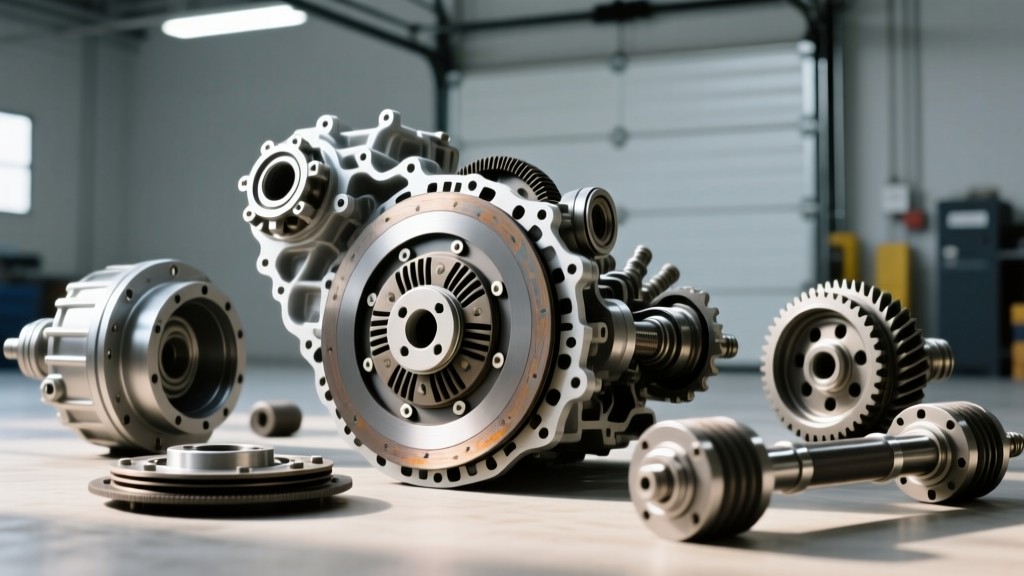
If the hydraulics and external linkage are functioning perfectly, the drag is originating inside the bellhousing. SAE International Drivetrain Tribology Papers frequently cite input shaft spline bind and pilot bearing failure as primary culprits for internal clutch drag.
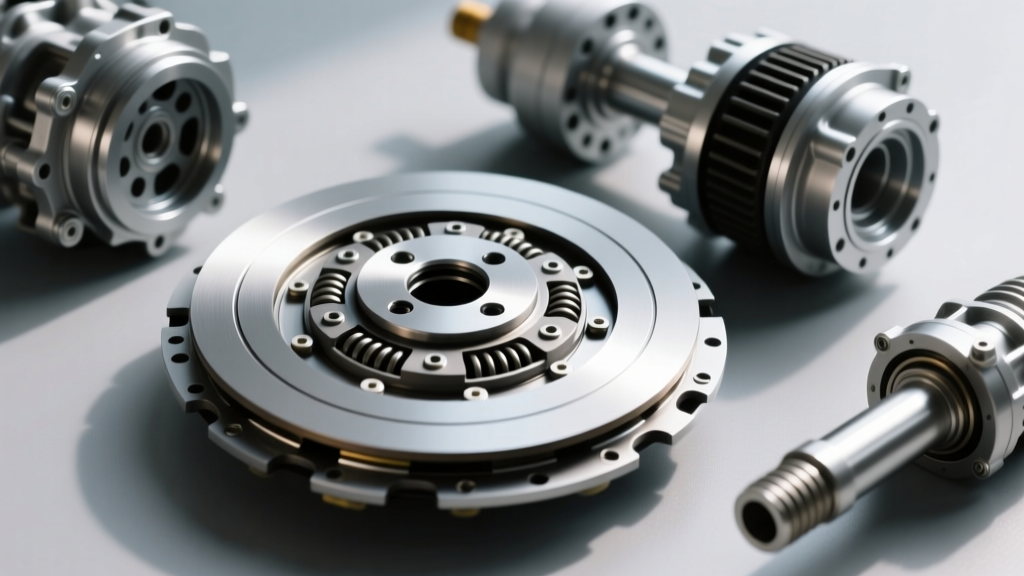
- Spline Bind: The clutch disc hub must slide freely along the transmission input shaft splines. If the splines are rusted, damaged, or improperly lubricated, the disc will hang up and refuse to pull away from the flywheel when the pressure plate releases.
- Pilot Bearing Seizure: The pilot bearing supports the tip of the input shaft in the crankshaft. If this bearing seizes, it will hold the input shaft at engine RPM even when the clutch is fully depressed, causing violent grinding and drag.
- Flywheel Runout: Using a magnetic base dial indicator, measure the runout on the flywheel friction surface. Maximum allowable runout is typically 0.005 inches (0.127mm). If runout exceeds 0.010 inches, the flywheel is warped; the clutch disc will wobble during disengagement and physically strike the pressure plate, causing drag.
Clutch Drag Diagnostic Matrix
| Symptom | Probable Cause | Verification Method | Estimated Repair Cost |
|---|---|---|---|
| Grinding into Reverse only | Low hydraulic fluid / Air in lines | Check reservoir; perform gravity bleed | $50 - $150 |
| Hard shifting into 1st & Reverse | Zero pedal free play | Measure pedal pad travel with ruler | $0 (Adjustment) or $120 (Master Cyl) |
| Pedal feels firm but won't disengage | Bypassing CSC or bent release fork | Inspect fork travel through inspection cover | $400 - $900 (Requires R&R) |
| Chatter followed by drag when hot | Warped flywheel / Hot spots | Dial indicator runout test (Max 0.005") | $600 - $1,200 (Resurface/Replace) |
Step-by-Step Repair and Adjustment Protocol
Once you have isolated the cause of the drag, follow these professional protocols to ensure the repair restores your clutch lifetime to factory specifications.
1. Advanced Hydraulic Bleeding
Standard manual bleeding often leaves micro-bubbles trapped in the master cylinder or the CSC. Use a pressure bleeder (like the Motive Products Power Bleeder) set to 15 PSI. Open the bleed valve and allow 1 quart of fresh DOT 4 fluid to flow through. Pro-Tip: If the system remains stubborn, zip-tie the clutch pedal to the steering wheel overnight. This holds the master cylinder piston fully open, allowing trapped air to naturally rise back into the reservoir.
2. Proper Spline Lubrication
CRITICAL WARNING: Never over-grease the input shaft splines. Excess grease will be thrown outward by centrifugal force once the transmission spins, contaminating the friction disc and instantly destroying your clutch lifetime.
Apply a microscopic film of high-temperature Molybdenum Disulfide (Moly) grease (e.g., Honda Urea #08798-9010 or Sachs High-Performance Spline Grease) directly to the input shaft splines. Slide the clutch disc hub onto the shaft and back off to distribute the grease evenly, then wipe away any excess with a lint-free shop towel.
3. Torque Specifications and Sequence
Improper torque on the pressure plate or flywheel will induce warpage, leading to immediate clutch drag upon reassembly. Always use a calibrated torque wrench.
- Flywheel Bolts (e.g., GM LS / Tremec T56): Clean threads with brake cleaner. Apply a drop of Loctite 271 (Red) if specified by the OEM. Torque to 74 lb-ft, followed by an additional 90-degree turn for Torque-to-Yield (TTY) bolts. Always replace TTY bolts.
- Pressure Plate Bolts: Torque gradually in a star/crisscross pattern to 25-35 lb-ft (refer to specific manufacturer specs, such as McLeod or Centerforce). This ensures the diaphragm spring is seated perfectly flat against the flywheel, preventing localized drag.
By methodically working through the hydraulic, mechanical, and internal variables, you can eliminate clutch drag entirely. Proper diagnosis not only restores smooth shifting but guarantees that your friction materials and synchros achieve their maximum engineered clutch lifetime. For further reading on drivetrain tribology and friction material degradation, refer to Bosch Automotive Transmission Systems technical documentation.