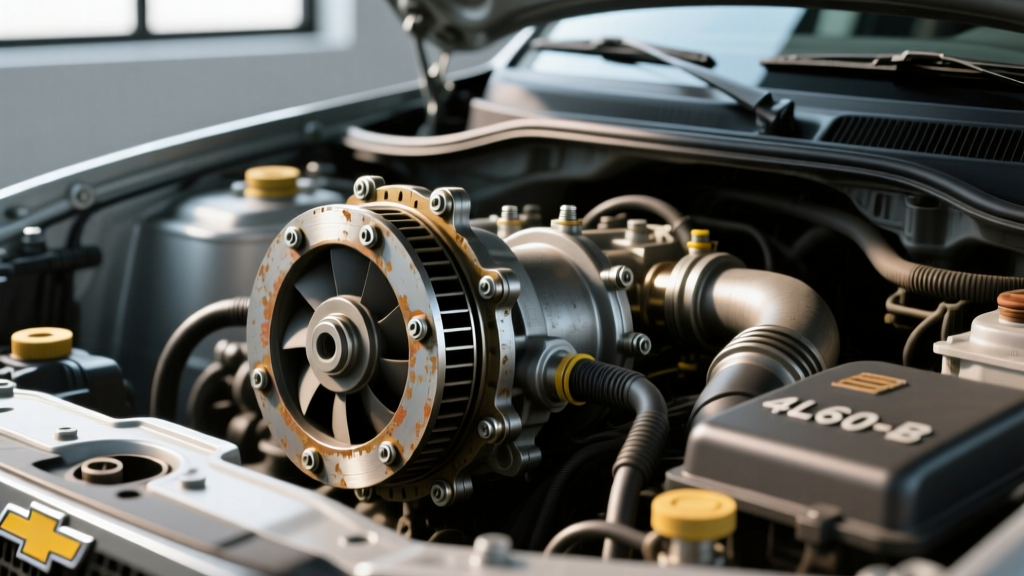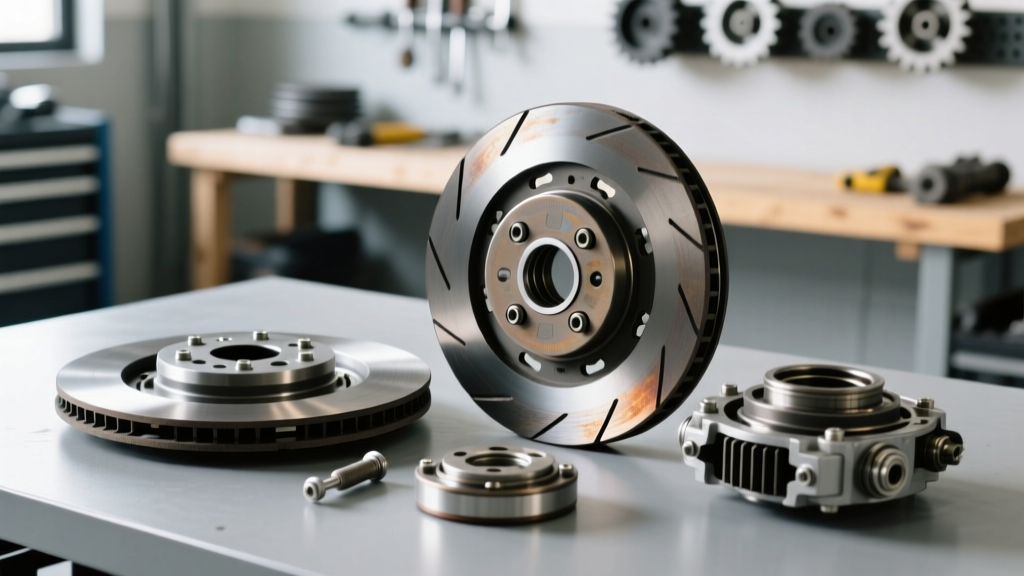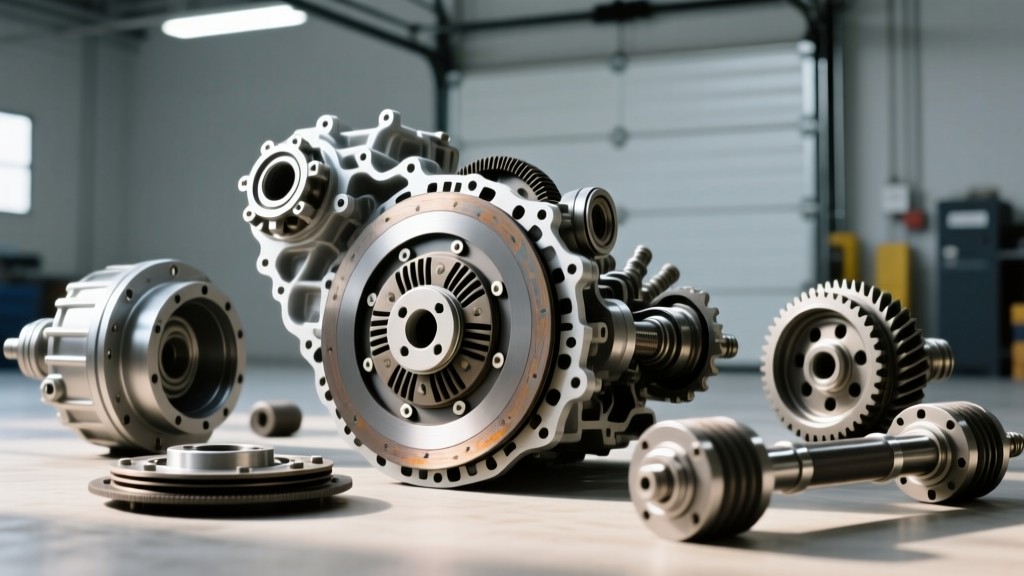
The Short Answer: Do All Cars Have Clutches?
If you are new to automotive mechanics, you might wonder: do all cars have clutches? The short answer is no, but the long answer is far more fascinating. As of 2026, the automotive landscape is more diverse than ever. Traditional manual transmissions rely on a single or dual dry friction clutch to physically disconnect the engine from the gearbox. Automatic transmissions, however, use a fluid coupling (torque converter) paired with internal wet multi-plate clutch packs to shift gears. Dual-Clutch Transmissions (DCTs) use two computerized clutches, while most modern Electric Vehicles (EVs) rely on motor inverters and single-speed reduction gears, eliminating the traditional clutch entirely (with rare exceptions like the 2-speed Porsche Taycan).
While the hardware differs, the fundamental physics of clutch engagement and disengagement remain the same. When these systems fail, the symptoms range from grinding gears to violent shuddering. This beginner-friendly guide will break down exactly how engagement faults manifest across different transmission types, backed by real-world diagnostic data, torque specifications, and repair costs.
Manual Transmissions: When Disengagement Fails
In a manual car, pressing the clutch pedal should completely sever the mechanical link between the engine's flywheel and the transmission's input shaft. If the clutch fails to disengage, the input shaft keeps spinning, causing gears to grind or the car to creep forward even when the pedal is floored.
The Hydraulic Culprits
Modern manual cars use a hydraulic system consisting of a master cylinder, a fluid line, and a Concentric Slave Cylinder (CSC). If air enters the system or the CSC blows a seal, hydraulic pressure drops. The throwout bearing cannot push the pressure plate's diaphragm fingers far enough to release the friction disc.
- Common Failing Part: FTE Master Cylinder (e.g., Part #KG15011.1.1) or internal CSC units.
- Diagnostic Step: Have a helper press the clutch while you watch the slave cylinder actuator fork. It should travel between 12mm and 18mm. Anything less indicates a hydraulic leak or air in the line.
- Repair Cost: $150–$400 for hydraulic components, plus labor. If CSC fluid leaks onto the clutch disc, a full replacement (e.g., LuK RepSet) is required, pushing costs to $1,200–$1,800.
Pressure Plate and Flywheel Specifications
If the hydraulics are healthy but disengagement is still poor, the pressure plate's diaphragm springs may have fatigued, or the flywheel may be warped. When replacing these components, adhering to exact torque specifications is critical to prevent clutch chatter upon re-engagement. For example, when installing a replacement clutch on a Ford MT-82 transmission (common in Mustangs), the M8 pressure plate bolts must be torqued to exactly 22 lb-ft in a star pattern. On GM LS engines, the flywheel-to-crankshaft bolts require 15 lb-ft plus an additional 51-degree turn. Ignoring these specs leads to uneven clamping force and immediate engagement shudder.
Automatic Transmissions: Engagement Shudder and Slip
Automatic transmissions do not have a clutch pedal, but they are packed with wet clutch packs that engage and disengage via hydraulic pressure routed by solenoid valves. When an automatic slips or slams into gear, it is experiencing an engagement fault.
Case Study: GM 6L80 / 6L90 Harsh Engagement
The GM 6L80 is a ubiquitous 6-speed automatic found in millions of trucks and SUVs. A notorious engagement issue in this unit involves the 3-5-R clutch wave plate. Over time, this thin steel plate can fracture. The resulting metal debris migrates into the valve body, clogging the solenoids that control clutch apply pressure. The result? A violent, jarring 'clunk' when shifting into Reverse or Drive.
Expert Insight: According to the Sonnax technical guide, simply replacing the transmission fluid will not fix this. The valve body must be removed, cleaned, and often upgraded with a Zip Kit to restore proper line pressure and engagement quality.
Case Study: ZF 8HP Mechatronic Leaks
The ZF 8HP (found in BMWs, Audis, and Dodge Chargers) is an engineering marvel, but it suffers from a specific disengagement/engagement fault: mechatronic adapter sleeve leaks. The plastic sleeves that route fluid from the valve body to the transmission case crack over time. This causes a drop in internal line pressure. Instead of engaging firmly, the clutch packs slip, causing an RPM 'flare' between 2nd and 3rd gear. Proper diagnosis requires a scan tool to monitor 'Adaptation Values' and checking the pan for ZF LifeguardFluid 8 leaks (total dry capacity is roughly 8.5 liters, but a pan-drop service takes about 5.5 liters).
Comparative Breakdown: Engagement Faults by Transmission Type
To help beginners identify what they are feeling, refer to this diagnostic matrix:
| Transmission Type | Primary Engagement Symptom | Common Root Cause | Avg. Repair Cost (2026) |
|---|---|---|---|
| Manual (Dry Single) | Grinding on shifts, creeping at stops | Hydraulic CSC failure, air in lines | $800 - $1,500 |
| Traditional Auto (Wet) | Harsh 'clunk' into gear, RPM flares | Fractured wave plates, solenoid clogs | $2,000 - $3,500 |
| DCT (Dual-Clutch) | Low-speed shudder, hesitation from stop | Mechatronic accumulator crack, worn dry plates | $1,500 - $4,000 |
| CVT (Continuously Variable) | Slipping on acceleration, whining noise | Start clutch wear, degraded NS-3/CVT fluid | $2,500 - $4,500 |
Dual-Clutch Transmissions (DCT): The Mechatronic Factor
DCTs, like the VW DSG (DQ250 or DQ381), operate essentially as two manual transmissions in one housing, controlled by a computer (the mechatronic unit). Because they use actual friction clutches, they are subject to physical wear, but their engagement issues are usually electronic or hydraulic.
A classic DCT engagement failure is the accumulator crack inside the mechatronic unit. The accumulator stores hydraulic pressure to actuate the clutch forks quickly. If the plastic housing cracks, pressure bleeds off. The transmission computer detects the pressure drop and triggers a disengagement fault, throwing the car into 'limp mode' to protect the clutches from burning up. For dry DCTs (like the Ford PowerShift DPS6), engagement shudder is often caused by worn dry clutch plates and failing shift drum actuators, a notorious issue that requires specialized alignment tools to recalibrate the clutch bite points via OBD2 software.
Beginner’s Diagnostic Checklist for Engagement Issues
Before throwing expensive parts at your vehicle, follow this structured diagnostic path recommended by Schaeffler Automotive and ZF Aftermarket experts:
- Check the Fluid (If Applicable): For manuals, ensure the brake/clutch fluid reservoir is full. For automatics, check the dipstick (if equipped) with the engine running and warm. Low fluid causes immediate engagement slip.
- Scan for Codes: Modern clutch faults trigger codes like P0805 (Clutch Position Sensor) or P2714 (Pressure Control Solenoid 'D' Performance). An OBD2 scanner is mandatory for automatic and DCT diagnosis.
- Perform a Stall Test (Automatics Only): With the brakes firmly applied and wheels chocked, shift into Drive and gently apply throttle. The RPM should rise to the manufacturer's stall speed (usually 1,800–2,200 RPM). If it flares to 3,000+ RPM, your internal clutch packs are severely worn or line pressure is lost.
- Inspect the Hydraulics (Manuals Only): Look for wetness around the transmission bell housing. A wet bell housing confirms a leaking slave cylinder or rear main seal.
Summary
So, do all cars have clutches? While EVs are changing the narrative, the vast majority of internal combustion vehicles rely on some form of clutch engagement to move. Whether you are dealing with a hydraulic failure in a manual car, a shattered wave plate in a GM 6L80, or a mechatronic leak in a ZF 8HP, understanding the specific mechanics of how your vehicle engages and disengages power is the first step toward an accurate, cost-effective repair. Always prioritize factory torque specs and OEM-grade fluids to ensure your drivetrain survives the next 100,000 miles.