The Diagnostic Triage: Is It the Transmission or the Engine?
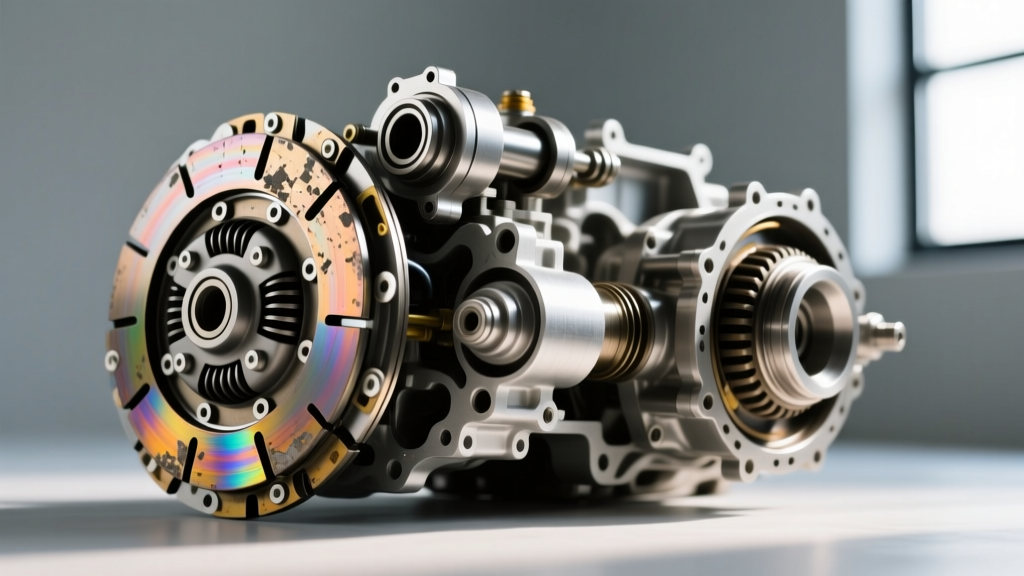
Clutch drag occurs when the friction disc fails to fully separate from the flywheel or flexplate after the clutch pedal is depressed. This incomplete disengagement causes severe gear crunching (especially when shifting into first or reverse), vehicle creep at idle, and accelerated synchronizer wear. While most technicians immediately suspect a warped pressure plate or a failing hydraulic release bearing, true diagnostic expertise requires a holistic view of the drivetrain and engine assembly. Rotational resistance from the front of the engine can perfectly mimic transmission release failure. This step-by-step guide will walk you through isolating clutch drag and release problems, including a critical parasitic drag audit that overlaps with front-end accessory services.
Step 1: Isolating Parasitic Drag (The Accessory Drive Factor)
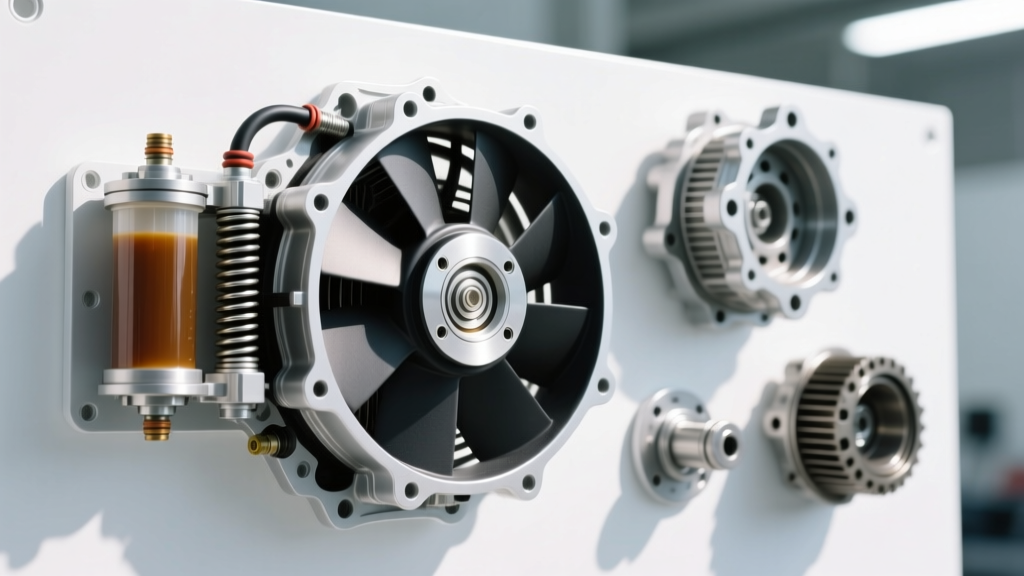
Before condemning the transmission or dropping the bellhousing, you must rule out engine parasitic drag. A failing thermal or electronic fan clutch can lock up, creating massive rotational resistance that the transmission synchronizers cannot overcome during a shift. This is a frequently overlooked variable, particularly if the vehicle has recently undergone cooling system repairs.
The Fan Clutch Installation Overlap
Many technicians overlook the accessory drive when diagnosing drivetrain issues. However, a botched fan clutch installation can directly mimic transmission clutch drag. For example, on GM LS-based V8 engines, the thermal fan clutch mounts to the water pump snout via a 32mm left-hand thread. If a mechanic uses an impact wrench without a proper counter-holding tool, or overtightens the hub beyond the recommended torque specification, it can warp the internal bimetal strip housing. According to thermal management guidelines from Hayden Automotive, warping this housing causes the silicone fluid to remain locked in the primary drive cavity.
When the fluid locks, it creates up to 15 to 20 horsepower of parasitic rotational drag on the crankshaft. When the driver depresses the clutch pedal, the engine RPM hangs and refuses to drop quickly enough to match the transmission input shaft speed. The result? Severe grinding when shifting into gear, perfectly mimicking a failed transmission release mechanism. Always verify that the accessory drive spins freely by hand (with the engine off and cold) before tearing into the clutch hydraulics.
Step 2: Auditing the Mechanical Release Assembly
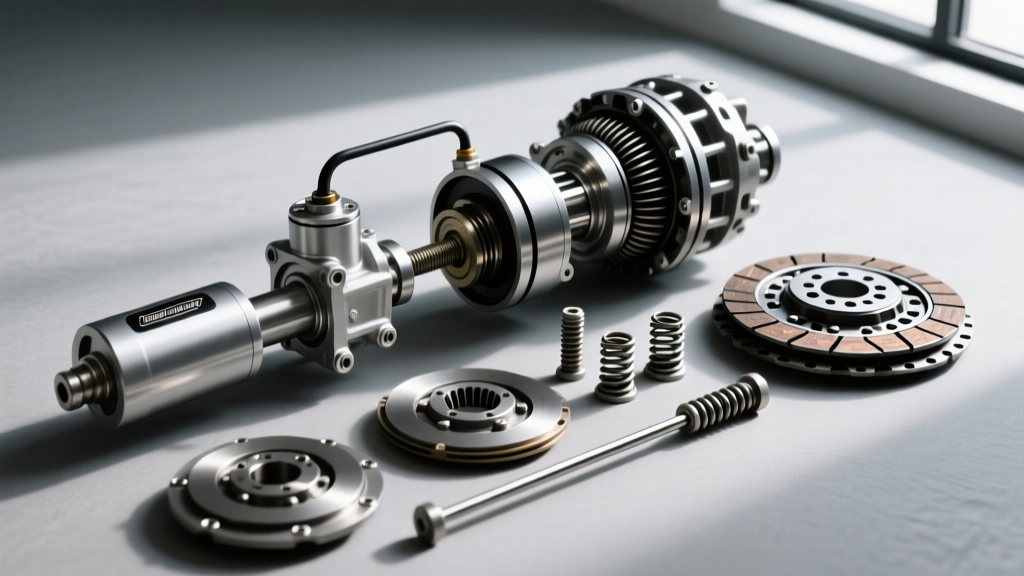
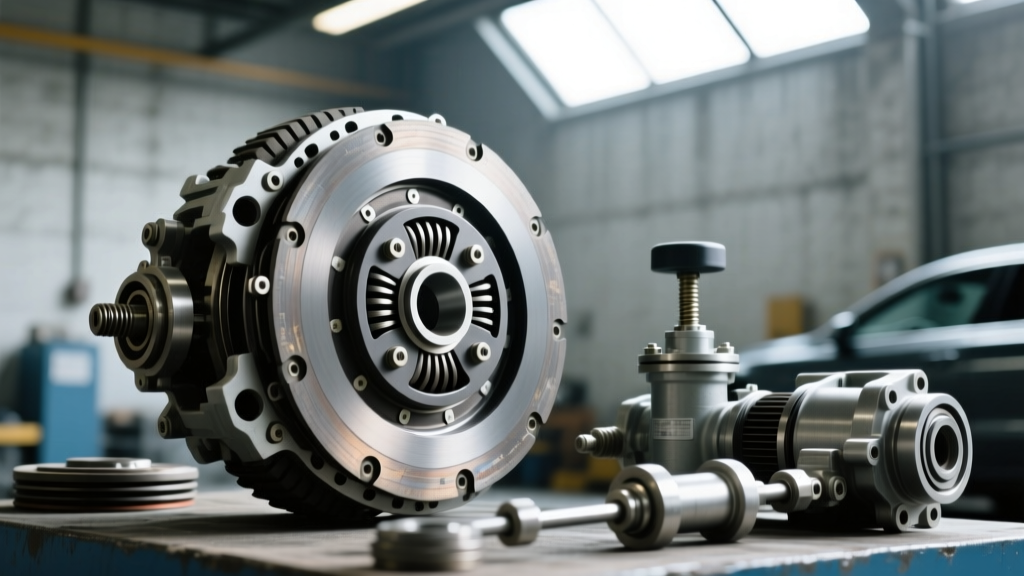
If the engine accessory drive is verified to be free-spinning, the next step is to audit the mechanical release assembly inside the bellhousing. Clutch drag here is usually caused by improper release bearing preload, worn pivot balls, or a warped clutch fork.
Pivot Ball and Fork Wear Patterns
On heavy-duty applications and performance manuals like the Tremec T56 Magnum, the clutch fork rides on a pivot ball. Over time, the spherical pivot ball wears a groove into the fork's contact pad. This wear effectively reduces the throw distance of the release bearing. Even if the hydraulic system is providing full stroke, the mechanical wear prevents the bearing from traveling the final 0.050 inches necessary to fully retract the pressure plate diaphragm fingers.
- Inspection Tip: Remove the hydraulic slave cylinder or release bearing and inspect the fork pad. If you feel a distinct ridge or groove deeper than 0.020 inches, the fork must be replaced.
- Torque Spec: When reinstalling the Tremec T56 Magnum bellhousing to the engine block, ensure the dowel pins are seated and torque the bellhousing bolts to 35-40 lb-ft. Misaligned bellhousings cause the input shaft to bind in the pilot bearing, leading to severe clutch drag.
Step 3: Hydraulic System Bleed and Fluid Dynamics
Modern manual transmissions, such as the Ford MT-82 found in the Mustang, utilize a concentric Hydraulic Release Bearing (HRB). Unlike traditional external slave cylinders, the HRB eliminates the mechanical fork but introduces new failure points for clutch drag.
Fluid Boil and Line Swelling
Clutch hydraulic systems use DOT 3 or DOT 4 brake fluid, which is highly hygroscopic (absorbs moisture). As moisture content increases, the fluid's boiling point drops drastically. In high-heat environments, the fluid can micro-boil near the exhaust tunnel, creating vapor pockets that compress under pedal pressure, resulting in an incomplete release stroke.
Furthermore, the OEM plastic hydraulic line on the 2011-2014 Ford MT-82 is notorious for internal swelling. As the line degrades, it expands under pressure rather than transferring force to the HRB. Upgrading to a braided stainless steel clutch line (Part numbers like the McLeod or Steeda braided lines, typically $60-$90) restores firm hydraulic pressure and ensures the bearing travels its full 0.600-inch stroke to eliminate drag.
Reference Chart: Pedal Freeplay and Release Bearing Clearances
Proper clutch release relies on exact clearances. Too little freeplay causes the release bearing to ride constantly on the diaphragm fingers, leading to bearing failure and clutch slip. Too much freeplay causes clutch drag because the master cylinder runs out of stroke before the bearing fully disengages the clutch.
| Transmission Model | Pedal Freeplay Spec | Bearing Clearance / Preload | Common Drag Culprit |
|---|---|---|---|
| Tremec T56 Magnum | 1/8" - 1/4" | 0.100" - 0.150" Air Gap | Worn pivot ball, thick DOT 4 fluid |
| Ford MT-82 (Mustang) | 0.5" - 1.0" | 0.050" - 0.100" HRB Preload | Swollen OEM plastic hydraulic line |
| GM TR-6060 (Camaro/CTS-V) | 1/2" approx. | 0.050" - 0.100" Air Gap | Failed concentric slave cylinder seals |
| Honda K-Series (Civic Si) | 0.8" - 1.2" | Self-Adjusting (CSC) | Air trapped in CSC, warped pressure plate |
Note: Always consult the specific Tremec or OEM service manual for your exact application, as aftermarket clutch manufacturers (like Exedy or McLeod) may require different preloads based on diaphragm spring tension.
Step 4: Addressing Pilot Bearing and Input Shaft Binding
The pilot bearing supports the tip of the transmission input shaft, keeping it perfectly aligned with the crankshaft centerline. If the pilot bearing seizes, it will physically drag the input shaft—and therefore the clutch friction disc—even when the pressure plate is fully retracted.
Sintered Bronze vs. Sealed Roller Bearings
Most OEM applications use a sintered bronze bushing or a sealed needle-roller pilot bearing. Roller bearings are highly susceptible to failure if exposed to clutch dust, water intrusion, or improper installation techniques. Driving a roller pilot bearing into the crankshaft flange using a hammer and socket can easily brinell the needle rollers, causing them to bind immediately upon startup.
- Diagnostic Test: With the transmission removed, spin the pilot bearing by hand. It should rotate smoothly with slight viscous resistance. If it feels gritty, notchy, or locks up, it must be extracted.
- Extraction Tool: Never use a slide hammer with a blind hole puller on a fragile crankshaft flange. Use a dedicated pilot bearing puller or the classic grease-and-dowel method (packing the cavity with grease and driving a tight-fitting dowel to hydraulically pop the bearing out) to prevent crankshaft damage.
- Torque Spec Reminder: When reinstalling the flywheel (e.g., GM LS applications), torque the flywheel bolts in a star pattern to 74 lb-ft, followed by an additional 90 degrees of rotation using an angle gauge to ensure proper clamping load without warping the friction surface.
Cost Breakdown: Release Components vs. Accessory Drive
Understanding the financial scope of these repairs helps in accurately quoting the customer and avoiding unnecessary transmission removal. Below is a realistic pricing guide for common replacement components related to clutch drag and parasitic engine drag (prices reflect 2026 aftermarket averages).
- OEM Hydraulic Release Bearing (Ford MT-82 CMRP-1200): $130 - $160
- Aftermarket Braided Clutch Line Kit: $65 - $95
- Exedy OEM Replacement Clutch Kit (T56): $250 - $350
- Hayden Automotive Thermal Fan Clutch (GM LS): $60 - $110
- Sintered Bronze Pilot Bearing: $12 - $25
Final Diagnostic Takeaway
Clutch drag and release problems are rarely isolated to a single component. By employing a systematic triage approach—starting with ruling out parasitic engine drag from a poor fan clutch installation, moving through hydraulic fluid dynamics, and finally auditing mechanical clearances and pilot bearings—you can accurately pinpoint the root cause. This methodology saves hours of unnecessary labor, prevents repeat transmission removals, and ensures a crisp, clean shift quality every time the pedal is depressed.