Decoding the EcoShift DCT: Architecture and Wear Dynamics
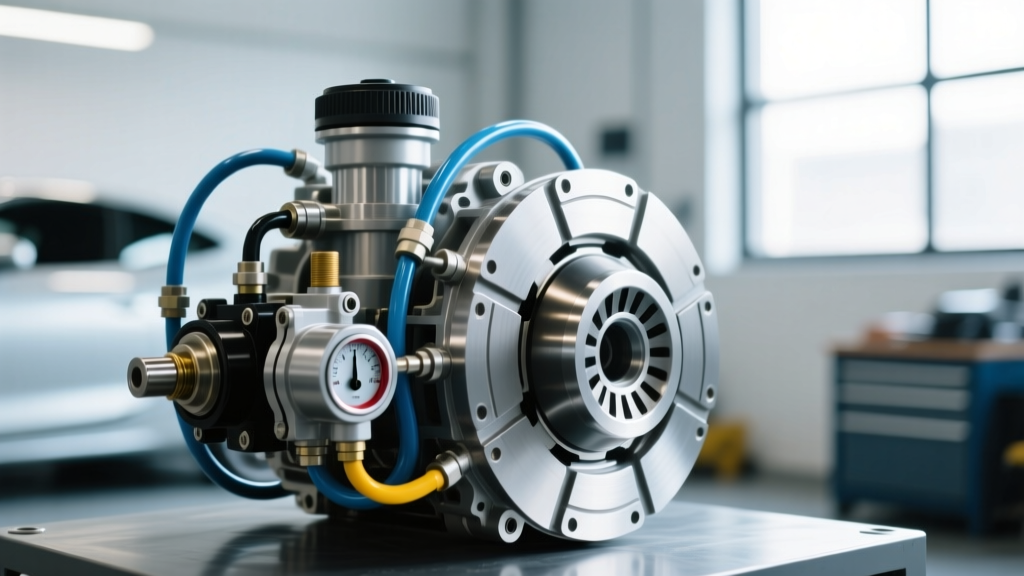
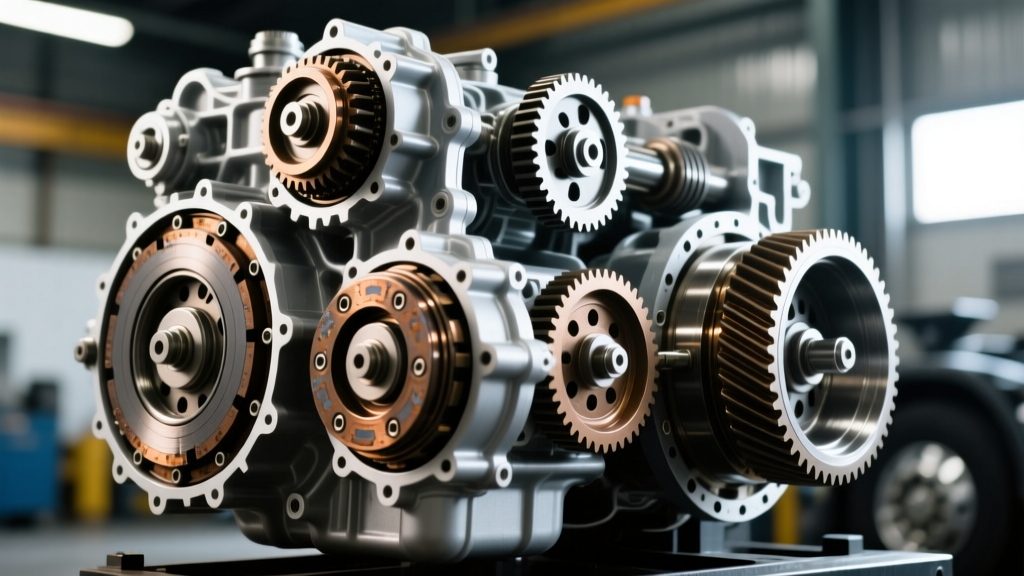
The Hyundai Veloster, particularly the first-generation (2012-2017) and the subsequent Turbo/N variants, relies heavily on Hyundai's proprietary EcoShift Dual Clutch Transmission (DCT). Unlike the wet-clutch systems found in heavy-duty applications or the hydraulically actuated VW DSG units, the Veloster's A6GF1 (6-speed) and A7GF1 (7-speed) transmissions utilize a dry-clutch architecture with electromechanical actuation. While this design yields exceptional power transfer efficiency and rapid shift times, it introduces a unique set of wear characteristics that every technician and owner must understand.
In a dry DCT, the clutch packs are not bathed in transmission fluid for cooling or lubrication. Instead, they rely on convective airflow and the thermal mass of the dual-mass flywheel (DMF) and clutch housing to dissipate heat. Consequently, the friction materials degrade differently than in traditional manual or wet-clutch automatics. Understanding the precise failure modes of the Hyundai DCT ecosystem is critical for accurate diagnostics, preventing unnecessary transmission replacements when a simple clutch pack adaptation or actuator service is all that is required.
Core Architecture: Electromechanical Actuators vs. Hydraulics
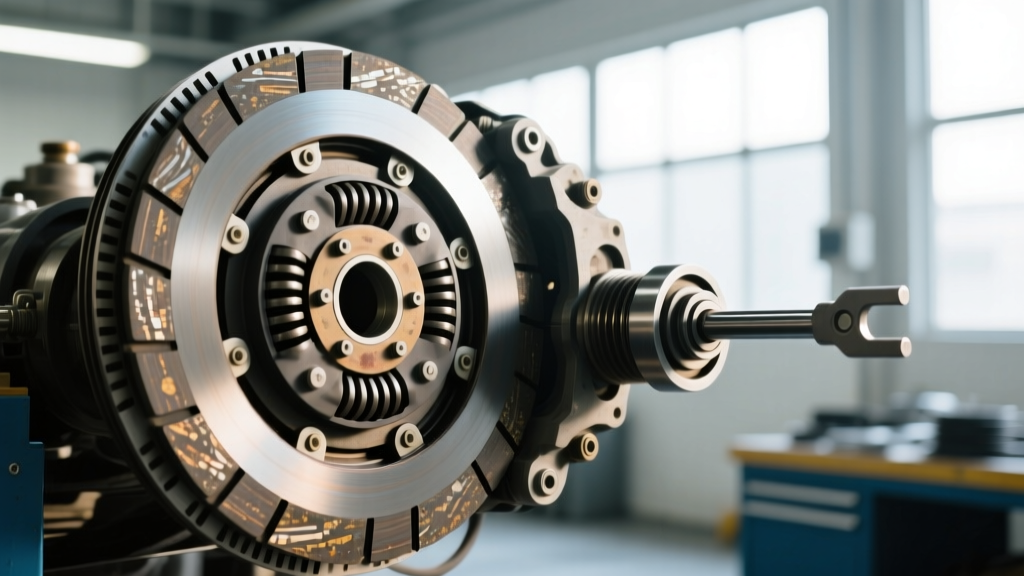
To diagnose clutch wear, you must first understand how the clutches are engaged. The Veloster DCT uses two separate electric stepper motors connected to ball-screw mechanisms. These motors physically push the clutch forks to engage the odd and even gear shafts. Because there is no hydraulic fluid to compress, engagement is instantaneous, but it also means the mechanical linkage is subjected to immense physical stress. As the clutch friction discs wear down, the actuator motors must travel a progressively longer distance (stroke) to reach the clutch 'touch point.' When this stroke exceeds the Transmission Control Module's (TCM) software limits, the system throws a fault code and enters limp mode.
5 Definitive Signs of DCT Clutch Wear
Identifying clutch degradation in the Veloster requires looking past standard manual transmission symptoms. Here are the primary indicators specific to the EcoShift dry DCT:
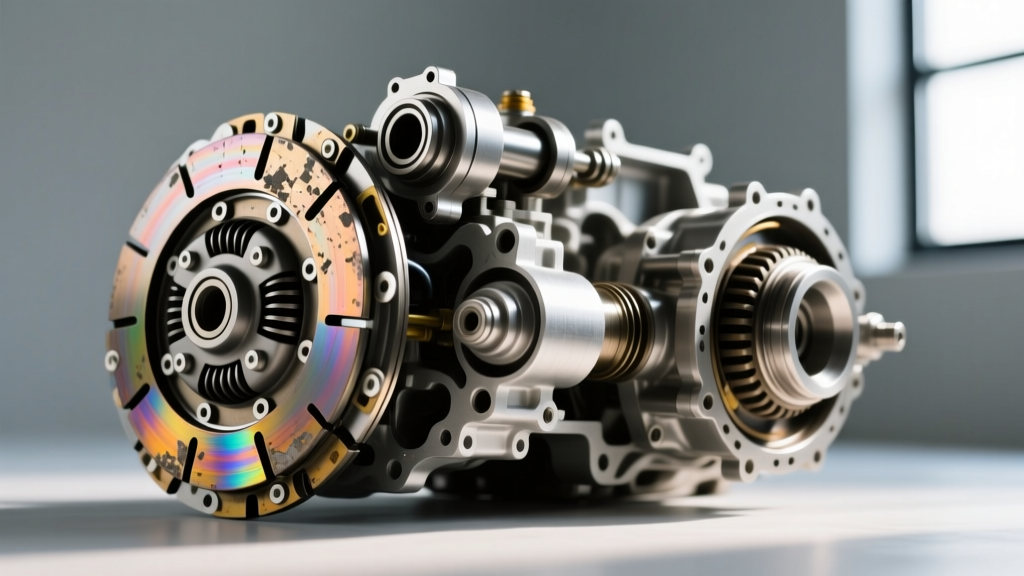
- Takeoff Shudder (The 'Kangaroo' Effect): Most prevalent when transitioning from a stop to 5-15 mph in 1st or 2nd gear. This is caused by uneven friction material wear, hot-spotting on the flywheel, or a failing dual-mass flywheel damper. The TCM struggles to modulate the clutch slip, resulting in aggressive grabbing and releasing.
- Clutch Overheat Warnings: In heavy stop-and-go traffic, the TCM intentionally slips the clutch to emulate a torque converter's creep function. Because dry clutches lack oil cooling, estimated internal temperatures can exceed 250°C (482°F). The ECU will trigger a dash warning and severely limit engine torque to prevent catastrophic friction material delamination.
- Delayed Reverse Engagement: When shifting from Park or Drive into Reverse, a hesitation of 1.5 seconds or more indicates actuator motor lag or excessive clutch pack clearance. The TCM is struggling to find the reverse clutch touch point.
- High-RPM Slip in 3rd/4th Gears: Under heavy load (such as climbing a grade), if the engine RPM flares without a corresponding increase in vehicle speed, the clamping force of the diaphragm springs has weakened, or the friction discs have glazed.
- Actuator Whining or Grinding: A distinct mechanical whine from the bellhousing area that changes pitch with engine RPM often points to worn ball-screws or binding clutch fork pivot points inside the actuator assembly, rather than the clutch pack itself.
Measuring Lifespan: OBD2 Clutch Adaptation Data
You cannot accurately diagnose a Veloster DCT by feel alone. You must interrogate the TCM using a bi-directional OBD2 scan tool capable of reading Hyundai-specific proprietary data PIDs. The most critical parameters are the Clutch Touch Point (or Clutch Stroke) values. According to NHTSA service databases and Hyundai technical bulletins, monitoring these values will tell you exactly how much life remains in the clutch packs.
| OBD2 Parameter | Normal (New Clutch) | Moderate Wear | Replacement Threshold |
|---|---|---|---|
| Clutch 1 Touch Point (Odd) | 8.0 - 9.5 mm | 9.6 - 11.0 mm | > 11.5 mm |
| Clutch 2 Touch Point (Even) | 8.0 - 9.5 mm | 9.6 - 11.0 mm | > 11.5 mm |
| Actuator Motor Current (Draw) | 4.0A - 7.5A | 7.6A - 10.0A | > 12.0A (Binding) |
| Clutch Slip Time (ms) | < 200 ms | 200 - 350 ms | > 400 ms |
Note: If your scan tool shows touch points exceeding 11.5mm, a simple TCM adaptation reset will not fix the issue. The physical friction material is depleted, and the actuator is at the end of its mechanical travel.
Dual-Mass Flywheel (DMF) vs. Clutch Pack Degradation
A common diagnostic trap is replacing the clutch pack without inspecting the Dual-Mass Flywheel. The Veloster's DMF is designed to absorb torsional vibrations from the engine's power pulses. Over time, the internal grease dries out, and the arc springs weaken. If you install a brand-new clutch pack onto a worn DMF, the takeoff shudder will persist, and the new friction material will be destroyed within 5,000 miles due to uneven clamping pressure. Always measure the DMF rotational free-play (which should not exceed 15 degrees of arc) and check for axial runout (max 0.5mm) before installing new clutch components.
Real-World Lifespan Expectancy
Unlike traditional manual transmissions that can easily exceed 150,000 miles, the dry DCT in the Veloster is highly sensitive to driving environment. For vehicles subjected to dense urban commuting with frequent hill starts, clutch pack lifespan typically ranges from 60,000 to 85,000 miles. For highway-dominant driving cycles where the clutches lock up quickly and slip rarely, lifespans of 110,000 to 130,000 miles are achievable. The 7-speed A7GF1 found in later Veloster models features slightly revised friction materials and improved thermal mapping, marginally extending city-driving lifespan.
Replacement Costs, OEM Part Numbers, and Torque Specs
When the data confirms physical wear, sourcing the correct OEM components is vital. Aftermarket DCT clutch kits often suffer from poor friction material formulation, leading to premature shudder. Below is a breakdown of the required components, approximate 2026 pricing, and critical installation specifications.
| Component | OEM Part Number (Ref) | Est. Cost (USD) | Critical Torque Spec |
|---|---|---|---|
| Clutch Pack Assembly | 43001-2E100 / 43001-2E200 | $450 - $650 | Hub Nut: 145 lb-ft |
| Clutch Actuator Assy | 43700-2E000 / 43700-2E100 | $850 - $1,200 | Mount Bolts: 18 lb-ft |
| Dual-Mass Flywheel | 43200-2E000 | $700 - $950 | Flywheel to Crank: 72 lb-ft + 90° |
| Release Bearing / Fork Kit | 43430-2E000 | $120 - $180 | Fork Pivot: 15 lb-ft |
Labor and Calibration: Expect 6 to 8 hours of book time for removal, replacement, and calibration. Labor costs will add $900 to $1,400 to the final bill. Crucially, after physical installation, the technician must perform a 'Clutch Touch Point Learning' procedure via the scan tool. This forces the TCM to physically map the new engagement points of the clutch packs. Skipping this step will result in immediate bucking and potential damage to the new actuators.
Expert Verdict: Maintenance and Prevention
The Hyundai Veloster dual clutch transmission is a marvel of efficiency when operating within its design parameters, but it is unforgiving of abuse. To maximize lifespan, avoid 'creeping' forward in traffic by keeping a larger gap and engaging the throttle decisively to lock the clutch quickly, rather than riding the slip point. If you experience the telltale shudder or overheat warnings, immediately pull OBD2 adaptation data. Catching a worn clutch pack before it grenades the dual-mass flywheel or strips the actuator ball-screws will save you thousands of dollars in secondary drivetrain damage.