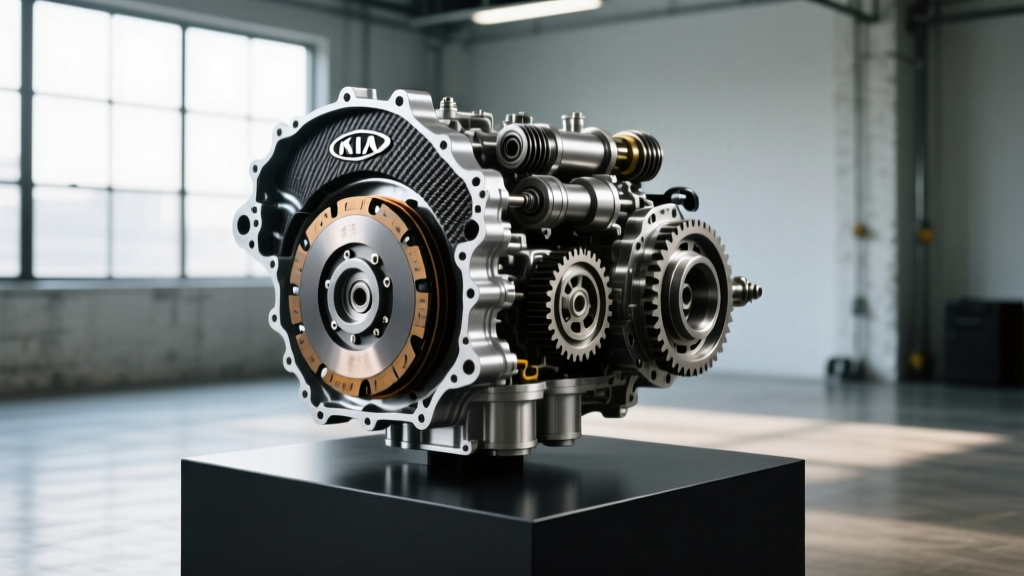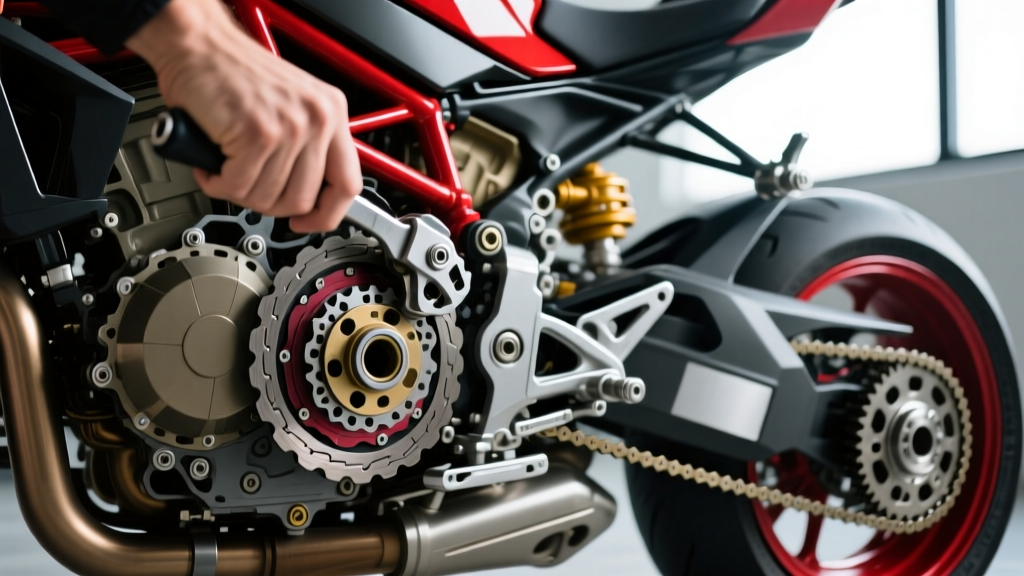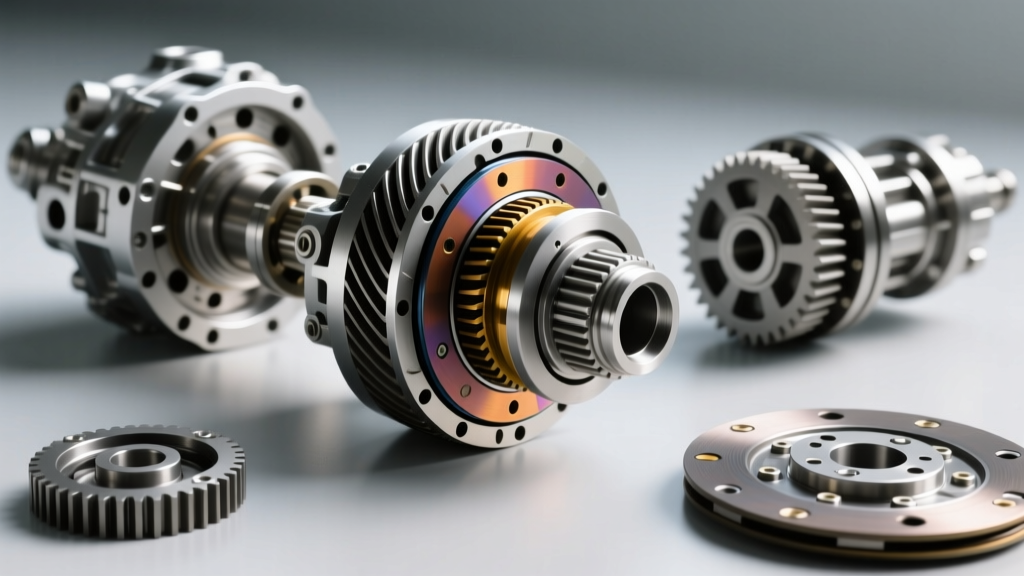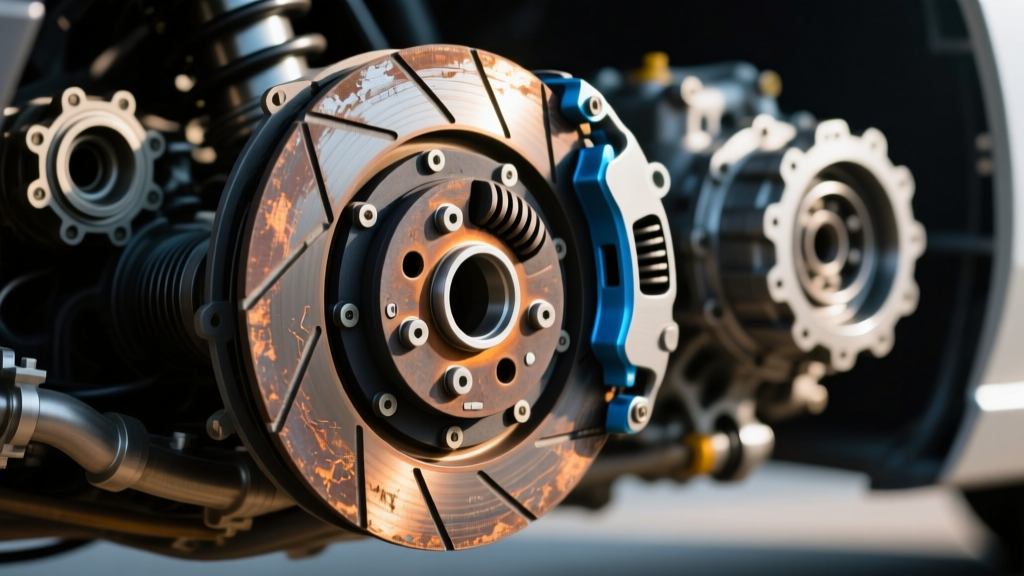
When drivers search for the symptoms of clutch going out, the most alarming and unmistakable indicator is often a distinct, acrid burning smell emanating from the transmission tunnel or undercarriage. Unlike the sweet scent of leaking coolant or the sharp tang of hot brake pads, a burning clutch produces a highly specific odor that signals immediate thermal degradation of the friction material. Ignoring this symptom inevitably leads to total friction disc disintegration, flywheel scoring, and catastrophic drivetrain failure.
In this comprehensive diagnostic guide, we break down the exact chemistry behind the burning smell, differentiate it from other vehicular odors, and provide master-level troubleshooting steps to identify the root cause—whether it is driver-induced, hydraulic, or mechanical.
The Chemistry of a Burning Clutch
To accurately diagnose the issue, you must understand what is actually burning. Standard organic clutch discs are manufactured using a composite of fiberglass, Kevlar, carbon, and ceramic fibers, all bound together by phenolic resin. According to friction material research published by SAE International, organic friction materials begin to experience severe thermal fade and resin breakdown at temperatures exceeding 400°F (204°C).
When the clutch slips excessively, kinetic energy is converted into intense surface heat. Once the threshold is crossed, the phenolic resin binder literally vaporizes and burns, releasing the signature 'burnt toast' or harsh chemical smoke that enters the cabin through the HVAC system or floorpan gaps.
Odor Profiling: Clutch vs. Other Burning Components
Before tearing into the bellhousing, verify the source of the smell using this diagnostic matrix:
| Component | Odor Profile | Typical Trigger Scenario |
|---|---|---|
| Clutch Friction Disc | Burnt toast, harsh phenolic resin, acrid smoke | Slipping on hills, riding the pedal, towing over capacity |
| Brake Pads/Rotors | Sharp metallic, sulfurous, dusty acrid smell | Aggressive track driving, dragging parking brake, seized caliper |
| Automatic Trans Fluid (ATF) | Sweet, burnt marshmallow or caramel | Slipping torque converter, low fluid, failed clutch packs inside trans |
| Engine Coolant | Sweet maple syrup | Blown head gasket, leaking heater core, cracked reservoir |
Hidden Culprits: Why Your Clutch is Overheating
While 'riding the clutch' is the most common cause of overheating, several mechanical and hydraulic failures can cause the clutch to slip and burn without any driver error.
1. Concentric Slave Cylinder (CSC) & Hydraulic Lock
Modern manual transmissions utilize a hydraulic Concentric Slave Cylinder. If the clutch master cylinder (CMC) pushrod lacks the required 0.040-inch to 0.080-inch free-play, or if the hydraulic return line is restricted, the CSC remains partially pressurized. This prevents the pressure plate's diaphragm springs from fully clamping the friction disc against the flywheel. The result is continuous micro-slip, generating massive heat even during normal highway cruising.
2. Dual-Mass Flywheel (DMF) Spring Failure
Vehicles equipped with DMFs (common in European diesels and modern performance cars) rely on internal arc springs to dampen torsional vibrations. As detailed in diagnostic bulletins from Schaeffler Aftermarket (LuK), when these internal springs fatigue or break, the flywheel loses its damping capability. This causes severe chatter and localized hot-spotting on the friction disc, leading to a burning smell and premature glazing, independent of driver habits.
3. Oil Contamination (Rear Main Seal Failure)
If the engine's rear main seal or the transmission input shaft seal leaks, engine oil or gear oil saturates the porous organic friction material. Oil lowers the coefficient of friction drastically. The ECU (in drive-by-wire setups) or the driver will compensate by slipping the clutch to maintain momentum, rapidly overheating the oil-soaked disc and creating a thick, foul-smelling white smoke.
Accompanying Symptoms of Clutch Going Out
A burning smell rarely occurs in isolation. If the friction material is burning, you will likely experience a combination of the following secondary symptoms:
- High RPM / Low Speed (Slipping): Under heavy throttle in 3rd or 4th gear, engine RPMs surge without a proportional increase in vehicle speed.
- Pedal Feel Changes: A spongy pedal indicates hydraulic air or fluid boil from excessive bellhousing heat transferring to the CSC. Conversely, a 'grabby' or chattering pedal indicates the flywheel surface has glazed or warped from thermal shock.
- Loss of Friction Zone: The clutch engagement point moves all the way to the top of the pedal travel, indicating the friction material has worn down to the rivets or the pressure plate fingers are fatigued.
Master-Level Diagnostic Procedure
Before recommending a full teardown, perform these non-invasive tests to confirm the diagnosis.
The 3rd-Gear Stall Test
Find a safe, open area. Bring the vehicle to a stop, engage the parking brake fully, and shift into 3rd gear. Slowly release the clutch pedal while applying moderate throttle (around 1,500 - 2,000 RPM).
Expert Insight: A healthy clutch will immediately stall the engine. If the engine continues to run and you smell burning resin, the clutch is critically worn or the pressure plate clamping force has failed. Note: Do not perform this test for more than 3-5 seconds, or you will intentionally destroy a marginal clutch.
Measuring Flywheel Runout & Hot-Spotting
Once the transmission is removed, inspect the flywheel. Thermal abuse causes 'hot spots'—bluish-black discolorations on the machined steel surface. Use a dial indicator to measure flywheel runout. Most OEM specifications (such as GM and Ford) mandate a maximum runout of 0.004 inches (0.10mm). If the runout exceeds this, or if deep thermal cracks are present, the flywheel must be replaced or resurfaced; otherwise, the new clutch will chatter and burn within 1,000 miles.
Critical Torque Specs & Installation Data
Improper installation is a leading cause of repeat clutch failure and burning. When installing a replacement kit (such as those from Exedy Globalparts), adhere strictly to these parameters:
| Component | Common Specification (e.g., GM LS / Ford Coyote) | Notes & Best Practices |
|---|---|---|
| Flywheel to Crankshaft | LS: 15 lb-ft + 50° turn Coyote: 59 lb-ft | Always use new TTY (Torque-To-Yield) bolts. Apply high-temp thread locker (e.g., Loctite 243). |
| Pressure Plate to Flywheel | 25 - 35 lb-ft | Tighten in a strict crisscross/star pattern to prevent warping the stamped steel cover. |
| Bellhousing to Block | 35 - 50 lb-ft | Verify bellhousing concentricity with a dial indicator. Misalignment destroys input shaft bearings. |
2026 Repair Costs & Material Selection Guide
Choosing the right friction material is vital to preventing future overheating. Upgrading to a ceramic or sintered iron disc raises the thermal threshold, but comes at the cost of daily drivability and flywheel wear.
| Friction Material | Best Application | Thermal Limit | Est. 2026 Repair Cost (Parts + Labor) |
|---|---|---|---|
| Organic (OEM Style) | Daily driving, commuting, light towing | ~400°F | $900 - $1,400 |
| Kevlar / Ceramic | Heavy towing, off-road, track days | ~600°F | $1,500 - $2,400 |
| Sintered Iron | Purpose-built race cars, drag racing | 800°F+ | $2,800+ (Requires aggressive flywheel) |
Final Diagnostic Takeaways
A clutch burning smell is an urgent mechanical distress signal. By accurately profiling the odor, checking the hydraulic free-play, and testing for DMF failure, you can pinpoint the exact cause of the overheating. Never simply replace the friction disc without addressing the root cause—whether that means flushing the hydraulic system, replacing a leaking rear main seal, or upgrading to a high-temp ceramic clutch kit for your specific driving demands.