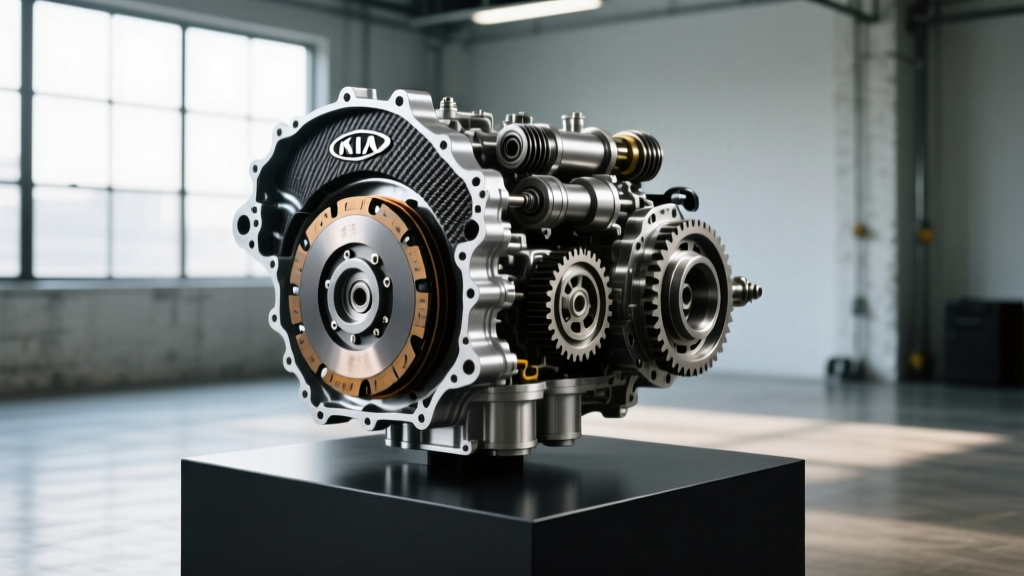
If you drive a modern Kia equipped with an automated manual gearbox, you might have experienced a jarring shudder at stoplights or a frustrating delay when pulling into traffic. As of the 2026 model year, the Kia dual clutch transmission (DCT) remains a marvel of engineering, offering lightning-fast shifts and high fuel efficiency. However, when clutch engagement and disengagement systems fail, the driving experience can quickly degrade from sporty to stressful.
This beginner-friendly guide breaks down exactly how Kia DCTs operate, why engagement issues occur, and how to diagnose them using real-world technical data, part numbers, and diagnostic steps.
The Beginner's Analogy: How a Kia DCT Actually Works
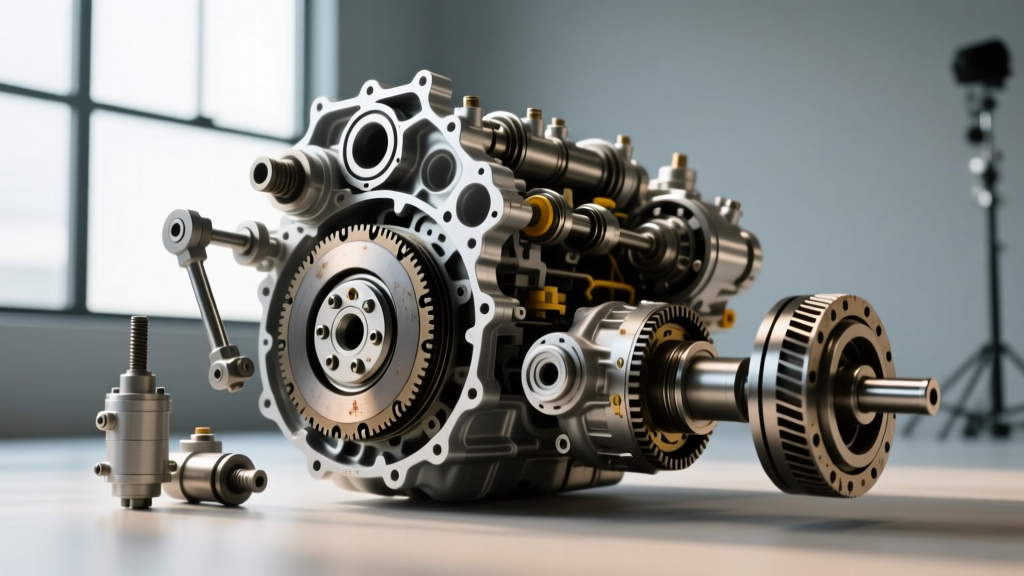
Think of a dual clutch transmission as two separate manual transmissions housed inside one single metal case, operated by a pair of robotic feet. One 'foot' (clutch pack) controls the odd gears (1, 3, 5, 7), while the other controls the even gears (2, 4, 6, Reverse). When you are stopped at a red light in first gear, the robot foot for the odd gears is pressed down (engaged), while the even-gear foot is hovering, pre-selecting second gear.
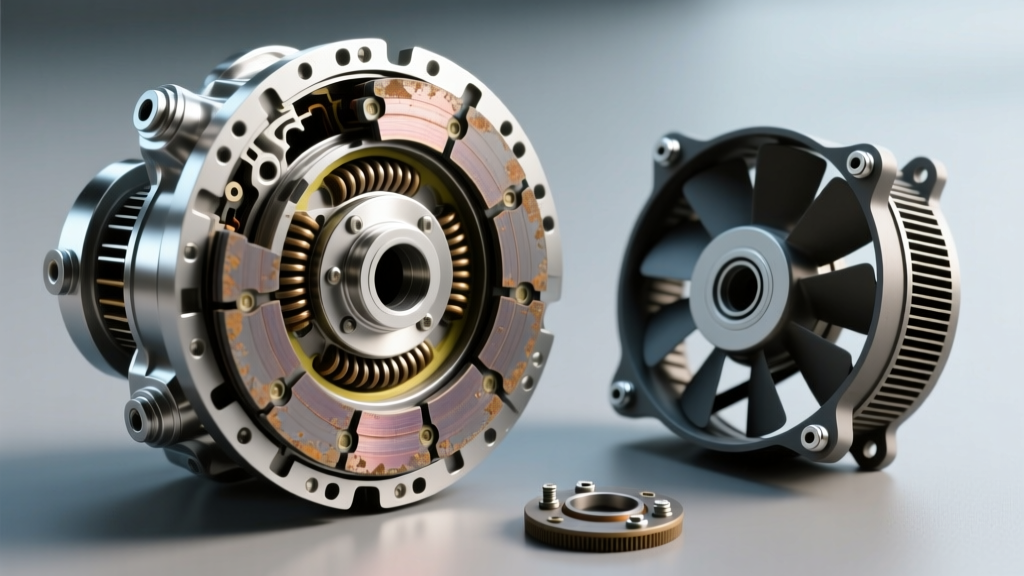
Engagement and disengagement issues happen when those 'robot feet'—technically called clutch actuators—fail to push the clutch forks with the correct speed or pressure, or when the friction material on the clutch packs becomes warped or glazed.
Kia DCT Transmission Quick-Reference Chart
Before diagnosing a problem, you must identify which transmission is under your Kia. The engagement mechanics differ vastly between dry and wet clutch systems.
| Kia Model (Typical Years) | Trans Code | Clutch Type | Common Engagement Fault | Fluid / Spec |
|---|---|---|---|---|
| Forte 1.6T / Seltos 1.6T | D7UF1 | Dry (7-Speed) | Low-speed shudder, actuator motor burnout | HK SYNTH MT 75W-85 (Gear oil only) |
| Sportage 2.5T / Sorento | D8LF1 | Wet (8-Speed) | High-RPM slip, delayed engagement when cold | Genuine DCTF-1 (Approx. 4.5L capacity) |
3 Common Symptoms of DCT Engagement Failure
1. The 'Kia Shudder' (Low-Speed Judder)
Shudder feels like driving over rumble strips when taking off from a dead stop, usually between 5 and 15 MPH. In dry clutch models like the D7UF1, this is caused by uneven friction material wear, hot-spotting on the dual mass flywheel (DMF), or the Transmission Control Unit (TCU) struggling to find the correct 'touch point' (the exact millimeter where the clutch begins to transfer torque).
2. Hesitation and 'Rubber-Banding' at Stoplights
You press the gas pedal, the engine RPMs flare up, but the car doesn't move for a full second before suddenly lunging forward. This delayed engagement is often a symptom of a failing clutch actuator motor. The internal plastic gears of the actuator strip, or the motor itself draws excessive amperage due to internal shorts, causing the TCU to delay power delivery to protect the circuit.
3. Disengagement Clunks and Gear Hunting
When lifting off the throttle or coming to a stop, you hear a metallic 'clunk' and feel the drivetrain jerk. This indicates that the clutch is failing to disengage cleanly (clutch drag). The TCU senses the drag, rapidly opens and closes the actuator to compensate, resulting in gear hunting and harsh mechanical impacts.
Step-by-Step Diagnosis for the DIYer and Beginner
Diagnosing a Kia dual clutch transmission requires moving beyond standard OBD2 code readers. You need to look at live data and physical clearances.
Step 1: Scan for TCU Adaption Data (The Touch Point)
Using a bi-directional scanner capable of reading Kia/Hyundai specific modules (like the Kia KDS or an advanced aftermarket tool like an Autel MaxiSys), navigate to the TCU live data stream. Look for the PIDs labeled Clutch 1 Touch Point and Clutch 2 Touch Point.
- Normal Operation: The touch point (measured in actuator motor steps or RPM) should remain relatively stable over thousands of miles.
- Failure State: If the touch point varies wildly, or if the scanner shows a 'Clutch Adaption Limit Reached' error, the physical clutch pack is worn beyond the software's ability to compensate. A clutch replacement is mandatory.
Step 2: Measure the Actuator Pushrod Clearance
If you suspect a failing actuator motor (Part Number 43150-2E200 or similar depending on exact VIN), you must check the physical pushrod gap. Over time, the clutch fingers wear down, changing the distance the actuator rod must travel.
- Remove the air intake ducting to access the top of the transmission bellhousing.
- Locate the two black cylindrical actuator motors.
- Using a feeler gauge, measure the gap between the actuator pushrod and the clutch fork pivot ball.
- The Spec: Kia typically specifies a clearance between 0.8mm and 1.2mm. If the gap is larger than 1.5mm, the actuator is over-extending, leading to delayed engagement and motor burnout.
Step 3: Fluid Condition Check (Wet DCTs Only)
For 8-speed wet DCTs (D8LF1), the clutches are bathed in fluid. If the vehicle is shuddering, check the DCTF-1 fluid. Unlike standard automatic transmission fluid, DCTF-1 is highly specialized to manage both gear lubrication and clutch friction. If the fluid smells burnt or contains excessive metallic clutch material on the drain plug magnet, the wet clutch packs are delaminating.
Repair Costs and Crucial Torque Specifications
Addressing engagement issues is not always a $4,000 transmission replacement. Here is a realistic breakdown of 2026 market repair costs and the vital specs required if you attempt the repair yourself.
- Actuator Motor Replacement: $600 - $950. (Part: ~$350, Labor: 2.5 hours). Requires a TCU 'Clutch Adaption Relearn' via scanner post-installation.
- Full Clutch Pack & DMF Replacement: $2,200 - $3,800. Requires dropping the subframe and transmission.
- Software Update / TSB Flash: $150 - $250. Many early engagement shudders were addressed by Kia via TCU software updates that alter the clutch engagement ramp rate. Always check the NHTSA Recall Database or Kia's service portal for open TSBs before buying hard parts.
Critical Torque Specs for Reassembly
If you are replacing the clutch pack and Dual Mass Flywheel (DMF), precision is non-negotiable. An improperly torqued flywheel will warp under load, instantly recreating the engagement shudder.
- Flywheel to Crankshaft Bolts (M10): 72 lb-ft (98 Nm) + 90-degree turn. (Always use new stretch bolts).
- Clutch Pressure Plate to Flywheel (M8): 18 lb-ft (25 Nm) in a crisscross star pattern.
- Actuator Mounting Bolts: 15 lb-ft (20 Nm). Do not overtighten, as the actuator housing is made of lightweight cast aluminum and cracks easily.
Preventing Future Engagement Issues
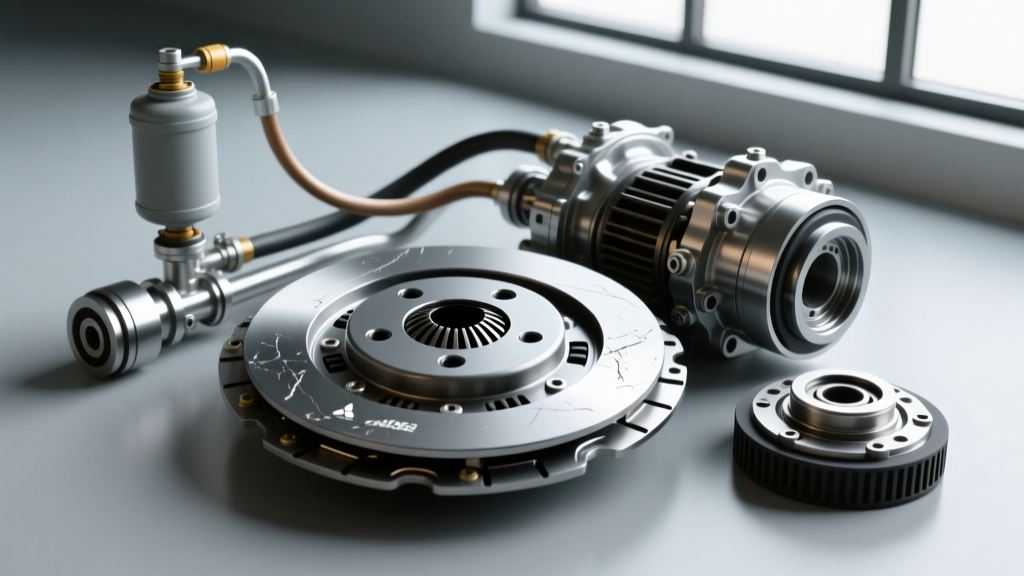
The most common cause of premature DCT failure is driver habit. 'Creeping' in heavy traffic by hovering your foot on the brake while applying light throttle keeps the dry clutch in a constant state of partial engagement (slipping). This generates immense heat, glazing the friction surfaces and warping the steel separator plates.
Expert Tip: In stop-and-go traffic, leave a larger gap between you and the car ahead. Wait for them to move, then release the brake fully and apply the gas decisively. This forces the Kia dual clutch transmission to engage fully and quickly, eliminating the slip-heat cycle that destroys clutch packs. For more on proper DCT driving techniques, refer to the Kia Owner's Portal digital manuals.
By understanding the mechanical realities of your Kia's DCT, monitoring TCU touch-point data, and respecting the physical limits of dry clutch friction materials, you can accurately diagnose engagement issues and avoid unnecessary, expensive transmission replacements.