The Anatomy of the Detroit Serie 60 Cooling Drive
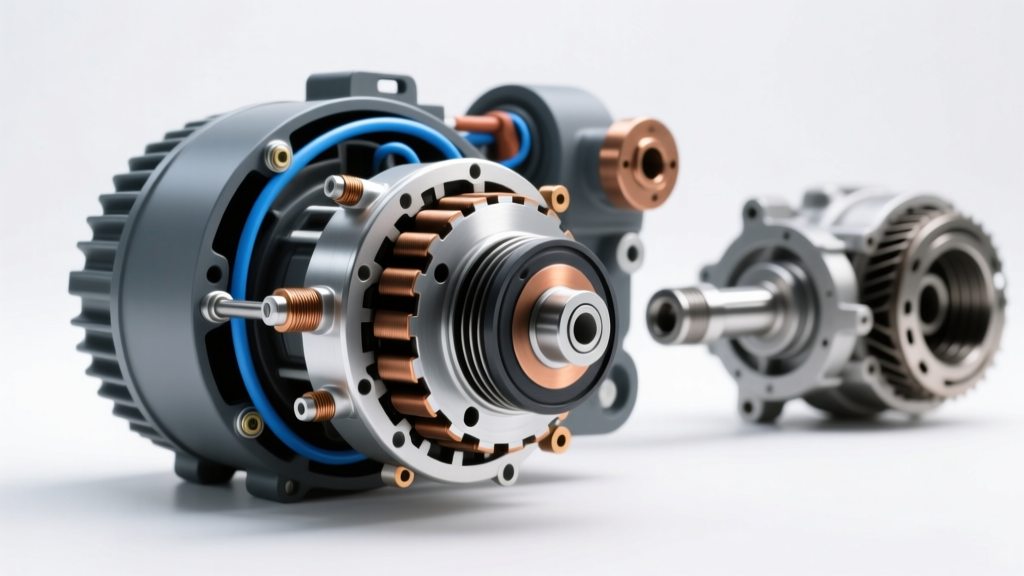
When automotive enthusiasts and technicians hear the term 'clutch slipping,' their minds immediately jump to manual transmission friction discs or automatic torque converter lockup clutches. However, in the heavy-duty Class 8 trucking sector, one of the most critical and frequently misdiagnosed 'slipping' failures occurs at the very front of the engine block: the fan clutch. The legendary Detroit Diesel Series 60 (encompassing both the 12.7L and 14.0L architectures) relies on a robust front gear train to drive the fan hub. Because a fully locked heavy-duty fan blade can consume upwards of 40 to 60 horsepower at 2,100 RPM, the fan clutch is essentially a massive, air-actuated or viscous torque converter. When this component fails to transfer torque effectively, it 'slips,' leading to catastrophic thermal management failures.
As we navigate the 2026 heavy-duty maintenance landscape, understanding the precise failure modes of pneumatic friction clutches (like the ubiquitous Horton HTS series) and viscous thermal drives is essential for any diesel technician. This preventive maintenance guide will walk you through the exact symptoms, diagnostic workflows, and torque specifications required to identify and rectify a slipping fan clutch on a Detroit Serie 60.
Redefining 'Slipping' in Heavy-Duty Fan Clutches
To diagnose the issue accurately, we must define what 'slipping' means in the context of a DD60 fan clutch. Unlike a transmission clutch that slips due to improper pedal free-play or worn friction material against a flywheel, a fan clutch slips in two distinct ways depending on its design:
1. Pneumatic Friction Clutch Slip (Horton / Kysor)
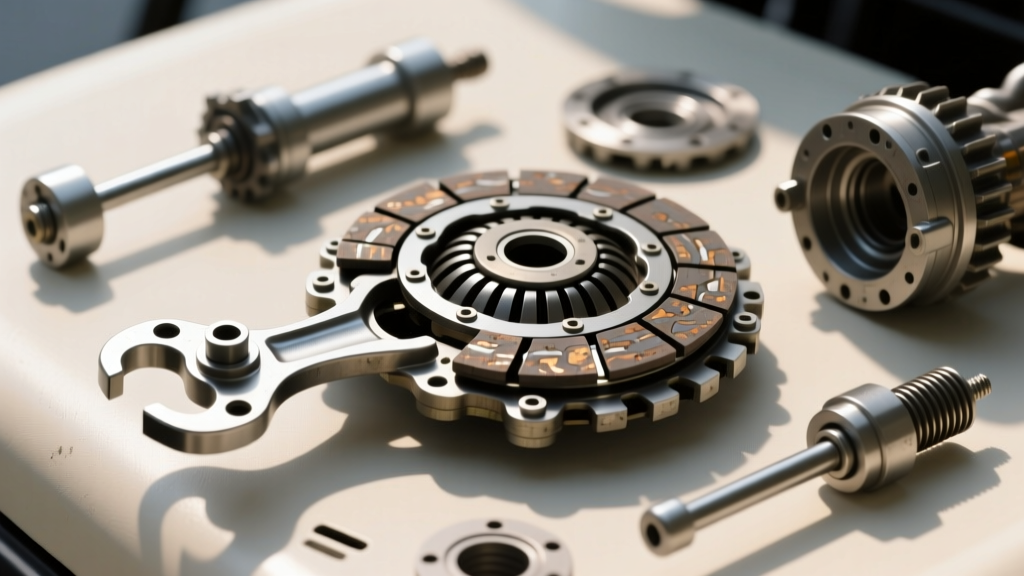
Most over-the-road trucks equipped with the Detroit Serie 60 utilize an air-actuated, on/off friction fan clutch. When the engine control module (ECM) requests cooling, it grounds the air solenoid, sending 90-120 PSI of shop air into the clutch actuator. This engages a spring mechanism that clamps a friction liner against the drive pulley face. Slipping occurs when the friction liner wears beyond its service limit, or when air pressure drops, preventing full lockup. The pulley spins, but the fan blade lags behind under heavy aerodynamic load.
2. Viscous Fluid Shear (Thermal Drives)
On vocational or older highway DD60 applications using a viscous thermal fan clutch, 'slipping' refers to the degradation of the internal silicone fluid. Over hundreds of thousands of miles, the high-molecular-weight silicone shears down, losing its viscosity. When the thermal bimetallic coil opens the valve to transfer fluid into the working chamber, the degraded fluid simply shears across the rotor, failing to pull the fan up to engine RPM.
4 Definitive Symptoms of a Slipping DD60 Fan Clutch
Identifying a slipping fan clutch early can save a fleet thousands of dollars in prevented engine overhauls and blown head gaskets. Watch for these specific indicators:
- Load-Based Overheating (The 'Grade Test'): The engine idles perfectly and maintains 185°F on flat highway cruising. However, when pulling a 6% grade at gross vehicle weight (80,000 lbs), coolant temperatures rapidly climb past 215°F. This indicates the clutch cannot maintain lockup under the high-torque aerodynamic resistance of the fan blade.
- Missing the Acoustic 'Roar': A fully engaged DD60 fan clutch pulling 50 HP generates a distinct, deafening roar. If you command the clutch on via a diagnostic scan tool while the engine is at 1,500 RPM and the engine note barely changes, the clutch is slipping or failing to engage entirely.
- A/C Head Pressure Spikes: The DD60 ECM monitors A/C refrigerant pressure. If the fan clutch slips, condenser airflow drops, causing head pressures to spike. This often triggers the binary pressure switch, resulting in the A/C compressor cycling off rapidly in stop-and-go traffic.
- ECM Derate Codes (SPN 110): The Detroit DDEC or MCM ECM will log SPN 110 FMI 18 (Engine Coolant Temperature - Data Valid but Above Normal). If this code consistently appears only under high-load, low-ambient-airflow conditions, the mechanical cooling drive is the primary suspect.
Advanced Diagnostic Workflow
Do not immediately condemn the fan clutch assembly. Follow this systematic diagnostic procedure to isolate the slipping component.
Step 1: The Cold Start Spin Test
With the engine cold and off, attempt to spin the fan blade by hand. A pneumatic friction clutch should spin with moderate resistance (due to the internal return spring and slight friction drag). If it spins with zero resistance like a free-wheeling bicycle hub, the internal bearings may be seized, or the friction face is completely separated. Conversely, if it will not spin at all, the clutch is locked on, which points to an internal air seal failure, not a slipping condition.
Step 2: Pneumatic Bypass and Actuator Verification
Locate the air line feeding the fan clutch at the front cover. Disconnect it and attach a regulated shop air line set to 110 PSI. Start the engine and bring it to 1,500 RPM. Command the air on and off. If the clutch engages sharply and holds RPM without slipping under this direct air supply, the clutch itself is mechanically sound, and your 'slipping' symptom is actually a loss of air pressure from a chafed supply line, a failing solenoid, or a faulty ECM ground circuit.
Step 3: Friction Material and Air Gap Measurement
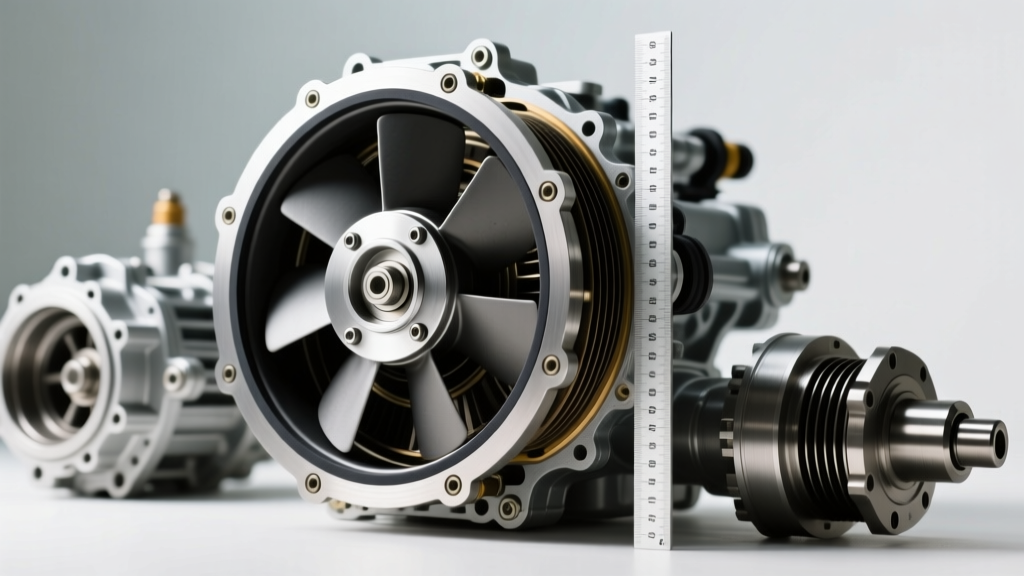
If the clutch receives adequate air pressure but still slips under load, the friction liner is worn. Using a feeler gauge, measure the air gap between the friction disc and the pulley face when the clutch is disengaged. Compare this to the manufacturer's wear limits.
Critical Torque and Measurement Specifications
Precision is mandatory when servicing the front gear train and cooling drives of the Detroit Serie 60. Use the following reference chart during your diagnostic and preventive maintenance routines:
| Parameter | DD60 Specification | Action if Out of Spec |
|---|---|---|
| Friction Liner Air Gap (Horton HTS) | 0.060' - 0.090' | Replace clutch assembly if gap exceeds 0.120' |
| Actuator Air Pressure | 90 - 120 PSI | Inspect air solenoid, gladhand seals, and lines |
| Serpentine Belt Tension | 110 - 130 lbs | Replace automatic tensioner; check pulley alignment |
| Fan Hub Mounting Bolts (to Pulley) | 45 - 55 lb-ft | Retorque using Loctite 243; replace if stretched |
| Viscous Fluid Shear Test | N/A (Replacement Interval) | Replace viscous unit every 400,000 miles or 5 years |
Note: Always refer to the specific service manual for your exact engine serial number, as front gear train hardware transitioned slightly between the early DDEC III and later DDEC VI / MCM architectures. For official torque sequences, consult Demand Detroit or authorized dealer portals.
Preventive Maintenance: Extending Fan Clutch Life
A slipping fan clutch is rarely a sudden, unpredictable failure. It is usually the result of deferred preventive maintenance. Implement these protocols in your fleet or personal rig:
- Air System Filtration: The pneumatic solenoid that controls the fan clutch is highly sensitive to moisture and oil carryover from the air compressor. Ensure your secondary air tank is drained regularly and the air dryer desiccant is replaced annually. Contaminated air swells the internal O-rings of the fan clutch actuator, causing micro-leaks that result in partial engagement and severe slipping under load.
- Belt and Tensioner Synergy: A slipping serpentine belt perfectly mimics a slipping fan clutch. The DD60 uses a heavy-duty automatic belt tensioner. If the tensioner indicator mark is outside the green band, or if the pulley bearing exhibits radial play, the belt will slip across the fan pulley, generating glazing and heat. Replace the belt and tensioner as a matched set every 300,000 miles.
- Thermal Switch Cleaning: If your application utilizes a standalone thermal switch mounted in the radiator shroud to trigger the air solenoid, blow it out with compressed air monthly. Road grime and bug carcasses act as an insulator, delaying the engagement signal and forcing the clutch to slip in a partially engaged state while the engine soaks in heat.
Expert Insight: Never use an impact wrench to remove or install the fan clutch assembly on the DD60 front hub. The sudden torsional shock can fracture the internal friction disc carrier or damage the precision bearings of the fan drive hub. Always use a strap wrench and a calibrated torque wrench set to the 45-55 lb-ft specification for the mounting hardware.
Sourcing and Replacement Economics
When diagnosis confirms internal friction wear or viscous shear, replacement is the only viable option; rebuilding heavy-duty fan clutches in the field is not recommended due to the specialized presses and balancing equipment required.
As of 2026, a premium OEM-equivalent replacement (such as a Horton HTS series or Kysor K100 series) for a Detroit Serie 60 typically ranges between $550 and $850 depending on the exact blade diameter and offset requirements. Aftermarket budget options can be found for around $350, but they frequently suffer from premature friction lining delamination and weak return springs, leading to a return of slipping symptoms within 50,000 miles.
Labor for the swap is straightforward but requires care. Expect a standard shop to bill 2.0 to 2.5 hours. This includes safely supporting the heavy multi-blade fan assembly, swapping the pulley if the new clutch does not come pre-assembled, and verifying belt routing. Total out-the-door cost for a professional replacement usually lands between $850 and $1,250.
Conclusion
A slipping fan clutch on a Detroit Serie 60 is a silent killer of engine longevity. By understanding the difference between pneumatic friction wear and viscous fluid shear, and by utilizing precise air gap measurements and pneumatic bypass tests, technicians can confidently diagnose the root cause of load-based overheating. Adhering to strict preventive maintenance schedules regarding air system purity and belt tension will ensure your DD60 runs cool, efficient, and profitable for a million miles and beyond.