The Core Architecture: DCT Friction Packs vs. Torque Converters
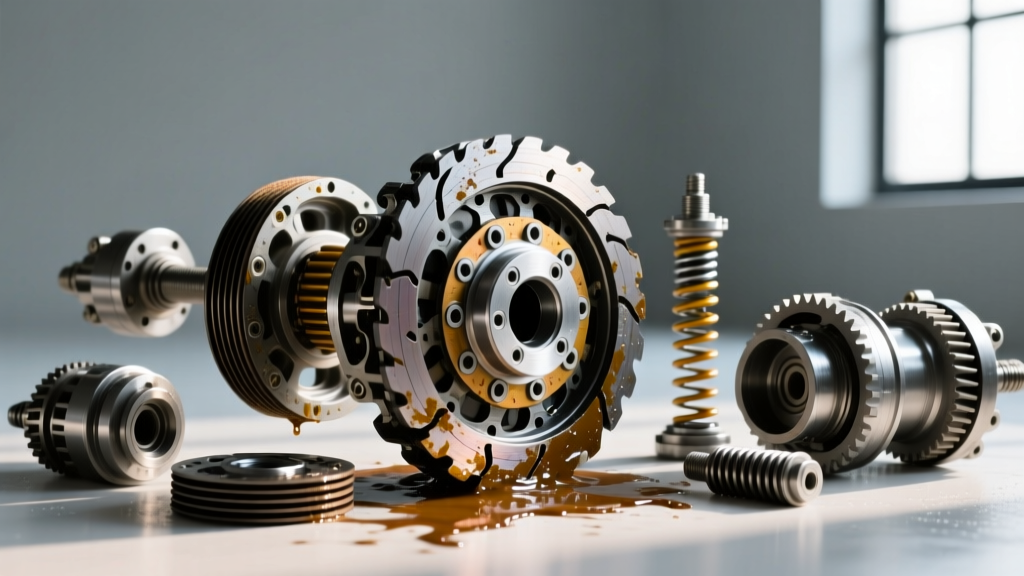
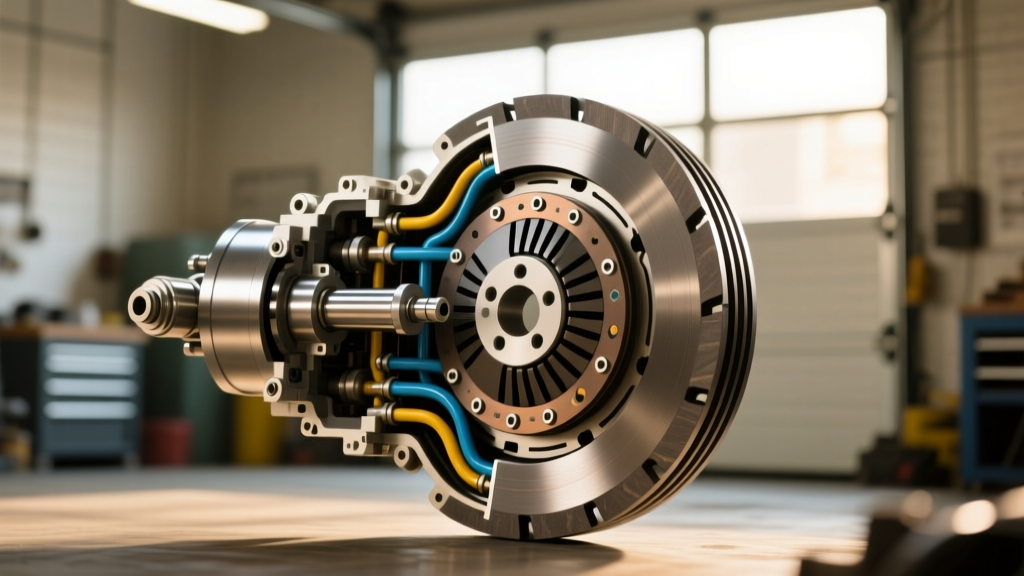
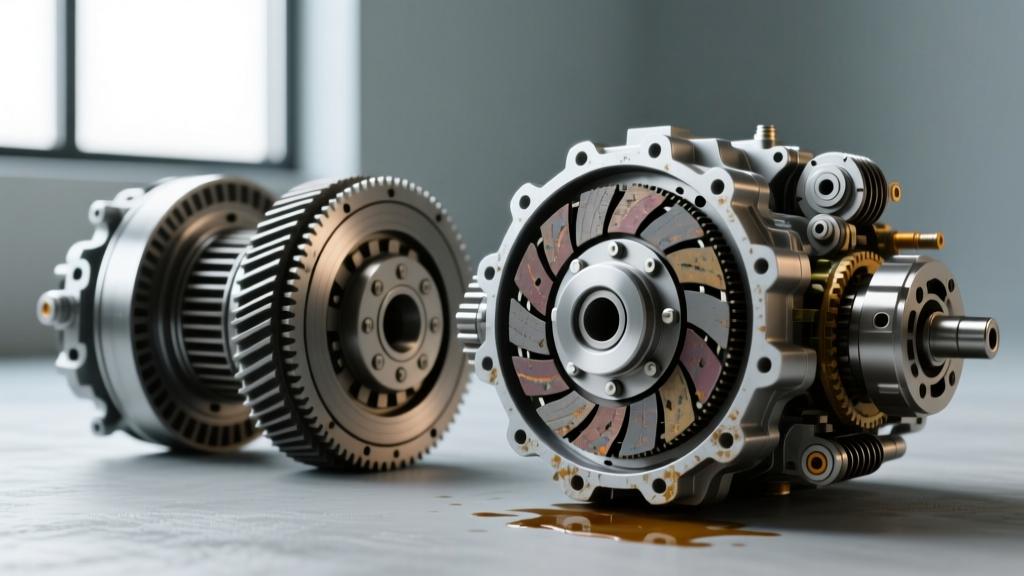
When evaluating the longevity and failure modes of modern drivetrains, the debate of dual clutch transmission vs automatic often centers on shift speed and efficiency. However, from a diagnostic perspective, the true divergence lies in how these systems manage friction, heat, and mechanical wear over a 150,000-mile lifespan. While a traditional automatic transmission (AT) utilizes a hydrodynamic torque converter to multiply torque and absorb shock, a dual clutch transmission (DCT) relies on physical friction packs—either wet-bathed or dry—that are subject to direct mechanical degradation.
Understanding the distinct clutch wear signs and lifespan indicators for each architecture is critical for accurate drivetrain diagnostics. In 2026, with the proliferation of 8-speed, 9-speed, and 10-speed automatics alongside highly refined 7-speed wet DCTs, the line between fluid-based and friction-based failures has become nuanced. This technical deep-dive explores the exact diagnostic parameters, adaptation limits, and physical wear thresholds that dictate the lifespan of both systems.
Dual Clutch Transmission (DCT) Wear Signs & Diagnostics
DCTs operate essentially as two manual transmissions housed in a single casing, controlled by a mechatronic unit. Because there is no torque converter to mask slippage, clutch wear in a DCT manifests as physical driveline disturbances long before catastrophic failure occurs.
Wet DCT Diagnostics: The VW/Audi DQ250 and DQ500
In wet dual-clutch systems like the ubiquitous 6-speed DQ250 or the heavy-duty 7-speed DQ500, the clutch packs are bathed in specialized transmission fluid that provides both cooling and lubrication. The primary wear indicator is not necessarily a burnt smell, but rather mechatronic adaptation limits. As the BorgWarner friction plates wear down, the hydraulic apply pistons must travel further to clamp the packs. The Transmission Control Module (TCM) continuously adjusts the hydraulic pressure to maintain shift quality.
Using advanced OBD-II bidirectional scanners or VCDS (VAG-COM Diagnostic System), technicians can monitor the 'Clutch Adaptation Pressure' in the measuring value blocks. A new DQ250 clutch pack typically requires between 6.5 and 8.0 Bar of apply pressure. When the adaptation pressure exceeds 11.5 Bar, or the clutch stroke volume exceeds the software's maximum threshold, the TCM will trigger a 'Clutch Tolerance Limit Reached' fault code (e.g., P17BF or P17C1). At this stage, low-speed shudder during 1st-to-2nd gear upshifts becomes highly pronounced.
Dry DCT Diagnostics: Ford DPS6 and Hyundai/Kia DCTs
Dry DCTs, such as the notorious Ford DPS6 (PowerShift) or early Hyundai/Kia dry-clutch units, suffer from a different wear profile. Without fluid cooling, the single-plate dry friction discs are prone to thermal glazing and warping. The primary lifespan indicator here is the 'Clutch Touch Point' or 'Bite Point' adaptation. During a clutch learning procedure, the actuator motors sweep the release bearings to find the exact millimeter where friction begins. If the touch point travel exceeds 28mm, or if the actuator motor draws excessive amperage (often >15A) due to binding release forks, the dry clutch assembly has reached the end of its service life.
Traditional Automatic (AT) Clutch Degradation Indicators
Traditional automatics, such as the ZF 8HP series or GM's 6L80/8L90, utilize planetary gearsets and multi-plate wet clutches for gear changes, but they rely on a Torque Converter Lock-Up Clutch (TCC) for direct mechanical coupling at cruising speeds. When discussing 'clutch wear' in an automatic, we are primarily diagnosing TCC degradation or internal planetary clutch pack burnout.
Torque Converter Lock-Up Clutch (TCC) Shudder
The most common clutch wear sign in modern automatics is TCC shudder, typically felt as a rhythmic vibration between 40 and 55 mph in 4th, 5th, or 6th gear. This occurs when the friction material on the torque converter's lock-up piston degrades, or when the valve body's TCC apply valve bore becomes worn, causing micro-pulsations in hydraulic pressure. According to diagnostic data published by Sonnax transmission specialists, this shudder is often misdiagnosed as an engine misfire or a failing engine mount. True TCC clutch wear is confirmed by monitoring the 'TCC Slip RPM' PID. A healthy ZF 8HP45 should show less than 20 RPM of slip during steady-state lock-up. Consistent slip readings above 45 RPM, accompanied by a fluctuating turbine speed sensor signal, confirm TCC friction material failure.
Internal Planetary Clutch Pack Burnout
In units like the GM 6L80, internal clutch wear often targets the 3-5-R or 4-5-6 clutch packs due to inadequate lubrication flow or wave plate fatigue. The hallmark symptom is a delayed, flaring engagement (e.g., a 2-3 shift that momentarily spikes to 3,500 RPM before catching). Diagnosing this requires comparing the commanded line pressure PID against the actual line pressure and shift solenoid duty cycle. If the TCM maxes out the pressure control solenoid (100% duty cycle) but the shift time remains above 150ms, the physical friction material on the steel and paper-based clutch plates has disintegrated.
Comparative Wear Parameters: DCT vs Automatic
The following table outlines the critical diagnostic thresholds that separate normal operation from end-of-life clutch wear across different transmission architectures.
| Transmission Type | Primary Wear Component | Diagnostic PID / Metric | Critical Failure Threshold |
|---|---|---|---|
| DCT (Wet - e.g., VW DQ250) | Multi-plate Friction Pack | Clutch Adaptation Pressure (Bar) | > 12.0 Bar Apply Pressure |
| DCT (Dry - e.g., Ford DPS6) | Single-Plate Dry Friction | Actuator Sweep / Touch Point | Touch Point > 28mm Travel |
| AT (e.g., ZF 8HP) | Torque Converter Lock-Up Clutch | TCC Slip RPM (Turbine vs Output) | > 45 RPM Steady-State Slip |
| AT (e.g., GM 6L80) | 3-5-R / 4-5-6 Clutch Packs | Line Pressure vs Shift Time | > 150ms Engagement Delay at Max PSI |
Fluid Degradation: The Universal Lifespan Killer
While the mechanical architectures differ, fluid chemistry dictates the lifespan of clutch materials in both systems. In traditional automatics, the friction modifiers in fluids like ZF LifeguardFluid 8 or GM DEXRON ULV deplete over time. As the polar molecules that coat the clutch plates break down due to thermal cycling, the coefficient of friction becomes erratic, leading to immediate shudder and accelerated wear. ZF's official documentation heavily emphasizes that while their 8HP units are marketed as 'lifetime filled' for standard driving, severe driving conditions (frequent towing, stop-and-go traffic) necessitate a fluid exchange at 60,000 miles to preserve TCC integrity.
'While traditional automatics mask early clutch degradation through torque converter fluid coupling, a dual clutch transmission transmits mechanical wear directly to the driveline. By the time a DCT exhibits low-speed shudder, the friction material has often lost over 40% of its original thickness, and the dual-mass flywheel dampers are usually compromised.'
— Drivetrain Diagnostics Council, 2025 Transmission Reliability Report
Replacement Costs and Lifespan Expectancy (2026 Market Data)
When clutch wear indicators cross the critical threshold, the financial implications vary wildly between DCTs and automatics. Here is a realistic breakdown of 2026 market repair costs and component lifespans:
- VW/Audi DQ250 Wet DCT (120k - 150k mile lifespan): Replacing the clutch pack (BorgWarner part #1009030) and the dual-mass flywheel (LUK part #415-0238-09) requires trans-axle removal. Parts cost approximately $1,100. Labor requires 7.5 hours at an average dealer rate of $165/hr. Total out-of-pocket: $2,300 - $2,600. Note: The DMF to crank M11 bolts must be torqued to 60 Nm + 90 degrees, and the clutch hub nut requires a specialized lock tool and 400 Nm of torque.
- Ford DPS6 Dry DCT (60k - 90k mile lifespan): Dry clutches wear significantly faster in heavy traffic. A clutch kit replacement (Motorcraft part #7T4Z-7540-B) is roughly $450, but requires an expensive mechatronic re-learning procedure. Total repair: $1,400 - $1,800.
- ZF 8HP TCC / Torque Converter (150k+ mile lifespan): If the shudder is caught early, a Sonnax TCC apply valve repair kit (part #92834-04K) can be installed by dropping the valve body, saving the torque converter. Parts: $85. Labor: 4 hours. Total: $750. If the TCC friction material has completely failed, a full torque converter replacement and fluid flush will exceed $2,400.
Summary: Proactive Drivetrain Management
Ultimately, the choice in the dual clutch transmission vs automatic debate comes down to maintenance tolerance and driving environment. Automatics offer a longer mechanical lifespan and fail more gracefully, masking early clutch wear behind fluid dynamics. DCTs provide superior efficiency and shift response but require rigorous adherence to fluid service intervals and earlier mechanical intervention. By monitoring adaptation pressures, TCC slip PIDs, and actuator touch points, technicians and enthusiasts can accurately predict clutch end-of-life before a minor wear issue cascades into a catastrophic mechatronic or planetary gearset failure.