The Physics of Clutchless Shifting: Quickshifters vs. Automotive DCTs
To understand modern clutch problems in automatic transmissions, we must first look at the physics of clutchless shifting. When a rider executes a motorcycle upshift without clutch, they typically rely on a quickshifter or manual ignition interrupt. This system momentarily cuts fuel and ignition for 50 to 80 milliseconds, unloading the drivetrain and allowing the transmission's dog gears to slide into the next ratio without friction plate wear. It is a mechanical bypass that saves the clutch entirely.
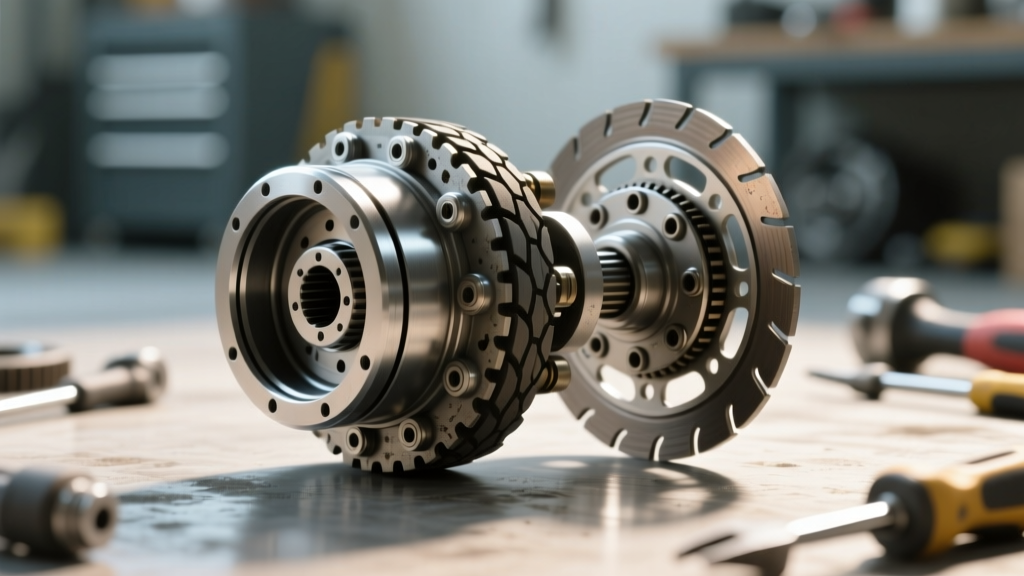
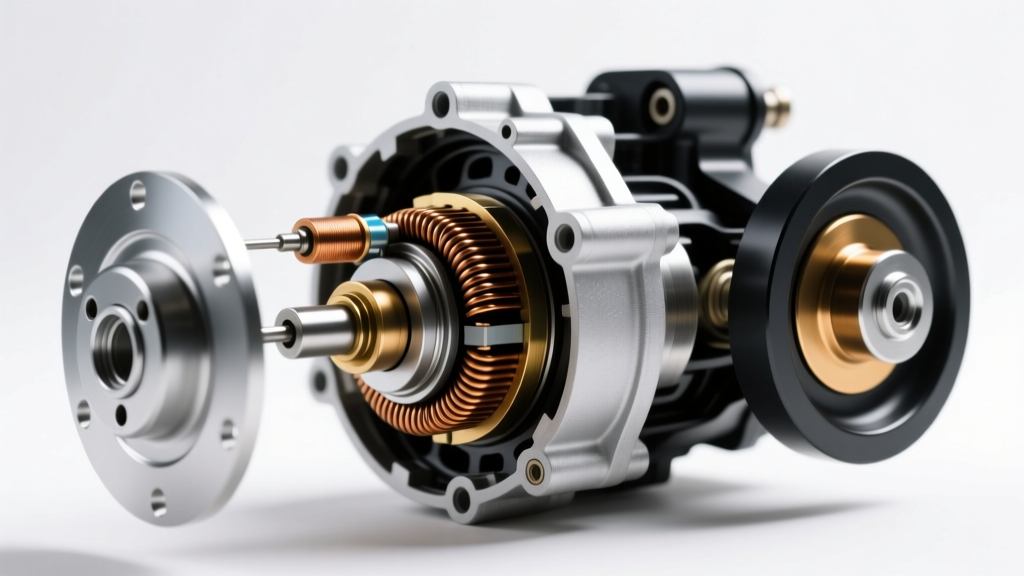
Automotive Dual Clutch Transmissions (DCTs), however, cannot rely on dog gears and ignition cuts for smooth, daily-driving shifts. Instead, vehicles like the VW Golf R (DQ381) or the Porsche PDK utilize overlapping wet or dry friction clutches. During an upshift, the transmission's mechatronic unit simultaneously releases the off-going clutch while applying the on-coming clutch via highly pressurized hydraulic solenoids. When this micro-second overlap fails due to degraded friction materials, warped separator plates, or failing Pulse Width Modulation (PWM) solenoids, the result is the notorious shudder, slip, and harsh engagement that defines severe clutch problems in automatic transmissions.
Diagnosing Clutch Problems in Automatic Transmissions
As of 2026, automatic transmission clutch failures generally fall into three distinct categories based on the architecture of the unit. Proper diagnosis requires reading live data PID streams for clutch slip RPM and adaptation pressure, rather than just pulling generic OBD2 codes.
1. Wet Dual Clutch Transmissions (VW DQ250 / Audi S-Tronic)
Wet DCTs use friction packs bathed in specialized fluid (e.g., VW G 052 182 A2). The most common clutch problem here is thermal degradation of the paper-based or Kevlar-lined friction discs caused by excessive 'creeping' in stop-and-go traffic. Unlike a motorcycle upshift without clutch which is instantaneous, a DCT trying to hold a vehicle on an incline via clutch slipping generates massive heat. Symptoms include low-speed shudder, delayed reverse engagement, and diagnostic trouble codes like P17BF (Clutch A Motor Circuit) or P2789 (Clutch Position Sensor Circuit). If the fluid smells burnt or contains excessive metallic silt, the clutch pack and mechatronic filter must be replaced.
2. Dry Dual Clutch Transmissions (Ford DPS6 PowerShift)
Dry DCTs operate much like traditional manual clutches but are actuated by electric motors and ball screws. The Ford DPS6 is infamous for clutch problems stemming from actuator motor failure and dry clutch glazing. Because there is no fluid to absorb heat or wash away debris, the friction surfaces quickly develop hot spots. If your vehicle exhibits violent shuddering between 15-30 mph and throws codes like P0730 (Incorrect Gear Ratio) or P287A (Clutch B Motor), the dry clutch assembly and both actuator motors are likely compromised. Upgrading to aftermarket Kevlar-faced dry clutches is highly recommended for longevity.
3. Torque Converter Lockup Clutches (ZF 8HP Series)
In traditional planetary automatics like the ubiquitous ZF 8HP (found in BMW, Dodge, and Ford applications), the 'clutch' is the Torque Converter Lockup Clutch (TCC). To maximize fuel economy, modern TCCs apply in 3rd gear and operate in a controlled 'micro-slip' state constantly. Over time, the friction lining wears off the TCC piston, contaminating the valve body and causing the dreaded 'ZF shudder' at 40-50 mph. Code P0741 (Torque Converter Clutch Circuit Performance) is the primary indicator. According to Sonnax Technical Resources, replacing the TCC piston and upgrading the valve body separator plate is often necessary to restore hydraulic integrity.
2026 Buyer’s Comparison: OEM vs. Aftermarket Clutch Packs
When addressing clutch problems in automatic transmissions, choosing the right replacement friction materials is critical. Below is a comparison of OEM and performance aftermarket options for the most common platforms.
| Transmission Model | Clutch Type | OEM Part Number | Aftermarket Upgrade | Est. Cost (2026) | Torque Capacity |
|---|---|---|---|---|---|
| VW DQ250 (6-Speed Wet) | Wet Multi-Plate | 02E 141 031 D | Alto 670010K Kevlar Pack | $450 - $600 | 450 lb-ft |
| Ford DPS6 (PowerShift) | Dry Dual Clutch | AE6Z-7540-A | Exedy FD021SBX | $850 - $1,100 | 280 lb-ft |
| ZF 8HP (70/90 Series) | TC Lockup | 2457.30 | Sonnax 106530-01K | $280 - $350 | 650 lb-ft |
| GM 8L90 (8-Speed Auto) | Wet Apply | 24280104 | Alto 108750 Red Eagle | $320 - $400 | 750 lb-ft |
For high-horsepower applications, Alto Products Friction Clutch Kits utilizing Red Eagle or Kevlar friction materials provide superior heat resistance compared to standard OEM paper-based clutches, preventing the glazing that leads to premature slip.
Critical Installation Specs & Torque Requirements
Addressing automatic transmission clutch problems requires strict adherence to mechanical tolerances. A deviation of a few thousandths of an inch in clutch pack clearance can lead to immediate failure or dragging.
- VW DSG Dual Mass Flywheel (DMF) to Crankshaft: 60 Nm + 90 degrees. (Always use new stretch bolts; never reuse).
- Ford DPS6 Clutch Actuator Motor Mounting Bolts: 15 Nm. Over-torquing will warp the actuator housing and bind the ball screw.
- ZF 8HP Bellhousing to Engine Block: 65 Nm + 90 degrees.
- DQ250 Mechatronic Unit to Transmission Case: 10 Nm. Hand-start all bolts to avoid cross-threading the aluminum casing.
- Clutch Pack Clearances: Most wet DCT clutch packs require a total clearance between 0.040' and 0.060' (1.0mm - 1.5mm). Use a dial indicator to measure apply travel after installing the snap rings.
Fluid Diagnostics and Debris Analysis
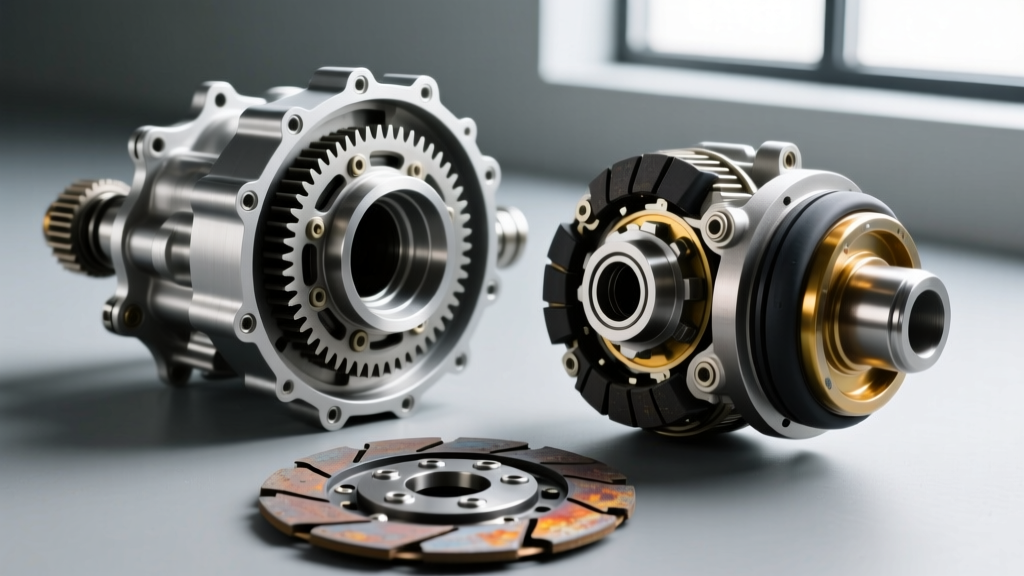
Before tearing down a transmission, analyze the fluid. Normal clutch wear produces a fine, dark silt that gives the fluid a grayish tint. However, if you find chunky Kevlar fibers, brass bushing shavings, or large flakes of steel from the separator plates, the damage has spread beyond the friction surfaces. In ZF 8HP units, the plastic adapter seal sleeves often degrade, mixing plastic debris into the mechatronic solenoids. According to ZF Aftermarket Services, flushing a contaminated unit without replacing the mechatronic adapter seals and cleaning the valve body will result in immediate recurrence of TCC shudder.
Diagnostic Decision Framework: Rebuild or Replace?
When faced with severe clutch problems in automatic transmissions, use this decision framework to determine the most cost-effective repair path in 2026:
Rule 1: The Mechatronic Factor. If the clutch failure was caused by a leaking mechatronic piston or failing solenoid (common in VW DSGs), simply replacing the friction packs will not solve the issue. The hydraulic pressure will remain inadequate, and the new clutches will burn up within 5,000 miles. You must rebuild or replace the mechatronic unit simultaneously.
Rule 2: Dry DCT Actuator Wear. On Ford DPS6 and Fiat C635 dry DCTs, if the clutch is worn, the actuator motors and release bearings are almost certainly worn out as well. Budget for a complete 'clutch and actuator' kit rather than just the friction discs.
Rule 3: The Torque Converter Shortcut. If you are dealing with a ZF 8HP or GM 8L90 lockup clutch shudder, you do not need to rebuild the entire transmission. Dropping the pan, replacing the lockup clutch piston, upgrading the valve body separator plate, and installing a new torque converter will resolve 90% of TCC-related symptoms for under $1,200 in parts.
While the mechanical elegance of a motorcycle upshift without clutch relies on bypassing the friction zone entirely, automotive automatic transmissions demand precision hydraulic control and high-friction materials to manage thousands of pounds of vehicle mass. Understanding these fundamental differences is the key to accurately diagnosing, repairing, and upgrading modern automatic clutch systems.