Understanding the Go Kart Clutch Belt System
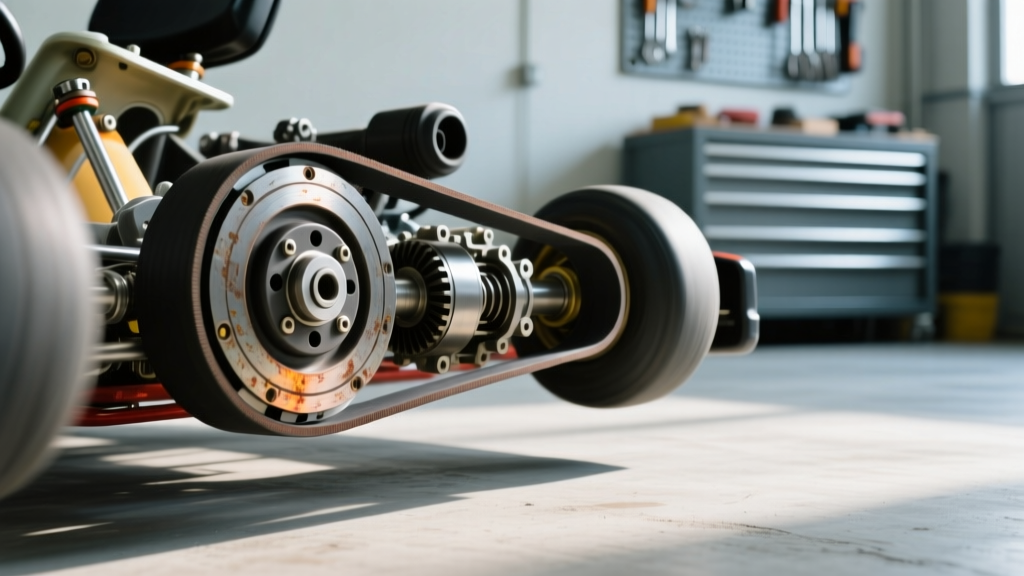
If you are new to small engine mechanics, dealing with a go kart that creeps forward at idle or bogs down when you hit the throttle can be incredibly frustrating. Unlike a manual car transmission, most modern off-road go karts utilize a Continuously Variable Transmission (CVT), commonly referred to as a torque converter. At the heart of this system is the go kart clutch belt, a specialized Kevlar-reinforced drive belt that transfers power from the engine's crankshaft to the rear axle. When this system functions correctly, it provides seamless acceleration. When it fails, you are left with severe engagement and disengagement issues.
In this beginner-friendly guide, we will break down exactly how your torque converter operates, why your go kart clutch belt might be failing to engage or disengage, and how to fix these issues using precise measurements, real-world part numbers, and professional diagnostic steps.
The Anatomy of a Go Kart Torque Converter
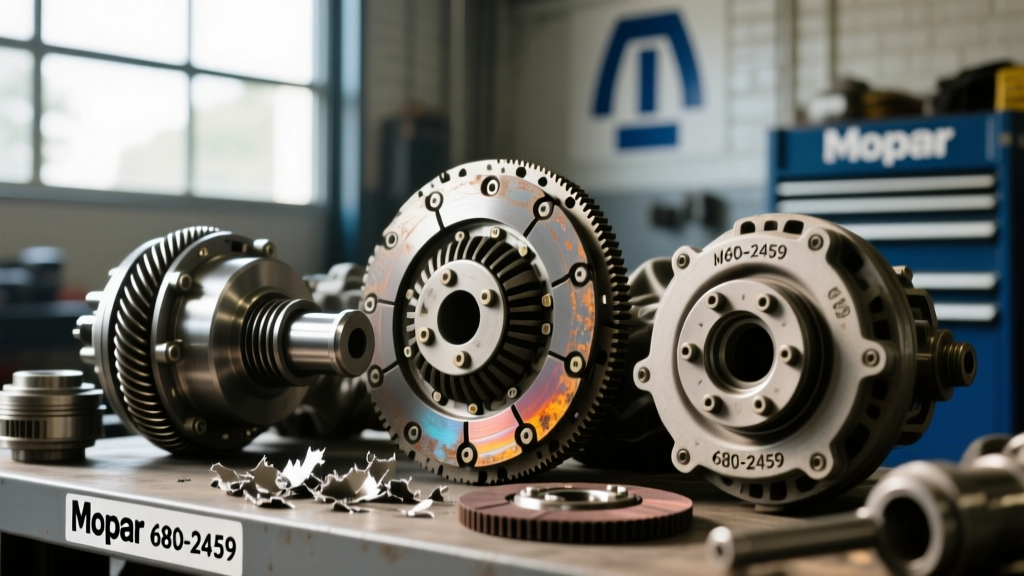
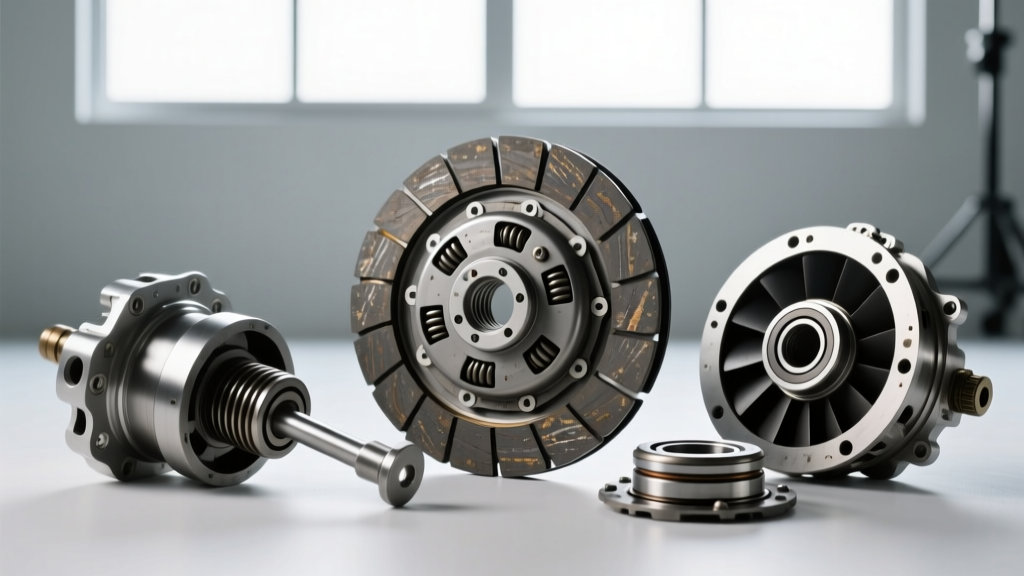
Before diagnosing the problem, you need to understand the three main components of the system. According to technical documentation from Comet Kart Sales, the most common setup on karts like the Manco Talon, Yerf-Dog, and custom builds is the asymmetric torque converter (such as the Comet TAV2 or Max-Torque series).
- The Drive Clutch (Driver): Mounted directly to the engine crankshaft. It uses centrifugal weights that push a movable sheave inward as engine RPM increases, pinching the belt and forcing it to ride higher.
- The Driven Clutch (Driven): Mounted to the jackshaft. It uses a heavy torsion spring to keep the sheaves closed at low RPMs, forcing the belt to ride low. As the drive clutch pushes the belt outward, the driven clutch is forced open.
- The Go Kart Clutch Belt: A specialized, high-friction belt with a specific top width (usually 3/4 inch) and angle (typically 30 degrees) designed to wedge perfectly into the pulley sheaves.
Disengagement Issues: Why Your Kart Creeps at Idle
Disengagement failure is one of the most dangerous symptoms for beginners. If your go kart pulls forward while the engine is idling and your foot is off the pedal, the clutch belt is failing to disengage. This happens when the belt remains pinched between the sheaves even at low RPMs.
1. Idle RPM is Set Too High
The drive clutch is designed to remain completely open (disengaged) at a specific RPM range, typically between 1,400 and 1,500 RPM. If your carburetor's idle screw is adjusted too high, the centrifugal weights will deploy prematurely, grabbing the belt. Use a digital tachometer to verify your idle speed. Adjust the idle stop screw on your carburetor (often a 10mm or Phillips head) until the engine hums smoothly at 1,400 RPM without the rear wheels turning.
2. Incorrect Belt Length or Part Number
Using an automotive V-belt or the wrong size CVT belt is a classic beginner mistake. A belt that is even slightly too short will sit too high in the driven pulley at idle, preventing full disengagement. For a standard Comet TAV2 (Part #218352A) with a 3/4-inch bore, the correct replacement belt is typically 3/4-inch top width by 27-11/32 inches outside circumference (Comet Part #203589). Always consult your specific frame's manual, as center-to-center distances vary.
3. Worn Drive Clutch Sheaves or Stuck Rollers
Inside the drive clutch, plastic or brass rollers guide the movable sheave. If these rollers wear out, crack, or become packed with dirt and grease, the sheave will stick in the closed position. The belt remains pinched, causing the kart to creep. Disassembling the drive clutch to clean the ramp channels and replace the rollers (usually around $12 for a kit) resolves this instantly.
Engagement Issues: Slipping, Squealing, and Bogging
On the flip side, engagement issues occur when you press the throttle, but the kart hesitates, bogs down, or the belt squeals loudly without transferring power to the wheels. As highlighted in the BMI Karts Tech Articles, this is almost always a friction or alignment problem.
1. Belt Glazing and Contamination
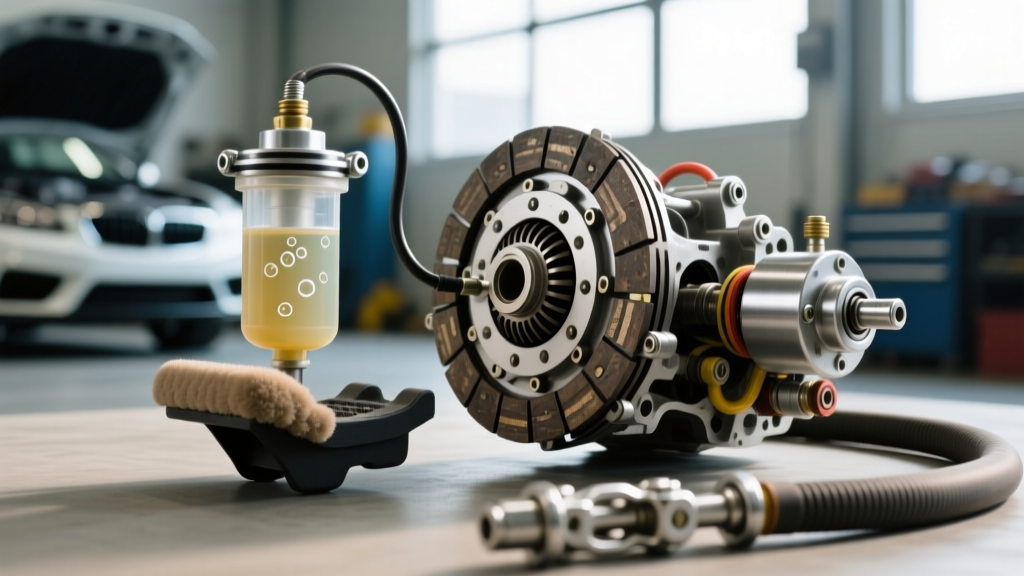
The go kart clutch belt relies on extreme friction to grip the metal pulleys. If oil, grease, or excessive heat melts the belt's outer cord layer, it becomes 'glazed'—shiny and slippery. When you hit the throttle, the belt slips instead of grabbing, generating massive heat that can snap the belt. Never use belt dressing on a CVT go kart belt. If the belt is glazed, cracked, or frayed, it must be replaced. High-quality Kevlar-reinforced belts from manufacturers like Dayco Products typically cost between $18 and $35 and are essential for heavy-duty off-road use.
2. Weak or Incorrect Driven Pulley Spring
The large torsion spring on the driven clutch dictates how much resistance the drive clutch must overcome to shift gears. If this spring loses its tension due to heat fatigue, or if a previous owner installed a spring with the wrong color code (which indicates tension rate), the belt will slip under load. Upgrading to a stiffer spring (e.g., moving from a standard yellow spring to a red or blue high-tension spring) forces the belt to grip tighter during initial takeoff, eliminating the bog.
3. Pulley Misalignment
The drive and driven pulleys must be perfectly parallel. If your engine mounts are bent, or the jackshaft spacers are missing, the pulleys will sit at an angle. This forces the belt to ride on its edge, causing rapid wear, squealing, and failure to engage the higher gear ratios. Misalignment should never exceed 1/16 of an inch.
Go Kart Torque Converter Specifications Chart
To help you identify your system and understand the baseline specifications for proper engagement, refer to the table below:
| System Type | Common Part Number | Engagement RPM | Belt Top Width | Spring Tension (Driven) |
|---|---|---|---|---|
| Comet TAV2 (Asymmetric) | 218352A | 1,500 - 1,800 RPM | 3/4 inch | Standard (Yellow) |
| Comet Max-Torque (Symmetric) | 219452A | 1,600 - 1,900 RPM | 3/4 inch | Heavy Duty (Red) |
| Standard Centrifugal Clutch | 214502 (12T #35) | 2,300 RPM | N/A (Chain Drive) | N/A |
| Hilliard Inferno (Racing) | HI-200 | Customizable | N/A (Chain Drive) | Adjustable Weights |
Step-by-Step Diagnostic and Repair Guide
Follow this professional workflow to diagnose and fix your go kart clutch belt engagement issues safely and accurately.
Step 1: The Straight-Edge Alignment Test
Remove the belt guard and the go kart clutch belt. Place a long metal straight-edge across the faces of both the drive and driven pulleys. The straight-edge should touch the inner and outer lips of both pulleys simultaneously. If there is a gap, loosen your engine mounting bolts (typically 3/8-16 or 10mm flange bolts) and slide the engine forward or backward until the gap is closed. Retighten the engine mount bolts to 18-22 ft-lbs.
Step 2: Inspect Belt Deflection
Install the correct belt. With the engine off and the belt at rest in the lowest position on the drive clutch, press down on the top span of the belt between the two pulleys. You should see exactly 1/2 inch to 3/4 inch of deflection. If the belt is loose and sags more than an inch, it is stretched and will slip upon engagement. If it is tight as a guitar string, it is too short and will cause disengagement creeping.
Step 3: Clean and Lubricate the Jackshaft
The driven clutch must slide back and forth on the jackshaft smoothly to change gear ratios. If it is seized, the kart will bog down and refuse to shift into high gear. Remove the driven clutch, sand the jackshaft lightly with 400-grit sandpaper to remove rust, and apply a thin layer of high-temperature molybdenum grease. Do not use WD-40 or standard motor oil, as these attract dirt and create a grinding paste.
Step 4: Torque the Retaining Bolts Correctly
When reinstalling the drive clutch onto the crankshaft, the retaining bolt is critical. Most Comet-style drive clutches use a 3/8-24 UNF fine-thread bolt. Apply a drop of Blue Loctite 242 to the threads and torque the bolt to 25-30 ft-lbs. A loose drive clutch will wobble, destroying the belt and the crankshaft bearings.
Safety Warning: Always disconnect the spark plug wire and secure it away from the plug before inspecting, adjusting, or removing the go kart clutch belt. An accidental engine start while your hands are near the pulleys can result in catastrophic amputation injuries.
Final Thoughts on CVT Maintenance
Diagnosing go kart clutch belt engagement and disengagement issues does not require a master mechanic's certification, but it does require patience and an understanding of how centrifugal force and friction interact. By verifying your idle RPM, ensuring exact pulley alignment, and using the correct Kevlar-reinforced replacement belt, you can restore your go kart to its original, snappy performance. Remember to inspect your belt for micro-cracks every 10 hours of ride time, and keep your torque converter completely free of oil and mud to ensure years of reliable trail riding.