Decoding the Flywheel-to-Pressure Plate Interface
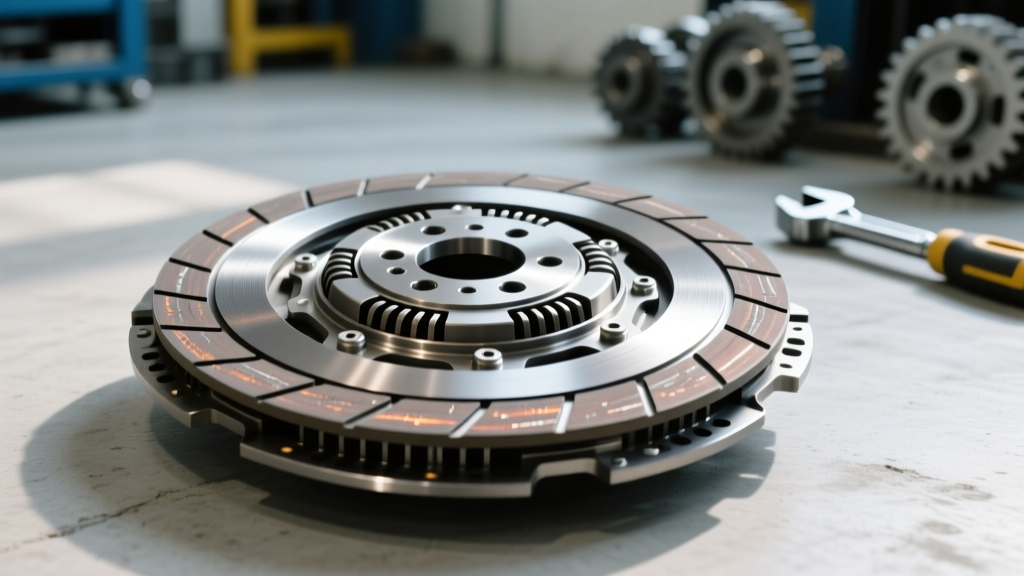
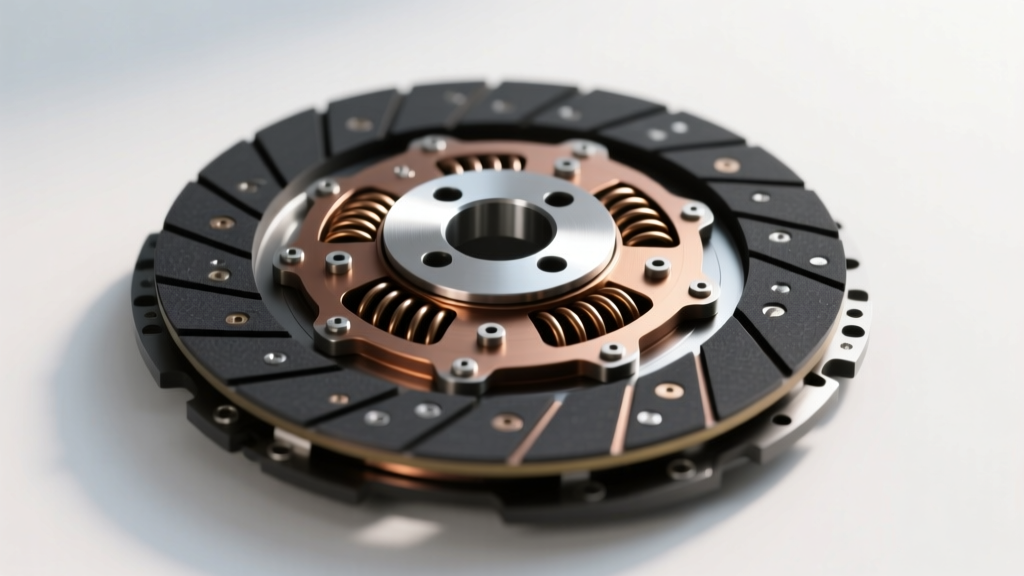
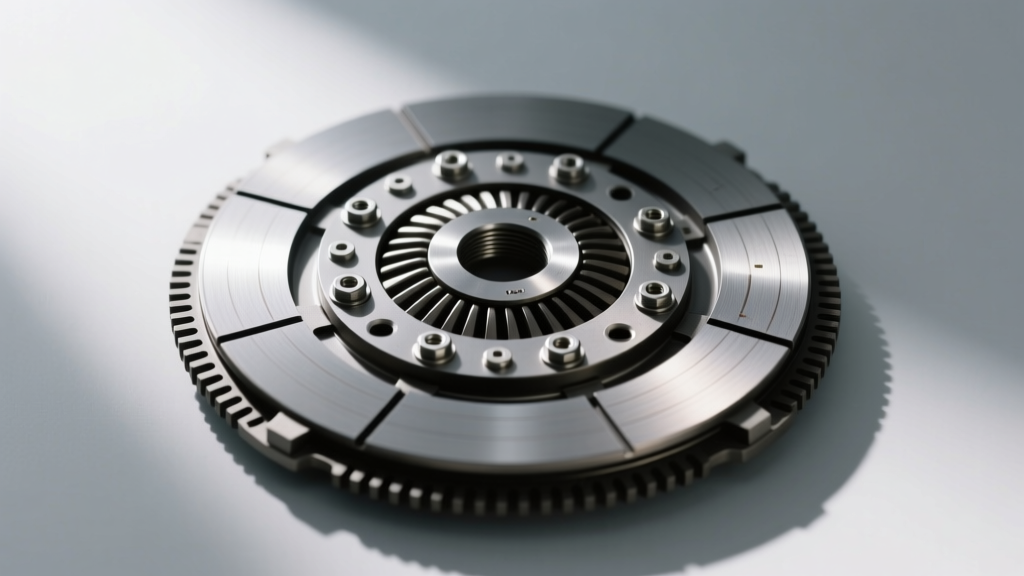
When diving into the world of Dodge Ram diesel transmission swaps or heavy-duty clutch replacements, understanding the physical mating surfaces is critical. For beginners, the term 'bolt pattern' usually brings to mind wheel lug nuts or engine block motor mount locations. However, when sourcing a replacement Cummins clutch plate assembly, the bolt pattern you must obsess over is the pressure plate-to-flywheel interface. This specific circular arrangement of threaded holes dictates whether your clutch kit will physically bolt up to your engine's rotating assembly.
The Cummins 5.9L and 6.7L ISB engines have undergone significant evolutionary changes since their introduction in 1989. These changes directly impact the flywheel friction surface, the pressure plate bolt circle diameter, and the hardware required to keep a 1,000 lb-ft torque monster from tearing its drivetrain apart. According to installation guidelines from South Bend Clutch, mismatching a pressure plate bolt pattern to the wrong generation flywheel is one of the most common—and costly—mistakes novice diesel mechanics make during a garage build.
Generational Shifts: 12-Inch vs. 13-Inch Cummins Clutch Plate Specs
The most fundamental divide in Cummins manual transmission applications is the transition from the 12-inch (300mm) clutch setups to the larger 13-inch (325mm and 330mm) configurations. This shift was driven by the need to handle increasing factory torque outputs and the physical dimensions of the transmission bellhousings.
| Engine Generation | Years | Clutch Diameter | Pressure Plate Bolt Pattern | Common Transmission Pairings |
|---|---|---|---|---|
| 1st Gen 5.9L 12V | 1989-1993 | 12-inch (300mm) | Standard 6-bolt / 9-bolt circle | Getrag 5-Speed, Early NV4500 |
| 2nd Gen 5.9L 12V/24V | 1994-2002 | 12-inch to 13-inch | Asymmetric 6-bolt / Dowel aligned | NV4500, NV5600 |
| 3rd Gen 5.9L 24V | 2003-2007 | 13-inch (325mm) | Standard 9-bolt circle (325mm) | NV5600, G56 |
| 4th Gen+ 6.7L ISB | 2007.5-Present | 13-inch (330mm) | Heavy-Duty 9-bolt / Multi-disc patterns | G56, ZF S6-650/S6-750 (Aisin) |
The 5.9L to 6.7L ISB Evolution and Aftermarket Solutions
If you are rebuilding a 2nd Generation 24-valve truck, you are in the middle of the transitional 'danger zone.' Early 24-valves utilized a 12-inch Cummins clutch plate setup, while later models moved to the 13-inch standard. If you are swapping an NV4500 from an older truck behind a newer 24-valve engine, you cannot simply reuse your old pressure plate. You must either source a 12-inch flywheel (which requires changing the rear main seal housing and dowel pins) or upgrade to a 13-inch clutch disc and pressure plate that matches the later flywheel's bolt circle.
Aftermarket manufacturers like Valair and Luk engineer specific pressure plates with elongated or multi-drilled bolt holes to bridge these generational gaps, but relying on 'universal' drilled plates for high-horsepower applications is highly discouraged. Always match the exact OEM bolt circle diameter (BCD) for your specific flywheel casting.
Fastener Metallurgy and Torque Sequences
A bolt pattern is only as strong as the hardware securing it. The rotational mass of a Cummins flywheel combined with the violent torque spikes of diesel combustion places immense shear stress on pressure plate fasteners. Beginners often make the fatal error of reusing old, stretched pressure plate bolts or substituting them with hardware store equivalents.
- OEM Hardware: Most Cummins applications utilize Metric M10 x 1.5 flange bolts. These must be Grade 10.9 or higher.
- Aftermarket Upgrades: For trucks pushing over 600 rear-wheel horsepower, upgrading to ARP (Automotive Racing Products) chromoly pressure plate bolts is mandatory. ARP part number 245-3001 is a common replacement for many Dodge/Cummins applications.
- Torque Specifications: Standard M10 pressure plate bolts should be torqued to 35-45 lb-ft. Always consult your specific clutch manufacturer's spec sheet, as multi-disc setups (like a South Bend DD3250-6) may require specific sequential torquing to ensure even clamping load across the intermediate floaters.
When tightening the pressure plate to the flywheel, you must use a crisscross 'star' pattern. Tightening in a circle will warp the pressure plate casting, leading to premature release bearing failure and severe clutch chatter upon engagement.
The Critical Role of Dowel Pins in Pattern Alignment
The bolt holes on a Cummins pressure plate are intentionally drilled slightly larger than the shank of the M10 bolts. This is by design. The bolts are meant only to provide clamping force (tension), not to resist lateral shear forces. The shear loads are entirely managed by the flywheel dowel pins.
A standard Cummins flywheel features two precision-machined dowel pins that mate with corresponding holes on the pressure plate. If you attempt to force a Cummins clutch plate assembly onto a flywheel where the dowel pins are missing, bent, or mismatched from a different generation engine, the rotational force will immediately shear the heads off your Grade 10.9 bolts. Always inspect the dowel pins for galling and replace them if they show any signs of rust pitting or deformation.
Real-World Swap Scenarios: NV4500 to G56
One of the most popular drivetrain upgrades in the diesel community is swapping the venerable 5-speed NV4500 for the robust 6-speed G56. This swap heavily involves the clutch bolt pattern and bellhousing depth.
The G56 utilizes a larger, dual-disc friendly 13-inch (325mm) clutch assembly. If your Cummins is currently equipped with a 12-inch flywheel, you must swap to a G56-compatible 13-inch flywheel. This new flywheel will have a completely different pressure plate bolt circle and requires a specific 325mm Cummins clutch plate. Furthermore, the G56 bellhousing has a different mounting depth, meaning you must also verify that your clutch release fork, throw-out bearing sleeve, and hydraulic master/slave cylinder geometry are adjusted to accommodate the new pressure plate's diaphragm spring height.
Expert Tip: When mating a new Cummins clutch plate to a resurfaced or aftermarket billet flywheel, always check the flywheel step height. The 'step' is the difference in height between the friction surface and the pressure plate mounting pad. An incorrect step height will alter the clamp load of the diaphragm springs, causing slipping even if the bolt pattern is perfectly aligned.
Troubleshooting Misalignment and Vibration Issues
If you have bolted up your new clutch assembly and experience severe vibration or a pedal that refuses to disengage smoothly, the bolt pattern interface is a primary suspect. Here is a quick diagnostic checklist for beginners:
- Check for 'Clocking' Errors: Did you align the pressure plate dowel holes correctly? Forcing it can crack the cast iron or stamped steel housing.
- Verify Flywheel Resurfacing: If the machine shop removed too much material from the friction surface without shimming the pressure plate bolt pattern mounting pads, the clutch will not fully engage.
- Inspect the Pilot Bearing: While not part of the pressure plate bolt pattern, a seized pilot bearing in the crankshaft will mimic the symptoms of a warped pressure plate, destroying the input shaft of your transmission.
Final Thoughts on Drivetrain Integration
Upgrading or replacing your drivetrain components requires a meticulous approach to dimensional compatibility. The Cummins clutch plate and pressure plate bolt pattern is the vital link translating the legendary torque of the ISB engine into forward momentum. By respecting generational differences in flywheel sizing, utilizing proper Grade 10.9 or ARP fasteners, and adhering to strict torque sequences, you ensure your manual transmission swap survives the punishing environment of heavy-duty diesel performance. For further reading on diesel drivetrain geometries and bellhousing adaptations, technical archives on Dodge Cummins Forum remain an invaluable resource for community-tested swap data and part number cross-references.